 Preview
 Send
Send Share
Share
 Details

 Download
 Similars
 X-Ray
X-Ray Diaporama
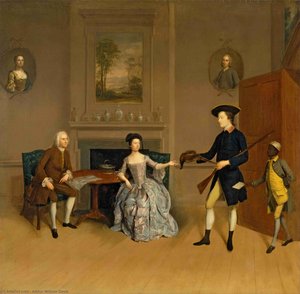
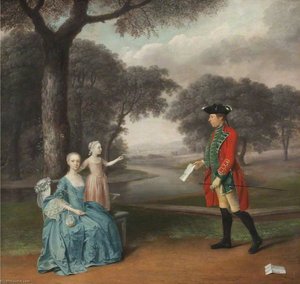
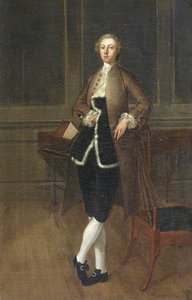
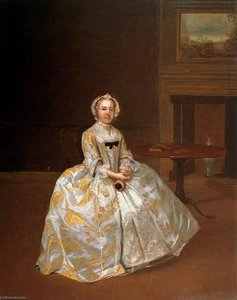
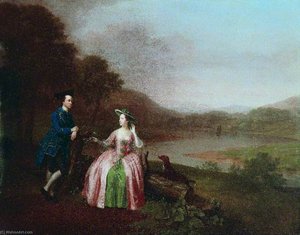
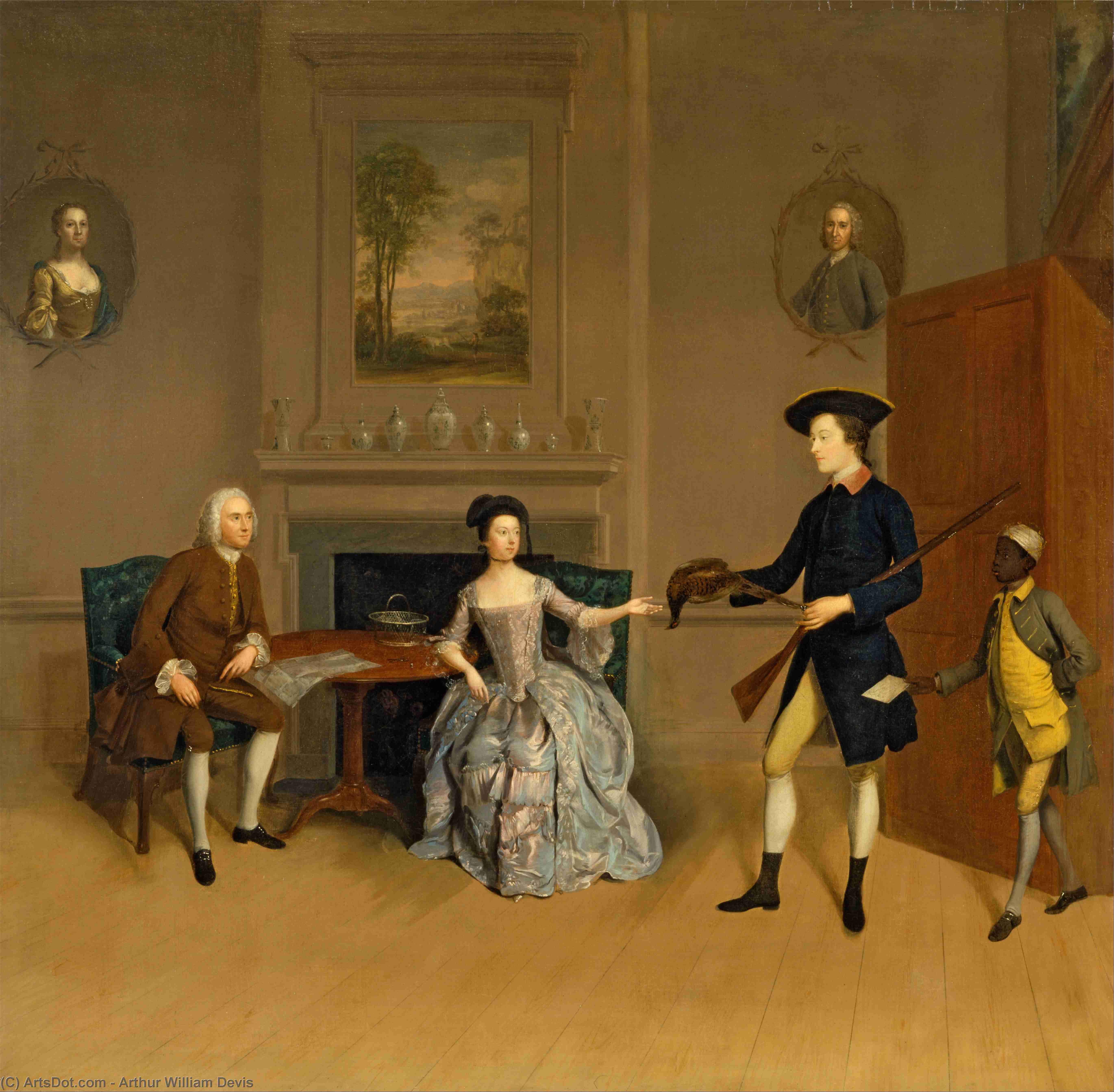
John Orde, His Wife Anne, And His Eldest Son William


 Read More
Hand Made Oil Reproduction
Hand-painted oil on canvas in your size and frame, made to order by our artists. ( Buy Print Buy Image)




P118B $10

P118H $10

P118W $10

P438Z $10

P508JH $12

P508YH $12

P805H $10

P805Z $10

P919BZ $10

P919G $10

P919XJ $10

P959ZH $10

P968JZ $12

W106C $8

W218G $10

W218JH $8

W218Y $10

W307PJ $10

W316G $10

W316PJ $8

W316Y $10

W398PJ $8

W4111J $10

W500HY $15

W500JH $15

W692G $12

W849H $8

W940BG $15

W953PJ $8




Pick from our preset sizes that match the artwork's original proportions.

You may enter your own dimensions to fit a specific frame or space. If your selected size does not match the original image's proportions, we will either crop the artwork or extend the painting with additional hand-painted elements. A digital mockup will be sent for your approval before production begins.
Please note that the on-screen preview does not reflect the actual cropping or extension. Only the mockup will accurately show the final composition.
While custom sizes are available, we recommend selecting a dimension from the predefined list to preserve the original proportions.
After order, ArtsDot.com team will email client for instructions and provide a mockup preview
Worldwide Delivery () in 3/4 weeks instead of standard 5 weeks. (17 August). No compromise on quality.

Free Worldwide Express Shipping

High-Quality Linen Canvas

Full Shipping Insurance

Customs Tax Refund Guarantee

True Color Matching Guarantee

60-Day Return Policy (Defects Only)

100% Money-Back Guarantee

Bulk Discount Offer
 Glass option is only available in size under 110 CM

John Orde, His Wife Anne, And His Eldest Son William
Reproduction Medium
Reproduction Size
-


Total Price
$ 263
Artwork Description
A Glimpse into the Golden Age of Conversation Pieces
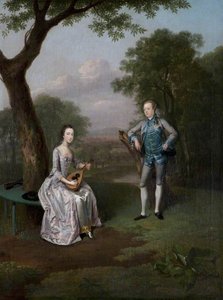
In the quiet elegance of eighteenth-century English portraiture, few genres capture the intimacy of domestic life as gracefully as the conversation piece. Arthur William Devis, a master of this subtle and sophisticated style, invites us into a private moment with his evocative work, John Orde, His Wife Anne, And His Eldest Son William. This painting is far more than a mere record of faces; it is a carefully choreographed tableau of status, lineage, and familial affection. As we gaze upon the scene, we are transported to an era where every gesture, every garment, and every object within a room served as a silent narrator of one's social standing and character.
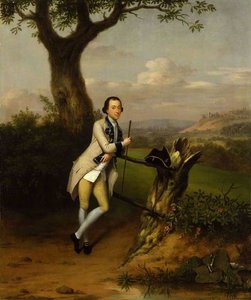
The composition centers on the Orde family, anchored by John Orde, whose presence is marked by the dignified authority of his blue uniform. Holding a gun, he embodies the landed gentleman—a man of action and responsibility, yet one who remains deeply rooted in the domestic sphere. Beside him stands his wife, Anne, whose poised demeanor provides a soft, maternal counterpoint to his structured military silhouette. The inclusion of their eldest son, William, alongside other figures in the periphery, creates a sense of continuity and legacy, suggesting that the strength of the family unit is the foundation upon which their world is built.
The Artistry of Atmosphere and Detail
Devis employs a technique characterized by a gentle, meticulous hand, focusing on the interplay of light and texture to breathe life into the room. The artist’s ability to render the heavy fabrics of the uniforms, the delicate skin tones of the children, and the reflective surfaces of the household objects is nothing short of masterful. Notice how the light falls across the scene, illuminating the foreground figures while allowing the background elements—the stately chairs, the ornate vases, and the ticking clock on the wall—to recede into a soft, atmospheric depth. This use of light does not merely illuminate; it creates a sense of warmth and temporal stillness, as if we have stumbled upon a fleeting moment of peace during a formal gathering.
For the discerning collector or interior designer, this piece offers an unparalleled opportunity to introduce a sense of historical weight and classical sophistication into a contemporary space. The subtle color palette, dominated by deep blues, warm earth tones, and soft creams, allows the painting to serve as a commanding focal point without overwhelming its surroundings. It is a work that rewards close inspection, revealing new layers of narrative with every glance—from the symbolic presence of the clock, reminding us of the passage of time, to the decorative vases that suggest a life of cultivated taste and refinement.
A Timeless Legacy for the Modern Collector
To possess a reproduction of such a work is to bring a piece of English heritage into one's home. Devis’s ability to blend the formal requirements of portraiture with the emotional warmth of a family gathering makes this painting an enduring masterpiece. It evokes a sense of nostalgia for a period of structured elegance, making it an ideal selection for those looking to add depth, storytelling, and a touch of old-world grandeur to their art collection. Whether placed in a sunlit library or a formal dining room, this painting serves as a window into a vanished world, offering a permanent connection to the grace and dignity of the eighteenth century.
Related Artworks
Artist Biography
Arthur William Devis (1762–1822): The Gentle Hand of Portraiture and History
Arthur William Devis (19 February 1712 – 25 July 1787) was an English painter whose father, Anthony, was progenitor of what became a family dynasty of painters and writers. The place of Arthur Devis in art history is generally as painter of the type of portrait now called a conversation piece. After moving to London and apprenticeship to a Flemish topographical artist there, he switched to portraiture and acquired a considerable reputation, although this success did not last. Unable to adapt to later fashionable artistic currents, his commissions declined and his work was largely forgotten after his death until the 20th century revival of interest in the conversation piece.- Early Life & Training: Devis’s artistic talent emerged early on, fueled by a familial legacy steeped in artistic tradition. Following in the footsteps of his elder brother Thomas Anthony Devis, who was also a painter, he enrolled at the Royal Academy Schools in 1774, immersing himself in the rigorous training demanded by the era's leading artistic institution. His formative years were marked by exposure to influential figures like Sir Joshua Reynolds, whose teachings profoundly shaped Devis’s stylistic sensibilities.
- Notable Commissions & Travels: Devis gained recognition through his membership in the Free Society of Artists and continued to exhibit his work at the Royal Academy, attracting considerable acclaim. A pivotal moment arrived in 1783 when he was appointed as draughtsman on the British East India Company’s packet antelope under Captain Henry Wilson. Tragically, Devis suffered a serious injury during an encounter with Papuans near the Schouten Islands and subsequently endured a shipwreck on the Pelw islands—challenges that nevertheless spurred him to persevere in his artistic endeavors.
Style & Technique: The Delicate Stroke of Elegance
Devis’s artistic style is characterized by an exquisite sensitivity to detail and a masterful command of technique, particularly evident in his portraits. He favored graceful poses—often depicting subjects in moments of quiet contemplation—creating images imbued with understated beauty and psychological depth. His palette tended towards muted tones, reflecting the prevailing aesthetic preferences of the late 18th century, yet he achieved remarkable luminosity through careful layering of glazes and subtle gradations of color. Devis’s meticulous observation of anatomy combined seamlessly with an intuitive understanding of human expression, resulting in portraits that captured not only physical likeness but also inner character.- Conversation Pieces: Devis excelled at capturing the essence of domestic life through “conversation pieces”—genre paintings depicting scenes of familial gatherings or intimate interiors—a style highly valued during his time.
- Historical Subjects: Beyond portraiture, Devis undertook ambitious historical commissions, notably the depiction of Nelson’s death and a posthumous portrait honoring Admiral Horatio Nelson.
Significant Works & Legacy
Devis produced an impressive oeuvre encompassing approximately sixty-five paintings that graced the Royal Academy galleries between 1779 and 1821, cementing his reputation as one of London’s foremost artists. Among his most celebrated achievements include:- Portrait of Sir William Jones: This masterpiece resides at the British Library, showcasing Devis's exceptional skill in capturing dignified composure and intellectual curiosity.
- Nelson Portraits: His depictions of Nelson—both as Vice Admiral and posthumously—remain iconic representations of naval heroism and national pride.
- Other Notable Commissions: He undertook commissions for prominent figures such as King George III on horseback, Lord Howe, and Sir Roger Newdigate, demonstrating his versatility and artistic ambition.
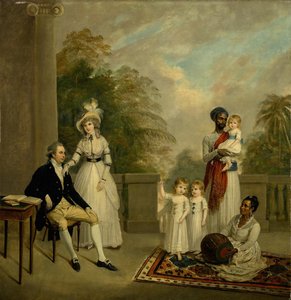
arthur william devis
1712 - 1787 , United Kingdom
Quick Facts
- Artistic Movement Or Style: Portraiture; History Painting
- Artists Or Movements Influenced By This Artist: ['Conversation Piece']
- Artists Who Influenced This Artist: ['Joshua Reynolds']
- Date Of Birth: August 10, 1762
- Date Of Death: July 25, 1822
- Full Name: Arthur William Devis
- Nationality: English
- Notable Artworks:
- Death of Nelson
- Nelson Portraits
- Master Simpson
- King George III on Horseback
- Babington Plot
- Magna Carta
- Place Of Birth: London, United Kingdom
Related Articles
Slate Blue Masterpieces: 10 Iconic Paintings & Timeless Home Decor Ideas
Immerse yourself in the captivating world of slate blue! Explore 10 iconic paintings by Monet, Van Gogh & Renoir. Discover their stories, techniques & find museum-quality art reproductions for your home at .
The Enduring Legacy of Family Portraiture: A Historical & Artistic Exploration
Explore the rich history of family portraiture with ArtsDot. Discover artistic styles, symbolism & collecting insights. Commission a custom oil painting or appraise your existing artwork today!
The Allure of Azure: Exploring the Symbolic & Aesthetic Depths of Blue in Art History
Explore the rich history of blue in art! Discover its symbolism, from ancient pigments to modern masterpieces by Kandinsky & Seurat. Uncover the psychological impact and cultural meanings behind this captivating hue.
Azure Visions: Exploring Representations of the Blue Dress in Western Art History
Explore the rich history of the blue dress in Western art! Discover its symbolism, from Renaissance masterpieces to modern interpretations by artists like Martin & Schiele. Uncover cultural meanings and artistic techniques.
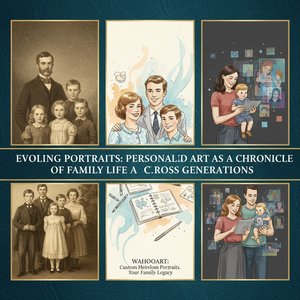
Evolving Portraits: Personalized Art as a Chronicle of Family Life Across Generations
Create a timeless family legacy with custom portraits! ArtsDot connects you with skilled artists for heirloom-quality paintings & prints. Explore styles, commission your unique artwork today.