 Preview
 Send
Send Share
Share
 Details

 Download
 Similars
 X-Ray
X-Ray Diaporama
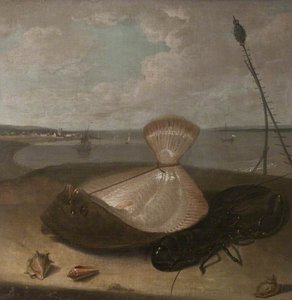
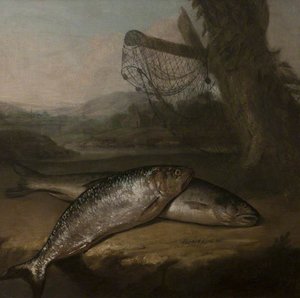
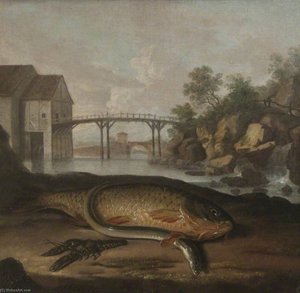
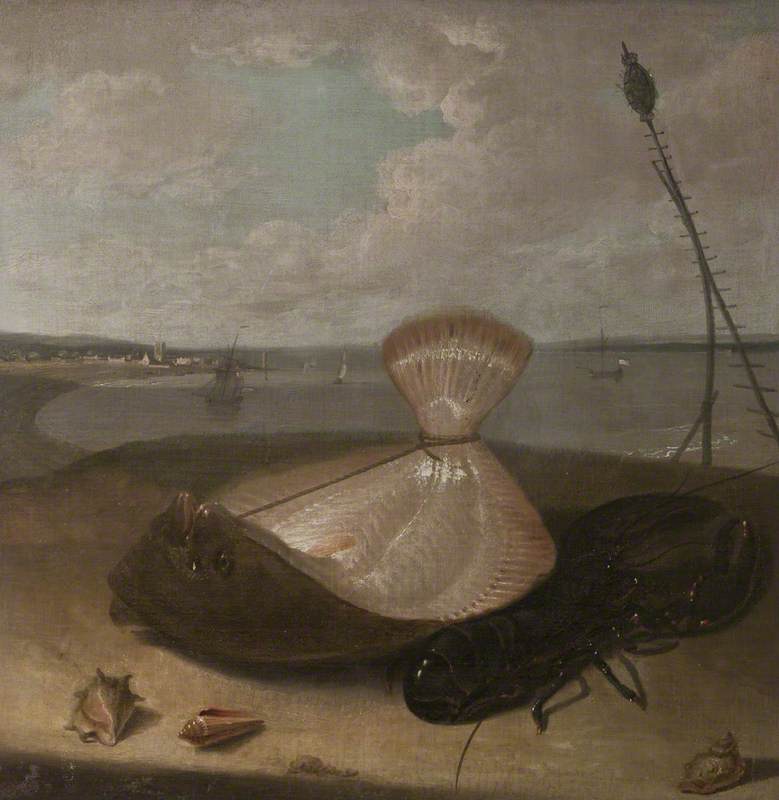
Turbot, Lobster and Sea Shells, in the Thames Estuary ( )
 Oil On Canvas
- WallArt
- Northern Renaissance
 1772
1772 54.0 x 54.0 cm
 National Trust
 Read More
Hand Made Oil Reproduction
Hand-painted oil on canvas in your size and frame, made to order by our artists. ( Buy Print Buy Image)




P118B $10

P118H $10

P118W $10

P438Z $10

P508JH $12

P508YH $12

P805H $10

P805Z $10

P919BZ $10

P919G $10

P919XJ $10

P959ZH $10

P968JZ $12

W106C $8

W218G $10

W218JH $8

W218Y $10

W307PJ $10

W316G $10

W316PJ $8

W316Y $10

W398PJ $8

W4111J $10

W500HY $15

W500JH $15

W692G $12

W849H $8

W940BG $15

W953PJ $8




Pick from our preset sizes that match the artwork's original proportions.

You may enter your own dimensions to fit a specific frame or space. If your selected size does not match the original image's proportions, we will either crop the artwork or extend the painting with additional hand-painted elements. A digital mockup will be sent for your approval before production begins.
Please note that the on-screen preview does not reflect the actual cropping or extension. Only the mockup will accurately show the final composition.
While custom sizes are available, we recommend selecting a dimension from the predefined list to preserve the original proportions.
After order, ArtsDot.com team will email client for instructions and provide a mockup preview
Worldwide Delivery () in 3/4 weeks instead of standard 5 weeks. (17 August). No compromise on quality.

Free Worldwide Express Shipping

High-Quality Linen Canvas

Full Shipping Insurance

Customs Tax Refund Guarantee

True Color Matching Guarantee

60-Day Return Policy (Defects Only)

100% Money-Back Guarantee

Bulk Discount Offer
 Glass option is only available in size under 110 CM

Turbot, Lobster and Sea Shells, in the Thames Estuary ( )
Reproduction Medium
Reproduction Size
-


Total Price
$ 263
Artwork Description
A Thames Estuary Reverie: Devis’s “Turbot, Lobster and Sea Shells”
Arthur William Devis's "Turbot, Lobster and Sea Shells, in the Thames Estuary" is more than a simple depiction of a coastal scene; it’s a meticulously crafted tableau brimming with quiet observation and subtle symbolism. Painted in 1772, during a period of burgeoning artistic interest in capturing everyday life – a trend known as the conversation piece – this work offers a serene glimpse into the heart of London's maritime world. The painting transports us to the Thames Estuary, not with dramatic storms or bustling activity, but with a contemplative stillness that invites the viewer to linger and contemplate the scene’s quiet beauty. Devis masterfully employs a muted palette of greys, browns, and blues, reflecting the atmospheric conditions of a cloudy day over the water. The brushstrokes are delicate yet confident, creating a sense of texture in the ripples of the water and the rough surfaces of the shells scattered across the foreground. It’s a testament to Devis's skill that he manages to evoke such a strong sense of place with such understated elegance.The Artist and His Context
Arthur William Devis (1762–1787) was a pivotal figure in the development of English portraiture, though his career often felt somewhat overshadowed by more flamboyant contemporaries. Born into an artistic lineage – his father, Anthony Devis, was a respected topographical painter – Arthur inherited a deep appreciation for observation and detail. His early training under Flemish artists instilled in him a rigorous approach to technique, while his later years were marked by a growing interest in capturing the nuances of English life. The painting’s creation coincided with a period of significant social and political change in Britain, as the nation grappled with the aftermath of the American Revolution and the rise of industrialization. Devis's work reflects this shifting landscape, offering a nostalgic glimpse into a world on the cusp of transformation. His decision to focus on a relatively commonplace subject – a coastal scene teeming with marine life – speaks to a desire to find beauty in the ordinary, a theme that resonated deeply with his artistic sensibilities.A Symphony of Symbolism
Beyond its aesthetic appeal, “Turbot, Lobster and Sea Shells” is rich in symbolic meaning. The prominent turbot itself, a prized fish known for its delicate flavor, represents abundance and prosperity – a reflection of the Thames Estuary’s importance as a source of sustenance for Londoners. The lobster, often associated with luxury and exoticism, adds an element of intrigue to the composition, suggesting a connection between the local and the distant. Scattered amongst these marine treasures are various seashells, each carrying its own unique history and evoking memories of voyages and exploration. These shells aren’t merely decorative elements; they represent the enduring legacy of the sea, connecting the present moment with centuries of maritime tradition. The inclusion of boats in the water further emphasizes this connection to trade and commerce, highlighting the vital role that the Thames Estuary played in shaping London's identity.Technique and Legacy
Devis’s masterful use of light and shadow is particularly noteworthy. He employs a technique known as chiaroscuro – the dramatic contrast between light and dark – to create a sense of depth and atmosphere, drawing the viewer’s eye into the heart of the scene. The subtle gradations of tone suggest the play of sunlight on the water's surface, while the darker areas hint at the mysteries hidden beneath the waves. This careful attention to detail is further evident in his rendering of the marine life – the turbot’s scales shimmer with an almost iridescent quality, and the shells are depicted with remarkable precision. “Turbot, Lobster and Sea Shells” ultimately stands as a testament to Devis's artistic skill and his ability to capture the essence of a particular moment in time. It is a painting that rewards careful observation and invites repeated viewing, revealing new layers of meaning with each encounter. Its quiet beauty continues to resonate today, offering a poignant reminder of the enduring connection between humanity and the natural world.Related Artworks

Artist Biography
Arthur William Devis (1762–1822): The Gentle Hand of Portraiture and History
Arthur William Devis (19 February 1712 – 25 July 1787) was an English painter whose father, Anthony, was progenitor of what became a family dynasty of painters and writers. The place of Arthur Devis in art history is generally as painter of the type of portrait now called a conversation piece. After moving to London and apprenticeship to a Flemish topographical artist there, he switched to portraiture and acquired a considerable reputation, although this success did not last. Unable to adapt to later fashionable artistic currents, his commissions declined and his work was largely forgotten after his death until the 20th century revival of interest in the conversation piece.- Early Life & Training: Devis’s artistic talent emerged early on, fueled by a familial legacy steeped in artistic tradition. Following in the footsteps of his elder brother Thomas Anthony Devis, who was also a painter, he enrolled at the Royal Academy Schools in 1774, immersing himself in the rigorous training demanded by the era's leading artistic institution. His formative years were marked by exposure to influential figures like Sir Joshua Reynolds, whose teachings profoundly shaped Devis’s stylistic sensibilities.
- Notable Commissions & Travels: Devis gained recognition through his membership in the Free Society of Artists and continued to exhibit his work at the Royal Academy, attracting considerable acclaim. A pivotal moment arrived in 1783 when he was appointed as draughtsman on the British East India Company’s packet antelope under Captain Henry Wilson. Tragically, Devis suffered a serious injury during an encounter with Papuans near the Schouten Islands and subsequently endured a shipwreck on the Pelw islands—challenges that nevertheless spurred him to persevere in his artistic endeavors.
Style & Technique: The Delicate Stroke of Elegance
Devis’s artistic style is characterized by an exquisite sensitivity to detail and a masterful command of technique, particularly evident in his portraits. He favored graceful poses—often depicting subjects in moments of quiet contemplation—creating images imbued with understated beauty and psychological depth. His palette tended towards muted tones, reflecting the prevailing aesthetic preferences of the late 18th century, yet he achieved remarkable luminosity through careful layering of glazes and subtle gradations of color. Devis’s meticulous observation of anatomy combined seamlessly with an intuitive understanding of human expression, resulting in portraits that captured not only physical likeness but also inner character.- Conversation Pieces: Devis excelled at capturing the essence of domestic life through “conversation pieces”—genre paintings depicting scenes of familial gatherings or intimate interiors—a style highly valued during his time.
- Historical Subjects: Beyond portraiture, Devis undertook ambitious historical commissions, notably the depiction of Nelson’s death and a posthumous portrait honoring Admiral Horatio Nelson.
Significant Works & Legacy
Devis produced an impressive oeuvre encompassing approximately sixty-five paintings that graced the Royal Academy galleries between 1779 and 1821, cementing his reputation as one of London’s foremost artists. Among his most celebrated achievements include:- Portrait of Sir William Jones: This masterpiece resides at the British Library, showcasing Devis's exceptional skill in capturing dignified composure and intellectual curiosity.
- Nelson Portraits: His depictions of Nelson—both as Vice Admiral and posthumously—remain iconic representations of naval heroism and national pride.
- Other Notable Commissions: He undertook commissions for prominent figures such as King George III on horseback, Lord Howe, and Sir Roger Newdigate, demonstrating his versatility and artistic ambition.
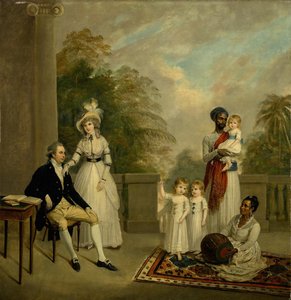
arthur william devis
1712 - 1787 , United Kingdom
Quick Facts
- Artistic Movement Or Style: Portraiture; History Painting
- Artists Or Movements Influenced By This Artist: ['Conversation Piece']
- Artists Who Influenced This Artist: ['Joshua Reynolds']
- Date Of Birth: August 10, 1762
- Date Of Death: July 25, 1822
- Full Name: Arthur William Devis
- Nationality: English
- Notable Artworks:
- Death of Nelson
- Nelson Portraits
- Master Simpson
- King George III on Horseback
- Babington Plot
- Magna Carta
- Place Of Birth: London, United Kingdom
Related Articles
Arthur William Devis: A Provincial Eye on Georgian Life & Naval History
Explore the life & work of Arthur William Devis (1762-1822), a key figure in Georgian portraiture and naval history painting. Discover his intimate 'conversation pieces' and captivating depictions of colonial India. Learn more at ArtsDot.
Arthur Hughes: Pre-Raphaelite Visions of Beauty & Melancholy
Explore the captivating world of Arthur Hughes (1832-1915), a leading Pre-Raphaelite painter. Discover his dreamy landscapes, poetic narratives & iconic Victorian artworks. Learn about his life, style & collecting today.
Arthur Dove: Pioneering American Abstraction & the Poetic Language of Modernism
Explore the groundbreaking work of Arthur Dove, a pioneer of American abstraction. Discover his artistic evolution, influences, and investment potential with ArtsDot's expert guide.

Arthur Stockdale Cope: A Study in American Impressionism & Rural Life's Poetics
Explore the life & work of Arthur Stockdale Cope, a prominent British portraitist influenced by American Impressionism. Discover his captivating rural landscapes and royal commissions at ArtsDot.
Arthur Lismer: A Pioneer of Canadian Modernism & the Group of Seven's Visionary Spirit
Explore the life & art of Arthur Lismer, a pivotal figure in Canadian Modernism and founding member of the Group of Seven. Discover his landscapes, teaching legacy & lasting influence on Canadian art history.