 Preview
 Send
Send Share
Share
 Details

 Download
 Similars
 X-Ray
X-Ray Diaporama
 Stats
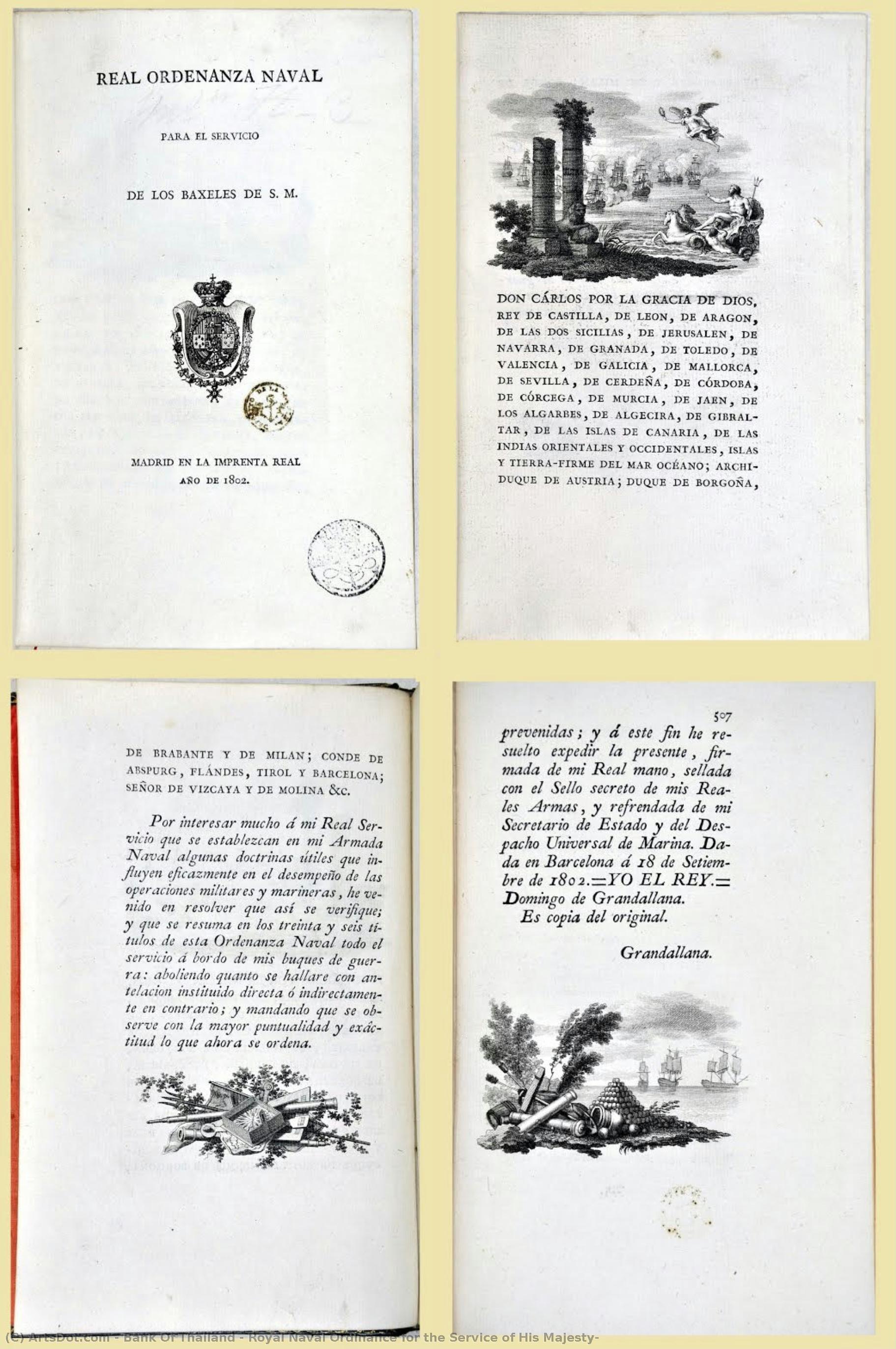
StatsRoyal Naval Ordinance for the Service of His Majesty


 Read More
Hand Made Oil Reproduction
Hand-painted oil on canvas in your size and frame, made to order by our artists. ( Switch to Print Switch to Digital Image)




































Pick from our preset sizes that match the artwork's original proportions.

You may enter your own dimensions to fit a specific frame or space. If your selected size does not match the original image's proportions, we will either crop the artwork or extend the painting with additional hand-painted elements. A digital mockup will be sent for your approval before production begins.
Please note that the on-screen preview does not reflect the actual cropping or extension. Only the mockup will accurately show the final composition.
While custom sizes are available, we recommend selecting a dimension from the predefined list to preserve the original proportions.
After order, ArtsDot.com team will email client for instructions and provide a mockup preview
Worldwide Delivery () in 3/4 weeks instead of standard 5 weeks. (9 September). No compromise on quality.

Free Worldwide Express Shipping

High-Quality Linen Canvas

Full Shipping Insurance

Customs Tax Refund Guarantee

True Color Matching Guarantee

100-Day Return Policy (Defects Only)

100% Money-Back Guarantee

Bulk Discount Offer
 Glass option is only available in size under 110 CM

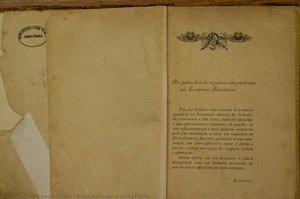
Royal Naval Ordinance for the Service of His Majesty
Reproduction Medium
Reproduction Size
-


Total Price
$ 263
Related Artworks
![Histoire De La Peinture En Italie. Par M.b.a.a. [...]. — Marie-henri Beyle](/media/artworks/images-thumb/80/19/8019d25636c0f1db7c125d2a62b90df6.jpg)
Artist Biography
The Royal Legacy of Thai Currency: A History Etched in Wood
The Bank of Thailand, often referred to as “royal printing” due to its historical and continuing role as the sole issuer of Thai currency, represents far more than a financial institution. Founded in 1942, it embodies centuries of artistic tradition interwoven with the practical demands of economic stability. While seemingly focused on monetary policy today, the Bank’s origins are deeply rooted in Thailand's rich cultural heritage, specifically its mastery of woodblock printing—a technique that predates even the establishment of the modern nation-state by nearly two millennia. To understand the baht is to glimpse into the soul of Thailand itself, a narrative told not through paint and canvas but through meticulously carved wood and enduring symbols of national identity.From Ancient Roots to Modern Production
The story begins long before the Bank’s formal inception. Woodblock printing arrived in Thailand—then known as Siam—around 220 AD, becoming the dominant method for reproducing texts and images throughout much of East Asia until the advent of more modern technologies in the 19th century. This wasn't merely a functional process; it was an art form demanding exceptional skill and patience. Artisans would painstakingly carve intricate designs into wooden blocks, leaving raised areas to be inked and transferred onto paper. The Bank of Thailand inherited this tradition, initially adopting woodblock printing for the production of banknotes—a practice that continues even today, albeit alongside more contemporary methods. This commitment to a time-honored technique speaks volumes about the nation’s reverence for its artistic past and a desire to maintain a tangible connection to its cultural roots. The early baht notes weren't simply instruments of commerce; they were miniature works of art, reflecting the aesthetic sensibilities of the era.Symbolism Woven into Every Note
The designs featured on Thai banknotes are not arbitrary. They are carefully chosen to represent key aspects of Thai history, religion, and national pride. The Royal Naval Ordinance for the Service of His Majesty’s Vessels, a historical document printed by the Bank, exemplifies this dedication to preserving cultural memory. Beyond specific documents, depictions of revered monarchs, significant temples like Wat Arun (the Temple of Dawn), and scenes from traditional ceremonies are commonplace. These images serve as powerful reminders of Thailand's unique identity and its enduring spiritual values. The choice of imagery is also deeply symbolic; for example, the Suphannahongse Royal Barge, often featured on banknotes, represents the power and majesty of the Thai monarchy and the importance of waterways in the nation’s history. Each element is imbued with meaning, transforming a simple banknote into a visual narrative of Thailand's collective past.The Bank as Guardian of Tradition
The Bank of Thailand doesn’t simply *produce* currency; it acts as a custodian of artistic heritage. The meticulous process of woodblock printing requires highly skilled artisans, ensuring the continuation of this ancient craft. While modern security features are integrated into banknote production, the fundamental principles of woodblock printing remain central to the process. This blend of tradition and innovation is characteristic of the Bank’s approach—a commitment to preserving cultural identity while adapting to the demands of a rapidly changing world. The institution also plays an active role in promoting awareness of Thai art and history through initiatives like the Bank of Thailand Museum, which houses a remarkable collection of ancient currencies and coins, offering visitors a glimpse into the evolution of Thai monetary culture.A Global Currency with Local Roots
Today, the baht ranks among the world’s most frequently used payment currencies—a testament to Thailand's growing economic influence on the global stage. However, despite its international prominence, the currency remains deeply connected to its cultural origins. The intricate designs, the enduring use of woodblock printing, and the symbolic imagery all serve as powerful reminders of Thailand's unique identity. The Bank of Thailand, therefore, represents a fascinating intersection of finance, art, and history—a legacy etched in wood that continues to shape the nation’s economic and cultural landscape. It is a story of how tradition can not only survive but thrive in the face of modernization, becoming an integral part of a currency's very essence.
bank of thailand
1942 - , Thailand
Quick Facts
- Artistic Movement Or Style: Woodblock printing
- Current Status: Living
- Date Of Birth: 1942
- Full Name: Bank of Thailand
- Nationality: Thai
- Notable Artworks:
- Royal Naval Ordinance
- Thai Currency Design
- Place Of Birth: Bangkok, Thailand
Related Articles

Echoes of Revolution & Romanticism: Navigating 19th-Century Art Styles
Explore the diverse world of 19th-century art! From Realism's rebellion to Impressionism’s light and beyond, discover key movements, artists & collecting tips. Expert insights for classic enthusiasts.

Thomas George Webster: Navigating Genre Boundaries & American Identity in 19th-Century Landscape Painting
Explore the captivating genre scenes of Thomas George Webster, a Victorian painter bridging British traditions with American themes. Discover his style, influences & legacy in 19th-century art history.

John Wilson Carmichael: Evoking Scottish Identity Through Dramatic Marine Painting
Explore the dramatic marine paintings of John Wilson Carmichael (1800-1868), a Victorian master renowned for his realistic seascapes and historical naval scenes. Discover his life, style & available hand-painted reproductions at ArtsDot.

William Henry Pyne: A Topographical Vision of Early 19th-Century England – Art, Society & Watercolour's Rise
Explore the captivating world of William Henry Pyne (1769-1843), a key figure in early 19th-century English art. Discover his stunning watercolours, architectural studies & contribution to the rise of watercolour painting. Learn about this fascinating artist's life and legacy.
19th Century Masterpieces: 10 Paintings That Defined an Era | ArtsDot
Journey through 19th century art with ArtsDot! Explore 10 iconic paintings – from Monet & Renoir to Courbet – and discover the stories behind Romanticism, Realism & Impressionism. Find museum-quality reproductions for your home decor. Explore the full collection online!