Preview
 Send
Send Share
Share
 Details

 Download
 Similars
 X-Ray
X-Ray Diaporama
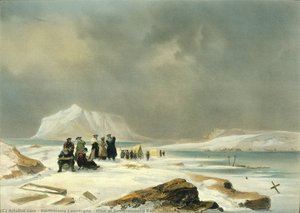
View of Smeeremburg Bay, Spitzbergen
 Print
Print- WallArt
 1852
1852- 19th Century
 26.0 x 36.0 cm
 Nordnorsk Kunstmuseum
 Read More
Hand Made Oil Reproduction
Hand-painted oil on canvas in your size and frame, made to order by our artists. ( Buy Print Buy Image)




P118B $10

P118H $10

P118W $10

P438Z $10

P508JH $12

P508YH $12

P805H $10

P805Z $10

P919BZ $10

P919G $10

P919XJ $10

P959ZH $10

P968JZ $12

W106C $8

W218G $10

W218JH $8

W218Y $10

W307PJ $10

W316G $10

W316PJ $8

W316Y $10

W398PJ $8

W4111J $10

W500HY $15

W500JH $15

W692G $12

W849H $8

W940BG $15

W953PJ $8




Pick from our preset sizes that match the artwork's original proportions.

You may enter your own dimensions to fit a specific frame or space. If your selected size does not match the original image's proportions, we will either crop the artwork or extend the painting with additional hand-painted elements. A digital mockup will be sent for your approval before production begins.
Please note that the on-screen preview does not reflect the actual cropping or extension. Only the mockup will accurately show the final composition.
While custom sizes are available, we recommend selecting a dimension from the predefined list to preserve the original proportions.
After order, ArtsDot.com team will email client for instructions and provide a mockup preview
Worldwide Delivery () in 3/4 weeks instead of standard 5 weeks. (28 August). No compromise on quality.

Free Worldwide Express Shipping

High-Quality Linen Canvas

Full Shipping Insurance

Customs Tax Refund Guarantee

True Color Matching Guarantee

60-Day Return Policy (Defects Only)

100% Money-Back Guarantee

Bulk Discount Offer
 Glass option is only available in size under 110 CM

View of Smeeremburg Bay, Spitzbergen
Reproduction Medium
Reproduction Size
-


Total Price
$ 263
A Frozen Moment in Time: The Majesty of Smeeremburg Bay
In the quiet, biting chill of 1852, Barthélemy Lauvergne captured more than just a landscape; he immortalized a profound sense of human connection within the vast, indifferent grandeur of the Arctic. View of Smeeremburg Bay, Spitzbergen invites the viewer to step onto a frost-dusted shore, where the air feels heavy with the scent of salt and ice. The painting presents a delicate balance between the monumental scale of the Spitsbergen wilderness and the intimate, shared experience of a group of travelers. As we gaze upon this scene, we are not merely observers of a distant geography, but participants in a moment of quiet awe, standing alongside those figures who pause to contemplate the icy horizon.
The composition is masterfully orchestrated to guide the eye through a narrative of exploration and camaraderie. In the foreground, a small assembly of at least twelve individuals gathers near the water's edge, their presence providing a vital sense of scale against the sprawling fjord. Some figures are clustered closely, perhaps sharing warmth or whispered observations, while others stand more solitary, lost in the sheer magnitude of the landscape. The inclusion of a discarded backpack and the presence of two boats resting upon the water suggest a temporary pause in a much larger journey—a fleeting breath of rest amidst the rigors of Arctic navigation. This subtle storytelling transforms the piece from a mere topographical study into a living chronicle of human endurance and curiosity.
Technique, Atmosphere, and the Romantic Spirit
Lauvergne, a master of maritime and landscape painting, utilizes a palette that perfectly evokes the atmospheric tension of a cloudy, wintry day. The sky, heavy with thick, textured clouds, casts a soft, diffused light across the scene, eliminating harsh shadows and replacing them with a melancholic, silvery glow. This technique creates a seamless integration between the sea, the land, and the heavens, wrapping the entire bay in a unified, ethereal shroud. The brushwork, while precise enough to capture the details of the figures and the distant vessels, possesses a painterly fluidity that allows the mist and the cold air to feel almost tangible to the viewer.
For the discerning collector or interior designer, this artwork offers a sophisticated emotional depth that transcends simple decoration. It embodies the Romantic era's fascination with the sublime—the concept of finding beauty in the overwhelming and sometimes terrifying power of nature. The painting does not shy away from the cold; rather, it celebrates the warmth found in human companionship when faced with the elements. Whether placed in a grand library or a contemporary living space, this reproduction serves as a window into a bygone era of discovery, providing a focal point that inspires contemplation, peace, and a deep respect for the untamed corners of our world.
Related Artworks

Artist Biography
Charles Gough: A Romantic Martyr of the Lake District
The story of Charles Gough is a haunting one, inextricably linked to the dramatic beauty and perilous landscapes of the English Lake District. Born in 1784, Gough’s life was tragically cut short in April 1805 while attempting a treacherous ascent of Helvellyn, a mountain peak that would forever become synonymous with his untimely demise. While initially dismissed as a mere accident, Gough's death quickly evolved into a potent symbol within the burgeoning Romantic movement, transforming him from an unknown artist into a romantic martyr – a figure embodying both daring adventure and profound artistic sensitivity.
Gough’s early life offers little in the way of biographical detail. He was described as a “venturesome person,” prone to taking risks and possessing a restless spirit. He had been contracted by a local artist, likely John Ruskin (though details are scarce), to create copies of existing drawings from the area – a task that undoubtedly fueled his fascination with the rugged terrain and captivating vistas of the Lake District. However, it was his independent artistic pursuits, coupled with an undeniable romantic sensibility, that ultimately led him to challenge the formidable heights of Helvellyn. The circumstances surrounding his decision to undertake this perilous climb remain shrouded in mystery; some accounts suggest a desire for notoriety, while others point to a yearning for connection with nature and a reflection of his own inner turmoil.
On April 17th, 1805, Gough set out from Grasmere, accompanied by his dog, Foxie. The ascent of Striding Edge, a narrow, exposed ridge along Helvellyn’s summit, proved to be fatal. Three months later, on July 27th, a shepherd discovered the skeletal remains of Gough and his loyal companion near Red Tarn – a small lake nestled at the foot of the mountain. The scene was described with unsettling detail in local newspapers: Foxie had not only survived the ordeal but had also given birth to a puppy, which tragically perished shortly after its mother. The discovery of Gough’s hat, split in two, further fueled speculation about the manner of his fall – suggesting a violent and abrupt descent.
Gough's death quickly transcended a simple tragedy; it became a powerful narrative within the Romantic imagination. Poets like William Wordsworth and Samuel Taylor Coleridge seized upon the story, transforming Gough into an emblem of youthful idealism, reckless courage, and artistic passion. The image of the young artist lost to the unforgiving beauty of nature resonated deeply with the movement’s core themes – exploring the sublime, confronting mortality, and celebrating the power of emotion. The sensationalized accounts in the press, particularly the detail about Foxie's actions, added a layer of macabre fascination to the story, cementing Gough’s place as an iconic figure within Romantic literature and art.
Influences and Artistic Style
While Charles Gough’s artistic output remains remarkably limited – only a handful of his works are known to survive – it's clear that he was influenced by several key artistic currents. His style bears similarities to Jean-Baptiste Greuze, a prominent French painter known for his emotionally charged genre scenes depicting domestic life and moral dilemmas. Like Greuze, Gough focused on portraying human relationships and exploring themes of love, loss, and social commentary, albeit within the dramatic context of the Lake District.
Furthermore, Gough’s work reflects the broader trends of the early Romantic movement. He shared with other Romantic artists a fascination with nature's power and beauty, as well as an interest in exploring intense emotions and subjective experiences. The rugged landscapes of the Lake District provided a dramatic backdrop for his paintings, allowing him to capture the sublime – that sense of awe and terror inspired by the vastness and grandeur of nature.
Interestingly, Gough’s artistic training appears to have been somewhat unconventional. While he likely received some formal instruction, he seems to have largely self-taught, developing a distinctive style characterized by loose brushwork, expressive color palettes, and a focus on capturing fleeting moments of emotion. His paintings often feature dynamic compositions and dramatic lighting effects, contributing to their overall sense of intensity and emotional impact.
The Mythologization of Gough
Following his death, Charles Gough’s story underwent a remarkable transformation – a process known as mythologization. Initially viewed simply as a tragic accident, his demise was quickly imbued with romantic symbolism by poets and artists who recognized its potential to capture the spirit of the age. Wordsworth, in particular, wrote elegies dedicated to Gough, elevating him to the status of a heroic figure—a martyr for artistic ideals.
This mythologization extended beyond literature; it influenced visual art as well. Artists began depicting Gough’s death and his encounter with nature in increasingly dramatic and symbolic ways. The image of the young artist lost on Helvellyn became a recurring motif in Romantic paintings, representing themes of youthful ambition, the perils of adventure, and the ultimate triumph of beauty over mortality.
The story of Gough's death was deliberately embellished and romanticized, transforming him into an almost mythical figure. The details surrounding his demise—the split hat, Foxie’s actions, and the discovery of the skeletal remains—were amplified and sensationalized, contributing to the enduring fascination with this tragic tale.
Legacy and Historical Significance
Charles Gough's legacy is complex and multifaceted. Initially overlooked as a minor artist, he has since been recognized as an important figure within the Romantic movement – not for his artistic output alone, but for the powerful narrative surrounding his death. His story serves as a poignant reminder of the era’s fascination with adventure, emotion, and the sublime.
Gough's mythologization highlights the ways in which art can shape historical memory and influence cultural perceptions. His image has become inextricably linked to the Lake District, symbolizing both its breathtaking beauty and its inherent dangers. The story of Charles Gough continues to resonate today, serving as a testament to the enduring power of Romantic ideals and the captivating allure of a tragic tale.
Furthermore, Gough’s case offers a valuable insight into the dynamics of artistic recognition and the role of patronage in shaping an artist's career. His initial lack of fame underscores the challenges faced by artists during the early Romantic period, particularly those who operated outside established academic circles.

barthélemy lauvergne
1805 - 1871 , France
Quick Facts
- Artistic Movement Or Style: Romanticism
- Artists Who Influenced This Artist: ['None],\n "Artists or movements influenced by this artist": [Jean-Baptiste Greuze']
- Date Of Birth: 1784
- Date Of Death: April 1805
- Full Name: Charles Gough
- Nationality: English
- Notable Artworks:
- Striding Edge
- Helvellyn
- Red Tarn
- Place Of Birth: Manchester, England
Related Articles
Snowy Masterpieces: 10 Famous Paintings & Art for a Winter Aesthetic
Explore 10 famous snow paintings by Monet, Degas & more! Discover the stories behind these serene winter landscapes and iconic artworks. Find museum-quality art reproductions for your home at ArtsDot.com.
Fitz Henry Lane: Luminosity, Landscape & the American Maritime Tradition – A Collector’s Insight
Explore the luminous world of Fitz Henry Lane, a master of American maritime painting & Luminism. Discover his legacy, techniques, and investment potential for discerning art collectors. Expert insights at ArtsDot.
Samuel Walters: Capturing Victorian Maritime Life with Precision & Artistry
Explore the exquisite maritime paintings of Samuel Walters (1811-1882). Discover his mastery of detail, historical scenes & influence on Victorian art. Learn about collecting his works and find high-quality reproductions at ArtsDot.
Abraham Hulk Senior: Pioneering Maritime Topography of the Dutch Golden Age
Explore the captivating seascapes of Abraham Hulk Senior, a leading Anglo-Dutch marine painter of the 19th century. Discover his signature style, family legacy & collectable artworks at ArtsDot.
Willem van de Velde the Elder: Master of Maritime Painting & Chronicler of the Dutch Golden Age
Discover the captivating maritime paintings of Willem van de Velde the Elder, a master chronicler of the Dutch Golden Age. Explore his unparalleled realism and lasting influence on naval art history.