 Preview
 Send
Send Share
Share
 Details

 Download
 Similars
 X-Ray
X-Ray Diaporama
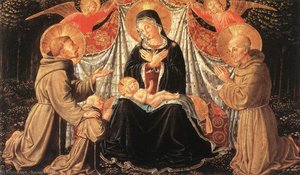
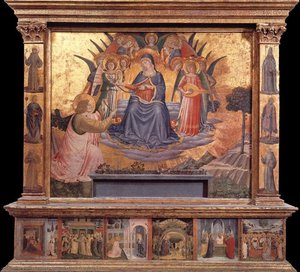
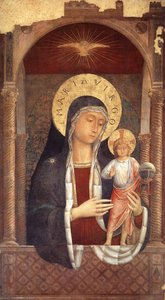
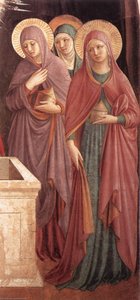
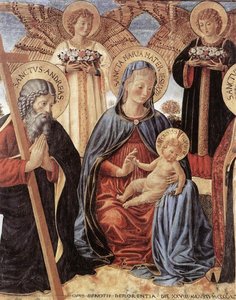
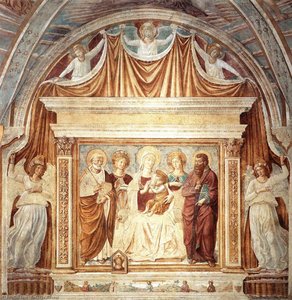
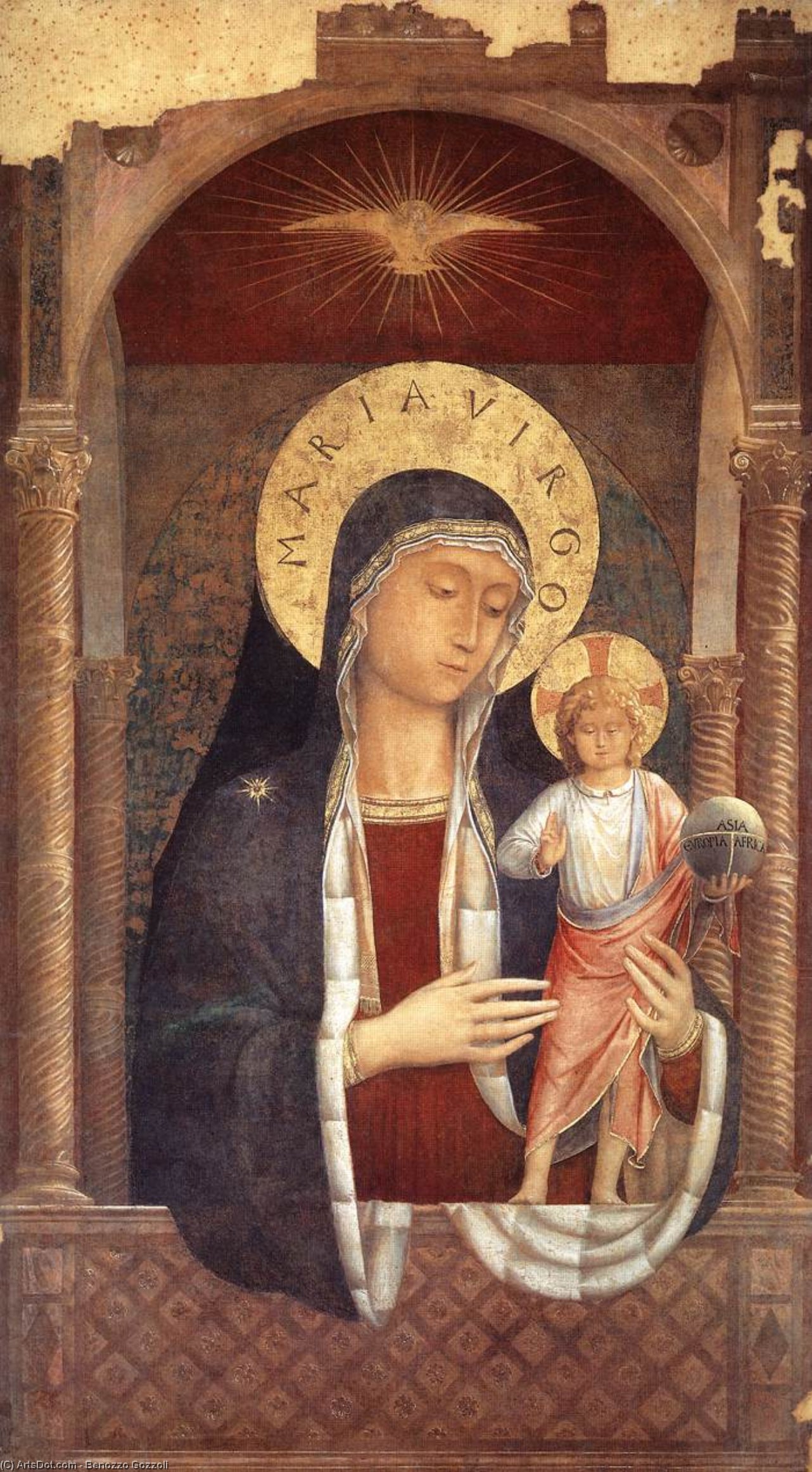
Madonna and Child Giving Blessings
 Acrylic On Canvas
- WallArt
- International Gothic
 1449
1449 254.0 x 130.0 cm
 Santa Maria sopra Minerva
 Read More
Giclée / Art Print
Museum-quality giclée or canvas print with fast production and flexible finish options. ( Buy Hand Made Painting Buy Image)




P118B $10

P118H $10

P118W $10

P438Z $10

P508JH $12

P508YH $12

P805H $10

P805Z $10

P919BZ $10

P919G $10

P919XJ $10

P959ZH $10

P968JZ $12

W106C $8

W218G $10

W218JH $8

W218Y $10

W307PJ $10

W316G $10

W316PJ $8

W316Y $10

W398PJ $8

W4111J $10

W500HY $15

W500JH $15

W692G $12

W849H $8

W940BG $15

W953PJ $8




Pick from our preset sizes that match the artwork's original proportions.

You may enter your own dimensions to fit a specific frame or space. If your selected size does not match the original image's proportions, we will either crop the artwork or extend the image with a mirrored or solid-fill edge. A digital mockup will be sent for your approval before production begins.
Please note that the on-screen preview does not reflect the actual cropping or extension. Only the mockup will accurately show the final composition.
While custom sizes are available, we recommend selecting a dimension from the predefined list to preserve the original proportions.
Worldwide Delivery () in 2 weeks instead of standard 4/5 weeks. (27 August)

Free Worldwide Express Shipping

High-Quality Linen Canvas

Full Shipping Insurance

Customs Tax Refund Guarantee

True Color Matching Guarantee

60-Day Return Policy (Defects Only)

100% Money-Back Guarantee

Bulk Discount Offer
 Glass option is only available in size under 110 CM

Madonna and Child Giving Blessings
Giclée / Art Print
Reproduction Size
-


Total Price
$ 63
Collectible Description
A Celebration of Faith and Patronage: Exploring Benozzo Gozzoli’s Madonna and Child Giving Blessings
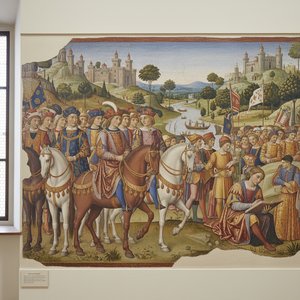
The fresco “Madonna and Child Giving Blessings,” executed in 1449 by Florentine Renaissance artist Benozzo Gozzoli, stands as a testament to the artistic fervor of its time – a vibrant emblem of humanist ideals intertwined with deep religious devotion. Commissioned for the Palazzo Medici-Riccardi in Florence, this monumental artwork embodies the spirit of the Medicis’ ambition to elevate their family prestige through association with sacred iconography and commemorates the birth of Giovanni Lorenzo Medici's son.The Style: International Gothic Revisited
Gozoli’s fresco is firmly rooted in the International Gothic style, a movement that flourished across Europe during the mid-15th century. Unlike its predecessor, Early Gothic, which prioritized solemnity and stylized figures, International Gothic embraced richer colors, more naturalistic drapery, and heightened attention to detail—a stylistic shift reflecting a broader cultural preoccupation with beauty and observation. Gozzoli skillfully blended elements of Florentine artistic tradition with influences from Northern European masters like Stefan Visconti, resulting in an opulent visual experience that captivated audiences. The castle-like architectural backdrop reinforces this sense of grandeur and elevates the scene beyond mere depiction to convey a feeling of regal solemnity.Technique: Fresco Painting – A Laborious Process
The fresco technique employed by Gozzoli demanded considerable skill and patience. Pigments were mixed with lime plaster, applied in successive layers onto wet masonry walls, and then allowed to dry slowly over several months. This process ensured durability and permanence—a crucial consideration for monumental artworks intended to adorn public spaces. Gozzoli’s meticulous layering of color created a luminous surface that captured the ethereal quality of divine grace. The artist's masterful use of glazing – applying thin translucent layers of pigment over colored underlayers – enhanced the vibrancy of the hues and produced an astonishing depth of tonal variation, demonstrating his profound understanding of artistic principles.Historical Context: Patronage and Florentine Renaissance Ideals
The fresco’s creation coincided with a period of significant cultural transformation in Florence—the burgeoning Renaissance. The Medicis, recognizing the power of art to communicate their values and solidify their authority, actively fostered artistic innovation. Gozzoli's work reflects the humanist preoccupation with human dignity and beauty alongside Christian piety – ideals championed by thinkers like Pico della Mirandola and Petrarch. Furthermore, the depiction of a royal family celebrating divine blessing underscores the Medicis’ aspiration for legitimacy and prestige within the political landscape of Italy.Symbolism: Light, Joy, and Divine Benediction
The composition itself is laden with symbolic significance. The radiant light emanating from the Madonna's hands symbolizes divine grace and illuminates the scene, conveying a sense of spiritual enlightenment. The figures surrounding Mary—including saints and dignitaries—represent Christendom’s collective devotion to God and underscore the importance of faith in shaping human destiny. The gesture of blessing embodies compassion and goodwill – reflecting the Christian belief in God’s benevolent care for humanity. Gozzoli's careful arrangement of these elements contributes to a profound emotional impact, inviting viewers to contemplate themes of sanctity, familial love, and spiritual aspiration.Emotional Impact: A Moment Frozen in Time
“Madonna and Child Giving Blessings” transcends mere visual representation; it communicates an enduring message of hope and reverence. The painting’s serene atmosphere evokes feelings of tranquility and contemplation—drawing the viewer into a realm of spiritual beauty. Gozzoli's masterful depiction captures not only the physical likenesses of his subjects but also their inner emotions, conveying a palpable sense of joy and devotion. This artwork continues to inspire admiration for its artistic excellence and serves as a poignant reminder of the enduring power of faith and art to elevate the human spirit.Related Artworks
Artist Biography
early life and training
benozzo gozzoli, an italian renaissance painter from florence, was born in 1420. he is best known for his series of murals in the palazzo medici-riccardi, depicting festive, vibrant processions with fine attention to detail and a pronounced international gothic influence. as a young artist, gozzoli was a pupil and assistant of the renowned painter fra angelico. some of his early works, such as those in the convent of san marco in florence, were executed after fra angelico's designs. this training laid the foundation for gozzoli's future success.notable works and collaborations
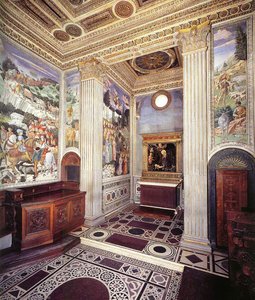
* the journey of the magi to bethlehem (1459-1461): a fresco in the magi chapel of the palazzo medici-riccardi, showcasing gozzoli's mastery of international gothic style. * collaboration with lorenzo ghiberti on the paradise doors of the battistero di san giovanni (1444-1447). * work in rome, including a fresco of st. anthony and two angels in santa maria in aracoeli, under the patronage of pope eugene iv.artistic style and legacy
gozzoli's style, characterized by its attention to detail and international gothic influence, has been praised for its unique blend of elegance and sophistication. his prolific output, including numerous frescoes in tuscany and umbria, has earned him a place among the most important figures in italian renaissance art.- view gozzoli's artworks on ArtsDot: https://ArtsDot.com/@/benozzo-gozzoli
- explore the italian renaissance art movement on ArtsDot: /en/art/list/
- discover more about gozzoli's life and works on wikipedia: https://en.wikipedia.org/wiki/benozzo_gozzoli
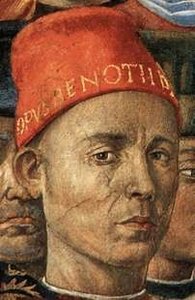
Benozzo Gozzoli
1420 - 1497 , Italy
Quick Facts
- Artistic Movement Or Style: International Gothic
- Artists Or Movements Influenced By This Artist: ['Early Renaissance']
- Artists Who Influenced This Artist:
- Fra Angelico
- Lorenzo Ghiberti
- Date Of Birth: 1420
- Date Of Death: 1497
- Full Name: Benozzo di Lese
- Nationality: Florentine
- Notable Artworks:
- Journey of the Magi
- Scenes from St Francis
- Place Of Birth: Florence, Italy
Related Articles

The Fresco as Family Legacy: Preserving Heritage Through Wall Art
Explore the rich history & enduring legacy of fresco painting. Discover how to preserve family heritage through stunning wall art. Expert insights & restoration guidance.
Benozzo Gozzoli: Narrative Innovation & Secular Humanism in Early Renaissance Frescoes
Explore the innovative frescoes of Benozzo Gozzoli, a key Florentine Renaissance painter. Discover his unique blend of religious narrative, secular humanism & detailed portraiture in masterpieces like the Magi Chapel cycle.

The Enduring Legacy of Fresco Painting: Techniques, History & Contemporary Relevance
Explore the rich history & enduring artistry of fresco painting – from Giotto to Michelangelo! Discover techniques, conservation efforts, & modern applications. Learn how ArtsDot brings this timeless art form to your home.

The Enduring Legacy of Fresco: Technique, History & Artistic Expression Across Cultures
Explore the rich history & enduring legacy of fresco painting! Discover ancient techniques, Giotto's masterpieces, and modern applications. Expert insights for art lovers & professionals.
Art That Lives With You: The Emotional Power of a Custom Interior Fresco
Discover the emotional power & timeless beauty of custom interior frescoes. Explore history, design tips & expert guidance from – creating lasting legacies.