 Send
Send Share
Share
 Details

 Download
 Similars
 Diaporama
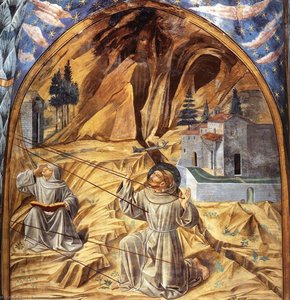
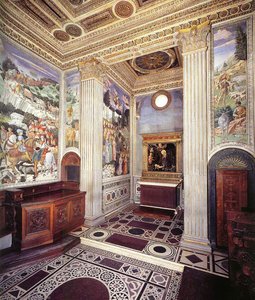
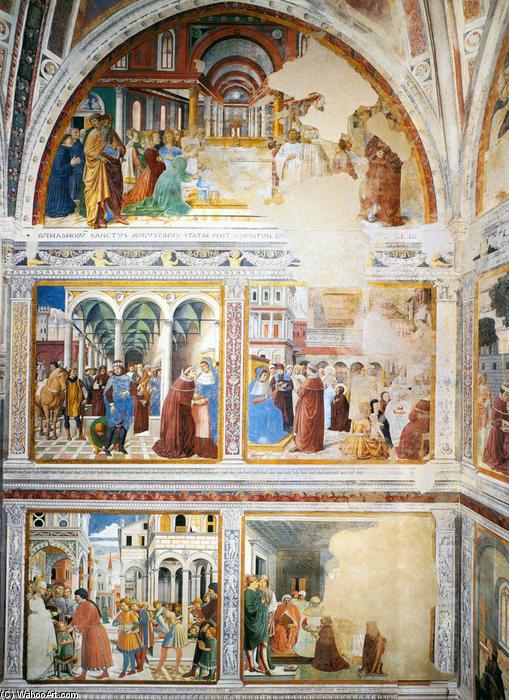
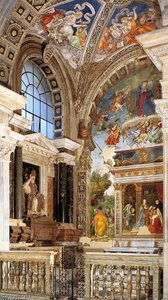
View of the left-hand wall of the chapel


 Read More
Hand Made Oil Reproduction
Hand-painted oil on canvas in your size and frame, made to order by our artists. ( Buy Print Buy Image)




































Pick from our preset sizes that match the artwork's original proportions.

You may enter your own dimensions to fit a specific frame or space. If your selected size does not match the original image's proportions, we will either crop the artwork or extend the painting with additional hand-painted elements. A digital mockup will be sent for your approval before production begins.
Please note that the on-screen preview does not reflect the actual cropping or extension. Only the mockup will accurately show the final composition.
While custom sizes are available, we recommend selecting a dimension from the predefined list to preserve the original proportions.
After order, ArtsDot.com team will email client for instructions and provide a mockup preview
Worldwide Delivery () in 3/4 weeks instead of standard 5 weeks. (2 September). No compromise on quality.

Free Worldwide Express Shipping

High-Quality Linen Canvas

Full Shipping Insurance

Customs Tax Refund Guarantee

True Color Matching Guarantee

60-Day Return Policy (Defects Only)

100% Money-Back Guarantee

Bulk Discount Offer
 Glass option is only available in size under 110 CM

View of the left-hand wall of the chapel
Reproduction Medium
Reproduction Size
-


Total Price
$ 263
A Glimpse into Medieval Devotion: Benozzo Gozzoli's "View of the Left-Hand Wall of the Chapel"
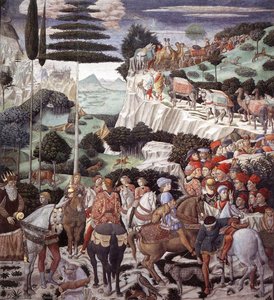
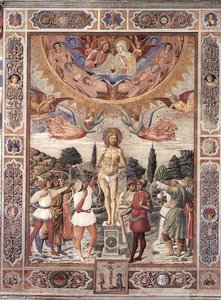
Step back in time, transported to 15th-century Italy, and behold a fragment of profound spiritual beauty – Benozzo Gozzoli’s “View of the Left-Hand Wall of the Chapel.” This fresco, meticulously painted in 1464 within the Chapel of Sant'Agostino in San Gimignano, isn't merely a decorative element; it is a window into the fervent religious life and artistic sensibilities of the Early Renaissance. Imagine the chapel itself, bathed in soft light filtering through arched windows, illuminating these vibrant scenes that once adorned its walls – a testament to faith rendered with remarkable detail and an undeniable sense of joyous celebration.
The Artistic Landscape: International Gothic Meets Renaissance Realism
Gozzoli’s style is a fascinating blend. Trained under the masterful Fra Angelico, he inherited a reverence for precise draftsmanship and luminous color. Yet, Gozzoli's work also retains strong echoes of the International Gothic style, prevalent in Northern Europe and earlier Italian art. This influence manifests in the elegant figures, rich ornamentation, and somewhat stylized depictions – a departure from the emerging High Renaissance’s pursuit of strict anatomical accuracy. Notice how the clothing flows with an almost theatrical grace, each fold meticulously rendered to showcase the status and piety of the individuals depicted. The scene is not about stark realism; it's about conveying a sense of divine presence and courtly splendor, creating a visual narrative that elevates the spiritual experience.
A Narrative Unveiled: Symbolism and Storytelling
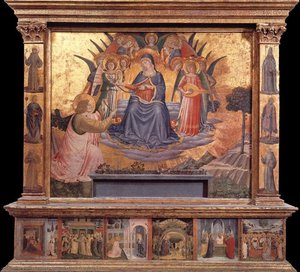
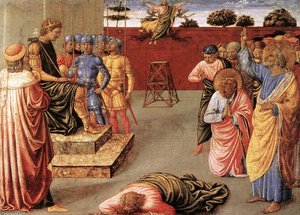
The fresco’s composition immediately draws the eye to the grand archway framing a bustling scene. Here, figures dressed in elaborate medieval attire – robes of deep blues and reds, intricate headdresses signifying high status – engage in what appears to be a religious or courtly gathering. The details are crucial: observe the gestures, the expressions on their faces, the objects they carry. Each element contributes to a complex narrative that likely depicts scenes from the life of St. Augustine, the patron saint of the chapel. Below this central tableau, smaller panels unfold further stories, each brimming with symbolic meaning. Consider the vibrant colors – gold representing divinity, blues signifying truth and loyalty, reds evoking passion and sacrifice. These weren't arbitrary choices; they were carefully selected to enhance the fresco’s spiritual impact and guide the viewer through a visual meditation on faith and devotion.
The Fresco Technique: A Marriage of Skill and Patience
Gozzoli’s mastery lies not only in his artistic vision but also in his technical skill. As a fresco painter, he worked directly onto wet plaster, requiring immense speed and precision. The pigments were mixed with water and applied swiftly before the plaster dried, creating a durable bond that has allowed this artwork to endure for centuries. Notice the subtle gradations of light and shadow, achieved through careful layering of colors – a technique that lends depth and three-dimensionality to the flat surface. The architectural elements—arches, columns, vaulted spaces—are not merely decorative; they are integral to the composition, framing the scenes and enhancing the grandeur of the chapel itself. This fresco is a testament to Gozzoli’s ability to transform a simple wall into a breathtaking work of art, inviting contemplation and inspiring awe.
Related Artworks
Artist Biography
early life and training
benozzo gozzoli, an italian renaissance painter from florence, was born in 1420. he is best known for his series of murals in the palazzo medici-riccardi, depicting festive, vibrant processions with fine attention to detail and a pronounced international gothic influence. as a young artist, gozzoli was a pupil and assistant of the renowned painter fra angelico. some of his early works, such as those in the convent of san marco in florence, were executed after fra angelico's designs. this training laid the foundation for gozzoli's future success.notable works and collaborations
* the journey of the magi to bethlehem (1459-1461): a fresco in the magi chapel of the palazzo medici-riccardi, showcasing gozzoli's mastery of international gothic style. * collaboration with lorenzo ghiberti on the paradise doors of the battistero di san giovanni (1444-1447). * work in rome, including a fresco of st. anthony and two angels in santa maria in aracoeli, under the patronage of pope eugene iv.artistic style and legacy
gozzoli's style, characterized by its attention to detail and international gothic influence, has been praised for its unique blend of elegance and sophistication. his prolific output, including numerous frescoes in tuscany and umbria, has earned him a place among the most important figures in italian renaissance art.- view gozzoli's artworks on ArtsDot: https://ArtsDot.com/@/benozzo-gozzoli
- explore the italian renaissance art movement on ArtsDot: /en/art/list/
- discover more about gozzoli's life and works on wikipedia: https://en.wikipedia.org/wiki/benozzo_gozzoli
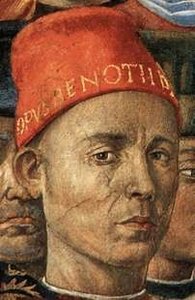
Benozzo Gozzoli
1420 - 1497 , Italy
Quick Facts
- Artistic Movement Or Style: International Gothic
- Artists Or Movements Influenced By This Artist: ['Early Renaissance']
- Artists Who Influenced This Artist:
- Fra Angelico
- Lorenzo Ghiberti
- Date Of Birth: 1420
- Date Of Death: 1497
- Full Name: Benozzo di Lese
- Nationality: Florentine
- Notable Artworks:
- Journey of the Magi
- Scenes from St Francis
- Place Of Birth: Florence, Italy
Related Articles

The Fresco as Family Legacy: Preserving Heritage Through Wall Art
Explore the rich history & enduring legacy of fresco painting. Discover how to preserve family heritage through stunning wall art. Expert insights & restoration guidance.

The Enduring Legacy of Fresco Painting: Techniques, History & Contemporary Relevance
Explore the rich history & enduring artistry of fresco painting – from Giotto to Michelangelo! Discover techniques, conservation efforts, & modern applications. Learn how ArtsDot brings this timeless art form to your home.
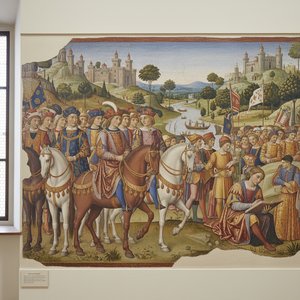
Benozzo Gozzoli: Narrative Innovation & Secular Humanism in Early Renaissance Frescoes
Explore the innovative frescoes of Benozzo Gozzoli, a key Florentine Renaissance painter. Discover his unique blend of religious narrative, secular humanism & detailed portraiture in masterpieces like the Magi Chapel cycle.

The Enduring Legacy of Fresco: Technique, History & Artistic Expression Across Cultures
Explore the rich history & enduring legacy of fresco painting! Discover ancient techniques, Giotto's masterpieces, and modern applications. Expert insights for art lovers & professionals.
The Enduring Legacy of Fresco: Technique, History & Artistic Expression
Explore the rich history & enduring artistry of fresco painting. Discover techniques from Giotto to Michelangelo, conservation efforts, & modern applications. Learn how ArtsDot brings this timeless art form to your home.