 Preview
 Send
Send Share
Share
 Details

 Download
 Similars
 X-Ray
X-Ray Diaporama
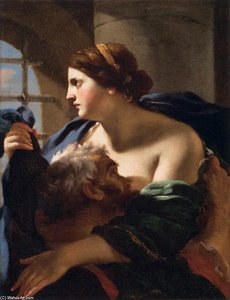
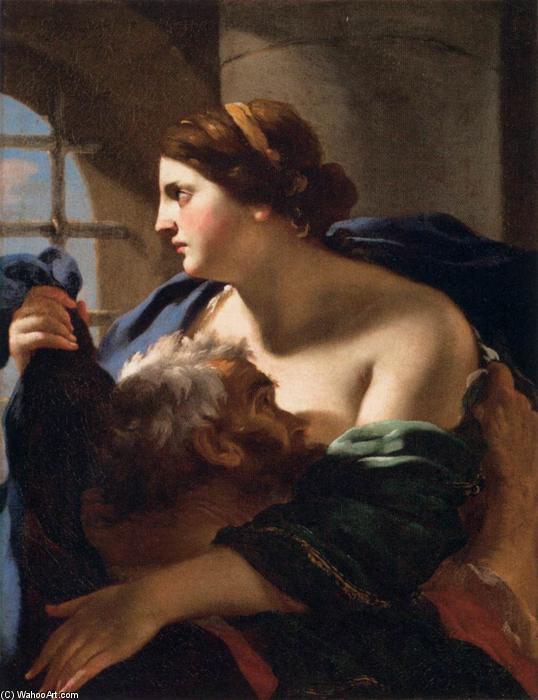
Roman Charity
 Oil On Canvas
- WallArt
- Baroque Period
 1627
1627 96.0 x 73.0 cm
 The Louvre
 Read More
Hand Made Oil Reproduction
Hand-painted oil on canvas in your size and frame, made to order by our artists. ( Buy Print Buy Image)




P118B $10

P118H $10

P118W $10

P438Z $10

P508JH $12

P508YH $12

P805H $10

P805Z $10

P919BZ $10

P919G $10

P919XJ $10

P959ZH $10

P968JZ $12

W106C $8

W218G $10

W218JH $8

W218Y $10

W307PJ $10

W316G $10

W316PJ $8

W316Y $10

W398PJ $8

W4111J $10

W500HY $15

W500JH $15

W692G $12

W849H $8

W940BG $15

W953PJ $8




Pick from our preset sizes that match the artwork's original proportions.

You may enter your own dimensions to fit a specific frame or space. If your selected size does not match the original image's proportions, we will either crop the artwork or extend the painting with additional hand-painted elements. A digital mockup will be sent for your approval before production begins.
Please note that the on-screen preview does not reflect the actual cropping or extension. Only the mockup will accurately show the final composition.
While custom sizes are available, we recommend selecting a dimension from the predefined list to preserve the original proportions.
After order, ArtsDot.com team will email client for instructions and provide a mockup preview
Worldwide Delivery () in 3/4 weeks instead of standard 5 weeks. (17 August). No compromise on quality.

Free Worldwide Express Shipping

High-Quality Linen Canvas

Full Shipping Insurance

Customs Tax Refund Guarantee

True Color Matching Guarantee

60-Day Return Policy (Defects Only)

100% Money-Back Guarantee

Bulk Discount Offer
 Glass option is only available in size under 110 CM

Roman Charity
Reproduction Medium
Reproduction Size
-


Total Price
$ 263
Artwork Description
A Moment of Profound Grace: Exploring Charles Mellin’s “Roman Charity”
Charles Mellin's "Roman Charity," painted in 1627, isn't merely a depiction of a biblical scene; it’s a profound meditation on compassion, sacrifice, and the enduring power of familial love. Housed within the hallowed halls of the Louvre Museum in Paris, this oil-on-canvas masterpiece transcends its historical subject matter to resonate with viewers across centuries, offering a glimpse into the heart of human emotion during the Baroque period.
The painting immediately draws the eye to the central figure – a woman, rendered with exquisite detail and bathed in a subtle, diffused light. Her posture is one of quiet dignity and selfless devotion as she gently offers a pitcher of water to her father, who lies supine on the floor, weakened and awaiting sustenance within what appears to be a stark prison cell. The composition is carefully balanced; the woman’s blue garment, accented by a crisp white headband, provides a striking contrast against the dark robe of the man, while the child, seated beside him in a vibrant red tunic, embodies youthful innocence and hope. The background window, framed by imposing bars, subtly reinforces the sense of confinement and vulnerability, yet it also allows a sliver of light to penetrate, hinting at redemption and mercy.
Baroque Drama: Technique and Artistic Style
Mellini’s masterful command of technique is evident in every brushstroke. The artist skillfully employs chiaroscuro – the dramatic interplay of light and shadow – to create a palpable sense of atmosphere. The subdued lighting, cast by unseen sources, emphasizes the figures' forms and imbues the scene with a somber, almost melancholic mood. Notice how Mellin meticulously renders the textures of the fabrics, from the folds of the woman’s garment to the rough stone of the prison walls. This attention to detail is characteristic of the Baroque style, known for its realism and dramatic intensity. The painting's composition echoes elements found in classical sculpture, particularly the idealized forms and balanced arrangements, reflecting Mellin’s deep understanding of artistic principles.
A Story Rooted in Antiquity: Historical Context
"Roman Charity" draws upon a timeless fable – the story of Cimon and Pero, recounted by Roman historian Valerius Maximus. This ancient tale speaks to the virtues of filial piety, illustrating how a daughter’s unwavering love and devotion can overcome even the most dire circumstances. The narrative itself highlights the importance of compassion and forgiveness, suggesting that acts of kindness, however small, can have profound consequences. Mellini's painting isn't simply a retelling of this story; it’s an embodiment of its core values, capturing the essence of human connection and empathy.
Symbolism and Emotional Resonance
Beyond the literal depiction of the scene, "Roman Charity" is rich in symbolism. The water offered by the woman represents sustenance – both physical and spiritual – while her act of charity symbolizes a willingness to share one’s own resources for the benefit of another. The prison setting serves as a potent metaphor for hardship and suffering, underscoring the transformative power of love and compassion. The painting evokes a powerful emotional response in viewers, prompting reflection on themes of family, sacrifice, and the enduring human capacity for goodness. It's a reminder that even within the darkest circumstances, hope and grace can prevail.
A Timeless Masterpiece: Reproduction Possibilities
Reproductions of "Roman Charity" offer an exceptional opportunity to bring this iconic artwork into your home or office. The meticulous detail and emotional depth captured by Mellin are faithfully reproduced in high-quality prints, allowing you to experience the painting's beauty and significance firsthand. Consider a hand-painted reproduction – a truly unique piece that honors the original’s legacy while adding a touch of timeless elegance to your space.
Related Artworks

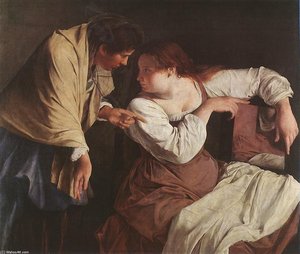
Artist Biography
early life and career
charles mellin, a french painter, was born in nancy, lorraine in 1597. despite his origins, he spent most of his artistic career in italy, earning him the nickname carlo lorenese ("charles the lorrainer"). this moniker reflects the significant influence italian art had on his style.artistic style and influences
mellin's work is characterized by its baroque flair, with a focus on dramatic lighting and intense emotions. his early collaborations with simon vouet showcased a more mannerist approach, but as he matured, his style evolved into a classically elegant yet simple form, likely influenced by lanfranco.notable works and locations
- the tuscan general alessandro del borro (staatliche museen, berlin, germany) - a prime example of mellin's baroque style.
- chapel of the virgin at san luigi dei francesi (rome, italy) - demonstrates his early work in italy.
- abbey of monte cassino (italy) - features a cycle of 15 paintings, unfortunately destroyed during world war ii.
- key dates: - born: 1597, nancy, lorraine - active in italy: from 1622 until his death in 1649
legacy
despite the destruction of some of his notable works, mellin's influence on the baroque period is undeniable. his evolution from a mannerist to a classically elegant style, inspired by italian and parisian schools, has left an indelible mark on art history. explore more about charles mellin on ArtsDot: https://ArtsDot.com/@/charles-mellin read more about charles mellin on wikipedia: https://en.wikipedia.org/wiki/charles_mellin
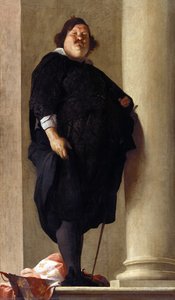
charles mellin
1597 - 1649 , France
Related Articles
Decoding Baroque Grandeur: A Guide to the Drama and Emotion of 17th-Century Art
Explore the breathtaking drama of 17th-century Baroque art. Our expert guide decodes the use of chiaroscuro, emotional intensity, and historical grandeur to help you appreciate and curate timeless masterpieces for your collection.
Simon Vouet: A Baroque Master's Journey from Italian Influence to French Classicism
Explore the life & art of Simon Vouet, a pivotal French Baroque painter who introduced Italian styles to France. Discover his masterpieces and lasting influence on 17th-century art.
Baroque Classicism: Reconciling Drama & Order in 17th-Century Art
Explore the captivating world of Baroque Classicism! Discover its history, key artists like Caravaggio & Rubens, and defining characteristics. Expert insights & high-quality reproductions at ArtsDot.

Baroque Masterpieces: 10 Paintings That Defined an Era |
Journey through the drama & grandeur of Baroque art! Explore 10 masterpieces by Caravaggio, Rembrandt, Rubens & more. Discover stunning oil paintings, rich colors & timeless stories. Find museum-quality reproductions at .

The Visceral Stage: Exploring Dramatic Narratives & Emotional Intensity in Baroque Art
Explore the dramatic world of Baroque art! Discover iconic masters like Caravaggio & Rembrandt, their techniques, and the movement's lasting impact. Expert insights for collectors & enthusiasts at ArtsDot.