 Preview
 Send
Send Share
Share
 Details

 Download
 Similars
 X-Ray
X-Ray Diaporama
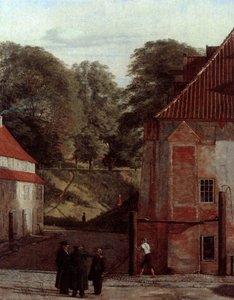
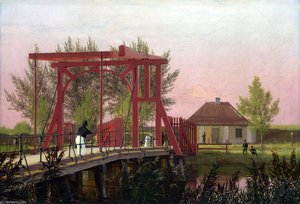
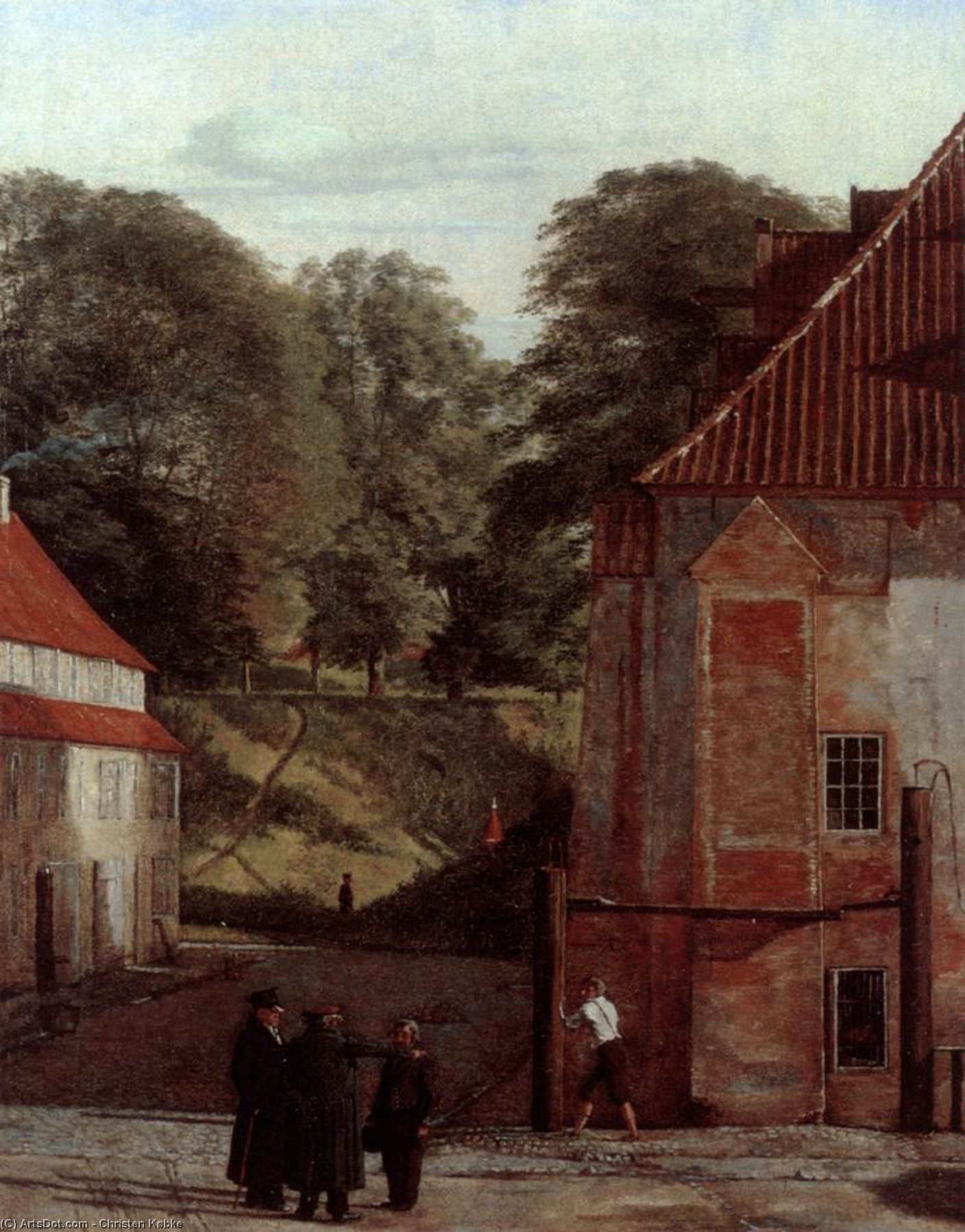
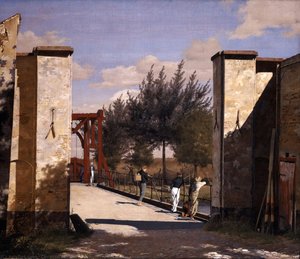
A View of the Square in the Kastel Looking Towards the Ramparts
 Oil On Canvas
- WallArt
- National Romanticism
 1830
1830 30.0 x 23.0 cm
 National Gallery of Scotland
 Read More
Hand Made Oil Reproduction
Hand-painted oil on canvas in your size and frame, made to order by our artists. ( Buy Print Buy Image)




P118B $10

P118H $10

P118W $10

P438Z $10

P508JH $12

P508YH $12

P805H $10

P805Z $10

P919BZ $10

P919G $10

P919XJ $10

P959ZH $10

P968JZ $12

W106C $8

W218G $10

W218JH $8

W218Y $10

W307PJ $10

W316G $10

W316PJ $8

W316Y $10

W398PJ $8

W4111J $10

W500HY $15

W500JH $15

W692G $12

W849H $8

W940BG $15

W953PJ $8




Pick from our preset sizes that match the artwork's original proportions.

You may enter your own dimensions to fit a specific frame or space. If your selected size does not match the original image's proportions, we will either crop the artwork or extend the painting with additional hand-painted elements. A digital mockup will be sent for your approval before production begins.
Please note that the on-screen preview does not reflect the actual cropping or extension. Only the mockup will accurately show the final composition.
While custom sizes are available, we recommend selecting a dimension from the predefined list to preserve the original proportions.
After order, ArtsDot.com team will email client for instructions and provide a mockup preview
Worldwide Delivery () in 3/4 weeks instead of standard 5 weeks. (16 August). No compromise on quality.

Free Worldwide Express Shipping

High-Quality Linen Canvas

Full Shipping Insurance

Customs Tax Refund Guarantee

True Color Matching Guarantee

60-Day Return Policy (Defects Only)

100% Money-Back Guarantee

Bulk Discount Offer
 Glass option is only available in size under 110 CM

A View of the Square in the Kastel Looking Towards the Ramparts
Reproduction Medium
Reproduction Size
-


Total Price
$ 263
Artwork Description
The Painter’s Gaze: Christen Købke and the Everyday Made Extraordinary
Christen Købke's “A View of the Square in the Kastel Looking Towards the Ramparts” isn’t merely a depiction of a Copenhagen scene; it’s a carefully constructed window into a specific moment, a fleeting tableau of life within the fortified heart of the city. Painted around 1830, this work exemplifies Købke's signature style – a masterful blend of meticulous observation and subtle emotional resonance. It captures not just what was *seen*, but also the atmosphere, the quiet dignity of ordinary people engaged in their daily routines, all framed against the imposing backdrop of the Kastel, a medieval fortress that once served as a formidable prison.
The scene unfolds with a remarkable clarity. Five figures dominate the foreground – a baker, identified as Købke’s father, stands proudly beside his establishment; a gentleman in formal attire gestures towards the building; and two others, likely servants or visitors, observe the activity. A striking detail is the presence of a horse near the center, adding an element of rustic charm to the urban setting. The composition isn't overly dramatic; Købke eschews grand gestures for a balanced arrangement that invites the viewer into this intimate slice of Copenhagen life. The red-roofed building, a prominent feature, anchors the scene and provides a visual counterpoint to the muted tones of the figures and the surrounding architecture.
A Master of Light and Atmosphere: Købke’s Technique
Købke's skill lies not just in his ability to render detail with precision but also in his manipulation of light and atmosphere. He employs a delicate layering of paint, creating subtle gradations of color that evoke the soft glow of late afternoon sunlight. Notice how he captures the play of light on the buildings’ surfaces, imbuing them with a sense of warmth and solidity. The artist's use of *sfumato*, a technique borrowed from Renaissance masters, softens edges and blurs details, contributing to the painting’s overall feeling of realism while simultaneously conveying an impressionistic quality. The brushstrokes are generally small and controlled, reflecting Købke’s commitment to accuracy and his desire to capture the nuances of everyday life.
The choice of medium – oil on canvas – further enhances the work's richness and luminosity. The slow drying time of oil paint allowed Købke to build up layers of color gradually, achieving a remarkable level of depth and texture. He was known for his ability to capture the fleeting effects of light and shadow, transforming ordinary scenes into moments of captivating beauty.
Echoes of History: Contextualizing the Scene
To fully appreciate “A View of the Square in the Kastel Looking Towards the Ramparts,” it’s essential to understand its historical context. The Kastel itself was a significant landmark in Copenhagen's history, serving as both a military fortification and a prison. Købke lived within the castle walls from 1817 to 1834, providing him with intimate knowledge of the area and its inhabitants. The painting reflects this personal connection, capturing not just a physical space but also a sense of place – a feeling of belonging rooted in the city’s long and complex past.
Furthermore, Købke's work aligns with the burgeoning nationalistic movement in Denmark during the 19th century. Artists were increasingly interested in depicting scenes from everyday life that celebrated Danish culture and identity. Købke’s focus on a familiar urban landscape—a bakery within the historic walls of the Kastel—resonates with this broader artistic trend.
A Window into the Soul: Emotional Resonance
Beyond its technical brilliance, “A View of the Square in the Kastel Looking Towards the Ramparts” possesses a quiet emotional depth. The painting doesn’t offer grand pronouncements or dramatic narratives; instead, it invites us to contemplate the simple pleasures and everyday interactions that constitute human life. The figures seem absorbed in their activities, yet there's an underlying sense of dignity and contentment. Købke masterfully captures a moment of stillness—a pause in the flow of time—that allows us to connect with the scene on a deeply personal level.
Reproductions of this work offer a remarkable opportunity to bring this evocative image into your home or office, serving as a reminder of the beauty and richness that can be found in the most ordinary of moments. It’s a testament to Christen Købke's extraordinary talent—a painter who transformed the everyday into something truly unforgettable.
Related Artworks

Artist Biography
Early Life and Training
- Born: May 26, 1810, Copenhagen Harbour, Denmark
- Died: February 7, 1848
- Christen Købke was born into a family of modest means; his father worked as a baker.
- His artistic talents were encouraged from an early age.
- He began formal training at the Royal Danish Academy of Fine Arts in Copenhagen.
- Studied under Christoffer Wilhelm Eckersberg, a renowned artist, which laid the foundation for his future success.
Artistic Career and Style
- Købke's work focused on capturing everyday life and landscapes of Denmark.
- Paintings often featured landscapes, portraits, and architectural scenes.
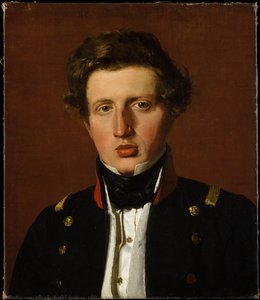
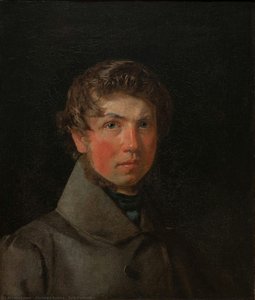
- Notable works include "Valdemar Hjartvar Købke (1813–1893), the artist’s brother" at the Metropolitan Museum of Art.
- Known for a nationalistic approach to art, emphasizing Danish culture and landscapes. Examples: “Frederiksborg Slot ved Aften”.
- His style is characterized by precise treatment of light and atmosphere, balanced compositions, and detailed depictions of natural elements.
Influences and Development
- Strongly influenced by Christoffer Wilhelm Eckersberg's emphasis on observing nature.
- Niels Lauritz Høyen’s promotion of nationalistic art encouraged Købke to depict Danish culture and landscapes.
- Early works showed the influence of classical landscape painting, particularly from Dresden and Italy.
- His travels to Germany and Italy (1838-1840) exposed him to new artistic perspectives but his later studio works based on these sketches were not well received.
Major Achievements and Historical Significance
- Considered one of the most talented artists of the Danish Golden Age.
- His focus on everyday life and landscapes influenced a generation of Danish artists, including Wilhelm Marstrand.
- His paintings are now held in various museums and collections worldwide, including the National Gallery of Denmark, J. Paul Getty Museum, Louvre Museum, and Metropolitan Museum of Art.
- Købke’s legacy lies in his ability to capture the essence of Danish culture and identity through realistic depictions of landscapes and everyday scenes.
Later Life and Legacy
- In 1846, Købke's application for admission to the Academy was rejected.
- He died of pneumonia in 1848 at the age of 37.
- Initially overlooked after his death, Købke’s work gained recognition and appreciation towards the end of the 19th century.
- Today, he is celebrated for his beauty, simplicity, and ability to capture the essence of everyday life in 19th-century Denmark.
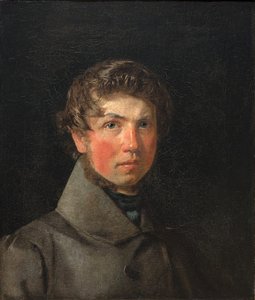
christen købke
1810 - 1848 , Denmark
Quick Facts
- Artistic Movement Or Style: Golden Age of Danish Painting
- Artists Or Movements Influenced By This Artist: ['Wilhelm Marstrand']
- Artists Who Influenced This Artist: ['Christoffer Wilhelm Eckersberg']
- Date Of Birth: May 26, 1810
- Date Of Death: February 7, 1848
- Full Name: Christen Schiellerup Købke
- Nationality: Danish
- Notable Artworks:
- Valdemar Hjartvar Købke
- Frederiksborg Slot ved aften
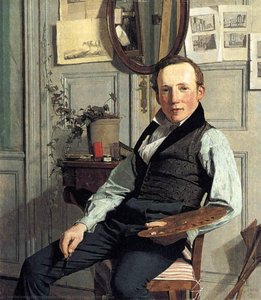
- Portrait of Frederik Sødring
- Place Of Birth: Copenhagen, Denmark
Related Articles
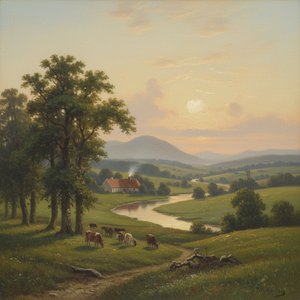
Peder Mørk Mønsted: Capturing the Danish Golden Age Landscape – A Study in Atmospheric Realism
Explore the captivating landscapes of Peder Mørk Mønsted, a master of Danish Golden Age realism. Discover his atmospheric techniques, influences, and enduring legacy in our expert analysis.
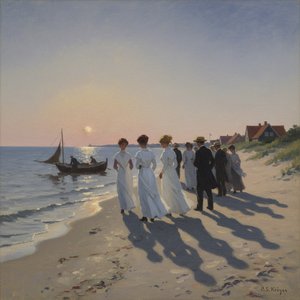
Peder Severin Krøyer: Capturing the Ephemeral Light of Danish Modern Life
Explore the luminous world of Peder Severin Krøyer, a master of Danish Impressionism. Discover his iconic Skagen paintings, artistic evolution, and lasting legacy. Learn about collecting Krøyer's works & find museum-quality reproductions.
Søren Emil Carlsen: A Study in Danish Luminism & Atmospheric Realism
Explore the captivating world of Søren Emil Carlsen, a master of Danish Luminism and American Impressionism. Discover his exquisite still lifes & landscapes – a study in realism, atmosphere, and enduring artistic beauty.
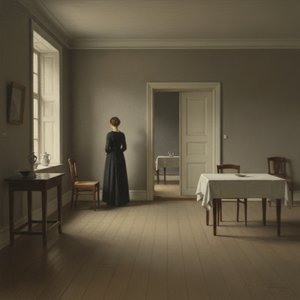
Vilhelm Hammershøi: Exploring Interiority, Light & Absence – A Danish Master for the Elite Collector
Discover the captivating world of Vilhelm Hammershøi with ArtsDot. Explore his serene interiors, masterful use of light & symbolism. Expert insights for discerning collectors and art enthusiasts.
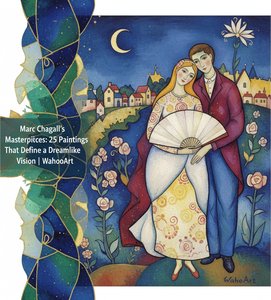
Marc Chagall's Masterpieces: 25 Paintings That Define a Dreamlike Vision | ArtsDot
Journey into the dreamlike world of Marc Chagall! Explore 25 iconic paintings, from 'I and the Village' to his vibrant surrealist masterpieces. Discover the stories & techniques behind these timeless artworks – find museum-quality Chagall reproductions on ArtsDot.com.