 Preview
 Send
Send Share
Share
 Details

 Download
 Similars
 X-Ray
X-Ray Diaporama
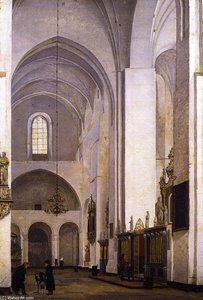
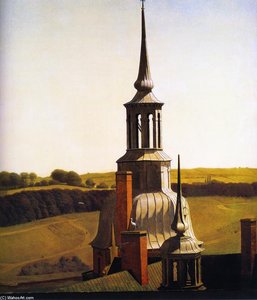
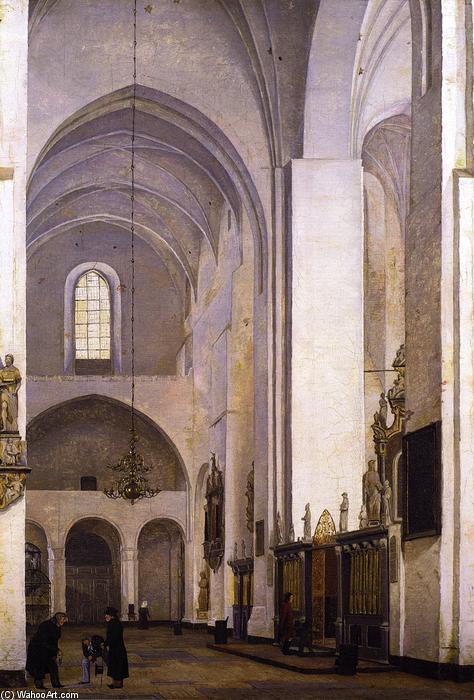
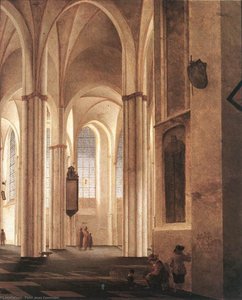
The Transept of Aarhus Cathedral


 Read More
Giclée / Art Print
Museum-quality giclée or canvas print with fast production and flexible finish options. ( Buy Hand Made Painting Buy Image)




P118B $10

P118H $10

P118W $10

P438Z $10

P508JH $12

P508YH $12

P805H $10

P805Z $10

P919BZ $10

P919G $10

P919XJ $10

P959ZH $10

P968JZ $12

W106C $8

W218G $10

W218JH $8

W218Y $10

W307PJ $10

W316G $10

W316PJ $8

W316Y $10

W398PJ $8

W4111J $10

W500HY $15

W500JH $15

W692G $12

W849H $8

W940BG $15

W953PJ $8




Pick from our preset sizes that match the artwork's original proportions.

You may enter your own dimensions to fit a specific frame or space. If your selected size does not match the original image's proportions, we will either crop the artwork or extend the image with a mirrored or solid-fill edge. A digital mockup will be sent for your approval before production begins.
Please note that the on-screen preview does not reflect the actual cropping or extension. Only the mockup will accurately show the final composition.
While custom sizes are available, we recommend selecting a dimension from the predefined list to preserve the original proportions.
Worldwide Delivery () in 2 weeks instead of standard 4/5 weeks. (23 August)

Free Worldwide Express Shipping

High-Quality Linen Canvas

Full Shipping Insurance

Customs Tax Refund Guarantee

True Color Matching Guarantee

60-Day Return Policy (Defects Only)

100% Money-Back Guarantee

Bulk Discount Offer
 Glass option is only available in size under 110 CM

The Transept of Aarhus Cathedral
Giclée / Art Print
Reproduction Size
-


Total Price
$ 63
Collectible Description
The Transept of Aarhus Cathedral – A Symphony in Stone and Light
Christen Købke’s “Transept of Aarhus Cathedral” isn't merely a depiction of a building; it’s an embodiment of the spirit of Denmark during its Golden Age—a testament to meticulous observation, humanist ideals, and a profound connection with the natural world. Painted in 1830, this monumental oil on canvas captures the grandeur of St Clemens Cathedral, Aarhus, not as a static monument but as a living space imbued with atmosphere and emotion. Købke’s artistic vision—influenced by the teachings of Christoffer Wilhelm Eckersberg—represents a pivotal moment in Danish art history, marking a decisive break from academic conventions toward a more expressive style rooted in direct experience.- Composition & Technique: Købke employed a masterful technique characterized by precise perspectival construction and subtle gradations of light and shadow. He meticulously rendered the cathedral’s soaring arches, ribbed vaulting, and stained glass windows—elements that dominate the canvas—creating an illusionistic depth that draws the viewer into the scene. The artist's careful attention to detail is evident in every brushstroke, reflecting Eckersberg’s emphasis on realism and accuracy.
- Historical Context: Aarhus Cathedral stands as a symbol of Denmark’s medieval heritage and its burgeoning Protestant faith following the Reformation. Købke’s painting reflects this cultural landscape, capturing the solemn beauty of liturgical space and conveying a sense of reverence for tradition. The cathedral itself was rebuilt in the 13th century after a devastating fire destroyed the original structure—a poignant reminder of resilience and renewal.
- Symbolism & Atmosphere: Købke skillfully utilizes light to illuminate the interior, casting dramatic shadows that heighten the cathedral’s solemn atmosphere. This masterful manipulation of chiaroscuro—the interplay between light and dark—creates a sense of drama and invites contemplation. The figures depicted within the cathedral—scholars examining gravestones—represent intellectual curiosity and spiritual inquiry—values central to Købke's humanist worldview.
- Influence & Legacy: Købke’s “Transept of Aarhus Cathedral” stands as an exemplar of Danish Romanticism, prioritizing emotional expression over mere representation. It foreshadowed the broader artistic trends of its time, demonstrating a commitment to capturing the essence of human experience and celebrating the beauty of the natural world—a legacy that continues to inspire artists today.
- The Met Reproduction: The Metropolitan Museum of Art’s reproduction captures Købke's original vision with remarkable fidelity, allowing viewers worldwide to appreciate the painting's intricate details and emotive power. Its vibrant colors and masterful brushwork convey the cathedral’s spiritual significance and invite contemplation on themes of faith, history, and artistic excellence.
Related Artworks

Artist Biography
Early Life and Training
- Born: May 26, 1810, Copenhagen Harbour, Denmark
- Died: February 7, 1848
- Christen Købke was born into a family of modest means; his father worked as a baker.
- His artistic talents were encouraged from an early age.
- He began formal training at the Royal Danish Academy of Fine Arts in Copenhagen.
- Studied under Christoffer Wilhelm Eckersberg, a renowned artist, which laid the foundation for his future success.
Artistic Career and Style
- Købke's work focused on capturing everyday life and landscapes of Denmark.
- Paintings often featured landscapes, portraits, and architectural scenes.
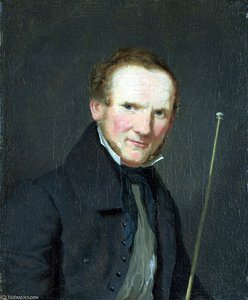
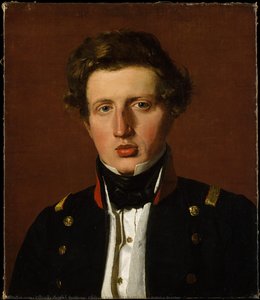
- Notable works include "Valdemar Hjartvar Købke (1813–1893), the artist’s brother" at the Metropolitan Museum of Art.
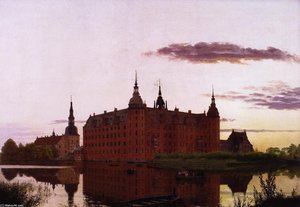
- Known for a nationalistic approach to art, emphasizing Danish culture and landscapes. Examples: “Frederiksborg Slot ved Aften”.
- His style is characterized by precise treatment of light and atmosphere, balanced compositions, and detailed depictions of natural elements.
Influences and Development
- Strongly influenced by Christoffer Wilhelm Eckersberg's emphasis on observing nature.
- Niels Lauritz Høyen’s promotion of nationalistic art encouraged Købke to depict Danish culture and landscapes.
- Early works showed the influence of classical landscape painting, particularly from Dresden and Italy.
- His travels to Germany and Italy (1838-1840) exposed him to new artistic perspectives but his later studio works based on these sketches were not well received.
Major Achievements and Historical Significance
- Considered one of the most talented artists of the Danish Golden Age.
- His focus on everyday life and landscapes influenced a generation of Danish artists, including Wilhelm Marstrand.
- His paintings are now held in various museums and collections worldwide, including the National Gallery of Denmark, J. Paul Getty Museum, Louvre Museum, and Metropolitan Museum of Art.
- Købke’s legacy lies in his ability to capture the essence of Danish culture and identity through realistic depictions of landscapes and everyday scenes.
Later Life and Legacy
- In 1846, Købke's application for admission to the Academy was rejected.
- He died of pneumonia in 1848 at the age of 37.
- Initially overlooked after his death, Købke’s work gained recognition and appreciation towards the end of the 19th century.
- Today, he is celebrated for his beauty, simplicity, and ability to capture the essence of everyday life in 19th-century Denmark.
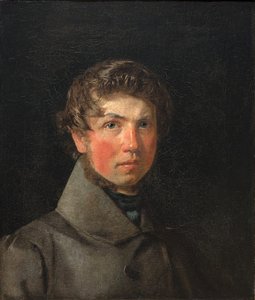
christen købke
1810 - 1848 , Denmark
Quick Facts
- Artistic Movement Or Style: Golden Age of Danish Painting
- Artists Or Movements Influenced By This Artist: ['Wilhelm Marstrand']
- Artists Who Influenced This Artist: ['Christoffer Wilhelm Eckersberg']
- Date Of Birth: May 26, 1810
- Date Of Death: February 7, 1848
- Full Name: Christen Schiellerup Købke
- Nationality: Danish
- Notable Artworks:
- Valdemar Hjartvar Købke
- Frederiksborg Slot ved aften
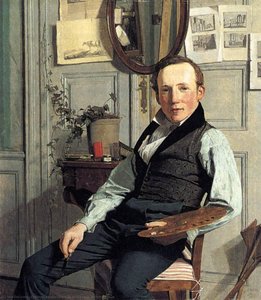
- Portrait of Frederik Sødring
- Place Of Birth: Copenhagen, Denmark
Related Articles

John Constable's Masterpieces: Explore 25 Iconic Landscapes for Your Home
Journey through John Constable's 25 most celebrated landscapes. Explore Romanticism, Dedham Vale & his masterful use of light in iconic paintings like 'Hay Wain'. Find museum-quality art reproductions and elevate your home decor on ArtsDot.com.

Romantic Landscapes: 10 Masterpieces for Your Home | ArtsDot
Journey through 10 Romantic landscape masterpieces by Friedrich, Turner & Cole. Explore emotional art, sublime nature scenes & iconic 19th-century paintings. Find museum-quality reproductions for your home at ArtsDot.com – discover the full collection online!

Evocations of Place: A Historical Journey Through Landscape Art
Explore the rich history of landscape art with ArtsDot. Discover renowned artists, movements like Impressionism & Romanticism, and expert guidance for collecting timeless pieces. Find your perfect serene escape today!
The Shadow of Faith: Exploring Gothic Art's Spiritual Intensity & Architectural Innovation
Explore the spiritual intensity & architectural innovation of Gothic art! Discover the symbolism behind cathedrals, stained glass & master artists like Giotto and Monet. A deep dive into medieval history & artistic expression.
Peder Mørk Mønsted: Capturing the Danish Golden Age Landscape – A Study in Atmospheric Realism
Explore the captivating landscapes of Peder Mørk Mønsted, a master of Danish Golden Age realism. Discover his atmospheric techniques, influences, and enduring legacy in our expert analysis.