 Preview
 Send
Send Share
Share
 Details

 Download
 Similars
 X-Ray
X-Ray Diaporama
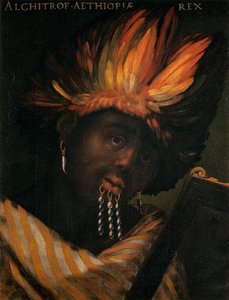
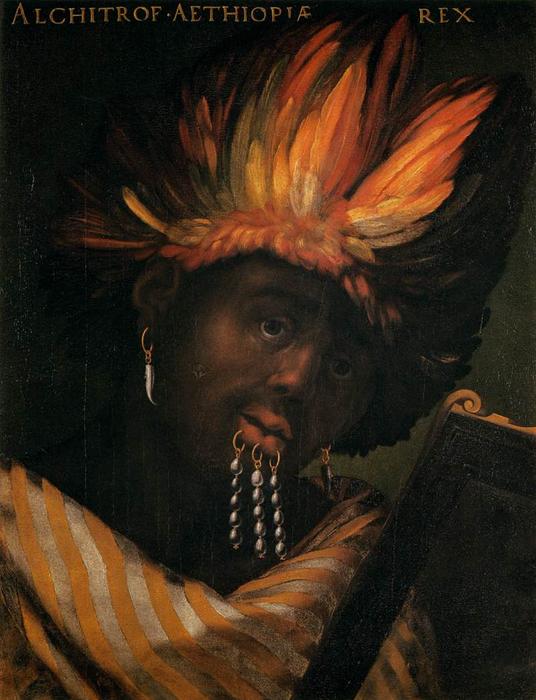
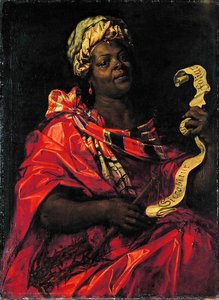
Alchitrof, Emperor of Ethiopia
 Acrylic On Canvas
- WallArt
- Renaissance Portraiture
 1568
1568 59.0 x 42.0 cm
 Galleria degli Uffizi
 Read More
Hand Made Oil Reproduction
Hand-painted oil on canvas in your size and frame, made to order by our artists. ( Buy Print Buy Image)




P118B $10

P118H $10

P118W $10

P438Z $10

P508JH $12

P508YH $12

P805H $10

P805Z $10

P919BZ $10

P919G $10

P919XJ $10

P959ZH $10

P968JZ $12

W106C $8

W218G $10

W218JH $8

W218Y $10

W307PJ $10

W316G $10

W316PJ $8

W316Y $10

W398PJ $8

W4111J $10

W500HY $15

W500JH $15

W692G $12

W849H $8

W940BG $15

W953PJ $8




Pick from our preset sizes that match the artwork's original proportions.

You may enter your own dimensions to fit a specific frame or space. If your selected size does not match the original image's proportions, we will either crop the artwork or extend the painting with additional hand-painted elements. A digital mockup will be sent for your approval before production begins.
Please note that the on-screen preview does not reflect the actual cropping or extension. Only the mockup will accurately show the final composition.
While custom sizes are available, we recommend selecting a dimension from the predefined list to preserve the original proportions.
After order, ArtsDot.com team will email client for instructions and provide a mockup preview
Worldwide Delivery () in 3/4 weeks instead of standard 5 weeks. (23 August). No compromise on quality.

Free Worldwide Express Shipping

High-Quality Linen Canvas

Full Shipping Insurance

Customs Tax Refund Guarantee

True Color Matching Guarantee

60-Day Return Policy (Defects Only)

100% Money-Back Guarantee

Bulk Discount Offer
 Glass option is only available in size under 110 CM

Alchitrof, Emperor of Ethiopia
Reproduction Medium
Reproduction Size
-


Total Price
$ 263
Artwork Description
Cristofano dell’Altissimo: A Window Into Habsburg Diplomacy
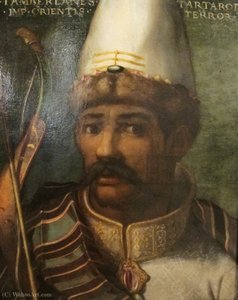
The painting “Alchitrof, Emperor of Ethiopia” by Cristofano di Papi dell’Altissimo stands as a remarkable testament to the artistic fervor and political maneuvering characteristic of Renaissance Florence. Executed around 1568, this portrait transcends mere representation; it embodies a meticulously crafted document reflecting the complex relationship between Italy's Habsburg rulers and the Ottoman Empire – a connection that profoundly shaped European diplomacy during its twilight years. Commissioned by Cosimo I de’ Medici, Cristofano undertook the monumental task of replicating over 280 portraits from Paolo Giovio’s celebrated “Italian Portrait Gallery,” demonstrating an unparalleled dedication to preserving artistic heritage and documenting the era's prominent figures.- Subject Matter: The artwork depicts a regal Ethiopian monarch – Alchitrof – adorned with a lavish feathered headdress, symbolizing imperial authority and prestige.
- Style: Cristofano’s style aligns closely with the Mannerist tradition prevalent in Florence at the time, prioritizing stylized forms and dramatic chiaroscuro (light and shadow) to convey psychological depth and emotional intensity.
- Technique: Painted on wood using oil paint, Cristofano employed a meticulous layering technique—a hallmark of Mannerism—to achieve remarkable realism despite its stylistic conventions. The artist skillfully rendered textures and contours, capturing the solemn gaze of Alchitrof with exceptional precision.
Historical Context: Giovio’s Legacy and Habsburg-Ottoman Relations
Paolo Giovio's “Italian Portrait Gallery,” a pioneering project aimed at documenting the intellectual elite of Europe, served as Cristofano’s primary inspiration. Giovio’s ambitious undertaking captured the spirit of humanist scholarship and artistic innovation, mirroring the broader cultural landscape of the Renaissance. The Habsburg dynasty—particularly Cosimo I—recognized the importance of projecting power and prestige through visual representations, commissioning artists like Cristofano to produce portraits that served as diplomatic tools. This painting specifically reflects the anxieties surrounding Ottoman expansion into Europe, highlighting the need for rulers to cultivate alliances and demonstrate strength on both internal and external fronts.Symbolism: Feathered Headdress and Rings – Signifiers of Power
The feathered headdress is a potent symbol of imperial grandeur, conveying authority and divine legitimacy—a convention common in portraiture during the Renaissance. Cristofano’s artistic choices underscore the importance of visual language in communicating social status and political ideology. The three rings adorning Alchitrof's lower lip further reinforce this symbolism, representing wealth, wisdom, and spiritual devotion – qualities valued by rulers striving to uphold their reputation as benevolent patrons of the arts and guardians of Christendom.Emotional Impact: A Portrait of Dignity and Contemplation
Despite its formal style, “Alchitrof” possesses a palpable emotional resonance. Cristofano’s masterful use of chiaroscuro creates an atmosphere of solemn contemplation, inviting viewers to engage with the subject's inner life—a characteristic feature of Mannerist portraiture that distinguishes it from earlier Renaissance styles. The unwavering gaze of Alchitrof conveys confidence and seriousness, reflecting the burdens of leadership and the responsibility for safeguarding one’s realm. It remains a captivating image, encapsulating the grandeur and intellectual sophistication of its time.Related Artworks

Artist Biography
Cristofano di Papi dell’Altissimo: The Master of Habsburg and Ottoman Portraits
Cristofano di Papi dell’Altissimo, a name perhaps less familiar than his contemporaries Bronzino or Pontormo, stands as a remarkably important figure in the vibrant tapestry of 16th-century Florentine art. Born around 1525 in Florence, Italy, and tragically dying in 1605, he carved out a distinctive niche for himself through his extraordinary skill in portraiture, particularly within the complex political landscape of Europe. His works are not merely representations of individuals; they’re meticulously crafted documents of power, nobility, and diplomacy, offering invaluable insights into the relationships between the Habsburg dynasty and the Ottoman Empire – a connection that defined much of the era. Dell'Altissimo’s legacy rests largely on his prolific work for Cosimo I de’ Medici, who commissioned him to painstakingly copy hundreds of portraits from Paolo Giovio’s renowned “Italian Portrait Gallery,” transforming them into a cornerstone of the Uffizi collection.Early Life and Artistic Training
Dell'Altissimo’s artistic journey began under the tutelage of two giants: Pontormo and Bronzino, both leading figures of the Florentine Mannerist school. This formative period instilled in him a deep understanding of the stylistic conventions of the time – the dramatic poses, elongated forms, and sophisticated use of color characteristic of Mannerism. However, unlike his mentors who often embraced an overtly theatrical style, Dell'Altissimo developed a more restrained and subtly elegant approach to portraiture. He possessed a remarkable ability to capture not just physical likeness but also the character and bearing of his subjects, imbuing each portrait with a sense of psychological depth. His early works demonstrate a clear debt to Bronzino’s polished technique, yet he quickly established his own unique voice, characterized by a refined elegance and an almost uncanny attention to detail.The Giovio Commission: A Bridge Between Empires
Dell'Altissimo’s most significant contribution to art history lies in his execution of the Giovio commission for Cosimo I de’ Medici. In 1552, the Grand Duke entrusted him with the monumental task of reproducing over four hundred portraits from Paolo Giovio’s collection – a vast compendium of European nobility and dignitaries. This undertaking required immense dedication, patience, and artistic skill. Dell'Altissimo spent years meticulously copying each portrait in Como, traveling extensively throughout Italy and even venturing as far afield as Istanbul to capture the likenesses of Ottoman officials. This commission wasn’t simply about duplication; it was a strategic move by Cosimo I to solidify his position within Europe and foster diplomatic relations with the powerful Ottoman Empire. The portraits themselves became potent symbols of power, diplomacy, and cultural exchange – visual ambassadors bridging the gap between two vastly different worlds.Technique and Style: Nuance and Detail
Dell'Altissimo’s style is defined by a remarkable subtlety and precision. He was a master of *sfumato*, employing delicate gradations of light and shadow to create an atmospheric effect that softened the features of his subjects and conveyed a sense of depth and realism. His portraits are renowned for their meticulous attention to detail – from the texture of fabrics to the glint in the eyes, every element is rendered with painstaking accuracy. Unlike some of his contemporaries who favored bold colors and dramatic compositions, Dell'Altissimo generally opted for a more restrained palette, utilizing muted tones and subtle variations in color to create a sense of harmony and elegance. He was particularly adept at capturing the nuances of expression, conveying not just outward appearances but also the inner thoughts and emotions of his subjects.Legacy and Historical Significance
Cristofano dell’Altissimo's work is more than just beautiful portraits; it’s a vital historical record. The Giovio series provides an unparalleled glimpse into the political and cultural dynamics of 16th-century Europe, particularly the complex relationship between the Habsburg and Ottoman empires. His portraits served as diplomatic tools, showcasing the power and prestige of Cosimo I and his allies. Today, these works reside within the Uffizi Gallery in Florence, where they continue to fascinate and inspire viewers. Dell'Altissimo’s legacy is secured not only through his artistic achievements but also through his role as a key intermediary between two major empires, bridging cultures and shaping the course of European history. His meticulous approach and subtle mastery of portraiture ensure that he remains a significant, though often overlooked, figure in the history of Renaissance art.
cristofano di papi dell altissimo
1525 - 1605 , Italy
Quick Facts
- Artistic Movement Or Style: Renaissance Portraiture
- Artists Or Movements Influenced By This Artist:
- Habsburg Portraits
- Ottoman Art
- Artists Who Influenced This Artist:
- Pontormo
- Bronzino
- Date Of Birth: c.1525, Florence, Italy
- Date Of Death: 1605
- Full Name: Cristofano di Papi dell'Altissimo
- Nationality: Italian
- Notable Artworks:
- Alchitrof, Emperor of Ethiopia
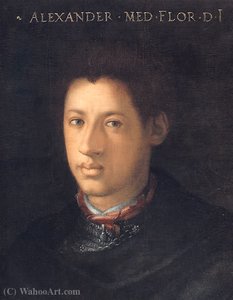
- A portrait of Alessandro de' Medici
- Place Of Birth: Florence, Italy
Related Articles
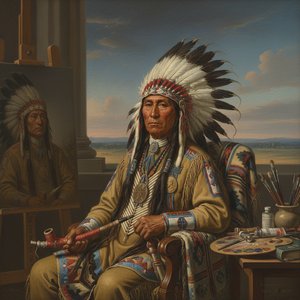
Charles Bird King: Capturing Native American Dignity Through Portraiture & Cultural Exchange
Explore the captivating portraits of Charles Bird King, renowned for his depictions of Native American leaders. Discover the historical context, artistic techniques, and collecting value of these significant 19th-century artworks.
Jacob Lawrence: Narratives of Struggle, Resilience & Modernist Innovation
Explore the powerful narratives of Jacob Lawrence, a pivotal African American artist of the Harlem Renaissance. Discover his iconic 'Migration Series,' dynamic cubism style, and lasting impact on American art history.
La Biennale's Masterpieces: 25 Artworks to Inspire Your Home | ArtsDot
Explore 25 iconic artworks from La Biennale di Venezia! Discover the stories behind masterpieces of Italian art, modernism & Renaissance paintings. Find museum-quality reproductions and elevate your home decor with ArtsDot.com. Explore the full collection online.
Aaron Siskind: Deconstructing Reality – A Photographic Exploration of Texture, Form & the Abstract Landscape
Explore the transformative journey of Aaron Siskind, from social realism to pioneering abstract photography. Discover his iconic series & lasting influence on modern art. A guide for collectors.
Daniel Maclise: Historical Narratives & Romantic Ideals in 19th-Century British Art
Explore the life & works of Daniel Maclise, a leading Victorian historical painter. Discover his captivating murals, Shakespearean scenes, and portraits at ArtsDot.com – handmade oil paintings & museum-quality prints.