 Preview
 Send
Send Share
Share
 Details

 Download
 Similars
 X-Ray
X-Ray Diaporama
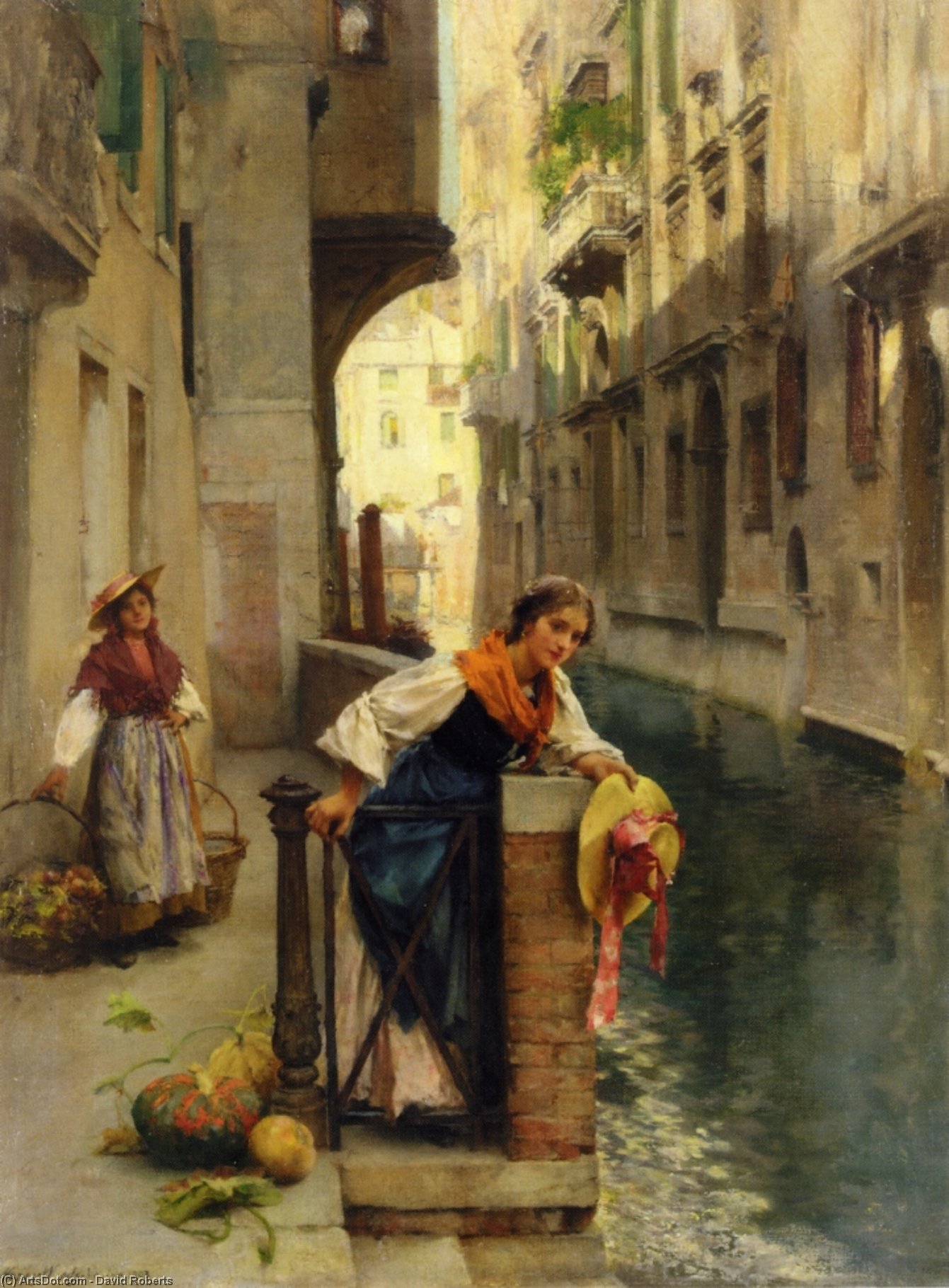
Fruit Sellers from the Islands, Venice
 Oil
Oil- WallArt
 1903
1903- 19th Century
 56.0 x 48.0 cm
 Read More
Hand Made Oil Reproduction
Hand-painted oil on canvas in your size and frame, made to order by our artists. ( Buy Print Buy Image)




P118B $10

P118H $10

P118W $10

P438Z $10

P508JH $12

P508YH $12

P805H $10

P805Z $10

P919BZ $10

P919G $10

P919XJ $10

P959ZH $10

P968JZ $12

W106C $8

W218G $10

W218JH $8

W218Y $10

W307PJ $10

W316G $10

W316PJ $8

W316Y $10

W398PJ $8

W4111J $10

W500HY $15

W500JH $15

W692G $12

W849H $8

W940BG $15

W953PJ $8




Pick from our preset sizes that match the artwork's original proportions.

You may enter your own dimensions to fit a specific frame or space. If your selected size does not match the original image's proportions, we will either crop the artwork or extend the painting with additional hand-painted elements. A digital mockup will be sent for your approval before production begins.
Please note that the on-screen preview does not reflect the actual cropping or extension. Only the mockup will accurately show the final composition.
While custom sizes are available, we recommend selecting a dimension from the predefined list to preserve the original proportions.
After order, ArtsDot.com team will email client for instructions and provide a mockup preview
Worldwide Delivery () in 3/4 weeks instead of standard 5 weeks. (17 August). No compromise on quality.

Free Worldwide Express Shipping

High-Quality Linen Canvas

Full Shipping Insurance

Customs Tax Refund Guarantee

True Color Matching Guarantee

60-Day Return Policy (Defects Only)

100% Money-Back Guarantee

Bulk Discount Offer
 Glass option is only available in size under 110 CM

Fruit Sellers from the Islands, Venice
Reproduction Medium
Reproduction Size
-


Total Price
$ 263
Artwork Description
A Glimpse into Venetian Serenity
In the delicate brushstrokes of "Fruit Sellers from the Islands, Venice," we are transported to a sun-drenched moment in 1903, where the bustling energy of Italian commerce meets the quiet grace of daily life. This exquisite painting captures two women positioned along a Venetian sidewalk, their presence anchoring a scene that feels both intimate and timeless. As they tend to their bountiful baskets, the vibrant oranges scattered throughout the composition act as small, glowing embers of color against the more muted, atmospheric tones of the street. The arrangement of the figures—one slightly tucked behind the other—creates a sense of depth and natural movement, inviting the viewer to step into this picturesque setting and linger among the scents of citrus and salt air.
The artistry of David Roberts shines through in the meticulous way he captures the essence of light and texture. While Roberts is often celebrated for his grand, sweeping Orientalist landscapes, this particular work reveals a masterful command of genre painting, focusing on the charm of the mundane. The technique employs a soft, impressionistic touch that allows the light to dance across the fruit and the fabric of the women's clothing, evoking a sense of warmth and nostalgia. Every element, from the placement of the basket on the left to the subtle shadows cast upon the pavement, is rendered with a precision that honors the historical reality of Venice while elevating the scene into a poetic dreamscape.
For the discerning collector or interior designer, this piece serves as more than just a visual ornament; it is an emotional window into a bygone era. The painting carries a profound sense of tranquility and "dolce far niente"—the sweetness of doing nothing—making it an ideal centerpiece for spaces designed for relaxation and contemplation. Its warm palette and classical subject matter allow it to integrate seamlessly into both traditional and contemporary interiors, providing a sophisticated focal point that sparks conversation. To possess a reproduction of this work is to bring a piece of Venetian history and the enduring spirit of Mediterranean life into one's own home, offering a permanent escape to the charming islands of the Adriatic.
Related Artworks
Artist Biography
David Roberts: A Life in Art
David Roberts (1796-1864) was a Scottish painter celebrated for his detailed Orientalist scenes and meticulous lithographs. His work provides invaluable visual documentation of the Middle East during the 19th century, bridging artistic representation with historical record.
Early Life and Career
Born on October 24, 1796, in Stockbridge near Edinburgh, Roberts’s early life was marked by practical training. At the age of ten, he began an apprenticeship with house painter and decorator Gavin Beugo. This foundational experience instilled a strong technical skill set, which he supplemented through evening art studies.
His initial professional work included redecorating Scone Palace in 1815. He then transitioned to scene painting for James Bannister’s circus, honing his skills in creating immersive environments. These early experiences laid the groundwork for his later success as a prominent Orientalist painter.
Artistic Journey and Influences
Roberts' artistic development was shaped by a growing fascination with different cultures and landscapes. While initially focused on theatrical scenery, he gradually shifted towards more independent artistic pursuits. His travels to Spain in 1832 were formative, sparking an interest in architectural detail and exotic locales.
However, it was his extensive tours of Egypt and the Near East (1838-1840) that truly defined his career. These journeys provided him with a wealth of sketches and observations which he later translated into his most famous works. His style wasn’t heavily influenced by any single artist, but rather developed from careful observation and technical mastery.
Notable Works and Achievements
Roberts is best known for The Holy Land, Syria, Idumea, Arabia, Egypt, and Nubia – a series of meticulously detailed lithograph prints. These images captured the grandeur of ancient sites and the vibrancy of contemporary life in the region.
- Lithographs: His lithographs were widely circulated and became highly influential in shaping European perceptions of the Middle East.
- Paintings: He also produced numerous oil paintings, often large-scale works depicting expansive landscapes and architectural marvels.
In 1841, Roberts was elected as a Royal Academician – a significant recognition of his contributions to the art world.
Artistic Style and Characteristics
Roberts’s artistic style is characterized by:
- Orientalism: A strong focus on depicting scenes from the Middle East, reflecting the European fascination with “the Orient.”
- Attention to Detail: His work is renowned for its precision and accuracy in rendering architectural details, costumes, and landscapes.
- Landscaping & Townscapes: He skillfully combined romantic sensibilities with detailed observation, creating evocative depictions of both natural environments and urban settings.
Legacy and Historical Significance
David Roberts’s work played a crucial role in popularizing the Middle East among European audiences. His images provided a visual window into a region that was largely unknown to many, influencing travel, scholarship, and artistic representation.
His lithographs served as important historical documents, preserving images of sites that have since changed or been lost. He left an indelible mark on the art world, inspiring subsequent generations of artists and continuing to captivate viewers today.
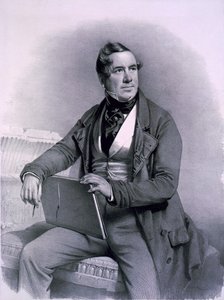
David Roberts
1796 - 1864 , United Kingdom
Quick Facts
- Birth Date: October 24, 1796
- Birth Place: Stockbridge, United Kingdom
- Death Date: 1864
- Influenced: Jenaro Pérez Villaamil, Alexander Nasmyth
- Movement: Orientalism
- Name: David Roberts
- Nationality: Scottish
- Notable Works: The Holy Land, Syria, Idumea, Arabia, Egypt, and Nubia
Related Articles
Pietro Longhi's Venetian Scenes: A Study of Rococo Society & Domestic Life
Explore the captivating world of Pietro Longhi's Venetian scenes! Discover insightful analysis of his Rococo masterpieces & social commentary on 18th-century life. Learn about this 'Venetian Hogarth' and his lasting artistic legacy.