 Preview
 Send
Send Share
Share
 Details

 Download
 Similars
 X-Ray
X-Ray Diaporama
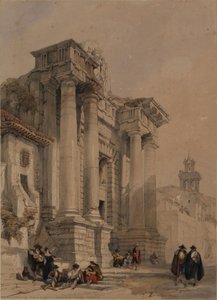
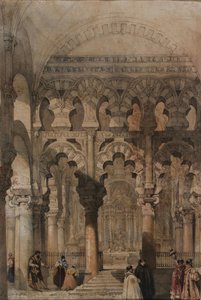
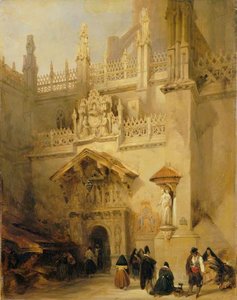
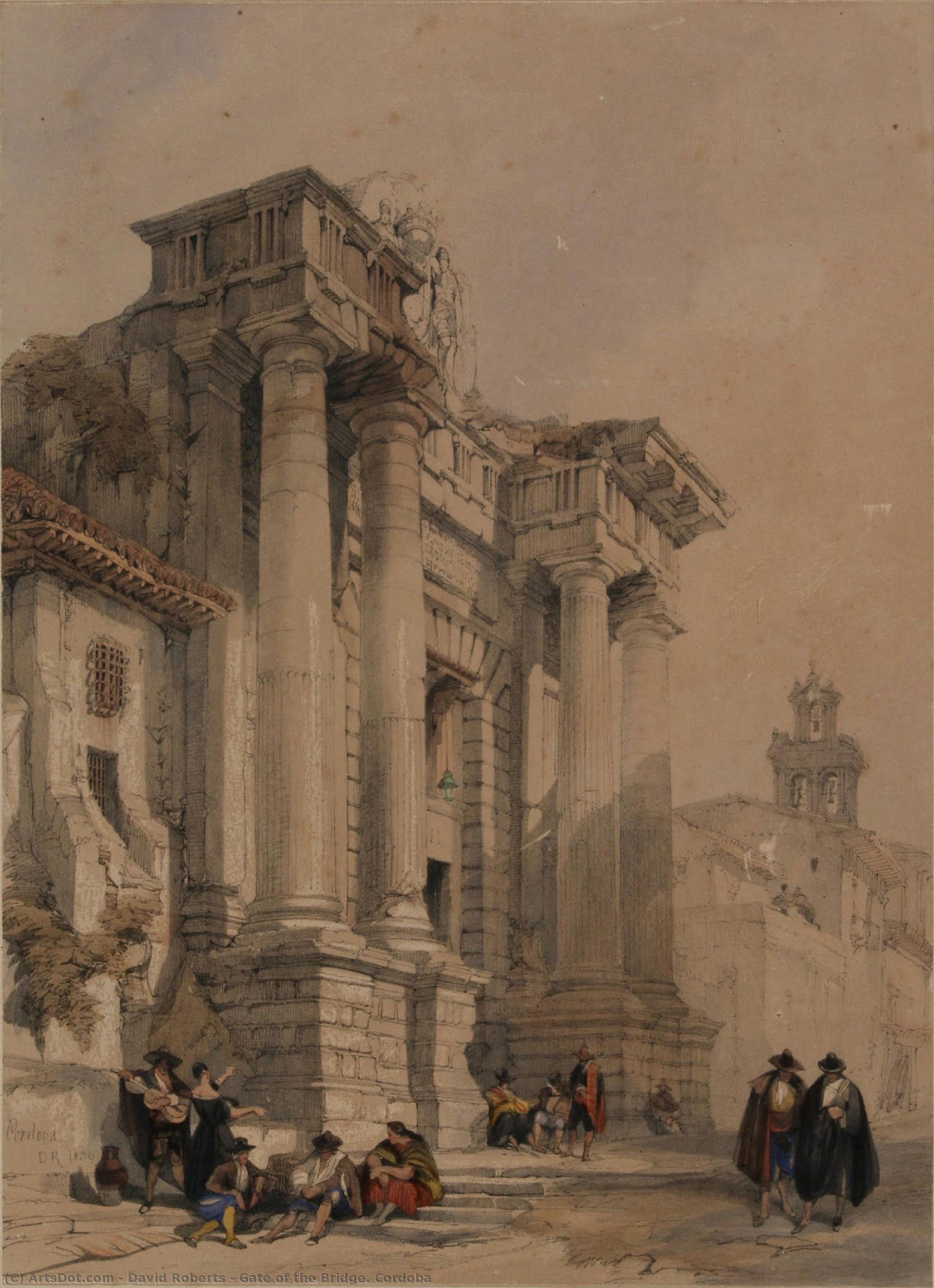
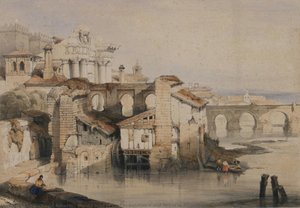
Gate of the Bridge. Cordoba
 Lithograph
- Orientalist Painting
 19th Century
 28.0 x 39.0 cm
 Museum of Fine Arts of Córdoba
 Read More
Hand Made Oil Reproduction
Hand-painted oil on canvas in your size and frame, made to order by our artists. ( Buy Print Buy Image)




P118B $10

P118H $10

P118W $10

P438Z $10

P508JH $12

P508YH $12

P805H $10

P805Z $10

P919BZ $10

P919G $10

P919XJ $10

P959ZH $10

P968JZ $12

W106C $8

W218G $10

W218JH $8

W218Y $10

W307PJ $10

W316G $10

W316PJ $8

W316Y $10

W398PJ $8

W4111J $10

W500HY $15

W500JH $15

W692G $12

W849H $8

W940BG $15

W953PJ $8




Pick from our preset sizes that match the artwork's original proportions.

You may enter your own dimensions to fit a specific frame or space. If your selected size does not match the original image's proportions, we will either crop the artwork or extend the painting with additional hand-painted elements. A digital mockup will be sent for your approval before production begins.
Please note that the on-screen preview does not reflect the actual cropping or extension. Only the mockup will accurately show the final composition.
While custom sizes are available, we recommend selecting a dimension from the predefined list to preserve the original proportions.
After order, ArtsDot.com team will email client for instructions and provide a mockup preview
Worldwide Delivery () in 3/4 weeks instead of standard 5 weeks. (16 August). No compromise on quality.

Free Worldwide Express Shipping

High-Quality Linen Canvas

Full Shipping Insurance

Customs Tax Refund Guarantee

True Color Matching Guarantee

60-Day Return Policy (Defects Only)

100% Money-Back Guarantee

Bulk Discount Offer
 Glass option is only available in size under 110 CM

Gate of the Bridge. Cordoba
Reproduction Medium
Reproduction Size
-


Total Price
$ 263
Artwork Description
David Roberts’s “Gate of the Bridge” – A Window Into Córdoba's Soul
David Roberts (1796-1864) stands as a pivotal figure in British Romantic landscape painting, yet his artistic legacy extends far beyond picturesque vistas. He achieved renown for meticulously crafted Orientalist scenes—particularly those depicting Middle Eastern cities and monuments—that served not only as visual records but also as conduits of cultural understanding during the Victorian era. Among his celebrated works is “Gate of the Bridge,” Córdoba, a lithograph executed in 1836 that captures the grandeur of this Andalusian city with remarkable detail and artistic sensitivity. This essay delves into the painting’s significance, exploring its stylistic choices, technical prowess, historical context, and enduring emotional resonance.A Visionary's Eye: Style and Technique
Roberts’s approach to Orientalism wasn’t merely descriptive; it was infused with a profound desire to convey atmosphere and emotion. “Gate of the Bridge” exemplifies this characteristic through its masterful use of chiaroscuro—the dramatic interplay of light and shadow—a technique honed during his extensive travels in Egypt and Persia. The artist skillfully employs hatching and cross-hatching to build up tonal gradations, creating a palpable sense of depth and solidity within the architectural composition. Furthermore, Roberts’s meticulous attention to detail extends beyond mere representation; he subtly incorporates elements of Romantic idealism, imbuing the scene with an aura of sublime beauty—a reaction against the prevailing Enlightenment emphasis on reason and observation.Cordoba's Monumental Presence: Historical Context
The painting depicts Córdoba’s Puerta del Puente, one of the city’s most iconic landmarks – a testament to its rich Islamic heritage before the Reconquista. Constructed during the Umayyad Caliphate (8th-12th centuries), the bridge served as a vital artery connecting the old and new cities and embodies the architectural achievements of that era. Roberts's decision to portray this monument wasn’t arbitrary; it reflected the broader fascination with Islamic art and culture within Victorian Britain, fueled by scholarly expeditions and burgeoning interest in exotic locales. The painting captures Córdoba at a moment of transition—the lingering influence of Islamic grandeur juxtaposed against the encroaching presence of Christian Spain—a visual narrative that speaks to the complexities of Iberian history.Symbolism Beyond Representation
Beyond its technical brilliance and historical accuracy, “Gate of the Bridge” resonates with symbolic meaning. The bridge itself represents connection – linking past and present, East and West – mirroring Roberts’s artistic ambition to transcend mere imitation and convey a deeper understanding of cultural traditions. The imposing columns of the Puerta del Puente symbolize strength and permanence, reflecting Córdoba's enduring legacy as a center of learning and culture. Moreover, the inclusion of a clock subtly underscores the passage of time—a reminder that even monumental structures are subject to decay and transformation—adding another layer of contemplative reflection to the artwork’s visual narrative.An Emotional Resonance: Capturing Sublime Beauty
Ultimately, “Gate of the Bridge” succeeds in evoking a powerful emotional response from the viewer. Roberts's masterful rendering of light and shadow creates an atmosphere of solemn grandeur, transporting us back to 19th-century Córdoba and immersing us in its timeless beauty. The painting’s composition—characterized by careful balance and harmonious proportions—promotes contemplation and invites viewers to appreciate the sublime qualities inherent in natural landscapes and architectural masterpieces alike. It stands as a testament to Roberts's artistic vision—a celebration of cultural heritage combined with an unwavering commitment to capturing the essence of human experience.Related Artworks
Artist Biography
David Roberts: A Life in Art
David Roberts (1796-1864) was a Scottish painter celebrated for his detailed Orientalist scenes and meticulous lithographs. His work provides invaluable visual documentation of the Middle East during the 19th century, bridging artistic representation with historical record.
Early Life and Career
Born on October 24, 1796, in Stockbridge near Edinburgh, Roberts’s early life was marked by practical training. At the age of ten, he began an apprenticeship with house painter and decorator Gavin Beugo. This foundational experience instilled a strong technical skill set, which he supplemented through evening art studies.
His initial professional work included redecorating Scone Palace in 1815. He then transitioned to scene painting for James Bannister’s circus, honing his skills in creating immersive environments. These early experiences laid the groundwork for his later success as a prominent Orientalist painter.
Artistic Journey and Influences
Roberts' artistic development was shaped by a growing fascination with different cultures and landscapes. While initially focused on theatrical scenery, he gradually shifted towards more independent artistic pursuits. His travels to Spain in 1832 were formative, sparking an interest in architectural detail and exotic locales.
However, it was his extensive tours of Egypt and the Near East (1838-1840) that truly defined his career. These journeys provided him with a wealth of sketches and observations which he later translated into his most famous works. His style wasn’t heavily influenced by any single artist, but rather developed from careful observation and technical mastery.
Notable Works and Achievements
Roberts is best known for The Holy Land, Syria, Idumea, Arabia, Egypt, and Nubia – a series of meticulously detailed lithograph prints. These images captured the grandeur of ancient sites and the vibrancy of contemporary life in the region.
- Lithographs: His lithographs were widely circulated and became highly influential in shaping European perceptions of the Middle East.
- Paintings: He also produced numerous oil paintings, often large-scale works depicting expansive landscapes and architectural marvels.
In 1841, Roberts was elected as a Royal Academician – a significant recognition of his contributions to the art world.
Artistic Style and Characteristics
Roberts’s artistic style is characterized by:
- Orientalism: A strong focus on depicting scenes from the Middle East, reflecting the European fascination with “the Orient.”
- Attention to Detail: His work is renowned for its precision and accuracy in rendering architectural details, costumes, and landscapes.
- Landscaping & Townscapes: He skillfully combined romantic sensibilities with detailed observation, creating evocative depictions of both natural environments and urban settings.
Legacy and Historical Significance
David Roberts’s work played a crucial role in popularizing the Middle East among European audiences. His images provided a visual window into a region that was largely unknown to many, influencing travel, scholarship, and artistic representation.
His lithographs served as important historical documents, preserving images of sites that have since changed or been lost. He left an indelible mark on the art world, inspiring subsequent generations of artists and continuing to captivate viewers today.
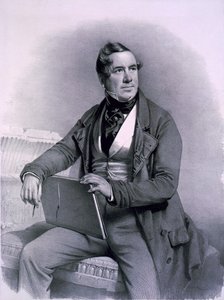
David Roberts
1796 - 1864 , United Kingdom
Quick Facts
- Birth Date: October 24, 1796
- Birth Place: Stockbridge, United Kingdom
- Death Date: 1864
- Influenced: Jenaro Pérez Villaamil, Alexander Nasmyth
- Movement: Orientalism
- Name: David Roberts
- Nationality: Scottish
- Notable Works: The Holy Land, Syria, Idumea, Arabia, Egypt, and Nubia
Related Articles

Romantic Landscapes: 10 Masterpieces for Your Home | ArtsDot
Journey through 10 Romantic landscape masterpieces by Friedrich, Turner & Cole. Explore emotional art, sublime nature scenes & iconic 19th-century paintings. Find museum-quality reproductions for your home at ArtsDot.com – discover the full collection online!

David Roberts: A Scottish Pioneer of Topographical Art & Orientalist Vision
Explore the captivating world of David Roberts, a pioneering Scottish painter renowned for his detailed Orientalist scenes & stunning Egyptian landscapes. Discover his legacy and find museum-quality reproductions at ArtsDot.

Beyond the Horizon: 10 Landscape Masterpieces for Your Home Decor
Journey through 10 breathtaking landscape paintings by Monet, Van Gogh & more! Explore iconic artworks, artistic techniques & find inspiration for your home decor. Museum-quality reproductions at ArtsDot.com. Discover all masterpieces on ArtsDot.com
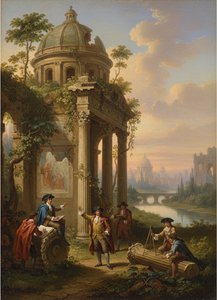
Hubert Robert: Picturing Ruins, Preserving Memory – A Study of Romantic Antiquarianism & Artistic Innovation
Explore the captivating world of Hubert Robert, master of Romantic landscape painting & 'capriccio' ruins. Discover his historical context, artistic innovations, and collecting insights with ArtsDot.
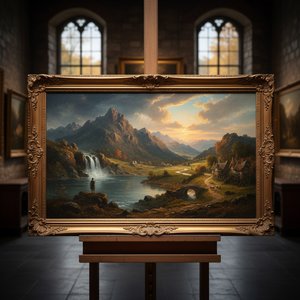
The Sublime and the Picturesque: Exploring Emotion & Nature in Romantic Landscape Painting
Explore the emotional power of Romantic landscape painting! Discover the sublime & picturesque traditions, key artists like Friedrich & Cole, and find your perfect artwork at ArtsDot.