 Preview
 Send
Send Share
Share
 Details

 Download
 Similars
 X-Ray
X-Ray Diaporama
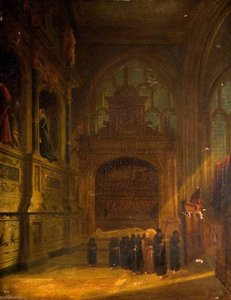
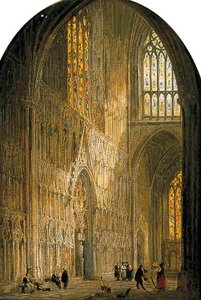
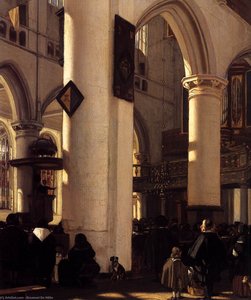
King's College Chapel Cambridge
 Oil On Canvas
- WallArt
 1837
1837- 19th Century
 70.0 x 56.0 cm
 Read More
Hand Made Oil Reproduction
Hand-painted oil on canvas in your size and frame, made to order by our artists. ( Buy Print Buy Image)




P118B $10

P118H $10

P118W $10

P438Z $10

P508JH $12

P508YH $12

P805H $10

P805Z $10

P919BZ $10

P919G $10

P919XJ $10

P959ZH $10

P968JZ $12

W106C $8

W218G $10

W218JH $8

W218Y $10

W307PJ $10

W316G $10

W316PJ $8

W316Y $10

W398PJ $8

W4111J $10

W500HY $15

W500JH $15

W692G $12

W849H $8

W940BG $15

W953PJ $8




Pick from our preset sizes that match the artwork's original proportions.

You may enter your own dimensions to fit a specific frame or space. If your selected size does not match the original image's proportions, we will either crop the artwork or extend the painting with additional hand-painted elements. A digital mockup will be sent for your approval before production begins.
Please note that the on-screen preview does not reflect the actual cropping or extension. Only the mockup will accurately show the final composition.
While custom sizes are available, we recommend selecting a dimension from the predefined list to preserve the original proportions.
After order, ArtsDot.com team will email client for instructions and provide a mockup preview
Worldwide Delivery () in 3/4 weeks instead of standard 5 weeks. (16 August). No compromise on quality.

Free Worldwide Express Shipping

High-Quality Linen Canvas

Full Shipping Insurance

Customs Tax Refund Guarantee

True Color Matching Guarantee

60-Day Return Policy (Defects Only)

100% Money-Back Guarantee

Bulk Discount Offer
 Glass option is only available in size under 110 CM

King's College Chapel Cambridge
Reproduction Medium
Reproduction Size
-


Total Price
$ 263
Artwork Description
A Vision of Gothic Grandeur
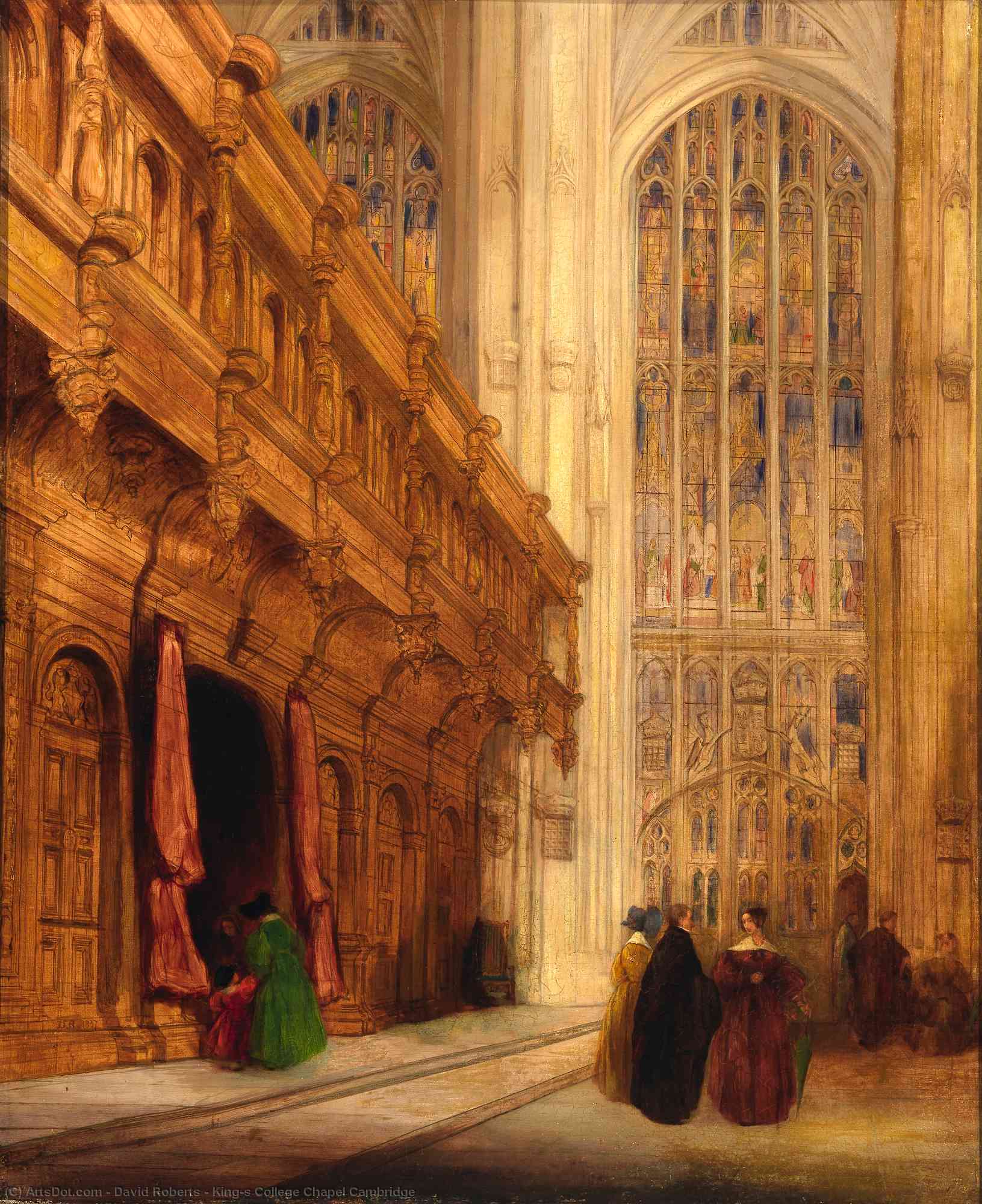
In this breathtaking oil on canvas, David Roberts invites us to step within the hallowed, light-drenched sanctuary of King's College Chapel in Cambridge. Painted in 1837, the work serves as more than a mere architectural study; it is a profound meditation on the intersection of human presence and divine architecture. The composition captures the soaring perpendicular Gothic majesty of the chapel, where the intricate stonework and magnificent stained glass windows act as vessels for natural light. As the sun filters through the ancient panes, it illuminates the vast interior, casting a soft, ethereal glow that dances across the stone surfaces, creating an atmosphere of profound stillness and reverence.
Roberts, a master of capturing the atmospheric weight of historical spaces, utilizes a delicate interplay of light and shadow to guide the viewer's eye through the immense scale of the nave. The technique is characterized by a meticulous attention to detail, where the textures of the masonry and the vibrant, jewel-like hues of the stained glass are rendered with such precision that one can almost feel the cool, damp air of the chapel. This mastery of light—a hallmark of Roberts's ability to document both the Orient and the grand traditions of Europe—transforms the scene from a static architectural record into a living, breathing moment in time.
The Human Element and Narrative Depth
What distinguishes this particular piece is the subtle inclusion of human figures, which provides a vital sense of scale and narrative intimacy. Amidst the overwhelming grandeur of the vaulted ceilings, small groups of people move through the space, their presence grounding the monumental architecture in the reality of daily life. A particularly poignant detail involves an individual opening a green coat, a sudden splash of color that breaks the otherwise monochromatic and somber tones of the stone interior. This small, transient gesture—a moment of personal movement captured within an eternal setting—creates a captivating tension between the fleeting nature of human existence and the enduring permanence of the chapel itself.
For the discerning collector or interior designer, this painting offers a sophisticated layer of historical storytelling. The presence of these figures suggests a sense of shared history and tradition, evoking the many generations who have walked these same aisles in contemplation. The emotional impact is one of quiet awe; it is a piece that commands attention through its scale and complexity while simultaneously offering a sanctuary of peace for the viewer. Whether placed in a grand library, a formal study, or a contemporary living space, this reproduction brings with it the weight of history and the luminous beauty of the English Gothic tradition, making it an incomparable centerpiece for any curated collection.
Related Artworks

Artist Biography
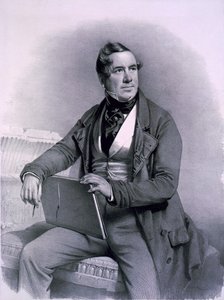
David Roberts: A Life in Art
David Roberts (1796-1864) was a Scottish painter celebrated for his detailed Orientalist scenes and meticulous lithographs. His work provides invaluable visual documentation of the Middle East during the 19th century, bridging artistic representation with historical record.
Early Life and Career
Born on October 24, 1796, in Stockbridge near Edinburgh, Roberts’s early life was marked by practical training. At the age of ten, he began an apprenticeship with house painter and decorator Gavin Beugo. This foundational experience instilled a strong technical skill set, which he supplemented through evening art studies.
His initial professional work included redecorating Scone Palace in 1815. He then transitioned to scene painting for James Bannister’s circus, honing his skills in creating immersive environments. These early experiences laid the groundwork for his later success as a prominent Orientalist painter.
Artistic Journey and Influences
Roberts' artistic development was shaped by a growing fascination with different cultures and landscapes. While initially focused on theatrical scenery, he gradually shifted towards more independent artistic pursuits. His travels to Spain in 1832 were formative, sparking an interest in architectural detail and exotic locales.
However, it was his extensive tours of Egypt and the Near East (1838-1840) that truly defined his career. These journeys provided him with a wealth of sketches and observations which he later translated into his most famous works. His style wasn’t heavily influenced by any single artist, but rather developed from careful observation and technical mastery.
Notable Works and Achievements
Roberts is best known for The Holy Land, Syria, Idumea, Arabia, Egypt, and Nubia – a series of meticulously detailed lithograph prints. These images captured the grandeur of ancient sites and the vibrancy of contemporary life in the region.
- Lithographs: His lithographs were widely circulated and became highly influential in shaping European perceptions of the Middle East.
- Paintings: He also produced numerous oil paintings, often large-scale works depicting expansive landscapes and architectural marvels.
In 1841, Roberts was elected as a Royal Academician – a significant recognition of his contributions to the art world.
Artistic Style and Characteristics
Roberts’s artistic style is characterized by:
- Orientalism: A strong focus on depicting scenes from the Middle East, reflecting the European fascination with “the Orient.”
- Attention to Detail: His work is renowned for its precision and accuracy in rendering architectural details, costumes, and landscapes.
- Landscaping & Townscapes: He skillfully combined romantic sensibilities with detailed observation, creating evocative depictions of both natural environments and urban settings.
Legacy and Historical Significance
David Roberts’s work played a crucial role in popularizing the Middle East among European audiences. His images provided a visual window into a region that was largely unknown to many, influencing travel, scholarship, and artistic representation.
His lithographs served as important historical documents, preserving images of sites that have since changed or been lost. He left an indelible mark on the art world, inspiring subsequent generations of artists and continuing to captivate viewers today.
David Roberts
1796 - 1864 , United Kingdom
Quick Facts
- Birth Date: October 24, 1796
- Birth Place: Stockbridge, United Kingdom
- Death Date: 1864
- Influenced: Jenaro Pérez Villaamil, Alexander Nasmyth
- Movement: Orientalism
- Name: David Roberts
- Nationality: Scottish
- Notable Works: The Holy Land, Syria, Idumea, Arabia, Egypt, and Nubia
Related Articles

Illuminating Masterpieces: A Comprehensive Guide to Art Lighting for Enhanced Aesthetic Impact and Preservation
Discover expert guidance on art lighting & preservation. Learn how to protect your valuable collection with optimal illumination techniques for lasting beauty. Enhance aesthetic impact & prevent damage – a comprehensive guide.