 Preview
 Send
Send Share
Share
 Details

 Download
 Similars
 X-Ray
X-Ray Diaporama
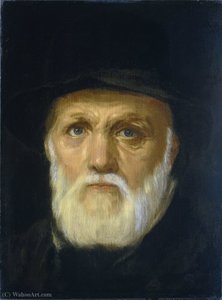
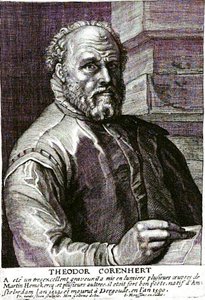
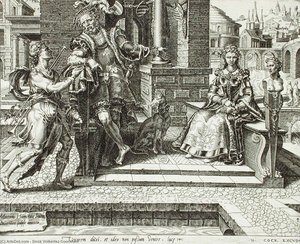
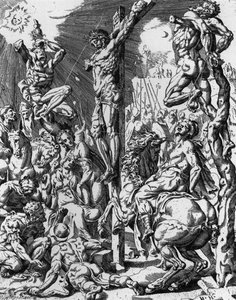
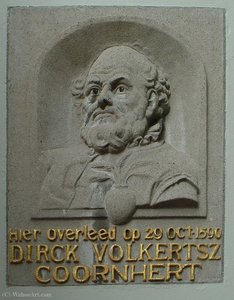
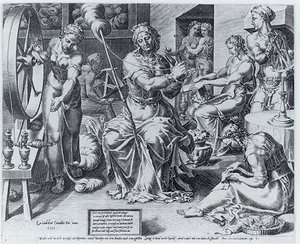
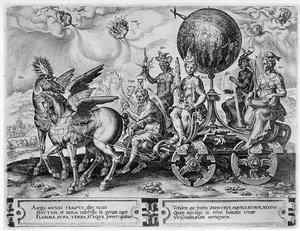
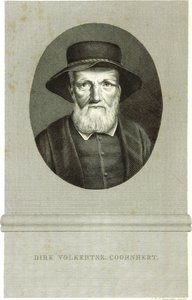
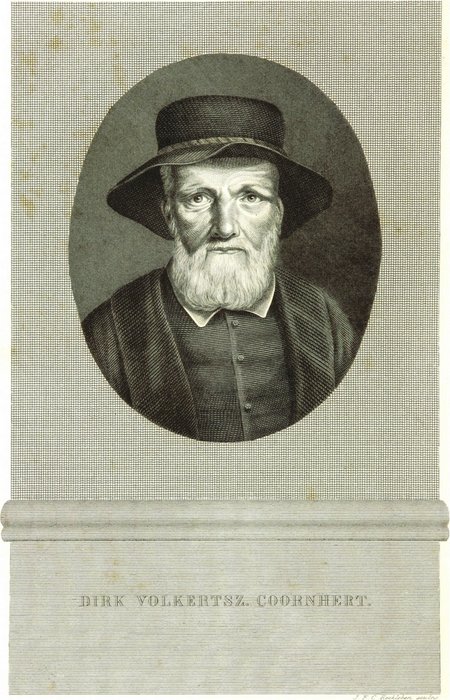
Dirk volkertsz coornhert

 Read More
Hand Made Oil Reproduction
Hand-painted oil on canvas in your size and frame, made to order by our artists. ( Buy Print Buy Image)




































Pick from our preset sizes that match the artwork's original proportions.

You may enter your own dimensions to fit a specific frame or space. If your selected size does not match the original image's proportions, we will either crop the artwork or extend the painting with additional hand-painted elements. A digital mockup will be sent for your approval before production begins.
Please note that the on-screen preview does not reflect the actual cropping or extension. Only the mockup will accurately show the final composition.
While custom sizes are available, we recommend selecting a dimension from the predefined list to preserve the original proportions.
After order, ArtsDot.com team will email client for instructions and provide a mockup preview
Worldwide Delivery () in 3/4 weeks instead of standard 5 weeks. (21 August). No compromise on quality.

Free Worldwide Express Shipping

High-Quality Linen Canvas

Full Shipping Insurance

Customs Tax Refund Guarantee

True Color Matching Guarantee

60-Day Return Policy (Defects Only)

100% Money-Back Guarantee

Bulk Discount Offer
 Glass option is only available in size under 110 CM

Dirk volkertsz coornhert
Reproduction Medium
Reproduction Size
-


Total Price
$ 263
Related Artworks
Artist Biography
Piero di Cosimo: A Florentine Master of Myth and Mannerism
Born in Florence around 1462, Piero di Cosimo stands as a compelling figure within the transition between the Early Renaissance and the burgeoning Mannerist style. While often overshadowed by his more celebrated contemporaries – Botticelli, Leonardo da Vinci, and Michelangelo – Piero’s unique vision, characterized by a captivating blend of realism and whimsical invention, secured him a lasting place in art history. He wasn't merely a painter; he was a storyteller, an interpreter of classical mythology and allegorical themes who imbued his works with a distinctly Florentine sensibility.
Piero’s artistic journey began under the tutelage of Cosimo Rosselli, a prominent artist known for his contributions to the Sistine Chapel frescoes. This early association profoundly shaped Piero's approach, introducing him to the techniques and aesthetics of the late Quattrocento. However, it was his subsequent collaboration with Rosselli on the *Adoration of the Shepherds* – a work now housed in Berlin – that truly established his distinctive style. This piece, brimming with vibrant color, dynamic composition, and an intimate portrayal of the figures, showcased Piero’s burgeoning talent for capturing human emotion and creating a sense of immediacy. Notably, it reveals a strong influence from Hugo van der Goes, particularly in its detailed rendering of landscape and the expressive gestures of the characters.
Piero's artistic development wasn't solely defined by his master; he also absorbed elements from Early Netherlandish painting – a style characterized by meticulous detail, heightened realism, and an emphasis on symbolism. This influence is evident in his landscapes, often depicted with remarkable intimacy, showcasing forests seen close at hand, filled with intricate details of flora and fauna. These scenes weren’t merely decorative; they served as integral components of the narrative, adding layers of meaning to the allegorical subjects he frequently explored.
The Influence of Savonarola and a Shift in Subject Matter
A pivotal moment in Piero di Cosimo's career arrived during the tumultuous period of Girolamo Savonarola’s influence over Florence. The Dominican friar’s fervent sermons against worldly excess and artistic decadence led to the closure of workshops and a dramatic shift in artistic priorities. Piero, deeply affected by this religious fervor, abandoned his previous focus on mythological subjects and turned towards more religiously themed works. This decision, documented by Vasari, reflects a profound personal transformation – a rejection of secular pleasures in favor of piety.
This period saw Piero producing works like *The Nativity*, characterized by their stark realism and emotional intensity. The shift is palpable; the vibrant colors and dynamic compositions of his earlier work give way to a more restrained palette and a focus on conveying spiritual meaning. It’s important to note that this change wasn't simply a stylistic adjustment; it represented a genuine ideological commitment, driven by the prevailing religious climate.
Mannerist Innovations and The Fontainebleau School
Despite his return to religious subjects, Piero di Cosimo remained firmly rooted in the Early Renaissance style. However, he subtly incorporated Mannerist innovations – a tendency towards elongated figures, distorted perspective, and an emphasis on emotional expression – into his work. This is particularly evident in paintings like *The Death of Procris*, where the figures are rendered with a heightened sense of drama and psychological intensity.
Piero’s artistic circle extended beyond Florence, influencing the development of the Fontainebleau school of Mannerism. His association with Cosimo Rosselli's daughter, and subsequent marriage, brought him into contact with Rosso Fiorentino and other artists working in Rome and France. The influence of these figures – particularly Rosso Fiorentino – can be seen in Piero’s later works, characterized by a heightened sense of theatricality and an exploration of complex allegorical themes.
Legacy and Notable Works
Piero di Cosimo's legacy lies not in grand, monumental masterpieces but rather in a collection of intimate, evocative paintings that capture the spirit of his time. His works – including *Venus, Mars, and Cupid*, *The Death of Procris*, *The Nativity*, and numerous long-format panels for cassone and spalliera chests – offer a unique glimpse into the artistic landscape of Florence during the transition from the Early Renaissance to Mannerism.
His paintings are prized for their psychological depth, their masterful use of color and composition, and their ability to evoke a sense of wonder and mystery. Piero di Cosimo’s enduring appeal resides in his capacity to seamlessly blend realism with imagination, creating works that continue to captivate viewers centuries after their creation. His work stands as a testament to the power of individual vision within the broader currents of artistic history.
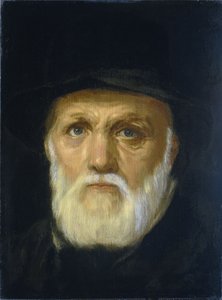
dirck volkertsz coornhert
1522 - 1590 , Netherlands
Quick Facts
- Artistic Movement Or Style: Mannerism
- Artists Or Movements Influenced By This Artist: ['Albrecht Dürer']
- Artists Who Influenced This Artist: ['Jean Cousin the Elder']
- Date Of Birth: ca. 1522
- Date Of Death: 1595
- Full Name: Jehan Cousin the younger”, “le jeune”
- Nationality: French
- Notable Artworks:
- Mythology figure
- Genre paintings
- Place Of Birth: Sens, France
Related Articles
Engraving's Golden Age: 10 Masterpieces That Redefined Art | ArtsDot
Journey through art history with our Top 10 Legendary Engravings! Explore masterpieces by Dürer, Rembrandt & Goya. Discover the stories behind these iconic prints and find museum-quality reproductions for your home at ArtsDot.com.
Engraving: A Historical Survey of Technique, Artistic Expression & Enduring Legacy
Explore the rich history of engraving with ArtsDot. Discover techniques, iconic artists like Dürer & Callot, collecting tips, and expert guidance for preserving your art investment. Learn about intaglio printing & more!
Hendrick Goltzius: Master Engraver & the Flourishing of Dutch Mannerism
Explore the life & art of Hendrick Goltzius, a master engraver of Dutch Mannerism. Discover his innovative techniques, iconic engravings like 'Jahel', and lasting influence on Baroque art. Learn about collecting Goltzius today.
The Intricate World of Engraving: A Historical Survey of Technique, Artistic Expression & Enduring Legacy
Explore the rich history of engraving with ArtsDot. Discover techniques, iconic artists like Dürer & Callot, collecting tips, and expert guidance for preserving your art investment. Learn about intaglio printing & more!
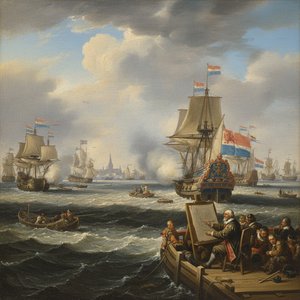
Willem van de Velde the Elder: Master of Maritime Painting & Chronicler of the Dutch Golden Age
Discover the captivating maritime paintings of Willem van de Velde the Elder, a master chronicler of the Dutch Golden Age. Explore his unparalleled realism and lasting influence on naval art history.