 Preview
 Send
Send Share
Share
 Details

 Download
 Similars
 X-Ray
X-Ray Diaporama
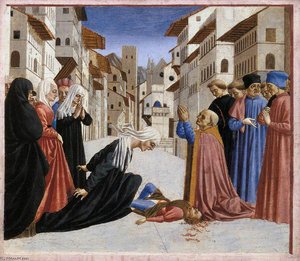
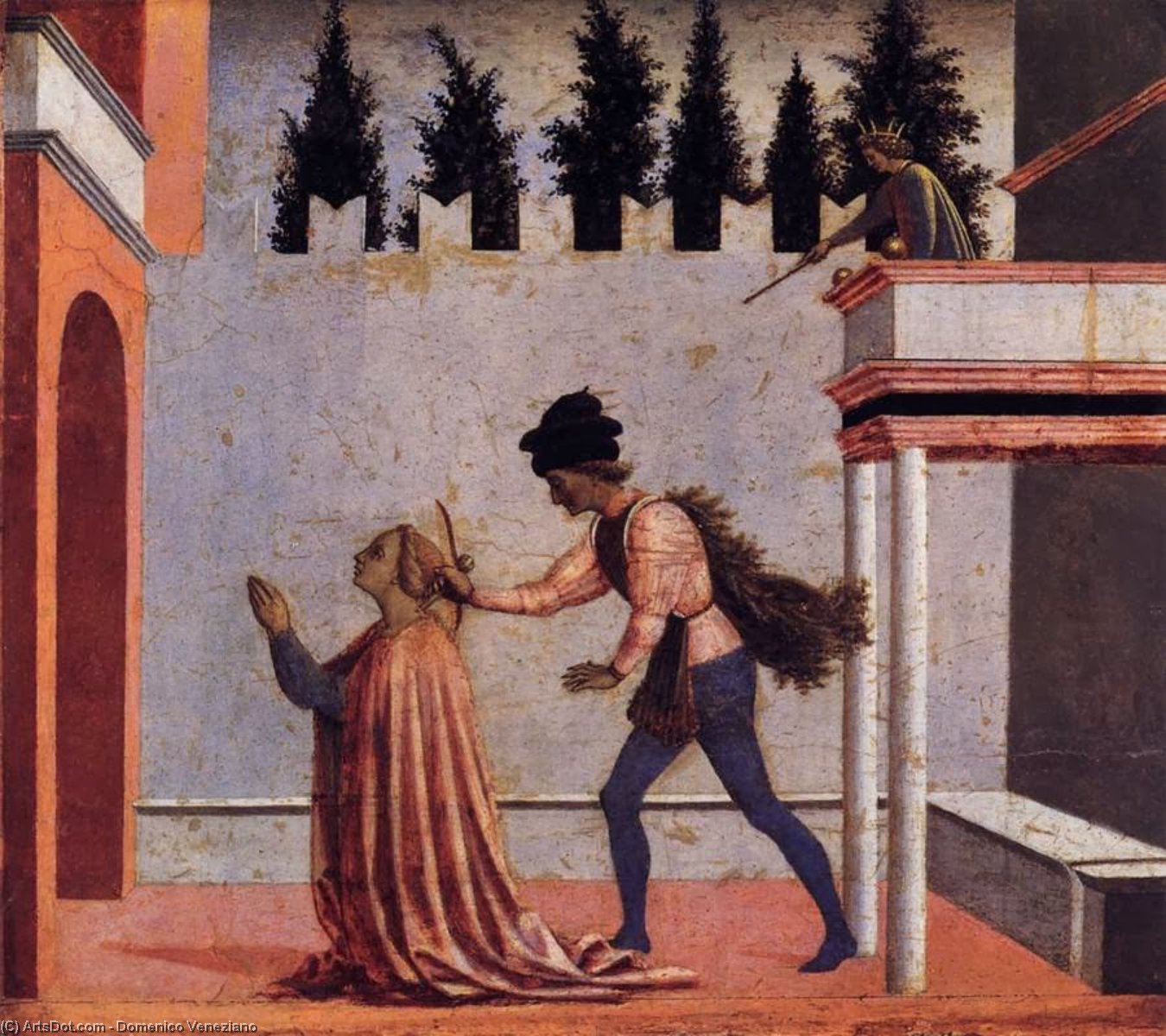
Martyrdom of St Lucy (predella 5)
 Acrylic On Canvas
- WallArt
- Early Renaissance
 1445
1445 25.0 x 29.0 cm
 Staatliche Museen
 Read More
Giclée / Art Print
Museum-quality giclée or canvas print with fast production and flexible finish options. ( Buy Hand Made Painting Buy Image)




P118B $10

P118H $10

P118W $10

P438Z $10

P508JH $12

P508YH $12

P805H $10

P805Z $10

P919BZ $10

P919G $10

P919XJ $10

P959ZH $10

P968JZ $12

W106C $8

W218G $10

W218JH $8

W218Y $10

W307PJ $10

W316G $10

W316PJ $8

W316Y $10

W398PJ $8

W4111J $10

W500HY $15

W500JH $15

W692G $12

W849H $8

W940BG $15

W953PJ $8




Pick from our preset sizes that match the artwork's original proportions.

You may enter your own dimensions to fit a specific frame or space. If your selected size does not match the original image's proportions, we will either crop the artwork or extend the image with a mirrored or solid-fill edge. A digital mockup will be sent for your approval before production begins.
Please note that the on-screen preview does not reflect the actual cropping or extension. Only the mockup will accurately show the final composition.
While custom sizes are available, we recommend selecting a dimension from the predefined list to preserve the original proportions.
Worldwide Delivery () in 2 weeks instead of standard 4/5 weeks. (28 August)

Free Worldwide Express Shipping

High-Quality Linen Canvas

Full Shipping Insurance

Customs Tax Refund Guarantee

True Color Matching Guarantee

60-Day Return Policy (Defects Only)

100% Money-Back Guarantee

Bulk Discount Offer
 Glass option is only available in size under 110 CM

Martyrdom of St Lucy (predella 5)
Giclée / Art Print
Reproduction Size
-


Total Price
$ 63
The Martyrdom's Silent Drama: Domenico Veneziano’s St Lucy
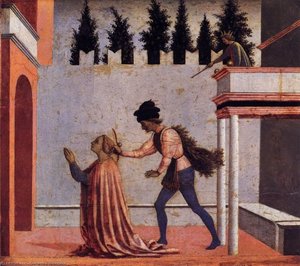
Domenico Veneziano’s “Martyrdom of St Lucy (Predella 5)” is not merely a depiction of a historical event; it’s a profound meditation on faith, sacrifice, and the enduring power of virtue. Painted in 1445 during his Florentine period, this panel fragment—a portion of a larger altarpiece—captures a moment of agonizing serenity within the brutal reality of St Lucy's execution. The scene unfolds within a meticulously rendered interior, bathed in a muted palette dominated by cool blues and greens, punctuated by the warm glow of candlelight – a deliberate choice that evokes both the solemnity of death and the unwavering light of faith. Veneziano’s genius lies not just in his technical mastery but in his ability to imbue a seemingly straightforward narrative with an overwhelming sense of emotional depth.
The composition is carefully balanced, drawing the eye immediately to St Lucy herself. Kneeling before her executioner, she exhibits a remarkable composure—a quiet dignity that speaks volumes about her unwavering belief. Her head is held high, a gesture of defiance and acceptance, while her hands are clasped in prayer. The swordsman, rendered with stark realism, stands poised above her, his face obscured, symbolizing the impersonal nature of violence and the loss of humanity inherent in acts of cruelty. Noticeably, he’s not depicted as triumphant or gleeful; rather, a sense of grim duty permeates his posture, suggesting a tragic inevitability.
A Renaissance Palette: Technique and Innovation
Veneziano's approach to fresco painting during this period was revolutionary, particularly for his use of color. Departing from the predominantly earthy tones favored by many of his contemporaries, he embraced a brighter, more luminous palette—a hallmark of his style. This is most evident in the subtle gradations of blue and green that define the background, creating an atmosphere of both depth and tranquility. The application of tempera on wood panels allowed for greater detail and luminosity than traditional fresco techniques, contributing to the painting’s remarkable vibrancy.
The artist skillfully employs *sfumato*, a technique perfected by Leonardo da Vinci, to soften edges and create a hazy effect, particularly around St Lucy's face. This blurring of outlines contributes to the overall sense of mystery and emotional intensity, inviting viewers to contemplate her inner state. Furthermore, Veneziano’s attention to detail is remarkable—from the folds of the drapery to the texture of the stone floor—demonstrating a meticulous approach that reflects his deep understanding of human anatomy and perspective.
Symbolism and Spiritual Resonance
The “Martyrdom of St Lucy” is rich in symbolic meaning. St Lucy, a Roman virgin renowned for her piety and virtue, was martyred for refusing to succumb to the advances of the Emperor’s prefect. Her story became a potent symbol of Christian resistance against tyranny and corruption. The presence of the onlookers—represented by two figures on either side of the scene—underscores the public nature of St Lucy's sacrifice and its impact on the wider community.
The inclusion of potted plants within the composition adds another layer of symbolism. These elements, reminiscent of classical Roman gardens, represent the flourishing of virtue and faith amidst adversity. They serve as a visual reminder that even in the darkest of times, beauty and hope can endure. The overall arrangement suggests a microcosm of the world—a space where earthly concerns are juxtaposed with spiritual ideals.
A Legacy of Light: Veneziano’s Influence
Domenico Veneziano's “Martyrdom of St Lucy” stands as a pivotal work in the transition from Early Renaissance to High Renaissance art. His innovative use of color, his mastery of *sfumato*, and his profound understanding of human emotion profoundly influenced subsequent generations of painters, including Mantegna, who greatly admired his work. Reproductions of this panel offer a captivating glimpse into the artistic sensibilities of a truly exceptional artist—a testament to the enduring power of faith, courage, and beauty in the face of suffering.
Related Artworks
![Legend Of St Francis - [23] - St Francis Mourned By St Clare — Giotto Di Bondone, Gothic](/media/artworks/images-thumb/17/1c/171c284c41dc3ef8bca83e51c1e1e531.jpg)

Artist Biography
The Luminous Vision of Domenico Veneziano
Domenico Veneziano, a name that resonates with the soft glow of the Early Renaissance, remains one of the most captivating enigmas of the fifteenth century. Born around 1410 in the vibrant maritime atmosphere of Venice, his life’s journey would eventually lead him to become a pivotal figure in the Florentine school. While much of his early biography remains shrouded in the mists of history, the brilliance of his canvases provides a clear window into a soul dedicated to the mastery of light. His artistic evolution was not merely a personal progression but a transformative movement that bridged the gap between the decorative elegance of the International Gothic style and the profound, structural clarity of the Renaissance.
The foundations of Veneziano’s genius were laid through a series of prestigious encounters with the masters of his era. His apprenticeship under the renowned Gentile da Fabriano in Florence during the early 1420s allowed him to absorb the intricate detail and rhythmic grace characteristic of the late Gothic tradition. However, it was his exposure to the burgeoning scientific approach to perspective and form—championed by figures such as Piero della Francesca—that truly ignited his creative spirit. This synthesis of Venetian coloristic sensitivity and Florentine structural rigor allowed him to develop a unique visual language, one where light does not merely illuminate a scene but becomes an active participant in the narrative itself.
A Mastery of Light and Color
What distinguishes the work of Domenico Veneziano from his contemporaries is his audacious and revolutionary approach to the medium. He was a pioneer in the use of luminous, delicate palettes that seemed to breathe with an internal radiance. In masterpieces such as The Madonna and Child with Saints, one can witness his experimental spirit; his decision to utilize oil paint at a time when tempera was the standard was a bold departure from convention. This technique allowed for subtle tonal gradations and atmospheric effects that captured the ephemeral quality of light hitting a surface, creating a sense of depth and air that was unprecedented.
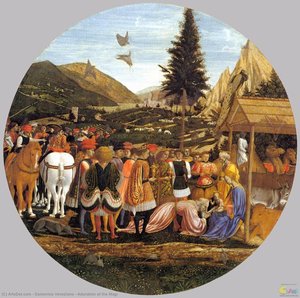
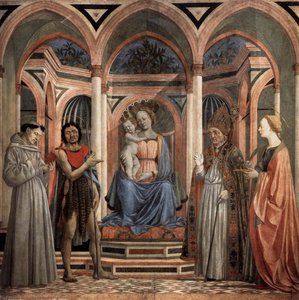
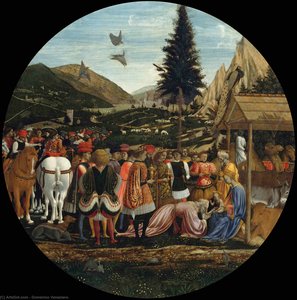
His ability to weave spiritual emotion into the very fabric of his compositions is perhaps most evident in works like the St. Lucy Altarpiece. Here, the figures are not merely painted; they are bathed in a celestial glow that softens their edges and integrates them into a harmonious, unified space. This mastery of atmospheric perspective—the way light and color shift to suggest distance—became a hallmark of his style. Whether depicting the solemnity of a religious icon or the vibrant energy of the Adoration of the Magi, Veneziano possessed the rare ability to use color as a tool for both physical realism and profound spiritual transcendence.
Legacy and the Renaissance Horizon
The influence of Domenico Veneziano extended far beyond his own lifetime, leaving an indelible mark on the trajectory of Italian art. His innovations in light and color provided a vital blueprint for the next generation of masters. The structural clarity he helped establish, combined with his emotive use of luminosity, can be seen echoed in the works of later giants like Andrea Mantegna, who drew inspiration from the sophisticated spatial arrangements Veneziano perfected.
Though his biographical details remain sparse, his artistic legacy is written in the enduring brilliance of his surviving works. He stands as a bridge between eras—a painter who took the decorative richness of the past and infused it with the scientific and humanistic light of the future. To study Veneziano is to witness the moment when the Renaissance truly began to glow, transforming the canvas from a flat surface into a window of infinite, luminous possibility.
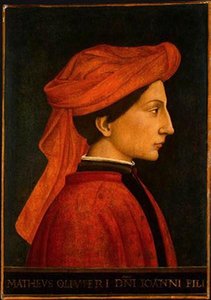
Domenico Veneziano
1410 - 1461 , Italy
Quick Facts
- Artistic Movement Or Style: Early Renaissance
- Artists Or Movements Influenced By This Artist: ['Andrea Mantegna']
- Artists Who Influenced This Artist:
- Gentile da Fabriano
- Benozzo Gozzoli
- Date Of Birth: Venice, Italy (1410)
- Date Of Death: 1461
- Full Name: domenico veneziano
- Nationality: Italian
- Notable Artworks:
- Madonna and Child with Saints
- St. Lucy Altarpiece
- The Madonna and Child
- Place Of Birth: Venice
Related Articles

The Fresco as Family Legacy: Preserving Heritage Through Wall Art
Explore the rich history & enduring legacy of fresco painting. Discover how to preserve family heritage through stunning wall art. Expert insights & restoration guidance.

The Enduring Legacy of Fresco Painting: Techniques, History & Contemporary Relevance
Explore the rich history & enduring artistry of fresco painting – from Giotto to Michelangelo! Discover techniques, conservation efforts, & modern applications. Learn how ArtsDot brings this timeless art form to your home.

The Enduring Legacy of Fresco: Technique, History & Artistic Expression Across Cultures
Explore the rich history & enduring legacy of fresco painting! Discover ancient techniques, Giotto's masterpieces, and modern applications. Expert insights for art lovers & professionals.

Art That Lives With You: The Emotional Power of a Custom Interior Fresco
Discover the emotional power & timeless beauty of custom interior frescoes. Explore history, design tips & expert guidance from – creating lasting legacies.
The Enduring Legacy of Fresco: Technique, History & Artistic Expression
Explore the rich history & enduring artistry of fresco painting. Discover techniques from Giotto to Michelangelo, conservation efforts, & modern applications. Learn how ArtsDot brings this timeless art form to your home.