 Preview
 Send
Send Share
Share
 Details

 Download
 Similars
 X-Ray
X-Ray Diaporama
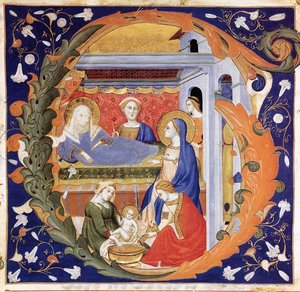
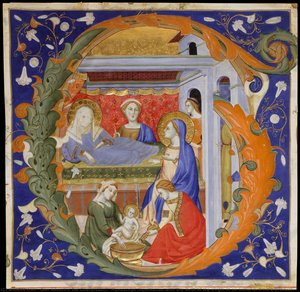
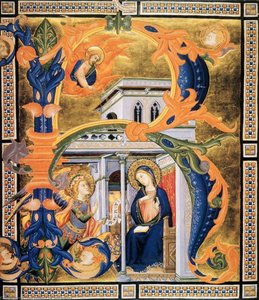
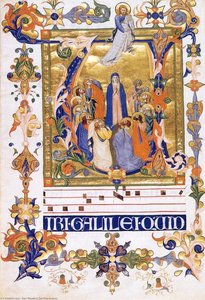
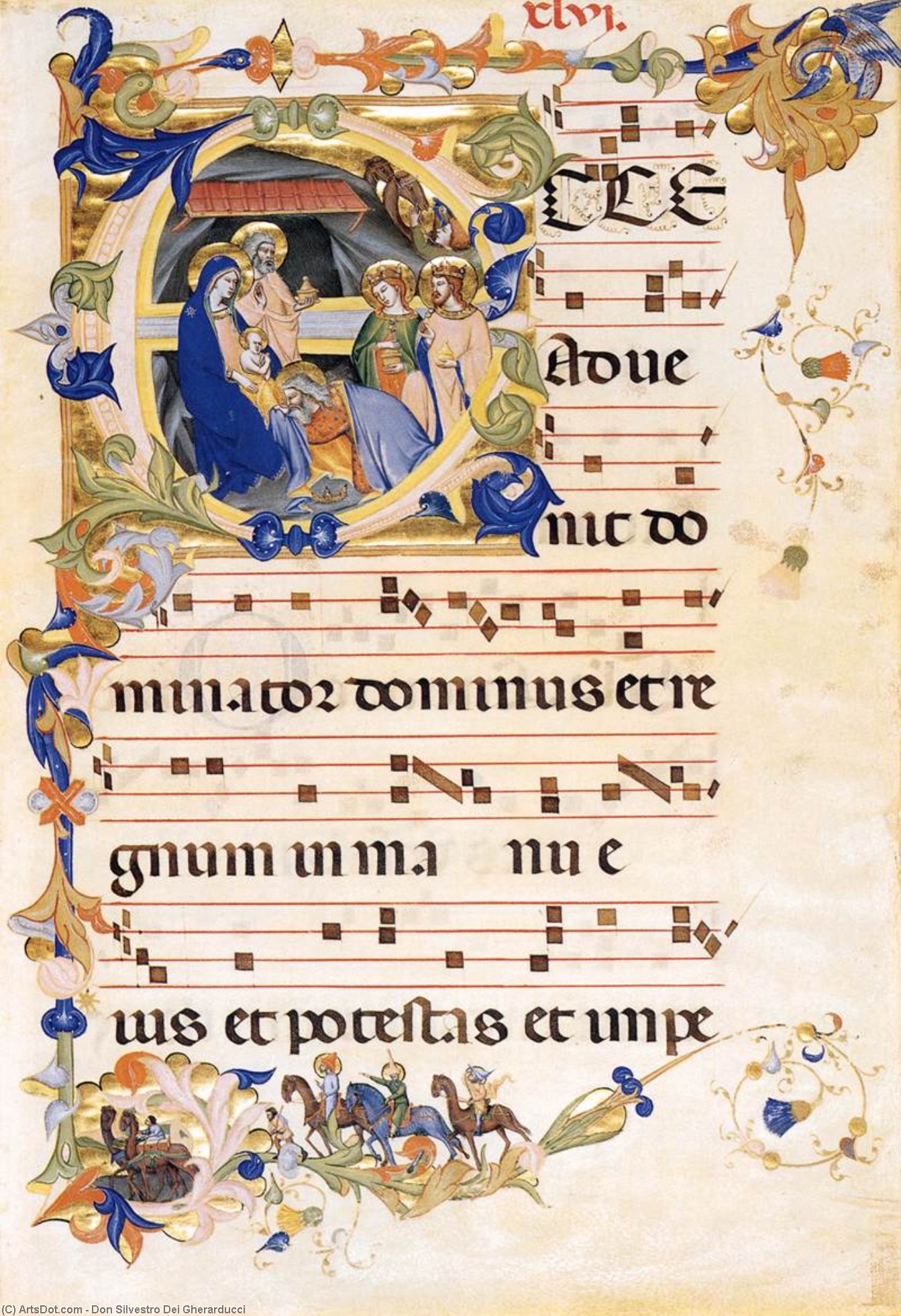
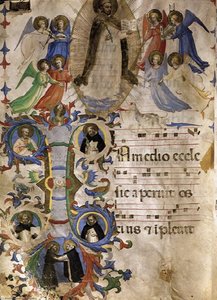
Gradual 1 for San Michele a Murano (Folio 46)
 Manuscript
- International Gothic
 1395
1395- Late Medieval
 580.0 x 400.0 cm
 Pierpont Morgan Library
 Read More
Hand Made Oil Reproduction
Hand-painted oil on canvas in your size and frame, made to order by our artists. ( Buy Print Buy Image)




P118B $10

P118H $10

P118W $10

P438Z $10

P508JH $12

P508YH $12

P805H $10

P805Z $10

P919BZ $10

P919G $10

P919XJ $10

P959ZH $10

P968JZ $12

W106C $8

W218G $10

W218JH $8

W218Y $10

W307PJ $10

W316G $10

W316PJ $8

W316Y $10

W398PJ $8

W4111J $10

W500HY $15

W500JH $15

W692G $12

W849H $8

W940BG $15

W953PJ $8




Pick from our preset sizes that match the artwork's original proportions.

You may enter your own dimensions to fit a specific frame or space. If your selected size does not match the original image's proportions, we will either crop the artwork or extend the painting with additional hand-painted elements. A digital mockup will be sent for your approval before production begins.
Please note that the on-screen preview does not reflect the actual cropping or extension. Only the mockup will accurately show the final composition.
While custom sizes are available, we recommend selecting a dimension from the predefined list to preserve the original proportions.
After order, ArtsDot.com team will email client for instructions and provide a mockup preview
Worldwide Delivery () in 3/4 weeks instead of standard 5 weeks. (25 August). No compromise on quality.

Free Worldwide Express Shipping

High-Quality Linen Canvas

Full Shipping Insurance

Customs Tax Refund Guarantee

True Color Matching Guarantee

60-Day Return Policy (Defects Only)

100% Money-Back Guarantee

Bulk Discount Offer
 Glass option is only available in size under 110 CM

Gradual 1 for San Michele a Murano (Folio 46)
Reproduction Medium
Reproduction Size
-


Total Price
$ 263
Artwork Description
A Celestial Symphony in Ink and Gold
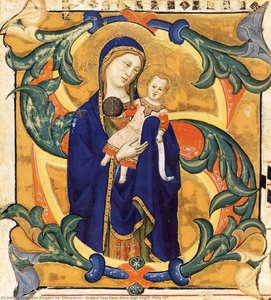
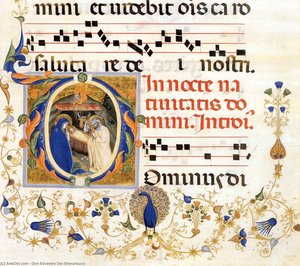
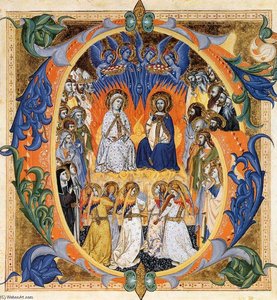
In the quiet, hallowed corridors of late 14th-century Florence, a period of profound transition between the medieval soul and the burgeoning Renaissance, there existed an art form that spoke directly to the divine. The Gradual 1 for San Michele a Murano (Folio 46), a masterpiece by the Florentine master Don Silvestro dei Gherarducci, stands as a breathtaking testament to this era. This illumination is not merely a page from a liturgical book; it is a window into a celestial realm where music and divinity intertwine. The painting presents a deeply moving religious scene, centered around the tender presence of Mary and the Christ Child, surrounded by a heavenly host of angels and saints that seem to emerge from the very parchment itself.
The composition possesses an expansive, almost cinematic quality, despite its origins in manuscript illumination. As the eye wanders across the work, one is struck by the rhythmic dance of figures positioned in the foreground, their closeness suggesting a shared moment of profound sanctity. The background breathes with a life of its own, populated by ethereal beings that lend the piece a sense of infinite depth. Most captivating, however, is the integration of musical notation throughout the imagery. These notes are not mere annotations; they act as a visual melody, weaving through the figures and suggesting that the entire scene is part of a cosmic hymn, an eternal liturgy being performed in the presence of the divine.
The Mastery of Silvestro and the Florentine Spirit
Don Silvestro dei Gherarducci was a virtuoso of the scriptorium, a man capable of translating complex theological truths into vibrant, visual narratives. His technique in this Gradual reflects the pinnacle of Florentine illumination, characterized by a delicate balance of line and color that anticipates the grace of the coming centuries. The way he utilizes light and shadow to define the forms of the Madonna and Child creates a sense of tangible presence, making the sacred figures feel accessible yet profoundly holy. For the discerning collector or interior designer, this piece offers more than just aesthetic beauty; it offers a connection to the intellectual and spiritual rigor of the 1390s.
To possess a reproduction of such a work is to invite a sense of historical gravity and contemplative peace into a space. The interplay between the delicate musical motifs and the monumental presence of the religious figures creates an atmosphere of sophisticated elegance. It is a piece that demands slow looking, rewarding the viewer with new layers of symbolism—from the protective stance of the saints to the rhythmic flow of the liturgical music. Whether placed in a grand library or as a focal point in a curated gallery, this artwork serves as a bridge between the earthly and the eternal, making it an incomparable choice for those who seek art that nourishes both the eye and the soul.
Related Artworks

Artist Biography
Don Silvestro dei Gherarducci: A Florentine Master of Illuminated Manuscripts
The world of 14th-century art is often dominated by the grand narratives of Giotto and Brunelleschi, yet within the quieter confines of monastic scriptoria flourished a remarkable artist – Don Silvestro dei Gherarducci. Born in Florence around 1339 and passing away circa 1399, Silvestro wasn’t a name etched into the public consciousness during his lifetime, but his legacy endures through the breathtaking beauty and intricate symbolism of his illuminated manuscripts, particularly the celebrated “Graduals.” These weren't mere book decorations; they were vibrant theological treatises, meticulously crafted to educate and inspire devotion within the walls of Italian monasteries. His work offers a unique window into the artistic and intellectual landscape of Florence during a period of profound transition – the waning years of the medieval era and the nascent stirrings of the Renaissance.
Silvestro’s early life remains somewhat shrouded in mystery, though evidence suggests he received his training within the workshop of Jacopo di Mino del Pellicciaio, a prominent Florentine painter. This formative experience undoubtedly instilled in him a deep understanding of tempera painting techniques and a keen eye for detail. He joined the Camaldolese order at the monastery of Santa Maria degli Angeli around 1348, dedicating himself to a life of prayer and artistic creation. It was within this serene setting that he truly blossomed as an illuminator, quickly establishing himself as a master of his craft. His appointment as Prior in 1398 further solidified his position as a leading figure within the monastic community, allowing him to continue producing works of exceptional quality for decades.
The Art of the Gradual
Silvestro’s most celebrated achievement is undoubtedly the “Graduals,” a series of illuminated manuscripts that served as instructional texts for the clergy. These weren't simple liturgical books; they were complex theological commentaries, often accompanied by intricate illustrations and decorative elements. The term "Gradual" refers to the musical chant used during Mass, and the manuscript was designed to guide the reader through the text with visual aids. Silvestro’s Graduals are particularly noteworthy for their exceptional detail, vibrant colors, and masterful use of gold leaf – a technique that would become increasingly important in later Renaissance art.
The manuscripts themselves were often composed of numerous individual pages, meticulously crafted and then assembled into a cohesive whole. Silvestro’s approach was remarkably innovative; he didn't simply copy existing illuminated manuscripts but created entirely new compositions, imbuing them with his own unique artistic vision. The Gradual from Santa Maria degli Angeli, for example, is considered his crowning achievement, comprising twenty individual pages now scattered across various collections worldwide. Each page is a miniature masterpiece, showcasing Silvestro’s skill in depicting figures, landscapes, and architectural elements. The intricate details – the folds of drapery, the expressions on faces, the delicate floral motifs – reveal a profound understanding of human anatomy and perspective.
Technique and Symbolism
Silvestro's artistic style is firmly rooted in the Gothic tradition, yet it also exhibits elements that foreshadow the emerging Renaissance aesthetic. His use of tempera on panel allowed for rich colors and fine detail, while his mastery of gold leaf created a dazzling visual effect. The meticulous rendering of figures, often rendered with a serene and contemplative quality, reflects the spiritual focus of his work. Furthermore, Silvestro’s compositions are replete with symbolic imagery – references to biblical stories, saints' lives, and theological concepts.
The Graduals are particularly rich in symbolism. The depictions of the Evangelists, for instance, are not merely illustrations but allegorical representations of their respective roles in spreading Christianity. The use of specific colors—azure blue for heaven, red for martyrdom—further enhances the symbolic meaning of the images. Silvestro’s work is a testament to his deep understanding of both artistic technique and theological doctrine.
Legacy and Historical Significance
Despite his relatively obscure status during his lifetime, Don Silvestro dei Gherarducci's contribution to Italian art is now widely recognized. His illuminated manuscripts are prized possessions in museums and libraries around the world, offering a rare glimpse into the artistic practices of 14th-century Florence. His work represents a crucial link between the Gothic tradition and the Renaissance, demonstrating the continuity of artistic ideas and techniques during this period of transition.
The Graduals, in particular, are considered to be among the finest examples of medieval manuscript illumination ever produced. They stand as a testament to Silvestro’s skill, creativity, and devotion – a reminder that even within the quiet confines of monastic scriptoria, extraordinary artistic achievements could flourish.
don silvestro dei gherarducci
1339 - 1399 , Italy
Quick Facts
- Artistic Movement Or Style: Gradual illumination
- Date Of Birth: 1339 Florence, Italy
- Date Of Death: 1399 Florence, Italy
- Full Name: Don Silvestro dei Gherarducci
- Nationality: Italian
- Notable Artworks:
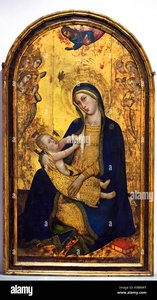
- Madonna & Child
- Gradual from Murano
- Place Of Birth: Florence, Italy
Related Articles
Harmonies on Canvas: Exploring the Visual Representation of Music in Art History
Explore the fascinating history of music's visual representation in art! From ancient symbolism to modern abstraction, discover how artists have captured sound and emotion on canvas. Expert insights & stunning examples.
Jacob Henricus Maris: A Master of Dutch Atmospheric Realism & the Intimate Landscape
Explore the captivating world of Jacob Henricus Maris, a leading figure of the Dutch Hague School. Discover his atmospheric landscapes, signature brushstrokes & lasting influence on 19th-century art. Learn more at ArtsDot.
Sacred Narratives Embodied: A Comprehensive Exploration of Religious Iconography in Art History
Explore the rich history of religious iconography in art! Discover symbolism, movements & masterpieces from Byzantine to Renaissance periods. Expert insights for collectors and enthusiasts at ArtsDot.

Fra Angelico's Masterpieces: 25 Renaissance Paintings for Your Home | ArtsDot
Explore 25 breathtaking masterpieces by Fra Angelico, a Renaissance master. Discover the stories behind his iconic frescoes, Annunciations & religious art. Find museum-quality reproductions and elevate your home decor with ArtsDot.com.

Sacred Narratives on Canvas: Exploring Religious Painting Through History
Explore the rich history of religious painting with ArtsDot.com! Discover iconic artworks, symbolism & techniques from antiquity to the Renaissance. Enhance your art appreciation today.