 Preview
 Send
Send Share
Share
 Details

 Download
 Similars
 X-Ray
X-Ray Diaporama
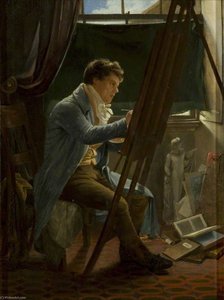
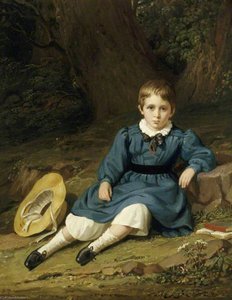
Harriet Isaac (1810–1890)
 Oil On Canvas
- WallArt
- Academic Art
 1829
1829- 19th Century
 22.0 x 19.0 cm
 Bristol Museum - Art Gallery
 Read More
Hand Made Oil Reproduction
Hand-painted oil on canvas in your size and frame, made to order by our artists. ( Buy Print Buy Image)




P118B $10

P118H $10

P118W $10

P438Z $10

P508JH $12

P508YH $12

P805H $10

P805Z $10

P919BZ $10

P919G $10

P919XJ $10

P959ZH $10

P968JZ $12

W106C $8

W218G $10

W218JH $8

W218Y $10

W307PJ $10

W316G $10

W316PJ $8

W316Y $10

W398PJ $8

W4111J $10

W500HY $15

W500JH $15

W692G $12

W849H $8

W940BG $15

W953PJ $8




Pick from our preset sizes that match the artwork's original proportions.

You may enter your own dimensions to fit a specific frame or space. If your selected size does not match the original image's proportions, we will either crop the artwork or extend the painting with additional hand-painted elements. A digital mockup will be sent for your approval before production begins.
Please note that the on-screen preview does not reflect the actual cropping or extension. Only the mockup will accurately show the final composition.
While custom sizes are available, we recommend selecting a dimension from the predefined list to preserve the original proportions.
After order, ArtsDot.com team will email client for instructions and provide a mockup preview
Worldwide Delivery () in 3/4 weeks instead of standard 5 weeks. (17 August). No compromise on quality.

Free Worldwide Express Shipping

High-Quality Linen Canvas

Full Shipping Insurance

Customs Tax Refund Guarantee

True Color Matching Guarantee

60-Day Return Policy (Defects Only)

100% Money-Back Guarantee

Bulk Discount Offer
 Glass option is only available in size under 110 CM

Harriet Isaac (1810–1890)
Reproduction Medium
Reproduction Size
-


Total Price
$ 263
Artwork Description
A Moment Captured in Time: The Grace of Harriet Isaac
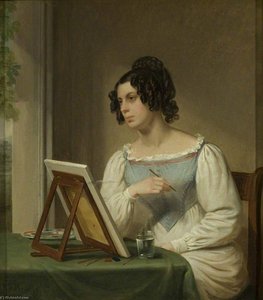
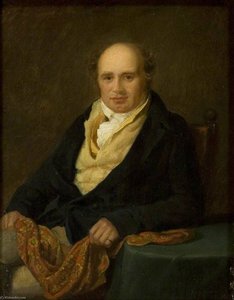
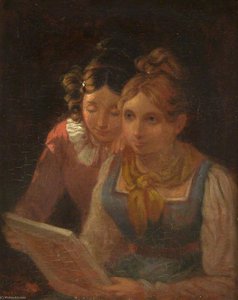
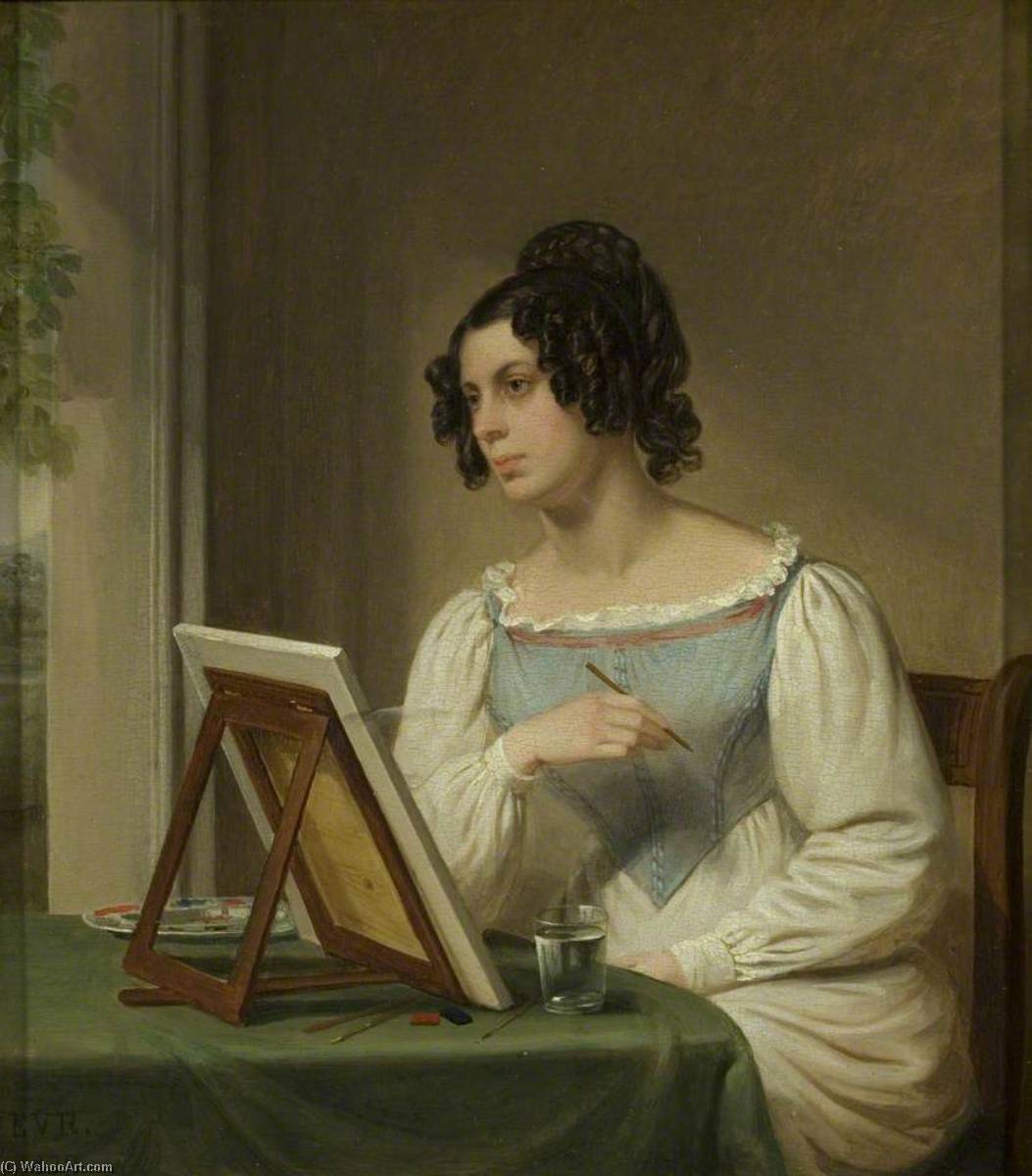
In the quiet intimacy of his 1829 masterpiece, Edward Villiers Rippingille invites us into a private sanctuary of creativity and contemplation. The portrait of Harriet Isaac is far more than a mere likeness; it is a profound meditation on the intersection of feminine grace and the artistic spirit. As we gaze upon this young woman seated at her easel, we are transported to the early nineteenth century, witnessing a moment where time seems to suspend itself. Rippingille, a pioneer of the Bristol School, utilizes a realistic academic style to capture not just the physical features of his subject, but the very atmosphere of her devotion to her craft. The composition is masterfully centered, drawing the eye immediately to the delicate interplay of light and shadow upon her face and hands, creating an emotional resonance that speaks to the universal beauty of focused passion.
The technique employed in this work reveals the meticulous hand of a master. Executed in oil on canvas, the painting breathes through its smooth brushstrokes and sophisticated use of glazing, which lends a luminous quality to the skin tones and the rich textures of her attire. There is a palpable sense of tactile reality in the way the fabric of her dress catches the soft, diffused light, contrasting beautifully with the more rugged, earthy elements of the easel and the background. Through subtle atmospheric effects visible through the window, Rippingly introduces a sense of depth, suggesting a world that continues beyond this quiet studio, yet keeping our focus anchored in the immediate, tender foreground. This mastery of texture and light makes the piece an exquisite candidate for high-quality reproductions, as it retains its depth and brilliance even when scaled for modern interiors.
Symbolism and the Spirit of the Bristol School
Beyond its aesthetic splendor, Harriet Isaac serves as a symbolic vessel for the ideals of the Romantic era. The subject matter—a woman engaged in the act of painting—functions as an allegory for creativity, intellect, and the idealized image of the female artist. In an age where such depictions were deeply layered with meaning, Rippingille uses the tools of the trade to represent a soul in dialogue with nature and imagination. The muted color palette, dominated by soft blues, whites, and natural greens, reinforces this sense of tranquility and refined elegance. It is a painting that does not shout, but rather whispers of a sophisticated, contemplative lifestyle.
For the discerning collector or interior designer, this artwork offers a timeless elegance that transcends fleeting trends. Its historical significance as a product of the Bristol School—a movement known for its naturalistic and genre-focused approach—adds a layer of academic prestige to any collection. Whether placed in a sunlit library or a contemporary living space, the painting provides a focal point of quiet strength and historical depth. It is an investment in beauty that brings with it the storied legacy of Edward Villiers Rippingille, offering an enduring sense of peace and inspiration to any environment it inhabits.
Related Artworks

Artist Biography
The Bristol School Pioneer: The Life and Art of Edward Villiers Rippingille
In the tapestry of nineteenth-century British art, few threads are as intricately woven into the local identity of the West Country as those belonging to Edward Villiers Rippingille. Born in King’s Lynn around 1790, Rippingille emerged from a humble background as the son of a farmer, a beginning that instilled in him a profound, lifelong sensitivity to the natural world and the rhythms of rural life. His early years were spent honing his craft through portrait commissions and teaching drawing in Wisbech, where his burgeoning talent caught the eye of the celebrated poet John Clare. This early recognition served as a vital precursor to his ascent within the prestigious London art circles, setting the stage for a career defined by both technical precision and a deep, empathetic connection to his subjects.
Rippingille’s professional trajectory was marked by a series of significant milestones that saw him move from regional acclaim to national prominence. His formal introduction to the wider art world occurred in 1813 with his exhibition at the Norwich Society of Artists, an event that signaled his arrival as a serious contender in the landscape of British painting. Seeking greater heights, he eventually secured membership at the Royal Academy, immersing himself in the intellectual and creative ferment of London. It was during this period that Ripping and his contemporaries began to coalesce into what would be known as the Bristol School, an informal but highly influential collective of artists dedicated to capturing the essence of the English landscape and the nuances of genre painting.
A Symbiosis of Style and Spirit
The artistic evolution of Rippingille cannot be understood in isolation; it was deeply shaped by his profound connections with fellow masters such as Edward Bird and Francis Danby. The influence of Bird, in particular, was transformative. Through Bird’s mastery of genre painting—noted for its naturalistic depictions of everyday life and a vibrant, fresh color palette—Rippingille learned to infuse his scenes with a sense of lived reality and quiet drama. This collaborative spirit was further enriched by the Bristol School's penchant for plein air sketching expeditions into the lush surroundings of Leigh Woods and the Somerset countryside. These excursions allowed Rippingille to bridge the gap between formal studio technique and the raw, unadulterated beauty of the natural environment.
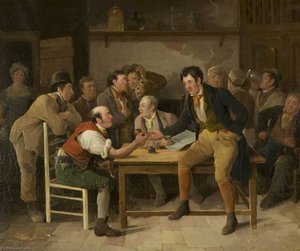
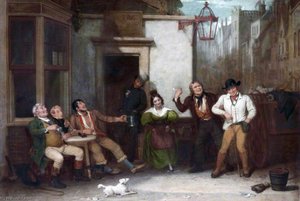
His work often transcended simple landscape or portraiture, frequently venturing into the realm of historical and literary narrative. Rippingille possessed a unique ability to breathe life into historical scenes and literary portraits, creating works that felt both monumental and intimately human. His paintings, such as The Stage Coach Breakfast, serve as windows into a bygone era, capturing the social textures and anecdotal moments of nineteenth-century life with remarkable clarity. By blending the anecdotal charm of genre painting with a more rigorous, classical approach to composition, he created a visual language that resonated with the Romantic sensibilities of his age.
Legacy and Historical Resonance
The historical significance of Edward Villiers Rippingille lies in his role as a bridge between the traditional portraiture of the late eighteenth century and the more emotive, naturalistic movements of the nineteenth. As a cornerstone of the Bristol School, he helped foster an artistic movement that celebrated the local and the particular, proving that the landscapes and social customs of the English provinces were worthy of the highest artistic consideration. His ability to capture the subtle interplay of light, shadow, and human emotion ensured that his works remained deeply engaging to audiences long after his death in 1859.
Today, Rippingille is remembered not merely as a painter of scenes, but as a chronicler of an era. His legacy is preserved through:
- The Bristol School Movement: His pivotal role in establishing a distinct regional identity within British art.
- Genre Mastery: The development of a naturalistic style that brought dignity to everyday human interactions.
- Literary Connection: His ability to translate the spirit of English literature and history onto the canvas through evocative portraiture.
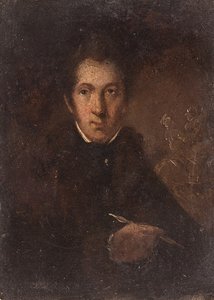
Edward Villiers Rippingille
1790 - 1859 , United Kingdom
Quick Facts
- Artistic Movement Or Style: Bristol School
- Artists Who Influenced This Artist:
- Edward Bird
- Francis Danby
- Date Of Birth: c. 1790
- Date Of Death: 1859
- Full Name: Edward Villiers Rippingille
- Nationality: English
- Notable Artworks:
- The Cheat Detected
- Post Office
- Stage Coach Breakfast
- Capuchin Friar
- Place Of Birth: King’s Lynn, United Kingdom
Related Articles
Edward Hopper's Masterpieces: 25 Iconic Paintings & Their Enduring Legacy | ArtsDot
Explore 25 iconic Edward Hopper paintings & their stories. Discover American realism, urban loneliness, and timeless beauty through his masterpieces. Find museum-quality art reproductions & curated decor ideas at ArtsDot.com.
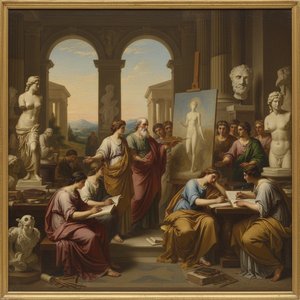
Academic Art: Tradition, Technique & the Pursuit of Ideal Form in the 19th Century
Explore the world of Academic Art! Discover its history, key artists like Ingres & Bouguereau, defining techniques, and lasting influence on 19th-century painting. Learn about the Salon system and its legacy.
19th Century Masterpieces: 10 Paintings That Defined an Era | ArtsDot
Journey through 19th century art with ArtsDot! Explore 10 iconic paintings – from Monet & Renoir to Courbet – and discover the stories behind Romanticism, Realism & Impressionism. Find museum-quality reproductions for your home decor. Explore the full collection online!
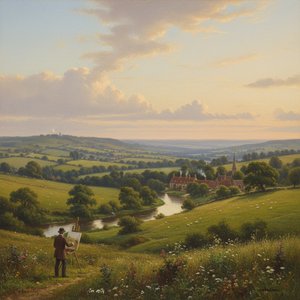
Edward Wilkins Waite: A Victorian Vision of Surrey's Serene Landscapes & Artistic Legacy
Explore the serene landscapes of Edward Wilkins Waite (1854-1924), a prolific Victorian painter celebrated for his depictions of Surrey's countryside. Discover his artistic influences, career highlights & collecting guide.
Academic Realism's Finest: 10 Masterpieces for Art Lovers & Home Decor
Explore 10 defining Academic Realism masterpieces by Bouguereau, Gérôme & Cabanel. Discover the stories behind these iconic paintings and bring timeless art into your home with museum-quality reproductions from ArtsDot.com. Explore the full collection online!