 Preview
 Send
Send Share
Share
 Details

 Download
 Similars
 X-Ray
X-Ray Diaporama
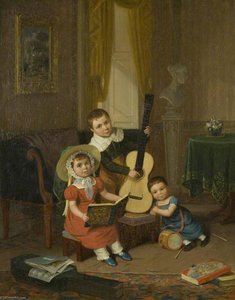
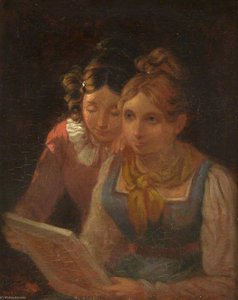
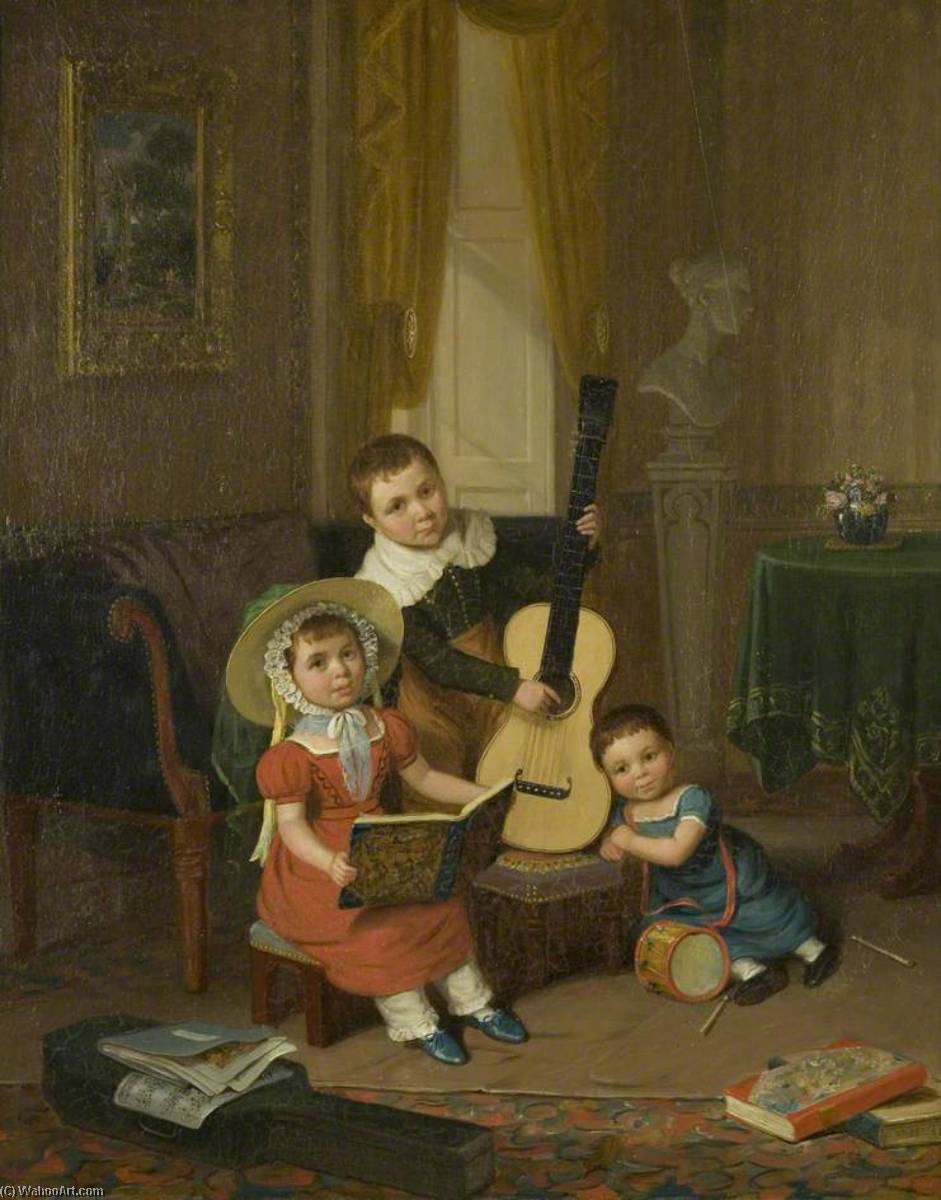
The Young Trio
 Oil
Oil- WallArt
- Romanticism
 1829
1829- 19th Century
 43.0 x 35.0 cm
 Bristol Museum - Art Gallery
 Read More
Hand Made Oil Reproduction
Hand-painted oil on canvas in your size and frame, made to order by our artists. ( Buy Print Buy Image)




































Pick from our preset sizes that match the artwork's original proportions.

You may enter your own dimensions to fit a specific frame or space. If your selected size does not match the original image's proportions, we will either crop the artwork or extend the painting with additional hand-painted elements. A digital mockup will be sent for your approval before production begins.
Please note that the on-screen preview does not reflect the actual cropping or extension. Only the mockup will accurately show the final composition.
While custom sizes are available, we recommend selecting a dimension from the predefined list to preserve the original proportions.
After order, ArtsDot.com team will email client for instructions and provide a mockup preview
Worldwide Delivery () in 3/4 weeks instead of standard 5 weeks. (22 August). No compromise on quality.

Free Worldwide Express Shipping

High-Quality Linen Canvas

Full Shipping Insurance

Customs Tax Refund Guarantee

True Color Matching Guarantee

60-Day Return Policy (Defects Only)

100% Money-Back Guarantee

Bulk Discount Offer
 Glass option is only available in size under 110 CM

The Young Trio
Reproduction Medium
Reproduction Size
-


Total Price
$ 263
Artwork Description
A Symphony of Domestic Harmony
In the tender embrace of Edward Villiers Rippingille’s 1829 masterpiece, The Young Trio, we are invited into a private, rhythmic moment of nineteenth-century familial life. This exquisite portrait captures more than just a gathering of figures; it encapsulates a fleeting instance of shared joy and cultural enrichment. The composition centers on three children, each engaged in a pursuit that speaks to the cultivation of both the spirit and the intellect. One child cradles a guitar, another maintains the steady pulse of a drum, while a third finds solace in the quiet pages of a book. Behind them, two adults stand as silent guardians of this domestic peace, their presence providing a sense of stability and continuity. The inclusion of a suitcase suggests a narrative of transition—perhaps a homecoming or the beginning of a new chapter—adding a layer of poignant storytelling to an otherwise serene interior scene.
Rippingille, a pioneer of the Bristol School, utilizes his mastery of genre painting to transform a simple domestic setting into a profound study of character and connection. The room, anchored by a visible dining table in the background, feels lived-in and authentic, far removed from the stiff formality often found in aristocratic portraiture of the era. Through a delicate application of light and shadow, the artist breathes life into the textures of the scene—the wood of the instruments, the soft fabric of the clothing, and the gentle expressions on the faces of the young protagonists. The technique reflects the naturalistic influence of his contemporaries, blending a meticulous attention to detail with an emotional warmth that draws the viewer into the very heart of the family circle.
Timeless Elegance for the Modern Collector
For the discerning collector or interior designer, The Young Trio offers much more than mere decoration; it serves as a window into a bygone era of Romantic sensibility. The painting’s palette and composition possess a rhythmic quality that complements a wide variety of sophisticated interiors, from classical estates to contemporary spaces seeking a touch of historical soul. The symbolic interplay between music, literature, and family unity provides a constant source of inspiration, making it an ideal centerpiece for rooms dedicated to reflection, study, or communal gathering.
Owning a high-quality reproduction of this work allows one to preserve the legacy of the Bristol School within a modern home. The emotional impact of Rippingille’s work lies in its ability to evoke nostalgia and a sense of enduring peace. As the light shifts across the canvas, the scene remains eternally vibrant, reminding us that the most profound beauty is often found in the simplest shared moments of life. Whether placed in a library, a grand hallway, or a cozy sitting room, this piece acts as an anchor of grace and a testament to the timeless strength of the family bond.
Related Artworks
Artist Biography
The Bristol School Pioneer: The Life and Art of Edward Villiers Rippingille
In the tapestry of nineteenth-century British art, few threads are as intricately woven into the local identity of the West Country as those belonging to Edward Villiers Rippingille. Born in King’s Lynn around 1790, Rippingille emerged from a humble background as the son of a farmer, a beginning that instilled in him a profound, lifelong sensitivity to the natural world and the rhythms of rural life. His early years were spent honing his craft through portrait commissions and teaching drawing in Wisbech, where his burgeoning talent caught the eye of the celebrated poet John Clare. This early recognition served as a vital precursor to his ascent within the prestigious London art circles, setting the stage for a career defined by both technical precision and a deep, empathetic connection to his subjects.
Rippingille’s professional trajectory was marked by a series of significant milestones that saw him move from regional acclaim to national prominence. His formal introduction to the wider art world occurred in 1813 with his exhibition at the Norwich Society of Artists, an event that signaled his arrival as a serious contender in the landscape of British painting. Seeking greater heights, he eventually secured membership at the Royal Academy, immersing himself in the intellectual and creative ferment of London. It was during this period that Ripping and his contemporaries began to coalesce into what would be known as the Bristol School, an informal but highly influential collective of artists dedicated to capturing the essence of the English landscape and the nuances of genre painting.
A Symbiosis of Style and Spirit
The artistic evolution of Rippingille cannot be understood in isolation; it was deeply shaped by his profound connections with fellow masters such as Edward Bird and Francis Danby. The influence of Bird, in particular, was transformative. Through Bird’s mastery of genre painting—noted for its naturalistic depictions of everyday life and a vibrant, fresh color palette—Rippingille learned to infuse his scenes with a sense of lived reality and quiet drama. This collaborative spirit was further enriched by the Bristol School's penchant for plein air sketching expeditions into the lush surroundings of Leigh Woods and the Somerset countryside. These excursions allowed Rippingille to bridge the gap between formal studio technique and the raw, unadulterated beauty of the natural environment.
His work often transcended simple landscape or portraiture, frequently venturing into the realm of historical and literary narrative. Rippingille possessed a unique ability to breathe life into historical scenes and literary portraits, creating works that felt both monumental and intimately human. His paintings, such as The Stage Coach Breakfast, serve as windows into a bygone era, capturing the social textures and anecdotal moments of nineteenth-century life with remarkable clarity. By blending the anecdotal charm of genre painting with a more rigorous, classical approach to composition, he created a visual language that resonated with the Romantic sensibilities of his age.
Legacy and Historical Resonance
The historical significance of Edward Villiers Rippingille lies in his role as a bridge between the traditional portraiture of the late eighteenth century and the more emotive, naturalistic movements of the nineteenth. As a cornerstone of the Bristol School, he helped foster an artistic movement that celebrated the local and the particular, proving that the landscapes and social customs of the English provinces were worthy of the highest artistic consideration. His ability to capture the subtle interplay of light, shadow, and human emotion ensured that his works remained deeply engaging to audiences long after his death in 1859.
Today, Rippingille is remembered not merely as a painter of scenes, but as a chronicler of an era. His legacy is preserved through:
- The Bristol School Movement: His pivotal role in establishing a distinct regional identity within British art.
- Genre Mastery: The development of a naturalistic style that brought dignity to everyday human interactions.
- Literary Connection: His ability to translate the spirit of English literature and history onto the canvas through evocative portraiture.
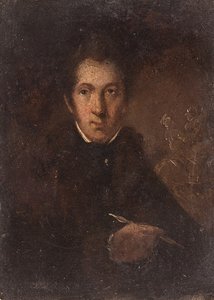
Edward Villiers Rippingille
1790 - 1859 , United Kingdom
Quick Facts
- Artistic Movement Or Style: Bristol School
- Artists Who Influenced This Artist:
- Edward Bird
- Francis Danby
- Date Of Birth: c. 1790
- Date Of Death: 1859
- Full Name: Edward Villiers Rippingille
- Nationality: English
- Notable Artworks:
- The Cheat Detected
- Post Office
- Stage Coach Breakfast
- Capuchin Friar
- Place Of Birth: King’s Lynn, United Kingdom
Related Articles
Harmonies on Canvas: Exploring the Visual Representation of Music in Art History
Explore the fascinating history of music's visual representation in art! From ancient symbolism to modern abstraction, discover how artists have captured sound and emotion on canvas. Expert insights & stunning examples.
Romantic Realism's Finest: 10 Masterpieces for Your Home | ArtsDot
Explore 10 defining masterpieces of Romantic Realism! Discover Courbet, Millet & Daumier's powerful paintings—capturing emotion and social realities. Find museum-quality reproductions for your home at ArtsDot.com.

Depicting Kinship: Family Values Across Artistic Movements & Historical Contexts
Explore the rich history of depicting kinship in art! From Dutch Masters to contemporary artists, discover how family values have been represented across movements & time. Expert insights for collectors at ArtsDot.
Evolving Portraits: Personalized Art as a Chronicle of Family Life Across Generations
Create a timeless family legacy with custom portraits! ArtsDot connects you with skilled artists for heirloom-quality paintings & prints. Explore styles, commission your unique artwork today.
Thomas George Webster: Navigating Genre Boundaries & American Identity in 19th-Century Landscape Painting
Explore the captivating genre scenes of Thomas George Webster, a Victorian painter bridging British traditions with American themes. Discover his style, influences & legacy in 19th-century art history.