 Preview
 Send
Send Share
Share
 Details

 Download
 Similars
 X-Ray
X-Ray Diaporama
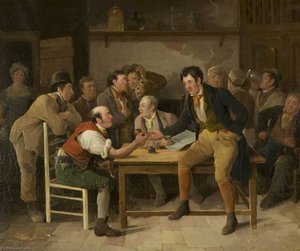
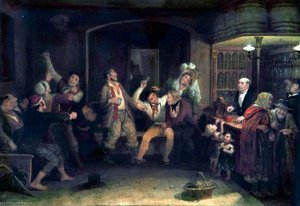
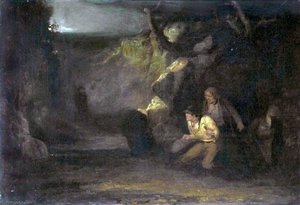
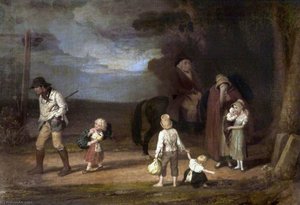
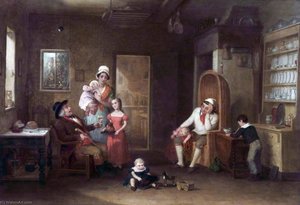
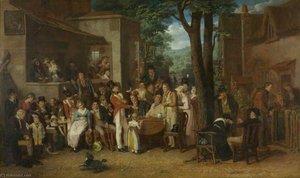
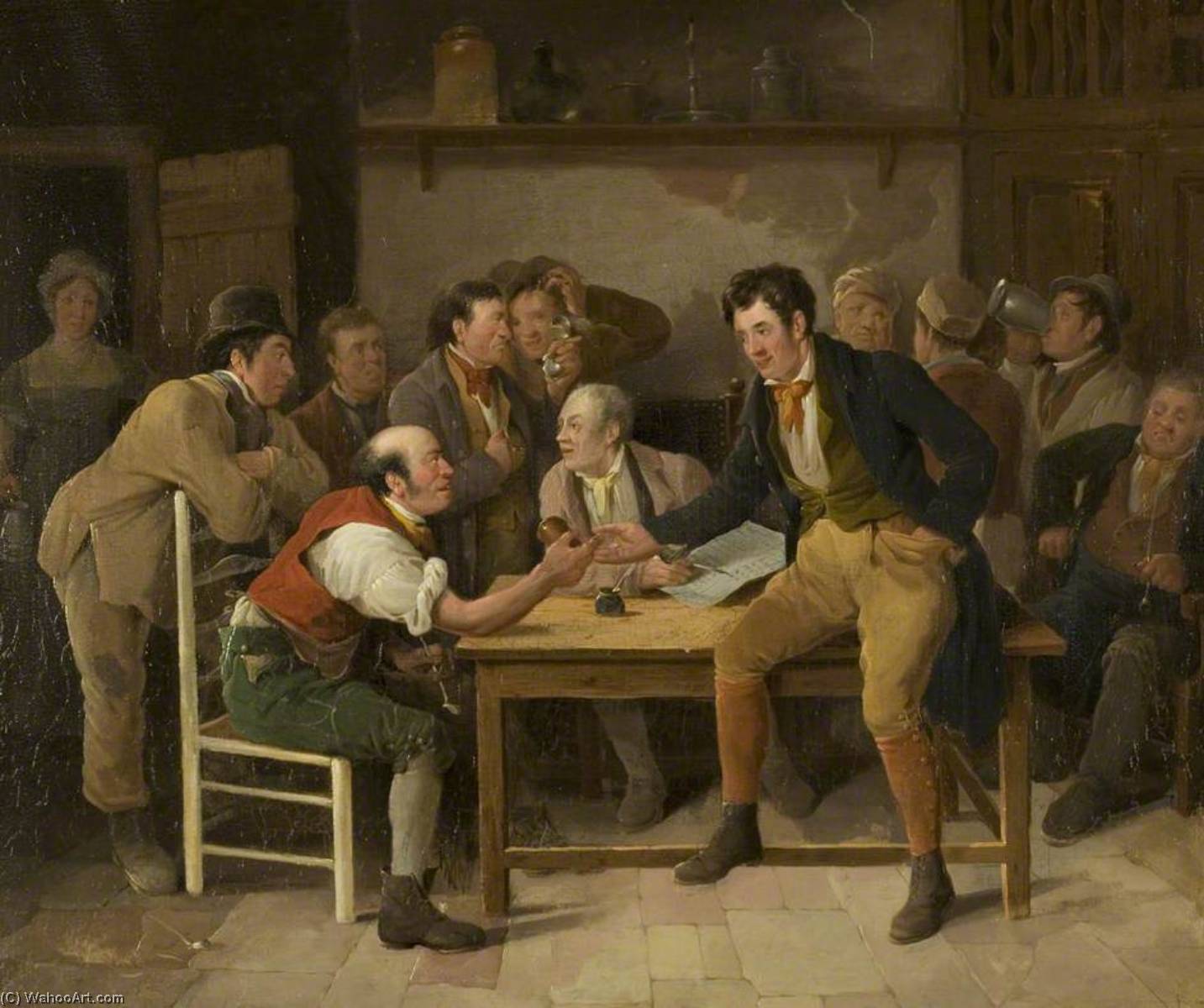
Inn Scene
 Oil On Panel
 1820
1820 36.0 x 44.0 cm
 Bristol Museum - Art Gallery
 Read More
Hand Made Oil Reproduction
Hand-painted oil on canvas in your size and frame, made to order by our artists. ( Buy Print Buy Image)




P118B $10

P118H $10

P118W $10

P438Z $10

P508JH $12

P508YH $12

P805H $10

P805Z $10

P919BZ $10

P919G $10

P919XJ $10

P959ZH $10

P968JZ $12

W106C $8

W218G $10

W218JH $8

W218Y $10

W307PJ $10

W316G $10

W316PJ $8

W316Y $10

W398PJ $8

W4111J $10

W500HY $15

W500JH $15

W692G $12

W849H $8

W940BG $15

W953PJ $8




Pick from our preset sizes that match the artwork's original proportions.

You may enter your own dimensions to fit a specific frame or space. If your selected size does not match the original image's proportions, we will either crop the artwork or extend the painting with additional hand-painted elements. A digital mockup will be sent for your approval before production begins.
Please note that the on-screen preview does not reflect the actual cropping or extension. Only the mockup will accurately show the final composition.
While custom sizes are available, we recommend selecting a dimension from the predefined list to preserve the original proportions.
After order, ArtsDot.com team will email client for instructions and provide a mockup preview
Worldwide Delivery () in 3/4 weeks instead of standard 5 weeks. (16 August). No compromise on quality.

Free Worldwide Express Shipping

High-Quality Linen Canvas

Full Shipping Insurance

Customs Tax Refund Guarantee

True Color Matching Guarantee

60-Day Return Policy (Defects Only)

100% Money-Back Guarantee

Bulk Discount Offer
 Glass option is only available in size under 110 CM

Inn Scene
Reproduction Medium
Reproduction Size
-


Total Price
$ 263
Related Artworks
Artist Biography
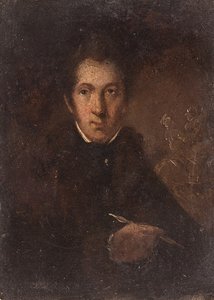
The Bristol School Pioneer: The Life and Art of Edward Villiers Rippingille
In the tapestry of nineteenth-century British art, few threads are as intricately woven into the local identity of the West Country as those belonging to Edward Villiers Rippingille. Born in King’s Lynn around 1790, Rippingille emerged from a humble background as the son of a farmer, a beginning that instilled in him a profound, lifelong sensitivity to the natural world and the rhythms of rural life. His early years were spent honing his craft through portrait commissions and teaching drawing in Wisbech, where his burgeoning talent caught the eye of the celebrated poet John Clare. This early recognition served as a vital precursor to his ascent within the prestigious London art circles, setting the stage for a career defined by both technical precision and a deep, empathetic connection to his subjects.
Rippingille’s professional trajectory was marked by a series of significant milestones that saw him move from regional acclaim to national prominence. His formal introduction to the wider art world occurred in 1813 with his exhibition at the Norwich Society of Artists, an event that signaled his arrival as a serious contender in the landscape of British painting. Seeking greater heights, he eventually secured membership at the Royal Academy, immersing himself in the intellectual and creative ferment of London. It was during this period that Ripping and his contemporaries began to coalesce into what would be known as the Bristol School, an informal but highly influential collective of artists dedicated to capturing the essence of the English landscape and the nuances of genre painting.
A Symbiosis of Style and Spirit
The artistic evolution of Rippingille cannot be understood in isolation; it was deeply shaped by his profound connections with fellow masters such as Edward Bird and Francis Danby. The influence of Bird, in particular, was transformative. Through Bird’s mastery of genre painting—noted for its naturalistic depictions of everyday life and a vibrant, fresh color palette—Rippingille learned to infuse his scenes with a sense of lived reality and quiet drama. This collaborative spirit was further enriched by the Bristol School's penchant for plein air sketching expeditions into the lush surroundings of Leigh Woods and the Somerset countryside. These excursions allowed Rippingille to bridge the gap between formal studio technique and the raw, unadulterated beauty of the natural environment.
His work often transcended simple landscape or portraiture, frequently venturing into the realm of historical and literary narrative. Rippingille possessed a unique ability to breathe life into historical scenes and literary portraits, creating works that felt both monumental and intimately human. His paintings, such as The Stage Coach Breakfast, serve as windows into a bygone era, capturing the social textures and anecdotal moments of nineteenth-century life with remarkable clarity. By blending the anecdotal charm of genre painting with a more rigorous, classical approach to composition, he created a visual language that resonated with the Romantic sensibilities of his age.
Legacy and Historical Resonance
The historical significance of Edward Villiers Rippingille lies in his role as a bridge between the traditional portraiture of the late eighteenth century and the more emotive, naturalistic movements of the nineteenth. As a cornerstone of the Bristol School, he helped foster an artistic movement that celebrated the local and the particular, proving that the landscapes and social customs of the English provinces were worthy of the highest artistic consideration. His ability to capture the subtle interplay of light, shadow, and human emotion ensured that his works remained deeply engaging to audiences long after his death in 1859.
Today, Rippingille is remembered not merely as a painter of scenes, but as a chronicler of an era. His legacy is preserved through:
- The Bristol School Movement: His pivotal role in establishing a distinct regional identity within British art.
- Genre Mastery: The development of a naturalistic style that brought dignity to everyday human interactions.
- Literary Connection: His ability to translate the spirit of English literature and history onto the canvas through evocative portraiture.
Edward Villiers Rippingille
1790 - 1859 , United Kingdom
Quick Facts
- Artistic Movement Or Style: Bristol School
- Artists Who Influenced This Artist:
- Edward Bird
- Francis Danby
- Date Of Birth: c. 1790
- Date Of Death: 1859
- Full Name: Edward Villiers Rippingille
- Nationality: English
- Notable Artworks:
- The Cheat Detected
- Post Office
- Stage Coach Breakfast
- Capuchin Friar
- Place Of Birth: King’s Lynn, United Kingdom
Related Articles
The Hague School: Realism, Atmosphere & the Dawn of Dutch Impressionism
Explore the Hague School's pivotal role in Dutch art history. Discover realism, atmospheric landscapes & its influence on Impressionism. Learn about key artists like Mauve & Maris with ArtsDot.
Genre Painting: A Window into Daily Life & Societal Values of the Dutch Golden Age
Explore the captivating world of Dutch Golden Age genre painting! Discover realistic depictions of daily life, masterful artists like Ostade & Metsu, and hidden symbolism. Learn about this influential art movement with ArtsDot.
Jan Steen: A Master of Dutch Genre Painting & the Golden Age
Explore the life & art of Jan Steen, a leading Dutch Golden Age painter renowned for his humorous genre scenes & insightful social commentary. Discover his techniques, legacy, and collecting tips.

Golden Age Reflections: Dutch Baroque Painting & Cultural Innovation
Explore the Dutch Golden Age of painting! Discover key artists like Vermeer & ter Borch, their innovative techniques, and the rich cultural context behind these Baroque masterpieces. Learn about collecting & appreciating this iconic art period.
George Goodwin Kilburne: Capturing Victorian Sentimentality Through Genre Painting
Explore the evocative Victorian paintings of George Goodwin Kilburne. Discover his detailed scenes of domestic life, masterful use of light, and lasting impact on British genre painting. Learn more at ArtsDot.