 Preview
 Send
Send Share
Share
 Details

 Download
 Similars
 X-Ray
X-Ray Diaporama
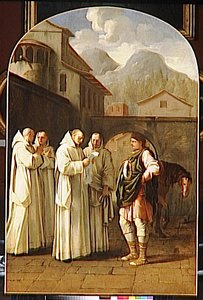
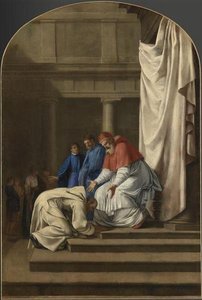
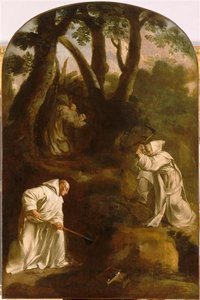
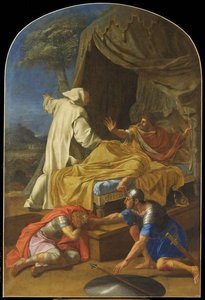
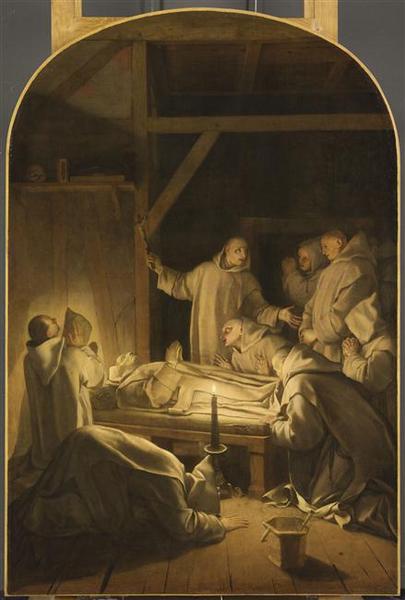
MORT DE SAINT BRUNO LE 6 OCTOBRE 1101


 Read More
Giclée / Art Print
Museum-quality giclée or canvas print with fast production and flexible finish options. ( Buy Hand Made Painting Buy Image)




P118B $10

P118H $10

P118W $10

P438Z $10

P508JH $12

P508YH $12

P805H $10

P805Z $10

P919BZ $10

P919G $10

P919XJ $10

P959ZH $10

P968JZ $12

W106C $8

W218G $10

W218JH $8

W218Y $10

W307PJ $10

W316G $10

W316PJ $8

W316Y $10

W398PJ $8

W4111J $10

W500HY $15

W500JH $15

W692G $12

W849H $8

W940BG $15

W953PJ $8




Pick from our preset sizes that match the artwork's original proportions.

You may enter your own dimensions to fit a specific frame or space. If your selected size does not match the original image's proportions, we will either crop the artwork or extend the image with a mirrored or solid-fill edge. A digital mockup will be sent for your approval before production begins.
Please note that the on-screen preview does not reflect the actual cropping or extension. Only the mockup will accurately show the final composition.
While custom sizes are available, we recommend selecting a dimension from the predefined list to preserve the original proportions.
Worldwide Delivery () in 2 weeks instead of standard 4/5 weeks. (23 August)

Free Worldwide Express Shipping

High-Quality Linen Canvas

Full Shipping Insurance

Customs Tax Refund Guarantee

True Color Matching Guarantee

60-Day Return Policy (Defects Only)

100% Money-Back Guarantee

Bulk Discount Offer
 Glass option is only available in size under 110 CM

MORT DE SAINT BRUNO LE 6 OCTOBRE 1101
Giclée / Art Print
Reproduction Size
-


Total Price
$ 63
Collectible Description
A Solemn Vigil: The Death of Saint Bruno
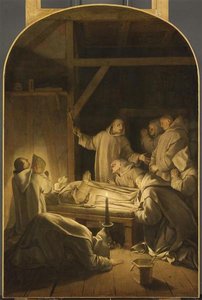
In the quiet, shadowed corridors of seventeenth-century French devotion, few works capture the profound weight of mortality and faith as poignantly as Eustache Le Sueur’s Mort de Saint Bruno le 6 Octobre 1101. This masterpiece serves as a window into a moment of sacred transition, depicting the passing of the venerable founder of the Carthusian Order. The scene is one of hushed reverence, where a group of Franciscan monks gathers around the lifeless form of their brother. There is an immediate, palpable sense of stillness that envelops the viewer, inviting them to step out of the frantic pace of modern life and into a space of eternal contemplation. The composition, framed by a heavy, arched doorway, creates an intimate sanctuary, pulling the observer into the very heart of this religious vigil.
The technical mastery of Le Sueur is on full display through his sophisticated use of chiaroscibility. As a prominent figure of the French Baroque, Le Sueur employs dramatic light and shadow to direct the soul's eye. A singular, flickering light source—perhaps a candle held in unseen hands—illuminates the pale, serene face of the deceased, casting much of the surrounding monastic cell into deep, mysterious gloom. This interplay of light does more than just define form; it acts as a spiritual metaphor, representing the light of divine grace piercing through the darkness of earthly death. The textures of the heavy woolen robes, the rough-hewn wooden planks of the floor, and the soft drapery are rendered with such tactile precision that one can almost feel the somber atmosphere of the stone chamber.
Symbolism and the Baroque Spirit
Beyond its surface beauty, the painting is a rich tapestry of religious symbolism. Every element within the frame contributes to the narrative of faith, devotion, and the inevitability of the end. The geometric stability of the architecture—the rectangular walls and the imposing arch—provides a sense of permanence and order, contrasting sharply with the fragility of the human life lying at the center of the work. The muted palette of browns, creams, and grays reinforces the ascetic lifestyle of the monks, stripping away worldly distractions to focus entirely on the spiritual significance of the moment. The subtle glint of gold in the doorway frame serves as a celestial hint, suggesting that while the body remains in the earthly realm, the soul is transitioning toward a higher, luminous reality.
For the discerning collector or interior designer, this artwork offers much more than mere decoration; it provides an anchor of historical depth and emotional gravity. A high-quality reproduction of this piece brings a sense of timeless elegance and intellectual sophistication to any space. Whether placed in a private library, a formal study, or a curated gallery wall, the painting’s dramatic intensity and classical composition command attention without overwhelming the room. It is an ideal selection for those who appreciate art that tells a story—a piece that invites long periods of reflection and serves as a constant reminder of the beauty found in quiet, sacred moments.
Related Artworks
Artist Biography
A Life Dedicated to Divine Vision: The World of Eustache Le Sueur
Eustache Le Sueur, a name resonating with the fervor and refinement of 17th-century French Baroque painting, stands as a pivotal figure in the nation’s artistic evolution. Born in Paris on November 19, 1617, and passing away within its walls on April 30, 1655, Le Sueur dedicated his life to capturing religious narratives with an increasingly neoclassical sensibility. His journey wasn't one of expansive travel or dramatic personal upheaval; rather, it was a focused ascent within the Parisian art world, culminating in his role as a founding member of the prestigious French Academy of Painting and Sculpture. His father, Cathelin Le Sueur, a skilled turner and wood sculptor, recognized his son’s burgeoning talent early on and apprenticed him to Simon Vouet, then the dominant force in French painting. This foundational training proved crucial, instilling in young Eustache a mastery of draftsmanship and composition that would characterize his entire career.Early Successes and Royal Commissions
Le Sueur rapidly distinguished himself within Vouet’s studio, quickly gaining admittance to the guild of master-painters. His early works, notably those illustrating scenes from the *Hypnerotomachia Poliphili*, a complex allegorical romance, brought him initial recognition. However, it was his series of decorations commissioned for the mansion of Lambert de Thorigny that truly began to establish his reputation. Though these projects were often interrupted by other demands on his time, they showcased Le Sueur’s burgeoning ability to create dynamic compositions and imbue his figures with a sense of dramatic presence. The Louvre itself became a canvas for his ambition, as he undertook several paintings for the royal apartments – works sadly lost to history but documented in inventories of the period. These commissions signaled a growing acceptance within the highest echelons of French society, paving the way for further opportunities and solidifying his position as a sought-after artist. He wasn’t merely executing decorative schemes; he was contributing to the visual language of power and piety that defined the court of Louis XIII and later, Louis XIV.The Founding of the Academy and a Neoclassical Turn
A defining moment in Le Sueur's career arrived with the establishment of the French Royal Academy of Painting and Sculpture in 1648. He was elected as one of the original twelve *elders*, entrusted with guiding the institution’s development and setting standards for artistic excellence. This role wasn’t simply administrative; it reflected a broader shift in Le Sueur's aesthetic sensibilities. He became increasingly drawn to a neoclassical style, characterized by clarity of form, restrained emotion, and a focus on idealized beauty – a departure from the more flamboyant tendencies of earlier Baroque painting. This Parisian Atticism, as it came to be known, emphasized intellectual rigor and a return to classical principles, influencing not only his own work but also shaping the direction of French art for generations to come.The Life of Saint Bruno: A Masterpiece of Devotion
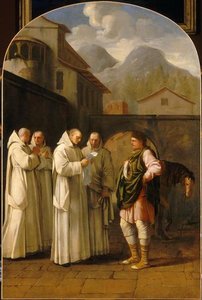
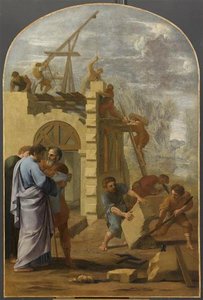
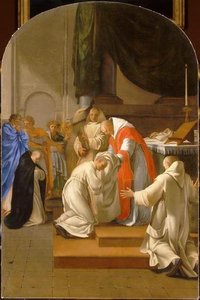
Perhaps Le Sueur’s most enduring legacy lies in his series depicting *The Life of Saint Bruno*, commissioned for the cloister of the Chartreux monastery. These paintings, originally adorning the walls of the abbey, represent a culmination of his artistic vision and technical skill. They are remarkable not only for their narrative power but also for their deeply spiritual quality. Le Sueur’s figures possess a quiet dignity and profound sense of devotion, conveying the ascetic ideals of the Carthusian order with compelling force. The use of *chiaroscuro* – the dramatic interplay of light and shadow – heightens the emotional impact of each scene, drawing the viewer into the world of Saint Bruno and his followers. Despite suffering damage and undergoing restorations over time, these works retain much of their original beauty, offering a glimpse into Le Sueur’s mastery of composition, color, and psychological insight.Legacy and Historical Significance
Eustache Le Sueur's influence extended beyond his own paintings. He trained numerous pupils, including his wife’s brother Theodore Goussé and several of his siblings, fostering a workshop that perpetuated his style and techniques. His drawings, many preserved in the Louvre’s Cabinet des Dessins, demonstrate his exceptional draftsmanship and provide valuable insight into his creative process. While some critics have noted a certain conventionality in his work – a tendency to rely on established types – it is undeniable that Le Sueur played a crucial role in shaping the aesthetic landscape of 17th-century France. He bridged the gap between the earlier Baroque exuberance and the more restrained classicism that would come to define French art under Louis XIV, leaving behind a body of work that continues to inspire awe and admiration. His dedication to religious themes, combined with his technical brilliance and commitment to artistic excellence, secures his place as one of the most important painters of his era.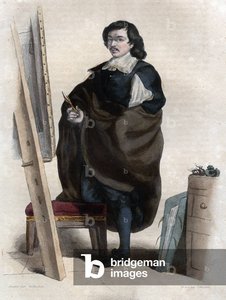
eustache le sueur (lesueur)
1616 - 1655
Quick Facts
- Artistic Movement Or Style: Baroque Painting
- Date Of Birth: November 19, 1617
- Date Of Death: April 30, 1655
- Full Name: Eustache Le Sueur
- Nationality: French
- Notable Artworks:
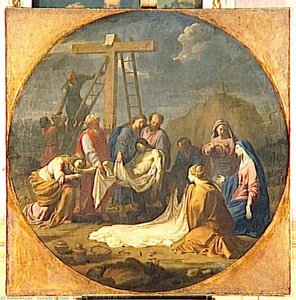
- DESCENTE DE CROIX
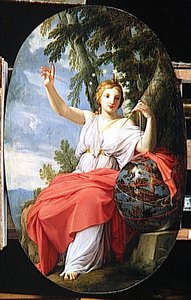
- TERPSICHORE
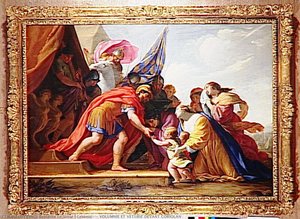
- VOLUMNIE ET VETURIE DEVANT CORIOLAN
- Place Of Birth: Paris, France
Related Articles
Discover the Divine: Inspiring Saint Anthony Artworks to Elevate Your Home Decor
Transform your home with the profound beauty of Saint Anthony artworks. Explore exquisite Baroque reproductions by Murillo and Zurbarán, hand-painted on 100% cotton canvas to bring divine serenity and timeless elegance to your interior design.

The Dramatic Flourish: Exploring the Baroque Movement's Enduring Legacy in Art History
Explore the dramatic world of Baroque art! Discover iconic artists like Caravaggio & Rubens, defining techniques, and its lasting impact on art history. Expert insights for collectors & enthusiasts at ArtsDot.
Decoding Baroque Grandeur: A Guide to the Drama and Emotion of 17th-Century Art
Explore the breathtaking drama of 17th-century Baroque art. Our expert guide decodes the use of chiaroscuro, emotional intensity, and historical grandeur to help you appreciate and curate timeless masterpieces for your collection.

The Golden Age Reforged: Dramatic Realism & Religious Zeal in Spanish Baroque Art
Explore the dramatic world of Spanish Baroque art! Discover masters like Zurbarán & the powerful influence of religious zeal on painting techniques – a guide for collectors and enthusiasts.
Baroque Classicism: Reconciling Drama & Order in 17th-Century Art
Explore the captivating world of Baroque Classicism! Discover its history, key artists like Caravaggio & Rubens, and defining characteristics. Expert insights & high-quality reproductions at ArtsDot.