 Preview
 Send
Send Share
Share
 Details

 Download
 Similars
 X-Ray
X-Ray Diaporama
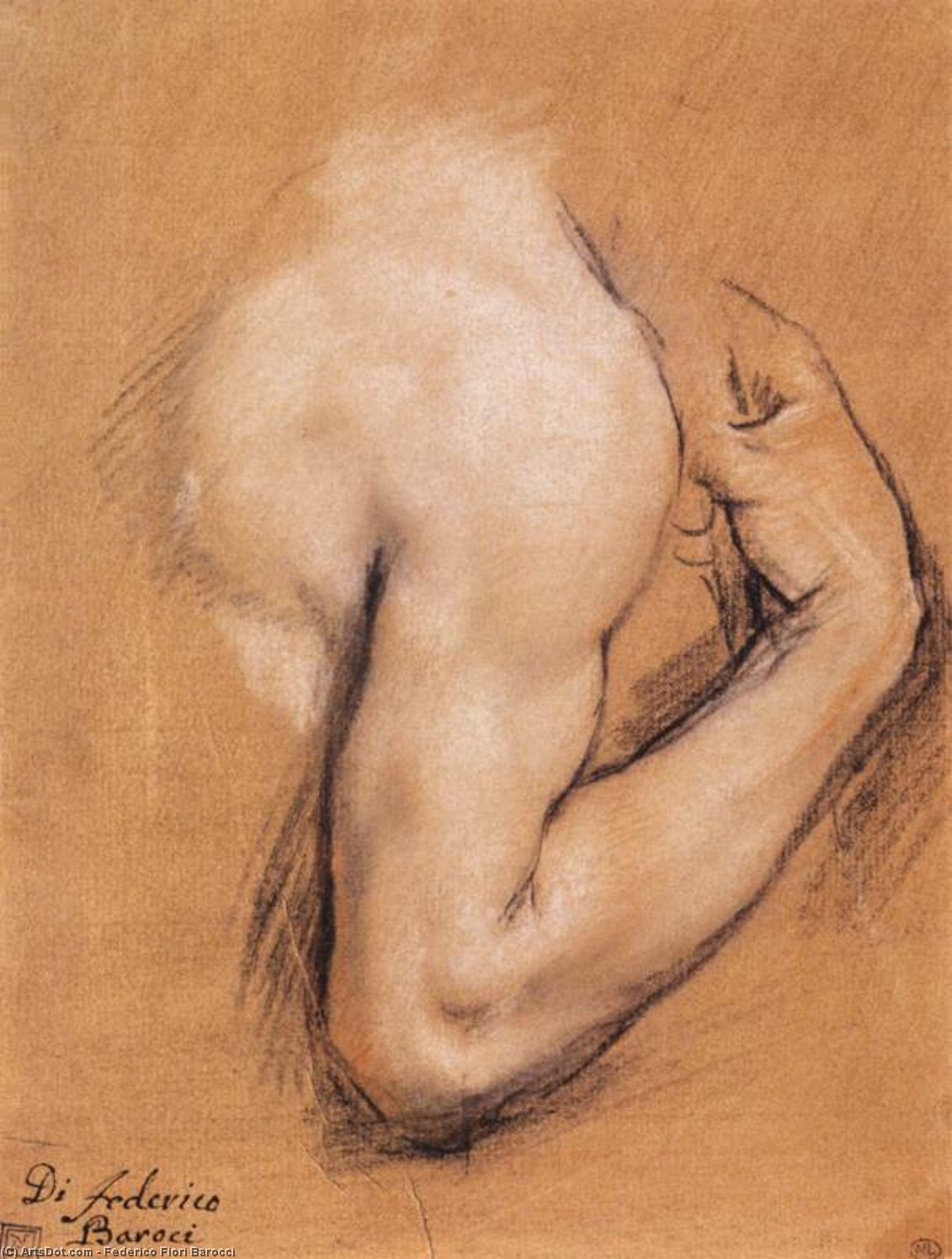
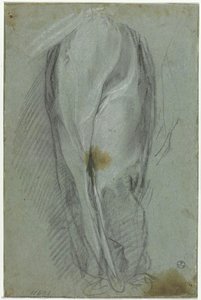
Study of a Bent Right Arm
 Acrylic On Canvas
- WallArt
- Italian Baroque
 1590
1590 232.0 x 176.0 cm
 The Louvre
 Read More
Hand Made Oil Reproduction
Hand-painted oil on canvas in your size and frame, made to order by our artists. ( Buy Print Buy Image)




P118B $10

P118H $10

P118W $10

P438Z $10

P508JH $12

P508YH $12

P805H $10

P805Z $10

P919BZ $10

P919G $10

P919XJ $10

P959ZH $10

P968JZ $12

W106C $8

W218G $10

W218JH $8

W218Y $10

W307PJ $10

W316G $10

W316PJ $8

W316Y $10

W398PJ $8

W4111J $10

W500HY $15

W500JH $15

W692G $12

W849H $8

W940BG $15

W953PJ $8




Pick from our preset sizes that match the artwork's original proportions.

You may enter your own dimensions to fit a specific frame or space. If your selected size does not match the original image's proportions, we will either crop the artwork or extend the painting with additional hand-painted elements. A digital mockup will be sent for your approval before production begins.
Please note that the on-screen preview does not reflect the actual cropping or extension. Only the mockup will accurately show the final composition.
While custom sizes are available, we recommend selecting a dimension from the predefined list to preserve the original proportions.
After order, ArtsDot.com team will email client for instructions and provide a mockup preview
Worldwide Delivery () in 3/4 weeks instead of standard 5 weeks. (16 August). No compromise on quality.

Free Worldwide Express Shipping

High-Quality Linen Canvas

Full Shipping Insurance

Customs Tax Refund Guarantee

True Color Matching Guarantee

60-Day Return Policy (Defects Only)

100% Money-Back Guarantee

Bulk Discount Offer
 Glass option is only available in size under 110 CM

Study of a Bent Right Arm
Reproduction Medium
Reproduction Size
-


Total Price
$ 263
Artwork Description
Federico Fiori Barocci’s Study of a Bent Right Arm: A Precursor to Baroque Grandeur
The Italian Renaissance painter Federico Fiori Barocci (1535 – 1612), affectionately nicknamed “il Baroccio,” stands as a pivotal figure bridging the gap between Mannerism and the burgeoning Baroque aesthetic. His meticulous drawing, "Study of a Bent Right Arm," executed around 1590, offers a fascinating glimpse into his artistic development and foreshadows the dramatic stylistic innovations that would soon dominate European art. This unassuming composition belies its significance as a harbinger of monumental grandeur and emotional intensity – characteristics that would define the era of Rubens and Caravaggio.A Mannerist Foundation: Precision and Anatomical Detail
Barocci’s training under Battista Franco instilled in him a profound understanding of anatomical accuracy, a hallmark of Mannerism. Unlike the stylized poses and flattened perspectives favored by his predecessors, Barocci prioritized precise observation and rendering of musculature. The drawing showcases an exceptional level of detail—the subtle contours of the biceps muscle, the delicate tendons tracing pathways across the forearm, and the careful depiction of the hand resting on the shoulder—demonstrating a commitment to scientific realism that anticipates the Baroque’s fascination with naturalism. This meticulous approach isn't merely technical; it reflects a humanist conviction in representing the human form truthfully, capturing its inherent beauty and complexity.Influence of Taddeo Zuccari: Exploring Roman Artistic Traditions
Barocci spent formative years honing his craft within the influential studio of Taddeo and Federico Zuccari in Rome, immersing himself in the artistic currents circulating at the papal court. The Zuccari brothers championed a style characterized by luminous color palettes and dynamic compositions—elements that would soon become synonymous with Baroque painting. Exposure to these traditions undoubtedly shaped Barocci’s visual vocabulary and encouraged him to experiment with expressive gestures and dramatic lighting effects, albeit subtly present in this preparatory sketch. It speaks volumes about the artistic environment of the time and underscores Barocci's role as a student absorbing the best achievements of Roman Renaissance art.Symbolism Embedded in Gesture: The Shepherd’s Form
The drawing itself is part of a larger project—the depiction of a shepherd within a monumental altarpiece commissioned by Pope Pius IV. This commission exemplifies the Baroque’s penchant for conveying religious narratives with palpable emotion and grandeur. The pose of the arm—bent at the elbow, hand resting on shoulder—is laden with symbolic significance. Traditionally associated with pastoral virtue and divine compassion, it embodies qualities deemed essential to portraying saints and biblical figures. Barocci's careful rendering captures not only anatomical precision but also an emotional resonance that anticipates the Baroque’s expressive power – a testament to his artistic sensitivity and understanding of visual language.A Window into Artistic Evolution: Preparing for Monumental Vision
“Study of a Bent Right Arm” isn’t merely a beautiful drawing; it's a crucial step in Barocci’s artistic journey toward realizing his ambitious visions for monumental altarpieces and frescoes. This preparatory sketch reveals the artist grappling with compositional challenges, experimenting with tonal variations, and refining his technique—all activities that would ultimately contribute to the creation of masterpieces embodying Baroque grandeur. Examining this drawing illuminates Barocci's creative process and underscores his enduring legacy as a precursor to one of art history’s most transformative movements. It serves as an inspiring reminder that even seemingly simple sketches can hold profound insight into the genesis of artistic innovation.Related Artworks
Artist Biography
Early Life and Training
- Born: Urbino, Italy (1535)
- Died: 1612
- Federico Fiori Barocci, an Italian Renaissance painter and printmaker, was born in 1535 in Urbino, Italy.
- His original name was Federico Fiori, and he was nicknamed "il Baroccio," which means a two-wheel cart drawn by oxen in northwestern Italian dialects.
- Barocci received his earliest apprenticeship with his father, Ambrogio Barocci, a sculptor of some local eminence.
- He was then apprenticed with the painter Battista Franco in Urbino. This training laid the foundation for his future success.
Artistic Career and Influences
- Barocci's work was highly esteemed and influential, foreshadowing the Baroque style of Peter Paul Rubens.
- He worked in the pre-eminent studio of Taddeo and Federico Zuccari in Rome, where he was exposed to various artistic influences.
- His first notable work was a "St. Margaret" executed for the confraternity of the Holy Sacrament.
- He was invited by Pope Pius IV to assist in the decoration of the Vatican Belvedere Palace at Rome, where he painted the Virgin Mary and infant, with several saints and a ceiling in fresco, representing the Annunciation.
- Barocci's style was characterized by a mix of Mannerism and Baroque elements.
Notable Works and Legacy
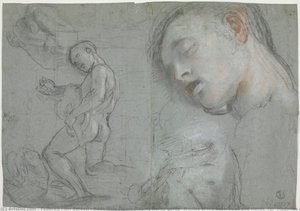
- Five Studies of Male Figure and two of His Right Hand and Arm (Uffizi Gallery, Florence, Italy) - A testament to Barocci’s skill in capturing the human form.
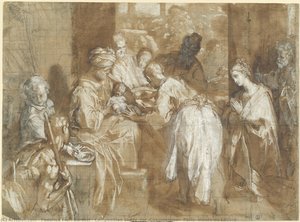
- Composition Study (for “Circumcision”, Paris, Musée du Louvre) – Demonstrates his ability to balance composition and emotion.
- Man’s Head (for “Calling of Saint Andrew”, Bruxelles, Musées Royaux des Beaux-Arts de Belgique) - Showcases Barocci's attention to detail and expression.
- The Nativity (1597 oil painting at the Prado).
- Madonna del Popolo (Uffizi Gallery, Florence, Italy).
- The Madonna of the Cat (La Madonna del Gatto)
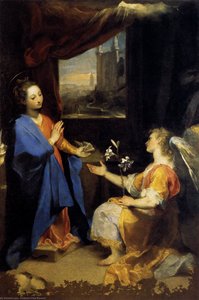
- Annunciation (1582)
Artistic Impact and Followers
- Barocci's influence can be seen in the work of various artists, including Peter Paul Rubens, who was inspired by Barocci’s dramatic and emotive brushwork.
- His legacy continues to be celebrated through his numerous works, now housed in museums such as the Uffizi Gallery (Florence, Italy) and the Musée du Louvre (Paris, France).
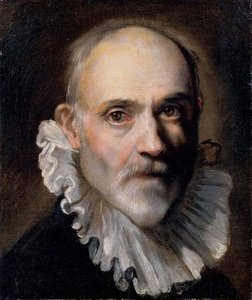
Federico Fiori Barocci
1535 - 1612 , Italy
Quick Facts
- Artistic Movement Or Style: Renaissance, Baroque
- Artists Or Movements Influenced By This Artist: ['Peter Paul Rubens']
- Artists Who Influenced This Artist: ['Battista Franco']
- Date Of Birth: 1535
- Date Of Death: 1612
- Full Name: Federico Fiori Barocci
- Nationality: Italian
- Notable Artworks:
- The Nativity
- Madonna del Popolo
- Annunciation
- Stigmatization of Saint Francis
- Rest on the Flight to Egypt
- Place Of Birth: Urbino, Italy
Related Articles
Federico Barocci: A Master of Emotive Spirituality & the Transition from Mannerism
Explore the captivating world of Federico Barocci, a pivotal figure bridging Mannerism & Baroque art. Discover his emotive spirituality, innovative techniques, and lasting influence on Italian Renaissance painting.

Baroque Drama: Bringing Opulence & Emotion into Contemporary Interiors
Explore the opulent world of Baroque interior design! Discover key elements, modern applications & how to bring dramatic elegance into your home with 's authentic reproductions.

The Dramatic Flourish: Exploring the Baroque Movement's Enduring Legacy in Art History
Explore the dramatic world of Baroque art! Discover iconic artists like Caravaggio & Rubens, defining techniques, and its lasting impact on art history. Expert insights for collectors & enthusiasts at ArtsDot.

Baroque Masterpieces: 10 Paintings That Defined an Era |
Journey through the drama & grandeur of Baroque art! Explore 10 masterpieces by Caravaggio, Rembrandt, Rubens & more. Discover stunning oil paintings, rich colors & timeless stories. Find museum-quality reproductions at .

The Visceral Stage: Exploring Dramatic Narratives & Emotional Intensity in Baroque Art
Explore the dramatic world of Baroque art! Discover iconic masters like Caravaggio & Rembrandt, their techniques, and the movement's lasting impact. Expert insights for collectors & enthusiasts at ArtsDot.