 Preview
 Send
Send Share
Share
 Details

 Download
 Similars
 X-Ray
X-Ray Diaporama
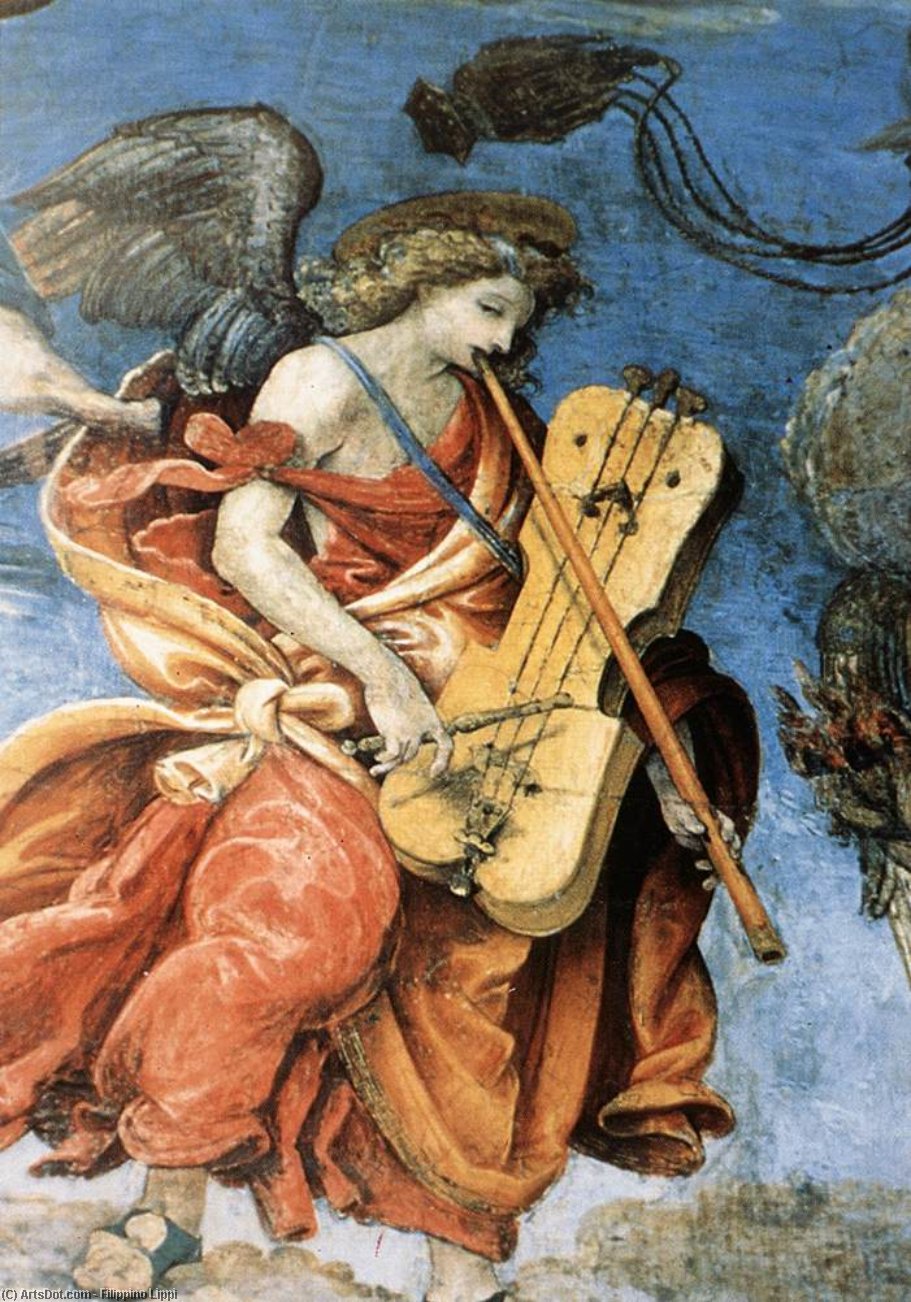
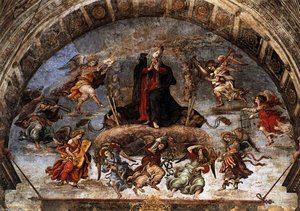
Assumption and Annunciation (detail)


 Read More
Hand Made Oil Reproduction
Hand-painted oil on canvas in your size and frame, made to order by our artists. ( Buy Print Buy Image)




P118B $10

P118H $10

P118W $10

P438Z $10

P508JH $12

P508YH $12

P805H $10

P805Z $10

P919BZ $10

P919G $10

P919XJ $10

P959ZH $10

P968JZ $12

W106C $8

W218G $10

W218JH $8

W218Y $10

W307PJ $10

W316G $10

W316PJ $8

W316Y $10

W398PJ $8

W4111J $10

W500HY $15

W500JH $15

W692G $12

W849H $8

W940BG $15

W953PJ $8




Pick from our preset sizes that match the artwork's original proportions.

You may enter your own dimensions to fit a specific frame or space. If your selected size does not match the original image's proportions, we will either crop the artwork or extend the painting with additional hand-painted elements. A digital mockup will be sent for your approval before production begins.
Please note that the on-screen preview does not reflect the actual cropping or extension. Only the mockup will accurately show the final composition.
While custom sizes are available, we recommend selecting a dimension from the predefined list to preserve the original proportions.
After order, ArtsDot.com team will email client for instructions and provide a mockup preview
Worldwide Delivery () in 3/4 weeks instead of standard 5 weeks. (17 August). No compromise on quality.

Free Worldwide Express Shipping

High-Quality Linen Canvas

Full Shipping Insurance

Customs Tax Refund Guarantee

True Color Matching Guarantee

60-Day Return Policy (Defects Only)

100% Money-Back Guarantee

Bulk Discount Offer
 Glass option is only available in size under 110 CM

Assumption and Annunciation (detail)
Reproduction Medium
Reproduction Size
-


Total Price
$ 263
Artwork Description
Filippino Lippi’s Vision of Divine Grace: An Examination of “Assumption and Annunciation”
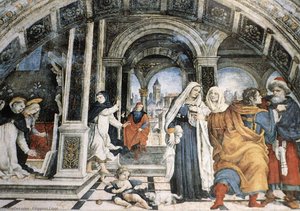
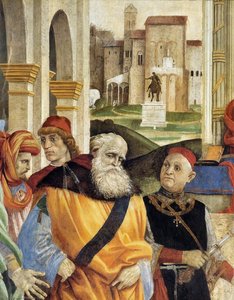
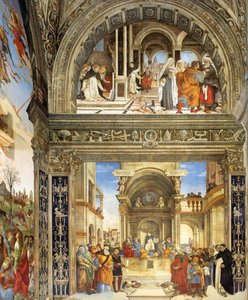
The fresco depicting the Assumption and Annunciation, housed within the Carafa Chapel of Santa Maria sopra Minerva in Rome, stands as a testament to Filippino Lippi's mastery of High Renaissance artistic principles. Completed around 1489-91 alongside Masolino Visconti, this monumental artwork embodies the humanist ideals prevalent during Lorenzo de’ Medici’s reign—a fervent belief in human potential intertwined with profound spiritual contemplation. It’s more than just a depiction of biblical narrative; it's an immersive experience designed to inspire awe and reverence.A Symphony of Color and Composition
Lippi’s approach distinguishes itself through meticulous attention to detail and masterful use of color palettes. The dominant hues—pale blues, golds, and creamy whites—create an ethereal atmosphere that elevates the scene beyond mere representation. These colors aren't merely decorative; they convey a sense of celestial luminescence, mirroring the divine realm depicted above. The composition is carefully balanced, guiding the viewer’s eye across the canvas with graceful curves and converging lines. Central to this visual harmony is Mary, portrayed in regal splendor, receiving the radiant blessing of Gabriel—a gesture symbolizing divine grace and maternal humility.Technique: Fresco Buon Completo – A Laborious Pursuit of Perfection
The fresco technique employed by Lippi exemplifies the “buon complet,” or “good finish,” a hallmark of Renaissance painting. This method involves applying pigment directly onto wet plaster, ensuring exceptional durability and vibrancy over centuries. The painstaking process demanded considerable skill and patience from the artists involved—a collaborative effort reflecting the intellectual fervor of the era. Layers upon layers of glaze were painstakingly applied to achieve luminous surfaces that capture the subtleties of light and shadow, creating a palpable sense of depth and realism within this spiritual tableau.Symbolism: Echoes of Marian Piety and Heavenly Revelation
Beyond its aesthetic beauty, “Assumption and Annunciation” is laden with symbolic significance. Mary’s ascension represents her triumph over earthly mortality and her elevation to eternal glory—a cornerstone of Christian theology. The harp held by Gabriel symbolizes divine music and harmony, reflecting God's benevolent influence on human affairs. Furthermore, the depiction of angels engaged in prayer underscores the importance of spiritual devotion and contemplation. These elements coalesce into a powerful meditation on faith and redemption, resonating with viewers across time.Emotional Impact: Inspiring Reverence and Artistic Wonder
The fresco’s enduring appeal lies in its ability to evoke profound emotional responses. The serene beauty of the scene—combined with the luminous colors and masterful composition—promotes contemplation and invites viewers to contemplate themes of faith, humility, and divine grace. It serves as a reminder of humanity's connection to the sacred realm and inspires admiration for Lippi’s artistic genius. Reproductions of this masterpiece continue to captivate audiences today, transporting them back to the splendor of Renaissance Rome and reaffirming the timeless power of art to communicate spiritual truths.Related Artworks
![Stanze Vaticane - La Disputa (detail) [08] — Raphael, Renaissance](/media/artworks/images/thumbnails/d9/00/d90086eaa1dc4344b80a112cf2bb1906.jpg)
Artist Biography
Early Life and Training
- Born: April 1457, Prato, Italy
- Died: April 1504
- Parents: Fra Filippo Lippi (painter) and Lucrezia Buti
- Filippino was the illegitimate son of a renowned painter.
- Early training under his father laid the foundation for his artistic career.
Artistic Career and Development
- Early Period (1475-1480): Initial works, such as Madonnas, showed a less refined style. These were initially attributed to an anonymous artist known as "amico di Sandro."
- Evolution (1480-1485): Development of a more personal and effective approach in works like the *Journeys of Tobias*.
- Maturity (1485-1504): Mastery of the High Renaissance style, exemplified by *The Apparition of Christ to the Virgin*.
Major Works and Collaborations
- Collaboration with Perugino, Ghirlandaio, and Botticelli on frescoes at Lorenzo de' Medici’s villa.
- Completion of Masaccio's unfinished decoration in the Brancacci Chapel alongside Masolino.
- Notable works include: *The Coronation of the Virgin*, *Tobias and the Angel*, *St Jerome*, and *Scene from the Life of St Thomas Aquinas*.
Influences and Artistic Style
- Early Influences: Sandro Botticelli, Fra Filippo Lippi.
- Style Characteristics: Animated form and line, warm colorism, detailed landscapes, expressive figures, and a blend of perspective geometry with intimate interiors.
- Roman Antiquities: Studies after Roman antiquities during his time in Rome influenced his work, incorporating an antique vocabulary into his art.
Historical Significance and Legacy
- A leading Florentine exponent of the tradition of great fresco cycles.
- His influence on the High Renaissance is undeniable.
- Works are found in museums worldwide, including the Uffizi Gallery in Florence.
- Known for bridging the gap between earlier Renaissance styles and the emerging High Renaissance aesthetic.
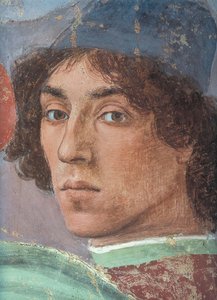
Filippino Lippi
1457 - 1504 , Italy
Quick Facts
- Artistic Movement Or Style: High Renaissance
- Artists Or Movements Influenced By This Artist: ['Raffaellino del Garbo']
- Artists Who Influenced This Artist:
- Fra Filippo Lippi
- Sandro Botticelli
- Date Of Birth: April 1457
- Date Of Death: April 1504
- Full Name: Filippino Lippi
- Nationality: Italian
- Notable Artworks:
- The Coronation of the Virgin
- Tobias and the Angel
- Scene from the Life of St Thomas Aquinas
- St Jerome
- Place Of Birth: Prato, Italy
Related Articles
Celestial Messengers: Angels in Painting – A Historical & Artistic Exploration
Explore the captivating history of angels in painting! Discover symbolism, iconic Renaissance & Byzantine masterpieces, and renowned artists. Expert insights for art lovers & collectors at ArtsDot.
Celestial Messengers: A Comprehensive Exploration of Angelic Representation in Art History
Explore the captivating history of angels in art! Discover symbolism, iconic Renaissance masterpieces & renowned artists. Expert insights for art lovers & collectors at ArtsDot.
Filippino Lippi: Renaissance Innovation Bridging Faith & Humanism
Explore the captivating world of Filippino Lippi, a Renaissance master bridging faith & humanism through innovative art. Discover his key works, influences, and lasting legacy with ArtsDot.
Harmonies on Canvas: Exploring the Visual Representation of Music in Art History
Explore the fascinating history of music's visual representation in art! From ancient symbolism to modern abstraction, discover how artists have captured sound and emotion on canvas. Expert insights & stunning examples.
Filippo Lippi: Bridging Renaissance Devotion & Artistic Innovation
Explore the life & revolutionary art of Filippo Lippi, a pivotal Renaissance painter. Discover his masterpieces, influence on Botticelli, and investment potential. Expert analysis at ArtsDot.