 Preview
 Send
Send Share
Share
 Details

 Download
 Similars
 X-Ray
X-Ray Diaporama
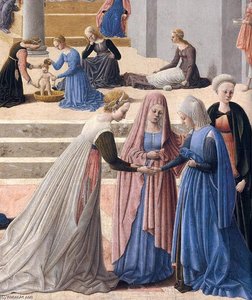
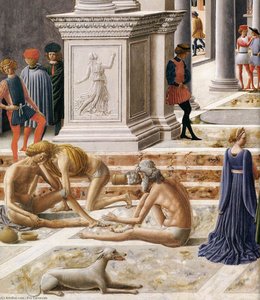
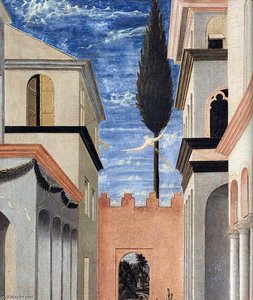
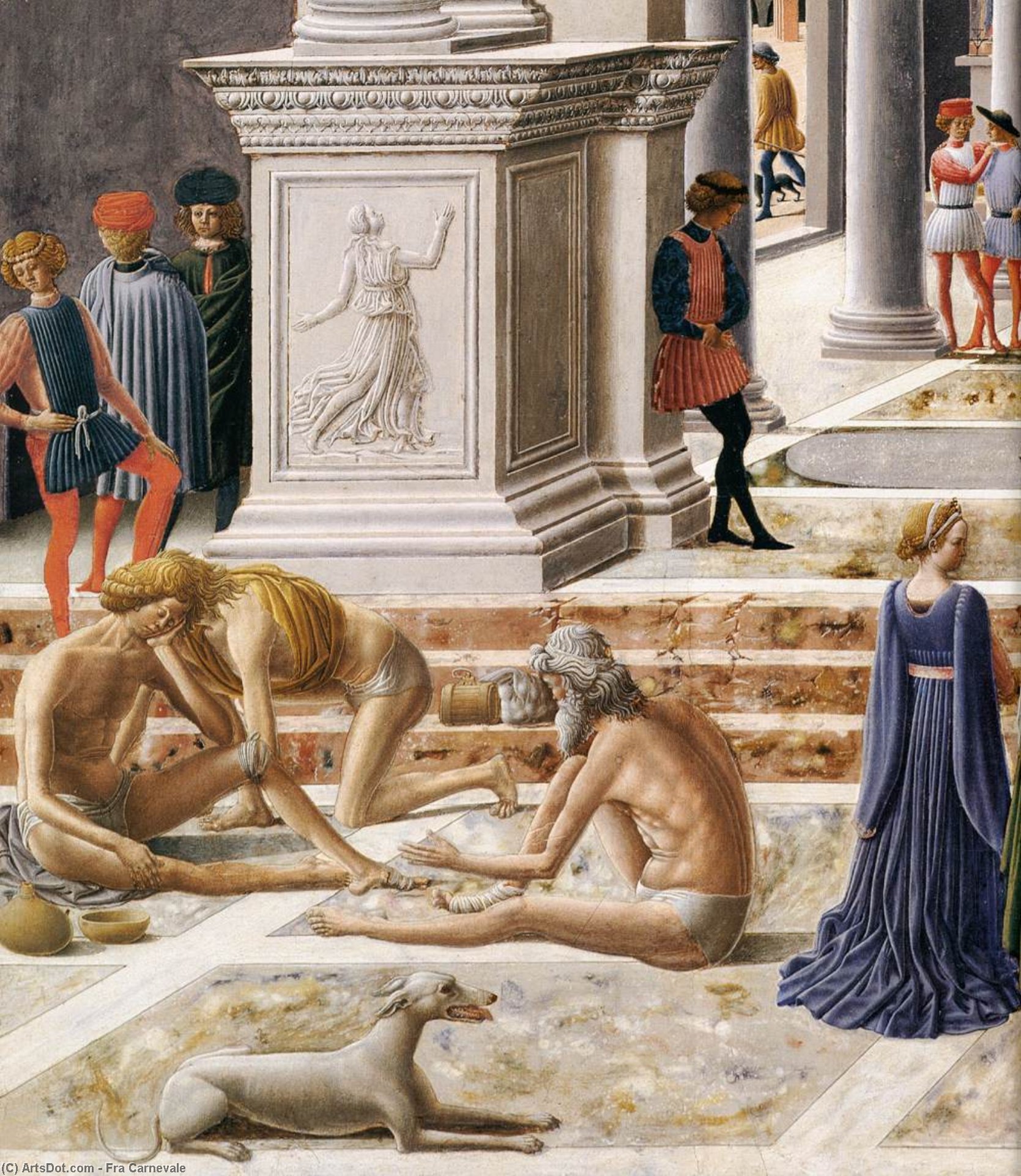
The Presentation of the Virgin in the Temple (detail) (11)


 Read More
Hand Made Oil Reproduction
Hand-painted oil on canvas in your size and frame, made to order by our artists. ( Buy Print Buy Image)




P118B $10

P118H $10

P118W $10

P438Z $10

P508JH $12

P508YH $12

P805H $10

P805Z $10

P919BZ $10

P919G $10

P919XJ $10

P959ZH $10

P968JZ $12

W106C $8

W218G $10

W218JH $8

W218Y $10

W307PJ $10

W316G $10

W316PJ $8

W316Y $10

W398PJ $8

W4111J $10

W500HY $15

W500JH $15

W692G $12

W849H $8

W940BG $15

W953PJ $8




Pick from our preset sizes that match the artwork's original proportions.

You may enter your own dimensions to fit a specific frame or space. If your selected size does not match the original image's proportions, we will either crop the artwork or extend the painting with additional hand-painted elements. A digital mockup will be sent for your approval before production begins.
Please note that the on-screen preview does not reflect the actual cropping or extension. Only the mockup will accurately show the final composition.
While custom sizes are available, we recommend selecting a dimension from the predefined list to preserve the original proportions.
After order, ArtsDot.com team will email client for instructions and provide a mockup preview
Worldwide Delivery () in 3/4 weeks instead of standard 5 weeks. (1 September). No compromise on quality.

Free Worldwide Express Shipping

High-Quality Linen Canvas

Full Shipping Insurance

Customs Tax Refund Guarantee

True Color Matching Guarantee

60-Day Return Policy (Defects Only)

100% Money-Back Guarantee

Bulk Discount Offer
 Glass option is only available in size under 110 CM

The Presentation of the Virgin in the Temple (detail) (11)
Reproduction Medium
Reproduction Size
-


Total Price
$ 263
A Sacred Encounter in the Heart of Urbino
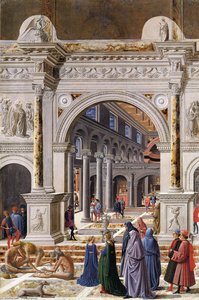
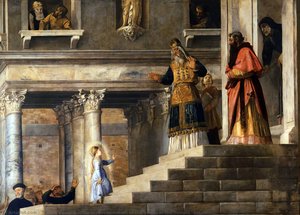
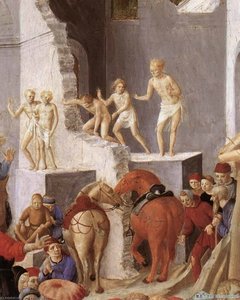
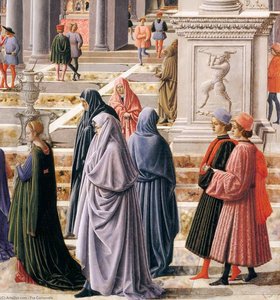
In the delicate detail of The Presentation of the Virgin in the Temple, we are invited into a moment of profound spiritual transition, captured through the masterful lens of Fra Carnevale. This fragment of a larger narrative serves as a window into the late Quattrocento, where the divine and the earthly intersect with breathtaking clarity. The scene unfolds around a central gathering, a communal assembly of figures whose gazes and gestures weave a tapestry of devotion. As we gaze upon this composition, we find ourselves not merely observers of a historical event, but participants in a sacred ritual. The presence of a small dog near the foreground and a humble bowl resting on the ground grounds the celestial significance of the Virgin’s presentation in a tangible, human reality, suggesting that even the most monumental spiritual milestones are rooted in the quiet, everyday rhythms of life.
The artistry of Fra Carnevale is defined by his unique ability to marry architectural precision with emotional depth. Influenced by the rigorous perspective techniques of Jacopo Veneto and the theoretical brilliance of Alberti, Carnevale treats space as a character in itself. In this detail, the arrangement of figures—some pressing forward with eager anticipation, others receding into the soft shadows of the background—creates a rhythmic movement that guides the eye through the sacred space. The technique reflects the Renaissance obsession with chiaroscuro and spatial depth, using light to sculpt the faces of the faithful and highlight the textures of their garments. For the discerning collector or interior designer, this piece offers more than just visual beauty; it provides a structural elegance that can anchor a room, bringing a sense of classical order and historical weight to any sophisticated setting.
Beyond its technical mastery, the painting resonates with a profound emotional intelligence. There is a palpable sense of community and shared destiny within the crowd; the figures are bound together by their collective witness to the divine. This sense of "shared experience" makes the artwork particularly compelling for modern spaces, as it evokes themes of connection, tradition, and the continuity of faith. To possess a reproduction of this work is to invite a piece of the Italian Renaissance into one's home—a piece that speaks of the enduring human desire to find meaning within the architecture of our lives. Whether placed in a sunlit gallery or a quiet study, this detail from Carnevale’s masterpiece serves as a timeless reminder of the beauty found in moments of profound reverence.
Related Artworks
Artist Biography
The Enigmatic Architect of Urbino’s Renaissance
In the shadowed corridors of the Quattrocento, few figures possess the haunting allure of Fra Carnevale. A name whispered with both reverence and mystery, Bartolomeo di Giovanni Corradino—known to history by his monastic title—remains one of the most elusive masters of the Italian Renaissance. Born in Urbino around 1420, his life was a delicate tapestry woven from the threads of spiritual devotion and profound artistic innovation. As a member of the Dominican Order, Carnevale occupied a unique space where the contemplative silence of the cloister met the burgeoning intellectual rigor of humanism. Though only nine works can be definitively attributed to his hand today, each surviving piece serves as a window into a mind that sought to harmonize the divine with the mathematical precision of the physical world.
The trajectory of Carnevale’s artistry was shaped by the great artistic crucibles of his era. His formative years in Urbino under the guidance of Jacopo Veneto instilled in him an early fascination with perspective, a skill that would become the hallmark of his mature style. However, it was his journey to Florence around 1445 that truly ignited his creative spirit. Immersed in the vibrant Florentine atmosphere, he studied under the influential Antonio Alberti and entered the prestigious workshop of Filippo Lippi. This apprenticeship was transformative; from Lippi, Carnevale inherited a masterful command of color and a delicate approach to composition, learning to breathe life into figures through subtle tonal shifts and emotional depth.
A Mastery of Space and Sacred Narrative
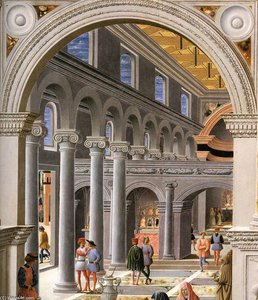
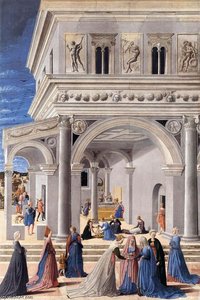
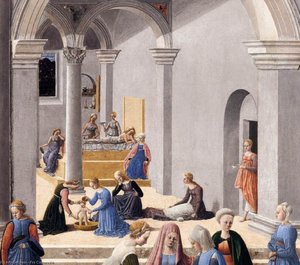
What distinguishes the work of Fra Carnevale from his contemporaries is his unparalleled ability to integrate complex architectural settings with sacred narratives. He did not merely paint backgrounds; he constructed worlds. His canvases often feature imposing, classically inspired structures that reflect the humanist ideals of the age, echoing the grandeur of the Ducal Palace at Urbino and the theoretical treatises of Leon Battista Alberti. In works such as The Birth of the Virgin, one observes a breathtaking marriage of medieval detail and Renaissance spatial logic. The architectural depth achieved in these panels suggests a profound understanding of geometry, creating a stage where the miraculous feels grounded in a tangible, measurable reality.
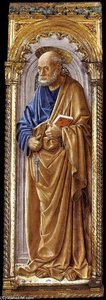
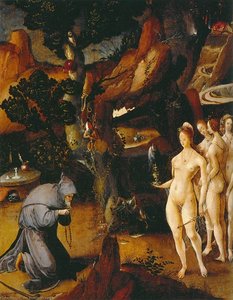
His technical repertoire was as diverse as his influences, ranging from the luminous clarity of tempera to the rich textures of oil painting. In pieces like St Peter, he utilized light and shadow to evoke a sense of solemnity and divine presence, while his Allegorical Scene showcases a daring use of nude figures within classical settings, reflecting the era's fascination with rediscovered Greco-Roman ideals. This ability to navigate between the pious requirements of his Dominican vocation and the sophisticated aesthetic demands of patrons like Federico Montefeltro allowed him to create art that was simultaneously devotional and intellectually stimulating.
Legacy and Historical Resonance
Though the scarcity of his surviving oeuvre has often led scholars to debate the authenticity of certain works, the historical significance of Fra Carnevale cannot be overstated. He acted as a vital bridge between the early experiments of the 15th century and the High Renaissance perfection achieved by masters like Bramante and Raphael. His preoccupation with architectural perspective and the integration of classical motifs provided a foundational blueprint for the next generation of Italian artists. To study Carnevale is to witness the very moment when the spiritual intensity of the Middle Ages began to merge with the structured, human-centric vision of the Renaissance.
Today, the legacy of this enigmatic monk lives on through the rare, precious fragments of his vision that remain. He stands as a testament to the power of the "architectural painter," an artist who saw the divine not just in the faces of saints, but in the very proportions of the space they inhabited. His life, though shrouded in much historical uncertainty, continues to inspire awe, reminding us that even the most elusive figures can leave an indelible mark on the soul of art history.
Fra Carnevale
1420 - 1484 , Italy
Quick Facts
- Artistic Movement Or Style: Quattrocento
- Artists Or Movements Influenced By This Artist:
- Filippo Lippi
- Piero della Francesca
- Artists Who Influenced This Artist:
- Antonio Alberti
- Dominico Veneziano
- Date Of Birth: c. 1420
- Date Of Death: 1484
- Full Name: Bartolomeo di Giovanni Corradini
- Nationality: Italian
- Notable Artworks:
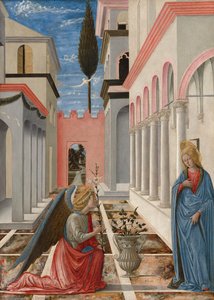
- The Annunciation
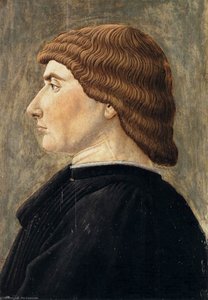
- Portrait of a Man
- Place Of Birth: Urbino, Italy
Related Articles
Fra Angelico's Masterpieces: 25 Renaissance Paintings for Your Home | ArtsDot
Explore 25 breathtaking masterpieces by Fra Angelico, a Renaissance master. Discover the stories behind his iconic frescoes, Annunciations & religious art. Find museum-quality reproductions and elevate your home decor with ArtsDot.com.
Mario Sironi: A Poetic of Modern Italian Identity Through Symbolism & Social Commentary
Explore the profound works of Mario Sironi, a key figure in Italian Modernism. Discover his evolution from Futurism to Metaphysical painting and his powerful social commentary. Learn about his legacy at ArtsDot.
Giotto's Masterpieces: 25 Renaissance Artworks for Your Home | ArtsDot
Explore 25 breathtaking artworks by Giotto di Bondone, a Renaissance master. Discover the stories behind iconic frescoes & paintings like the Scrovegni Chapel cycle. Find museum-quality Giotto reproductions and elevate your home decor with ArtsDot.com.
Giovanni Fattori: Realism, Identity & the Tuscan Landscape – A Macchiaioli Master
Explore the life & art of Giovanni Fattori, a leading figure of the Macchiaioli movement. Discover his revolutionary realism, captivating Tuscan landscapes, and lasting impact on Italian painting. Learn more at ArtsDot.
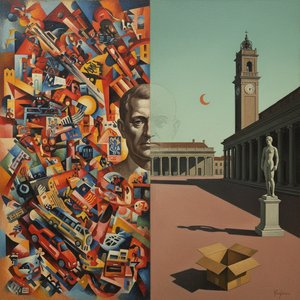
Carlo Carrà: Futurist Visions & Metaphysical Transformations in Early 20th-Century Italian Painting
Explore the artistic journey of Carlo Carrà, a pivotal figure in Italian Futurism & Metaphysical painting. Discover his dynamic compositions, collaborations with de Chirico, and lasting influence on modern art history.