 Send
Send Share
Share
 Details

 Download
 Similars
 Diaporama
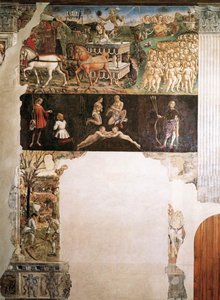
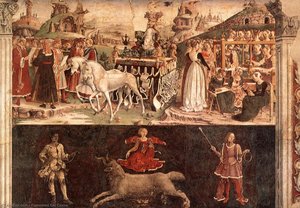
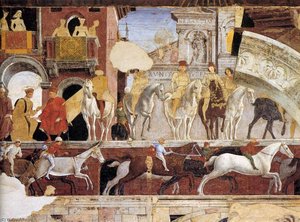
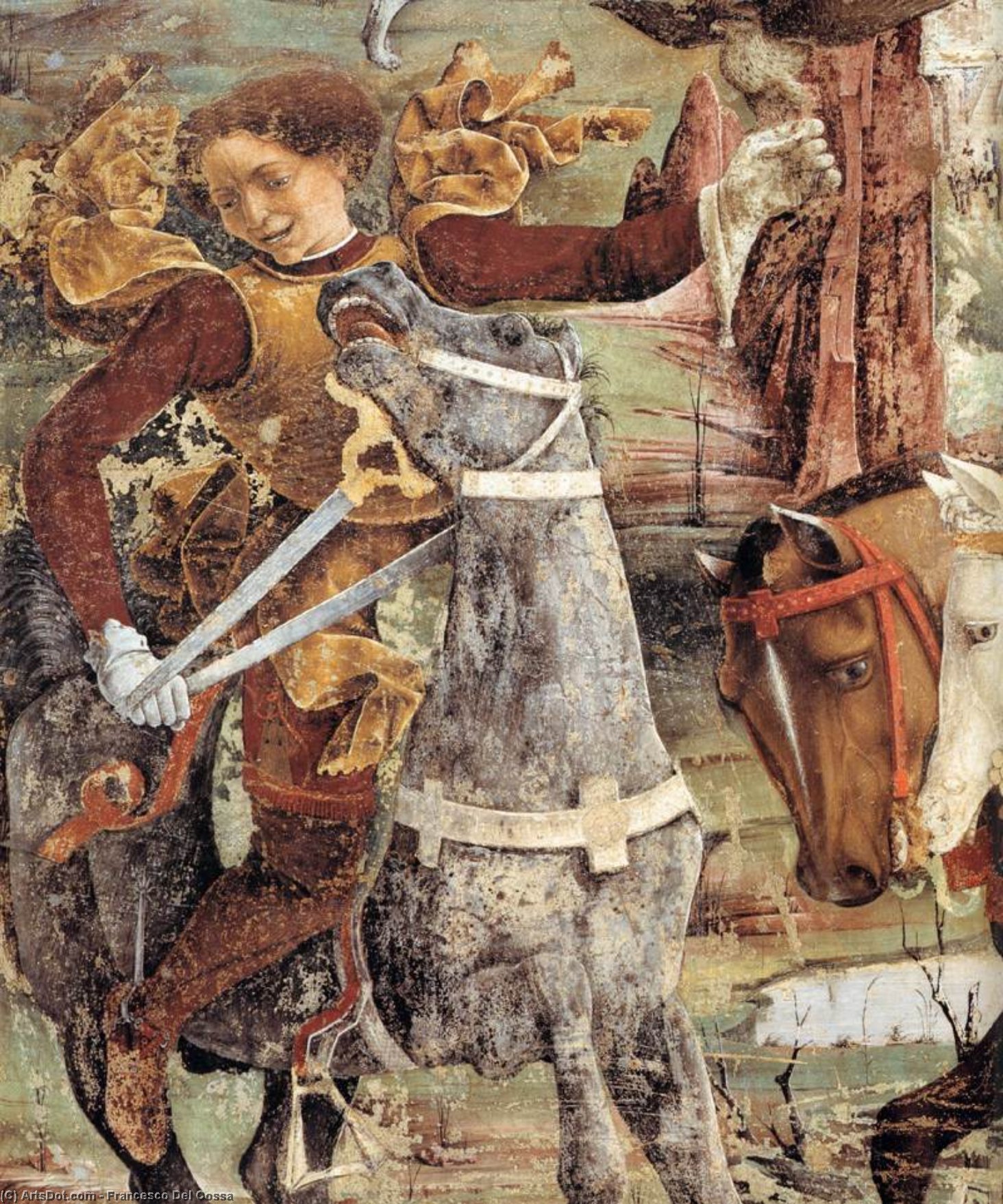
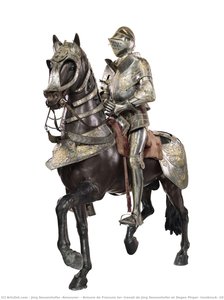
Allegory of March: Triumph of Minerva (detail) (13)


 Read More
Giclée / Art Print
Museum-quality giclée or canvas print with fast production and flexible finish options. ( Buy Hand Made Painting Buy Image)




































Pick from our preset sizes that match the artwork's original proportions.

You may enter your own dimensions to fit a specific frame or space. If your selected size does not match the original image's proportions, we will either crop the artwork or extend the image with a mirrored or solid-fill edge. A digital mockup will be sent for your approval before production begins.
Please note that the on-screen preview does not reflect the actual cropping or extension. Only the mockup will accurately show the final composition.
While custom sizes are available, we recommend selecting a dimension from the predefined list to preserve the original proportions.
Worldwide Delivery () in 2 weeks instead of standard 4/5 weeks. (5 September)

Free Worldwide Express Shipping

High-Quality Linen Canvas

Full Shipping Insurance

Customs Tax Refund Guarantee

True Color Matching Guarantee

60-Day Return Policy (Defects Only)

100% Money-Back Guarantee

Bulk Discount Offer
 Glass option is only available in size under 110 CM

Allegory of March: Triumph of Minerva (detail) (13)
Giclée / Art Print
Reproduction Size
-


Total Price
$ 63
A Vision of Renaissance Valor
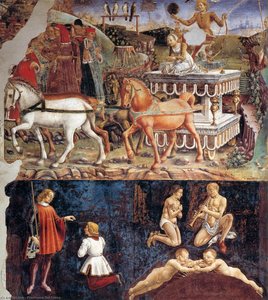
In this breathtaking detail from the Allegory of March: Triumph of Minerva, we are transported back to the vibrant heart of the Italian Renaissance. Painted around 1476 by the Ferrarese master Francesco del Cossa, this fragment captures a moment of profound kinetic energy and heroic splendor. At its center, a warrior clad in meticulously rendered armor surges forward atop a powerful steed. The rider’s grip on his sword is not merely an act of combat, but a symbol of decisive action and the triumph of intellect over chaos. Every brushstroke contributes to a sense of breathless movement, as if the viewer has stumbled upon a fleeting second of a much larger, epic procession.
The composition is a masterclass in the Ferrarese school's ability to blend sculptural solidity with atmospheric drama. Del Cossa utilizes a technique that emphasizes sharp contours and a brilliant, almost metallic sheen on the armor, reflecting the light as if it were real steel. This tactile quality makes the figure feel remarkably present, bridging the gap between the historical past and the contemporary observer. The subtle interplay of shadows across the horse's muscular frame and the knight's silhouette creates a depth that invites the eye to wander through the scene, discovering the smaller, more enigmatic figures lurking in the periphery of this grand allegorical stage.
Symbolism and the Spirit of Ferrara
To understand this work is to understand the intellectual climate of 15th-century Ferrara. As part of a larger cycle of frescoes, this detail serves as a window into the complex mythological and political allegories favored by the Este court. The presence of Minerva—the goddess of wisdom and strategic warfare—suggests that the violence depicted is not mindless brutality, but rather a disciplined force used to establish order and justice. The knight represents the ideal Renaissance man: courageous in battle yet guided by the divine wisdom of the gods. For the collector or interior designer, this piece offers more than mere decoration; it provides a profound narrative of strength, intellect, and the enduring human struggle for excellence.
Integrating such a powerful work into a curated space brings an air of historical gravity and sophisticated storytelling. Whether placed in a grand library, a formal study, or as a focal point in a contemporary gallery, this reproduction of Del Cossa’s masterpiece evokes a sense of timelessness. It is a piece designed for those who appreciate the intersection of fine art history and emotive power—a tribute to an era when every painted figure carried the weight of cosmic significance.
Related Artworks
Artist Biography
Francesco del Cossa: A Renaissance Master of Ferrara
Francesco del Cossa (c. 1436 – 1477) was a pivotal Italian Renaissance painter associated with the Ferrarese school. Born in Ferrara, Italy, he remains an intriguing figure whose life and career are somewhat shrouded in historical detail, yet his artistic contributions, particularly his frescoes, stand as testaments to his skill and innovative approach within the burgeoning Renaissance style.
Early Life and Training
Del Cossa was the son of a stonemason, Cristofano del Cossa, who also worked as an artist. Little is definitively known about Francesco’s early artistic training, but it's believed he assisted his father in painting decorations for the chapel of the Bishop's Palace in Ferrara around 1456. This early exposure to artistic practice undoubtedly shaped his initial development. He appears to have travelled outside of Ferrara during his late twenties or early thirties, gaining experience and potentially encountering new artistic influences.
Major Works and Artistic Style
Del Cossa is primarily celebrated for his fresco cycles, most notably those adorning the Palazzo Schifanoia, a summer palace just outside the city gates of Ferrara. In collaboration with Cosimo Tura, he contributed to elaborate allegorical decorations depicting zodiacal signs and months of the year. Specific frescoes attributed to del Cossa include the "Allegory of May – Triumph of Apollo," notable for its striking depiction of a multitude of naked toddlers arranged in a visually arresting formation, and the “Allegory of April,” which features an early representation of the Three Graces, predating Botticelli’s famous version. These frescoes demonstrate his mastery of perspective, detail, and narrative storytelling.
- Palazzo Schifanoia Frescoes: Zodiacal allegories showcasing a blend of classical mythology and Renaissance realism.
- Allegory of May – Triumph of Apollo: Renowned for its unique portrayal of numerous naked children.
- Allegory of April: Features an early depiction of the Three Graces, demonstrating his understanding of classical themes.
Beyond the Palazzo Schifanoia, del Cossa produced other significant works:
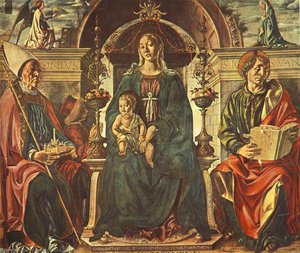
- Virgin and Child with Two Saints (Bologna)
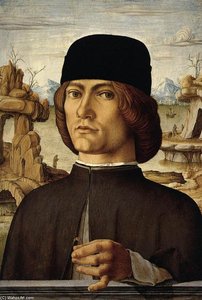
- Portrait of Alberto de' Catanei (Bologna)
- Fresco of Madonna del Baracano (Bologna), depicting the Virgin Mary and Child with portraits of Giovanni Bentivoglio and Maria Vinziguerra.
- Stained glass window at San Giovanni in Monte, Bologna (signed).
Development and Influences
Del Cossa’s style reflects a blend of influences characteristic of the Ferrarese Renaissance. While rooted in earlier Gothic traditions, his work demonstrates an increasing engagement with classical forms and humanist ideals. His attention to detail, particularly in depicting fabrics and textures, reveals a keen observational skill. The influence of early Netherlandish painting can also be detected in his meticulous rendering of details. His brief but impactful period in Bologna under the patronage of the Bentivoglio family further refined his style, leading to some of his most celebrated portraits.
Historical Significance
Francesco del Cossa’s legacy rests on his contributions to Ferrarese Renaissance art and his unique artistic vision. Though his career was relatively short, he left behind a body of work that showcases the dynamism and innovation of the period. His frescoes at Palazzo Schifanoia are invaluable documents of 15th-century courtly life and artistic patronage. His depictions of classical themes, such as the Three Graces, demonstrate an early engagement with humanist ideals. Del Cossa’s recent recognition in Ali Smith's novel "How to Be Both" and his connection to a Google Earth treasure hunt have further brought attention to this often-overlooked Renaissance master.
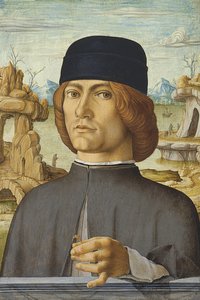
Francesco del Cossa
1436 - 1477 , Italy
Quick Facts
- Artistic Movement Or Style: Italian Renaissance
- Artists Or Movements Influenced By This Artist: ['Leonardo Scaletti']
- Date Of Birth: 1436
- Date Of Death: 1477
- Full Name: Francesco del Cossa
- Nationality: Italian
- Notable Artworks:
- Allegory of May
- Allegory of April
- Portrait of a Man
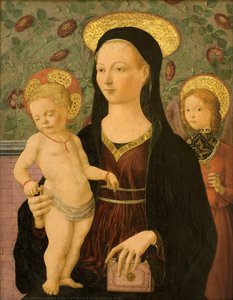
- Madonna with the Child
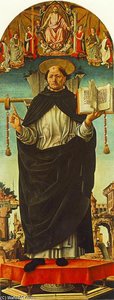
- St. Vincent Ferrer
- Place Of Birth (City And Country): Ferrara, Italy
Related Articles
Daniel Ridgway Knight: A Study in Victorian Genre Painting & Rural Idealism
Explore the captivating world of Daniel Ridgway Knight, a master of Victorian genre painting. Discover his serene rural scenes, realistic technique & lasting influence on American Impressionism. Learn about his life, art, and collectibility.
Dame Laura Knight: Reclaiming the Female Gaze in Modern British Art
Explore the life & work of Dame Laura Knight, a pioneering British artist who challenged conventions with her vibrant depictions of theatre, ballet, and wartime scenes. Discover her feminist legacy & artistic innovations.

Hokusai's Masterpieces: 25 Iconic Prints & Paintings for Art Lovers | ArtsDot
Journey through Katsushika Hokusai’s 25 most iconic artworks, including *The Great Wave*. Explore the ukiyo-e master's history, style & timeless Japanese woodblock prints. Find museum-quality reproductions for your home at ArtsDot.com.

Hablot Knight Browne: Phiz & the Victorian Social Canvas – A Critical Legacy
Explore the life & art of Hablot Knight Browne ('Phiz'), Dickens's iconic illustrator. Discover his masterful social commentary, technical innovations, and enduring legacy in Victorian illustration. A critical examination for history lovers.
ArtsDot.com F.A.Q.: Elevating Your Art Investment – Framing & Mounting for Discerning Collectors
Elevate your art investment with ArtsDot.com's expert framing & mounting guide. Discover museum-quality options, custom solutions, and preservation techniques for discerning collectors. Protect & showcase your masterpieces.