 Preview
 Send
Send Share
Share
 Details

 Download
 Similars
 X-Ray
X-Ray Diaporama
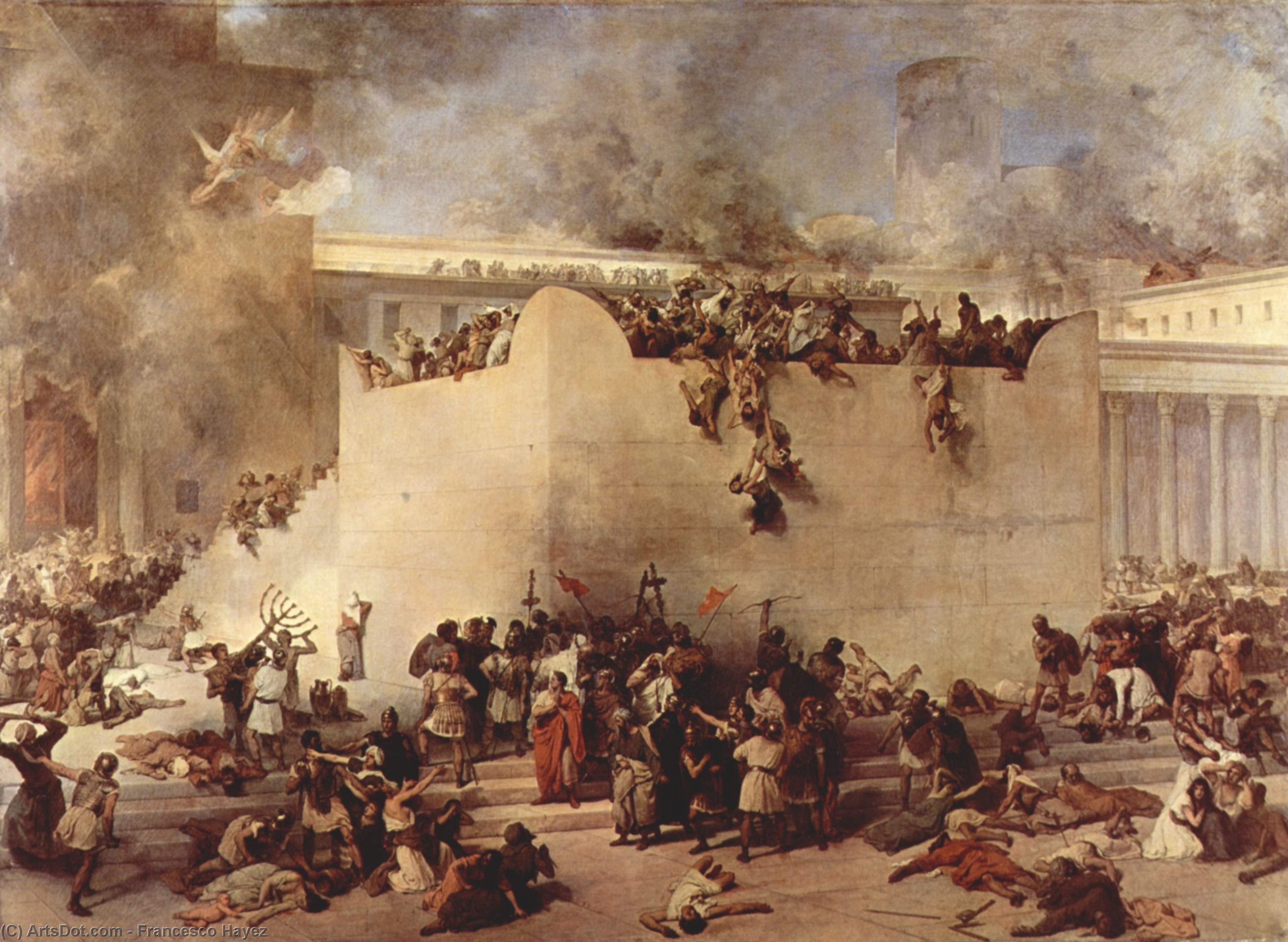
Destruction of Temple of Jerusalem


 Read More
Hand Made Oil Reproduction
Hand-painted oil on canvas in your size and frame, made to order by our artists. ( Buy Print Buy Image)




P118B $10

P118H $10

P118W $10

P438Z $10

P508JH $12

P508YH $12

P805H $10

P805Z $10

P919BZ $10

P919G $10

P919XJ $10

P959ZH $10

P968JZ $12

W106C $8

W218G $10

W218JH $8

W218Y $10

W307PJ $10

W316G $10

W316PJ $8

W316Y $10

W398PJ $8

W4111J $10

W500HY $15

W500JH $15

W692G $12

W849H $8

W940BG $15

W953PJ $8




Pick from our preset sizes that match the artwork's original proportions.

You may enter your own dimensions to fit a specific frame or space. If your selected size does not match the original image's proportions, we will either crop the artwork or extend the painting with additional hand-painted elements. A digital mockup will be sent for your approval before production begins.
Please note that the on-screen preview does not reflect the actual cropping or extension. Only the mockup will accurately show the final composition.
While custom sizes are available, we recommend selecting a dimension from the predefined list to preserve the original proportions.
After order, ArtsDot.com team will email client for instructions and provide a mockup preview
Worldwide Delivery () in 3/4 weeks instead of standard 5 weeks. (24 August). No compromise on quality.

Free Worldwide Express Shipping

High-Quality Linen Canvas

Full Shipping Insurance

Customs Tax Refund Guarantee

True Color Matching Guarantee

60-Day Return Policy (Defects Only)

100% Money-Back Guarantee

Bulk Discount Offer
 Glass option is only available in size under 110 CM

Destruction of Temple of Jerusalem
Reproduction Medium
Reproduction Size
-


Total Price
$ 263
Artwork Description
A Vision of Chaos and Grandeur
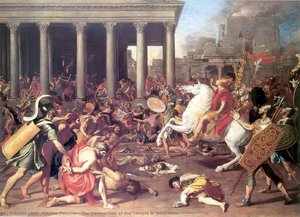
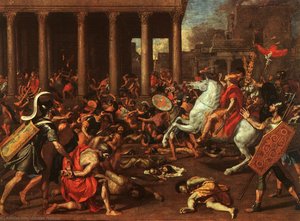
In the sweeping, dramatic canvas of Destruction of Temple of Jerusalem, Francesco Hayez invites the viewer into one of history's most harrowing moments. Painted in 1867, this masterpiece captures the catastrophic Roman siege of 70 AD, where the once-sacred heart of Jerusalem was brought to ruin. The scene is far from a static historical record; it is a living, breathing whirlwind of motion and emotion. As the eye wanders across the composition, one encounters a vast, surging crowd—a sea of humanity caught in the throog of upheaval. Figures are scattered throughout the landscape, some perched precariously atop crumbling structures, while others navigate the debris below. The sheer scale of the event is rendered with such precision that the viewer can almost feel the heat of the flames and the weight of the falling stone, making it an unforgettable centerpiece for any collection dedicated to historical epicism.
The artistry of Hayez lies in his masterful ability to bridge the gap between Neoclassicism and Romanticism. While the architectural details and the anatomical accuracy of the figures reflect a disciplined, classical training, the soul of the painting is purely Romantic. He employs a sophisticated palette of warm, glowing tones that serve a dual purpose: they illuminate the architectural grandeur of the temple while simultaneously heightening the sense of tension and impending doom. The interplay of light and shadow—a technique known as chiaroscuro—adds a profound depth to the scene, carving out the musculature of the figures and the jagged edges of the ruins. This dramatic lighting ensures that every facial expression, from the raw despair of the displaced to the fierce anger of the conquerors, resonates with visceral power.
For the discerning collector or interior designer, this painting offers more than mere decoration; it provides a profound emotional anchor for a room. The composition is designed to lead the eye on a journey through history, using movement and architectural depth to create an immersive experience. The attention to detail in the period-accurate costumes and the intricate textures of the stonework speaks to Hayez's commitment to historical truth, making this work a scholarly treasure as much as an aesthetic one. Whether placed in a grand library or a sophisticated gallery setting, a high-quality oil reproduction of this work brings with it a sense of timelessness and intellectual gravity. It is a piece that demands conversation, inviting onlookers to contemplate the cyclical nature of power, the fragility of civilization, and the enduring human spirit amidst the ruins of time.
Related Artworks
Artist Biography
early life and training
francesco hayez, a renowned italian painter, was born on february 10, 1791, in venice, italy. his father, giovanni, was of french origin, while his mother, chiara torcella, hailed from murano. the young francesco showed a predisposition for drawing and was apprenticed to an art restorer by his uncle.artistic career
hayez's artistic journey began in 1806 when he enrolled in the new academy of fine arts in milan, where he studied under teodoro matteini. in 1809, he won a competition that granted him a year's study at the accademia di san luca in rome. this exposure to various artistic influences shaped his style, which would later become a hallmark of italian romanticism.notable works and style
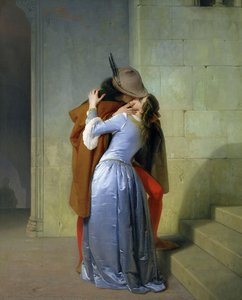
hayez's oeuvre is characterized by grand historical paintings, political allegories, and exceptionally fine portraits. some of his notable works include:- the kiss, considered one of his best works by contemporaries, which has gained esteem over time.
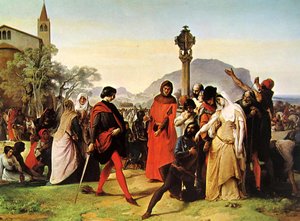
- pope urban ii preaching the first crusade in the square of clermont, a significant piece showcasing his historical narrative style.
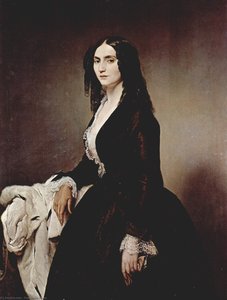
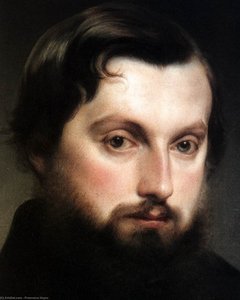
- portrait, matilde juva-branca, exemplifying his skill in capturing the essence of his subjects.
museums and collections
hayez's works are featured in various museums, including the civica galleria d'arte moderna in milan, which houses an impressive collection of modern and contemporary art.- pope urban ii preaching the first crusade in the square of clermont (235 x 157 cm, fondazione cariplo, milan)
- francesco hayez's profile on ArtsDot
- wikipedia: francesco hayez
legacy and impact
hayez's influence on italian romanticism is undeniable. his work has been a subject of study for art historians and enthusiasts alike, with his pieces continuing to inspire new generations of artists. key dates: - february 10, 1791: born in venice, italy - 1806: enrolled in the new academy of fine arts, milan - december 21, 1882: passed away, leaving behind a legacy in italian art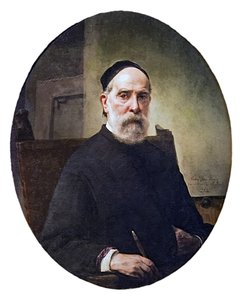
Francesco Hayez
1791 - 1882 , Italy
Quick Facts
- Artistic Movement Or Style: Romanticism
- Artists Or Movements Influenced By This Artist: ['Neoclassicism']
- Artists Who Influenced This Artist: ['Teodoro Matteini']
- Date Of Birth: February 10, 1791
- Date Of Death: February 12, 1882
- Full Name: Francesco Hayez
- Nationality: Italian
- Notable Artworks:
- The Kiss
- Pope Urban II preaching the first crusade
- Portrait, Matilde Juva-branca
- Place Of Birth: Venice, Italy
Related Articles
Bartolomeo Pinelli: Neoclassical Linearity & Roman Topography of Memory
Explore the captivating world of Bartolomeo Pinelli, a master Italian engraver renowned for his evocative Roman scenes & historical narratives. Discover his art and legacy with ArtsDot.
Cecco del Caravaggio: Rediscovering the Shadowy Genius of Francesco Buoneri
Explore the captivating world of Cecco del Caravaggio (Francesco Buoneri), a pivotal Baroque artist. Discover his dramatic realism, mysterious life, and lasting legacy with ArtsDot's expert analysis.
Francesco Guardi: Venetian Light, Atmospheric Perspective & the Rococo to Neoclassical Transition
Explore the captivating world of Francesco Guardi, master of Venetian light and atmosphere. Discover his transition from Rococo to Neoclassicism, influence on Impressionism & investment potential with ArtsDot.
Sebastiano del Piombo: Bridging Venetian Colorism & Roman Grand Manner Portraiture
Explore the captivating art of Sebastiano del Piombo, a Renaissance master bridging Venetian colorism & Roman grandeur. Discover his iconic portraits and lasting influence on art history. Learn more at ArtsDot.
Pietro da Cortona: Baroque Grandeur & the Synthesis of Roman Painting
Explore the life & masterpieces of Pietro da Cortona, a defining figure of the Italian Baroque. Discover his stunning frescoes at Palazzo Barberini and lasting influence on Roman art history. Learn more with ArtsDot.