 Preview
 Send
Send Share
Share
 Details

 Download
 Similars
 X-Ray
X-Ray Diaporama
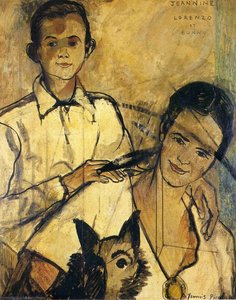
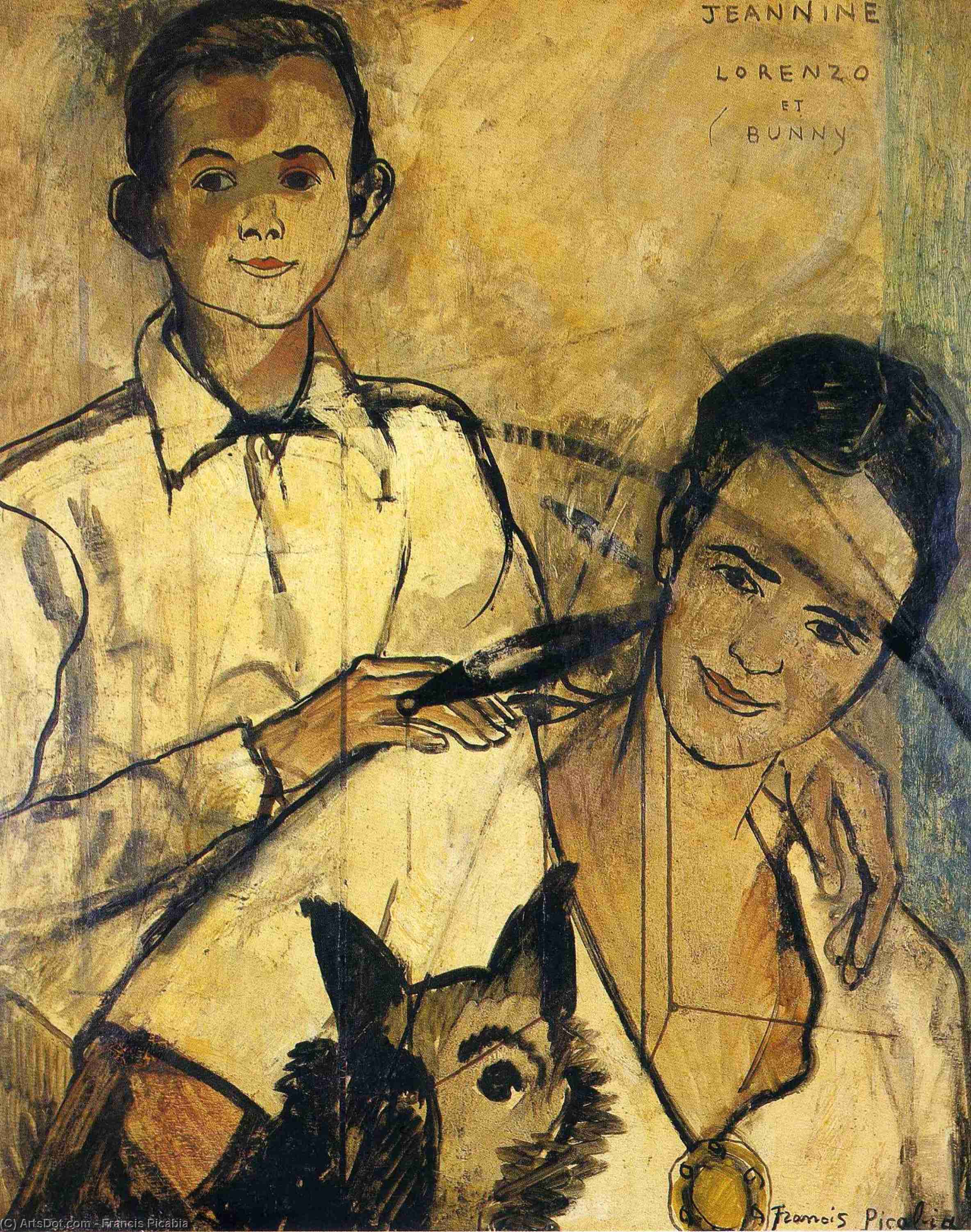
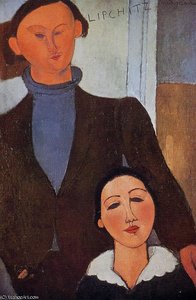
Jeannine, Lorenzo et Bunny


 Read More
Hand Made Oil Reproduction
Hand-painted oil on canvas in your size and frame, made to order by our artists. ( Buy Print Buy Image)




P118B $10

P118H $10

P118W $10

P438Z $10

P508JH $12

P508YH $12

P805H $10

P805Z $10

P919BZ $10

P919G $10

P919XJ $10

P959ZH $10

P968JZ $12

W106C $8

W218G $10

W218JH $8

W218Y $10

W307PJ $10

W316G $10

W316PJ $8

W316Y $10

W398PJ $8

W4111J $10

W500HY $15

W500JH $15

W692G $12

W849H $8

W940BG $15

W953PJ $8




Pick from our preset sizes that match the artwork's original proportions.

You may enter your own dimensions to fit a specific frame or space. If your selected size does not match the original image's proportions, we will either crop the artwork or extend the painting with additional hand-painted elements. A digital mockup will be sent for your approval before production begins.
Please note that the on-screen preview does not reflect the actual cropping or extension. Only the mockup will accurately show the final composition.
While custom sizes are available, we recommend selecting a dimension from the predefined list to preserve the original proportions.
After order, ArtsDot.com team will email client for instructions and provide a mockup preview
Worldwide Delivery () in 3/4 weeks instead of standard 5 weeks. (17 August). No compromise on quality.

Free Worldwide Express Shipping

High-Quality Linen Canvas

Full Shipping Insurance

Customs Tax Refund Guarantee

True Color Matching Guarantee

60-Day Return Policy (Defects Only)

100% Money-Back Guarantee

Bulk Discount Offer
 Glass option is only available in size under 110 CM

Jeannine, Lorenzo et Bunny
Reproduction Medium
Reproduction Size
-


Total Price
$ 263
Artwork Description
A Tender Moment Captured in Time
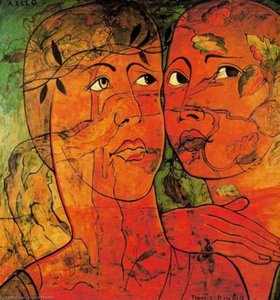
In the intimate portrait Jeannine, Lorenzo et Bunny, we are invited into a private sanctuary of familial affection. The painting captures a quiet, profound moment between a mother and her son, rendered with a sensitivity that transcends mere likeness. As the woman gazes forward, her long, flowing hair framing a face marked by maternal grace, she holds the hand of young Lorenzo, anchoring him to her side. This physical connection serves as the emotional heartbeat of the composition, suggesting a bond that is both protective and deeply nurturing. The presence of Bunny, the partially obscured dog resting at their feet, adds a layer of domestic warmth, completing this tableau of a life lived in quiet, shared companionship.
The brushwork and technique employed here evoke a sense of timelessness, blending the soft textures of skin and fabric with a light that seems to emanate from within the subjects themselves. There is a rhythmic quality to the way the figures are positioned, creating a visual flow that guides the viewer's eye from the mother’s elegant necklace down to the small, curious hand of the child. For the collector or interior designer, this piece offers more than just aesthetic beauty; it provides a focal point of serenity and stability, making it an ideal centerpiece for spaces designed for reflection, comfort, and warmth.
The Legacy of an Avant-Garde Visionary
To understand the depth of this work, one must consider the restless spirit of its creator, Francis Picabia. While history often remembers Picabia as a provocateur of the Dada and Surrealist movements—a man who delighted in challenging the very definition of art through machine aesthetics and abstraction—this particular piece reveals a different facet of his genius. It showcases his ability to pivot from the radical and the disruptive to the deeply human and the classical. This duality is what makes his oeuvre so captivating; he possessed the technical mastery to capture the delicate nuances of a portrait just as easily as he could dismantle the conventions of form.
In Jeannine, Lorenzo et Bunny, we see the artist stripped of his avant-garde armor, revealing a soul capable of profound empathy. The painting serves as a beautiful counterpoint to his more experimental works, offering a moment of stillness in a career defined by motion and change. For those seeking to adorn their homes with art that tells a story of complexity, this reproduction offers a window into the multifaceted heart of one of the 20th century's most influential figures. It is an invitation to appreciate the beauty found in the simplest of human connections, preserved forever through the lens of a master.
Related Artworks

Artist Biography
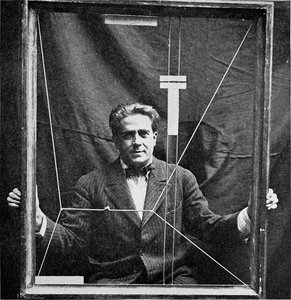
A Life Forged in Avant-Garde Fire: The World of Francis Picabia
Francis Picabia, a name synonymous with the restless spirit of early 20th-century art, was more than just a painter; he was a provocateur, a poet, a typographer, and a relentless explorer of artistic boundaries. Born in Paris in 1879 to a French mother and a Cuban father steeped in diplomatic circles, Picabia’s life was marked by both privilege and a profound dissatisfaction with convention. This duality fueled his artistic journey, propelling him through Cubism, Dada, Surrealism, and beyond, leaving an indelible mark on the landscape of modern art. His early years were shadowed by tragedy – the loss of his mother to tuberculosis when he was just five – but also nurtured by a father who encouraged his burgeoning talent. Inheriting a substantial fortune allowed Picabia the freedom to dedicate himself entirely to artistic pursuits, a luxury that enabled him to relentlessly experiment and challenge established norms. He wasn’t merely interested in *what* art looked like; he questioned its very purpose and meaning.
From Impressionistic Beginnings to Cubist Revolution
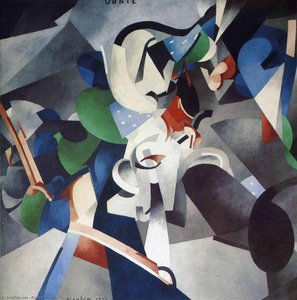
Picabia's initial forays into the art world were rooted in the prevailing styles of the time, particularly Impressionism. He painted Parisian landscapes and riverbanks with a technical proficiency that nonetheless left him feeling unfulfilled. Critics found his work derivative, lacking originality, prompting a crucial turning point. This dissatisfaction spurred him to seek new avenues of expression, leading him towards the revolutionary ideas brewing within the Cubist movement around 1909. Joining the Puteaux Group – a collective including Marcel Duchamp and Guillaume Apollinaire – proved pivotal. He immersed himself in the deconstruction of form, the fragmentation of perspective, and the exploration of geometric abstraction. This period saw a significant shift in his aesthetic, moving away from representational accuracy towards a more conceptual approach to painting. His canvases began to pulse with a new energy, reflecting the intellectual ferment of the era. The influence of Duchamp was particularly strong, fostering a shared spirit of iconoclasm and a willingness to dismantle artistic traditions.
Dada’s Provocateur: Machines, Satire, and the Rejection of Reason
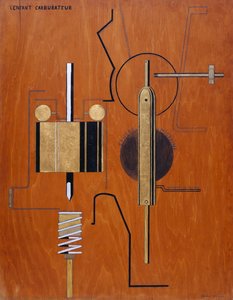
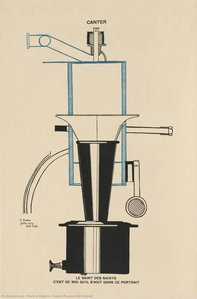
The outbreak of World War I served as a catalyst for Picabia's most radical phase – his embrace of Dadaism. Disgusted by the senseless violence and societal hypocrisy he witnessed, he rejected reason, logic, and traditional artistic values altogether. A move to New York in 1915 placed him at the heart of an emerging American Dada scene alongside Duchamp and Man Ray. It was here that Picabia truly honed his unique brand of Dadaist expression. He began creating a series of “machine drawings,” depicting fantastical mechanical contraptions – often imbued with sexual undertones – that served as biting critiques of modern society’s obsession with technology and industrialization. These works weren't simply depictions of machines; they were allegories for the dehumanizing forces at play in the world around him. His satirical wit, combined with a masterful command of line and form, made these drawings particularly potent. He published *The Little Review*, a Dadaist journal that further disseminated his provocative ideas and challenged conventional artistic norms. Universal Prostitution, a complex drawing created during this period, exemplifies his willingness to confront taboo subjects and dismantle societal expectations.
A Shifting Kaleidoscope: Surrealism and Beyond
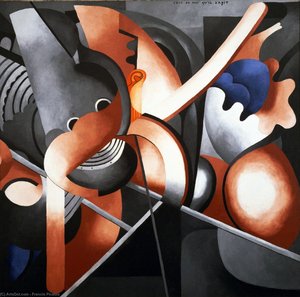
Picabia’s artistic journey was characterized by constant evolution and a refusal to be pigeonholed. While deeply involved with Dada, he briefly flirted with Surrealism in the 1920s, exploring the realm of dreams and the subconscious. However, even this association proved temporary. He quickly grew disillusioned with what he perceived as the rigid dogma of the Surrealist movement, preferring to maintain his independence and continue charting his own course. Throughout the latter part of his career, Picabia continued to experiment with various styles and techniques, incorporating elements of figuration, abstraction, and even transparency into his work. His later paintings often featured biomorphic forms and a vibrant palette, reflecting a renewed interest in organic shapes and sensual textures. He remained a restless innovator until his death in 1953, leaving behind a body of work that continues to challenge and inspire artists today.
Legacy: A Pioneer of Modern Artistic Freedom
Francis Picabia’s influence on modern art is undeniable. His relentless experimentation, his rejection of convention, and his willingness to embrace contradiction paved the way for generations of artists who followed. He was a true pioneer of artistic freedom, demonstrating that art could be anything – a political statement, a philosophical inquiry, a personal expression, or simply a playful exploration of form and color. His work anticipated many of the key developments in 20th-century art, from Pop Art to Conceptualism. He challenged the very definition of what constituted “art,” forcing viewers to question their own assumptions and preconceptions. Today, Picabia’s paintings are celebrated for their intellectual rigor, their visual dynamism, and their enduring relevance. His legacy lies not only in his individual masterpieces but also in his unwavering commitment to artistic innovation and his refusal to be bound by the limitations of tradition.
Francis Picabia
1879 - 1953 , France
Quick Facts
- Artistic Movement Or Style: Cubism, Dada, Surrealism
- Artists Or Movements Influenced By This Artist:
- Dada
- Surrealism
- Artists Who Influenced This Artist:
- Alfred Sisley
- Marcel Duchamp
- Date Of Birth: January 22, 1879
- Date Of Death: November 30, 1953
- Full Name: Francis Picabia
- Nationality: French
- Place Of Birth: Paris, France
Related Articles
Francis Bacon's Masterpieces: Exploring 25 Iconic Paintings | ArtsDot
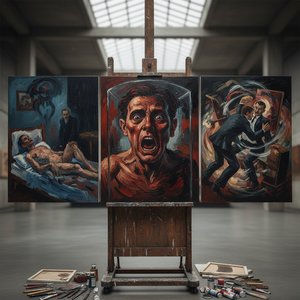
Delve into the haunting world of Francis Bacon with ArtsDot. Explore 25 iconic paintings, from his visceral portraits to powerful triptychs. Discover the stories behind these masterpieces & find museum-quality art reproductions for your home. Explore the full collection online!

Francis Picabia: Dada's Provocateur – Reassessing Mechanical Forms & Mystical Undercurrents
Explore the revolutionary art of Francis Picabia – Dada's enigmatic provocateur. Discover his mechanical forms, hidden symbolism & lasting influence on modern art. Expert analysis for collectors.
The Enduring Legacy of Family Portraiture: A Historical & Artistic Exploration
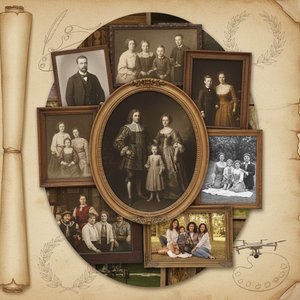
Explore the rich history of family portraiture with ArtsDot. Discover artistic styles, symbolism & collecting insights. Commission a custom oil painting or appraise your existing artwork today!
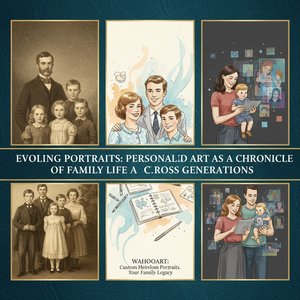
Evolving Portraits: Personalized Art as a Chronicle of Family Life Across Generations
Create a timeless family legacy with custom portraits! ArtsDot connects you with skilled artists for heirloom-quality paintings & prints. Explore styles, commission your unique artwork today.
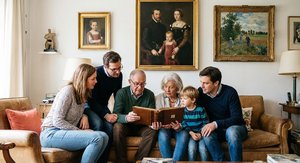
Depicting Kinship: Family Values Across Artistic Movements & Historical Contexts
Explore the rich history of depicting kinship in art! From Dutch Masters to contemporary artists, discover how family values have been represented across movements & time. Expert insights for collectors at ArtsDot.