 Preview
 Send
Send Share
Share
 Details

 Download
 Similars
 X-Ray
X-Ray Diaporama
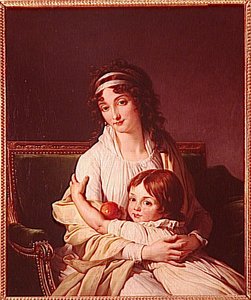
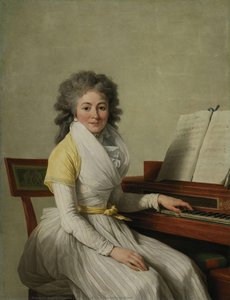
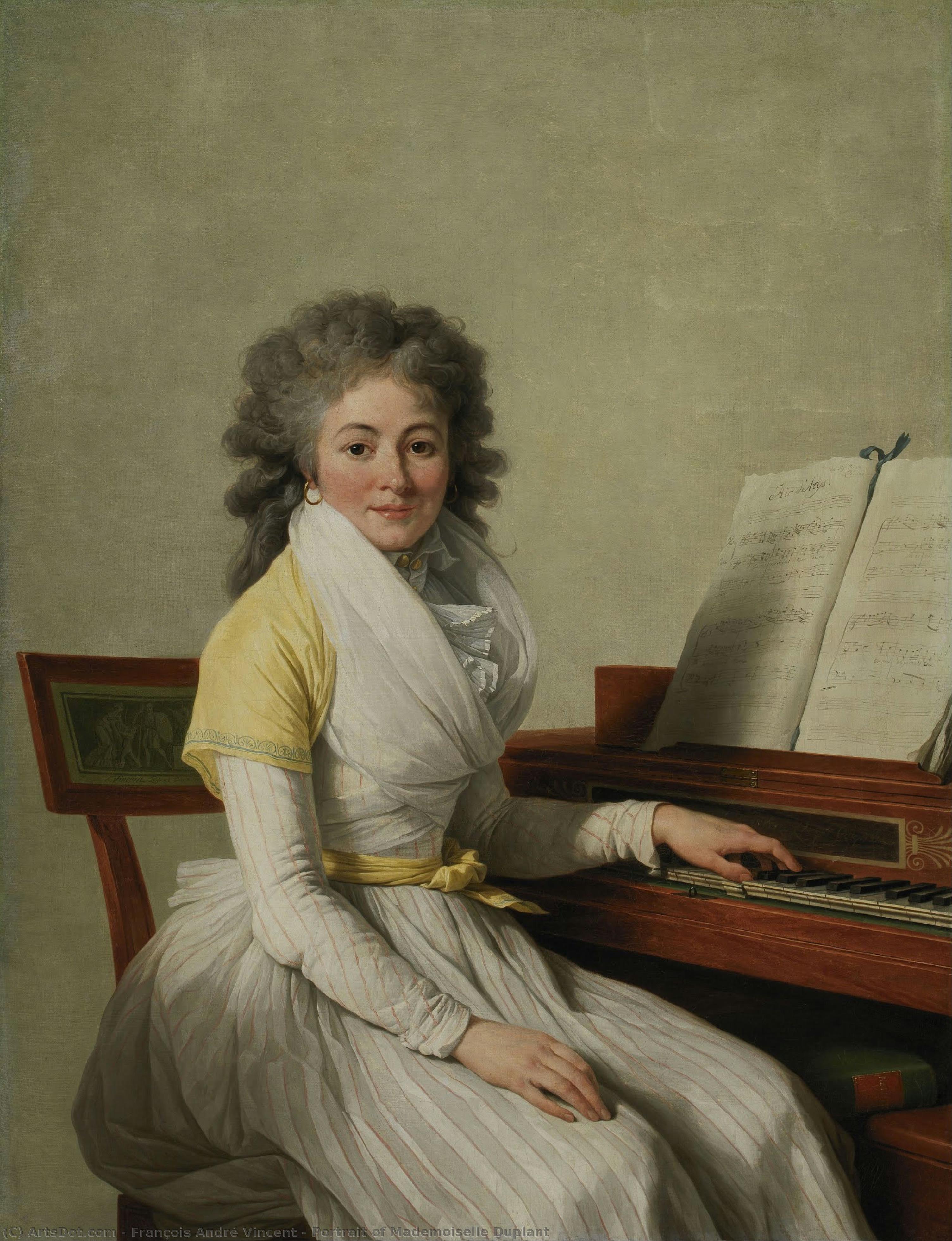
Portrait of Mademoiselle Duplant
 Oil On Canvas
- WallArt
- Neoclassical Movement
 1793
1793- Early Modern
 115.0 x 87.0 cm
 Calouste Gulbenkian Foundation
 Read More
Giclée / Art Print
Museum-quality giclée or canvas print with fast production and flexible finish options. ( Buy Hand Made Painting Buy Image)




P118B $10

P118H $10

P118W $10

P438Z $10

P508JH $12

P508YH $12

P805H $10

P805Z $10

P919BZ $10

P919G $10

P919XJ $10

P959ZH $10

P968JZ $12

W106C $8

W218G $10

W218JH $8

W218Y $10

W307PJ $10

W316G $10

W316PJ $8

W316Y $10

W398PJ $8

W4111J $10

W500HY $15

W500JH $15

W692G $12

W849H $8

W940BG $15

W953PJ $8




Pick from our preset sizes that match the artwork's original proportions.

You may enter your own dimensions to fit a specific frame or space. If your selected size does not match the original image's proportions, we will either crop the artwork or extend the image with a mirrored or solid-fill edge. A digital mockup will be sent for your approval before production begins.
Please note that the on-screen preview does not reflect the actual cropping or extension. Only the mockup will accurately show the final composition.
While custom sizes are available, we recommend selecting a dimension from the predefined list to preserve the original proportions.
Worldwide Delivery () in 2 weeks instead of standard 4/5 weeks. (2 September)

Free Worldwide Express Shipping

High-Quality Linen Canvas

Full Shipping Insurance

Customs Tax Refund Guarantee

True Color Matching Guarantee

60-Day Return Policy (Defects Only)

100% Money-Back Guarantee

Bulk Discount Offer
 Glass option is only available in size under 110 CM

Portrait of Mademoiselle Duplant
Giclée / Art Print
Reproduction Size
-


Total Price
$ 63
A Vision of Parisian Artistry: Portrait of Mademoiselle Duplant
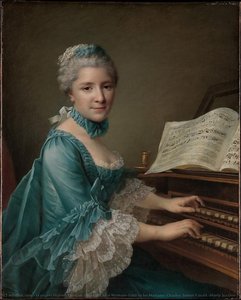
To gaze upon this portrait is to step directly into the glittering salons and vibrant cultural heart of late eighteenth-century Paris. François-André Vincent’s depiction of Rosalie Duplant, a celebrated opera singer, transcends mere likeness; it captures an ephemeral moment of artistic grace. The scene unfolds with exquisite intimacy: Mademoiselle Duplant seated before a pianoforte, poised as if the very music is rising from her fingertips. Her presence fills the canvas with a palpable aura of cultivated talent and refined elegance. Vincent masterfully renders not just the woman, but the entire atmosphere surrounding her—the quiet concentration before performance, the deep connection between artist and instrument.
Neoclassicism Meets Operatic Splendor
Dating from 1793, this work stands as a beautiful testament to the transitionary period in French art. While Vincent’s training roots him firmly within the burgeoning Neoclassical movement—a style that prized clarity, idealized form, and classical structure—the subject matter itself is steeped in the drama of opera. The open score resting on the music stand serves as a poignant historical anchor, specifically evoking Niccolò Piccinni's Atys. This detail suggests an intellectual depth to the portrait; it is not simply a glamorous snapshot but a commemoration of professional artistry. The white dress and the controlled arrangement of her long hair in a neat bun speak to the era’s ideals of polished femininity, yet her engagement with the music hints at a passionate spirit beneath the surface composure.
Mastery of Technique and Atmosphere
Executed in oil on canvas, Vincent’s technique is characterized by its meticulous detail and luminous handling of light. Observe how the artist has captured the sheen of the white fabric against the darker tones of the background, giving the entire composition a breath-like quality. The interplay between the soft glow illuminating Duplant’s face and the rich texture suggested in the piano wood speaks to an advanced understanding of chiaroscuro. For those considering a reproduction for your home or gallery, this technical brilliance is what makes the piece so enduring; it translates beautifully into high-quality prints that retain the depth and luminosity of the original masterwork.
Symbolism of Performance and Legacy
The inclusion of the music book and the instrument itself elevates the portrait beyond a simple genre scene. It becomes an allegory for artistic dedication—the tireless work, the study, and the performance required to achieve stardom. Rosalie Duplant’s career, which preceded this painting by several years, lends a layer of nostalgic beauty; we are viewing her not at the height of her debut, but perhaps in reflection upon a celebrated life. This subtle suggestion of memory imbues the piece with a profound emotional resonance, inviting the viewer to contemplate the passage of time and the enduring power of art.
A Touch of Parisian Grandeur for Your Collection
Owning a reproduction of this portrait is acquiring more than just decoration; it is curating a piece of cultural history. It allows one to infuse a space—be it a formal drawing-room or a sophisticated study—with the refined grandeur and intellectual spirit of revolutionary late Ancien Régime Paris. The combination of Neoclassical structure with the vibrant narrative of operatic life makes this artwork an unparalleled focal point, promising conversation, beauty, and a deep appreciation for the artistry that once defined a golden age.
Related Artworks


Artist Biography
The Neoclassical Vision of François-André Vincent
In the vibrant and turbulent landscape of late eighteenth-century France, few artists captured the transition from aristocratic elegance to revolutionary solemnity as masterfully as François-André Vincent. Born in Paris in 1746 into a lineage of artistic distinction—his father, François-Elie Vincent, was a renowned miniaturist—Vincent was destined for a life defined by the brush and the canvas. His early training under the esteemed Joseph-Marie Vien provided him with a rigorous foundation in the academic tradition, yet it was his innate ability to bridge the gap between the refined grace of the Rococo and the burgeoning discipline of Neoclassicism that would eventually secure his place in art history.
Vincent’s artistic soul was profoundly shaped by his transformative journey to Rome. Upon winning the prestigious Prix de Rome with his commanding work, Germanicus Calms Sedition, he gained unprecedented access to the timeless treasures of classical antiquity. Living and working within the historic Palazzo Mancini, Vincent immersed himself in the study of Raphael and the sculptural precision of ancient masters. This period was not merely an academic exercise but a spiritual awakening; it allowed him to infuse his compositions with a sense of monumental dignity and a harmonious balance that became his hallmark. While he drew deep inspiration from the classical past, he remained acutely aware of the living world around him, often blending historical grandeur with the subtle nuances of contemporary life.
A Master of Portraiture and Historical Narrative
The breadth of Vincent’s oeuvre is a testament to his versatility as a storyteller. He was equally adept at capturing the intimate psychological depth of an individual as he was at depicting the sweeping chaos of historical conflict. In his portraiture, one finds a remarkable ability to convey character through smooth brushstrokes and delicate tonal gradations. His portraits of contemporaries, including the legendary Jean-Honoré Fragonard, reflect a certain dynamism and elegance that suggest a deep connection to the stylistic fluidity of his era. These works serve as windows into the social fabric of pre-revolutionary France, capturing the poise and presence of the era's most notable figures.
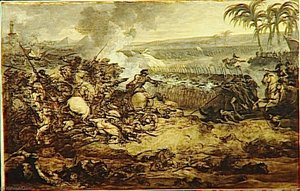
However, it was in the realm of history painting where Vincent truly asserted his command over the Neoclassical idiom. His ability to translate complex historical narratives into visually arresting scenes allowed him to participate in the grandest dialogues of his time. A striking example is found in La Bataille des Pyramides, an impressive oil on canvas that commemorates Napoleon's decisive victory in 1798. In this work, Vincent moves away from static composition, instead utilizing loose brushstrokes and earthy tones to evoke the dust, movement, and atmospheric tension of a battlefield set against the backdrop of ancient Egyptian monuments. This capacity to blend the epic scale of history with an almost visceral sense of atmosphere distinguishes him from his more rigid contemporaries.
Legacy and Historical Significance
Throughout his career, Vincent occupied a unique position within the French art hierarchy. Often viewed as a sophisticated rival to Jacques-Louis David, he offered a stylistic alternative that was perhaps less dogmatic and more attuned to the subtle interplay of light and life. While David pushed toward a starker, more austere Neoclassicism, Vincent maintained a connection to the grace and fluidity inherited from his predecessors, creating a bridge between the old world and the new. His contributions to the institutionalization of art were equally significant, as he stood as a founding figure of the Académie des Beaux-Arts, helping to shape the pedagogical standards for generations of French painters.
The enduring legacy of François-André Vincent lies in his ability to harmonize contradictions: the ancient and the modern, the monumental and the intimate, the disciplined and the expressive. His work remains a vital touchstone for understanding the evolution of French art during one of its most transformative epochs. Through his meticulous technique and profound historical insight, Vincent did more than just record history; he breathed life into it, ensuring that the spirit of the Neoclassical era would continue to resonate long after the revolution had passed.
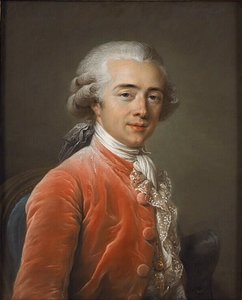
françois andré vincent
1746 - 1816 , France
Quick Facts
- Artistic Movement Or Style: Neoclassical
- Artists Or Movements Influenced By This Artist: ['Jacques-Louis David']
- Artists Who Influenced This Artist:
- Joseph-Marie Vien
- Jean-Honoré Fragonard
- Raphael
- Date Of Birth: December 30, 1746
- Date Of Death: August 4, 1816
- Full Name: François André Vincent
- Nationality: French
- Notable Artworks:
- Henri IV et Sully à Fontainebleau
- Portrait de Pierre Rousseau
- The Ploughing Lesson
- Place Of Birth: Paris, France
Related Articles

John Singer Sargent's 25 Masterpieces: Portraits & Beyond | ArtsDot
Explore 25 iconic John Singer Sargent paintings – from dazzling portraits to Impressionist landscapes. Discover the stories behind Madame X, El Jaleo & more! Find museum-quality art reproductions and elevate your home decor with ArtsDot.com.
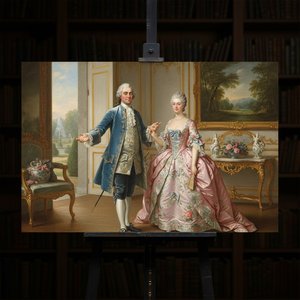
Charles-André van Loo: A Study in Rococo Portraiture & the French Court's Artistic Dynamics
Explore the elegant world of Charles-André van Loo, a master of Rococo portraiture at the French court. Discover his life, techniques, and enduring influence on 18th-century art. Hand-painted reproductions available.
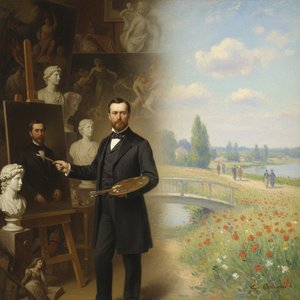
François Flameng: Bridging Academic Tradition & Impressionistic Sensibility
Explore the captivating works of François Flameng, a celebrated French painter bridging academic tradition & Impressionistic sensibilities. Discover his portraits, landscapes, and poignant WWI art with insights from ArtsDot.
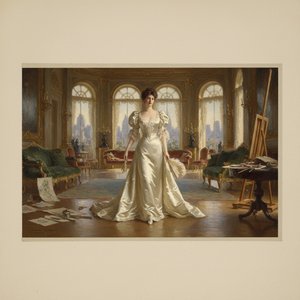
John Singer Sargent: Capturing the Gilded Age with Impressionistic Brilliance
Explore the life & art of John Singer Sargent, premier portraitist of the Gilded Age. Discover his Impressionistic masterpieces, technical brilliance, and enduring legacy. Expert insights for collectors.
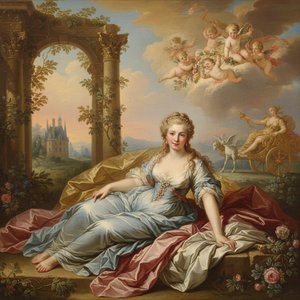
François Boucher: Rococo Master of Myth, Sensuality, and the French Court
Explore the captivating world of François Boucher, master of Rococo painting! Discover his iconic works, aristocratic patronage, and lasting influence on French art history. Learn more at ArtsDot.