 Preview
 Send
Send Share
Share
 Details

 Download
 Similars
 X-Ray
X-Ray Diaporama
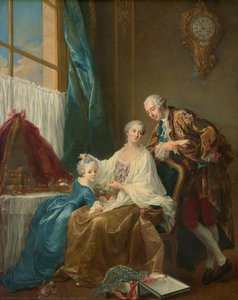
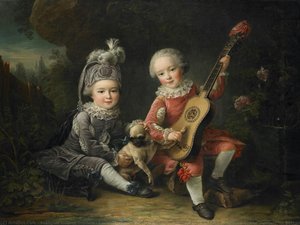
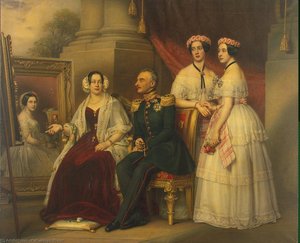
Family Portrait
 Acrylic On Canvas
- WallArt
- Rococo
 1756
1756 244.0 x 195.0 cm
 National Gallery of Art
 Read More
Hand Made Oil Reproduction
Hand-painted oil on canvas in your size and frame, made to order by our artists. ( Buy Print Buy Image)




P118B $10

P118H $10

P118W $10

P438Z $10

P508JH $12

P508YH $12

P805H $10

P805Z $10

P919BZ $10

P919G $10

P919XJ $10

P959ZH $10

P968JZ $12

W106C $8

W218G $10

W218JH $8

W218Y $10

W307PJ $10

W316G $10

W316PJ $8

W316Y $10

W398PJ $8

W4111J $10

W500HY $15

W500JH $15

W692G $12

W849H $8

W940BG $15

W953PJ $8




Pick from our preset sizes that match the artwork's original proportions.

You may enter your own dimensions to fit a specific frame or space. If your selected size does not match the original image's proportions, we will either crop the artwork or extend the painting with additional hand-painted elements. A digital mockup will be sent for your approval before production begins.
Please note that the on-screen preview does not reflect the actual cropping or extension. Only the mockup will accurately show the final composition.
While custom sizes are available, we recommend selecting a dimension from the predefined list to preserve the original proportions.
After order, ArtsDot.com team will email client for instructions and provide a mockup preview
Worldwide Delivery () in 3/4 weeks instead of standard 5 weeks. (16 August). No compromise on quality.

Free Worldwide Express Shipping

High-Quality Linen Canvas

Full Shipping Insurance

Customs Tax Refund Guarantee

True Color Matching Guarantee

60-Day Return Policy (Defects Only)

100% Money-Back Guarantee

Bulk Discount Offer
 Glass option is only available in size under 110 CM

Family Portrait
Reproduction Medium
Reproduction Size
-


Total Price
$ 263
Artwork Description
A Window into 18th Century Domesticity: François-Hubert Drouais’s “Family Portrait”
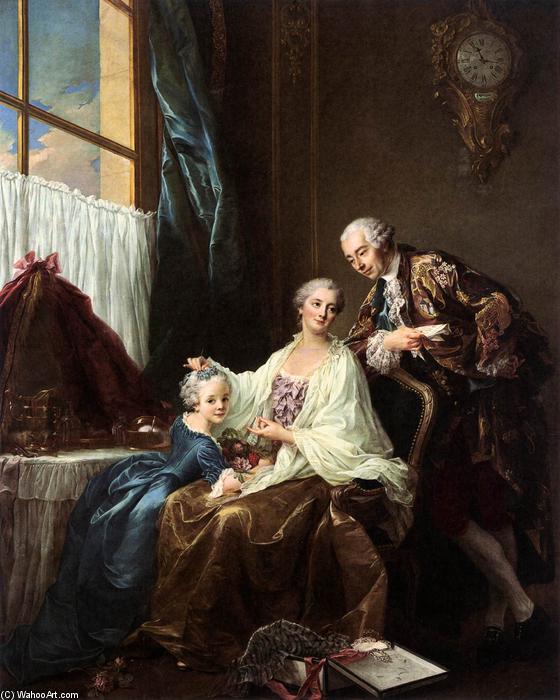
François-Hubert Drouais's "Family Portrait," painted in 1756, isn’t merely a depiction of a family; it’s a meticulously crafted tableau offering a rare glimpse into the refined domesticity of late 18th-century France. Executed with the delicate precision characteristic of the Rococo style, this painting transcends simple portraiture to become a study in social status, familial affection, and the subtle language of visual symbolism. The work, now housed within the National Gallery of Art’s collection, invites us to step back in time and observe a scene frozen in a moment of quiet intimacy – a world of powdered wigs, elegant gowns, and carefully orchestrated appearances.
Drouais, a prominent painter during his era, skillfully employed techniques honed through apprenticeships with masters like Boucher and Van Loo. His brushwork is remarkably smooth, creating an illusion of depth and texture that draws the viewer into the scene. The use of light – diffused and flattering – highlights the faces and clothing, emphasizing their beauty and status. Note particularly the subtle gradations in tone, achieved through layering thin glazes of paint, a hallmark of Drouais’s style. The composition itself is carefully balanced; the seated woman and child form a central focus, while the standing figure adds dynamism and a sense of movement to the otherwise static arrangement.
The Language of Gesture and Ornament
Beyond the technical mastery, “Family Portrait” reveals a wealth of information through its nuanced portrayal of gesture and detail. The seated woman’s hand gently resting on her child's head speaks volumes about maternal affection – a sentiment carefully conveyed without overt sentimentality. Observe how she turns slightly towards her child, creating a visual connection that anchors the scene. The man standing beside them offers a more formal pose, reflecting his role as patriarch and protector. The inclusion of the two other figures—a seated gentleman and a woman—further reinforces the family unit, subtly suggesting lineage and social connections.
The painting’s opulent setting is equally significant. The richly decorated walls, adorned with a clock and a book, speak to the family's wealth and education. The presence of two vases, filled with flowers, adds a touch of natural beauty and elegance – a common motif in Rococo art. These seemingly decorative elements are not merely embellishments; they contribute to the overall sense of refinement and prosperity that defines this particular household.
Symbolism and Social Context
“Family Portrait” is deeply rooted in the social conventions of its time. The arrangement of figures, the clothing styles, and even the objects within the scene all carry symbolic weight. The family’s attire—particularly the woman's gown—indicates her status and position within society. The presence of a clock suggests an awareness of time and the importance of maintaining appearances. Drouais was commissioned by members of the French aristocracy, and his paintings served as both personal mementos and symbols of social standing.
Further research reveals that this particular portrait was created during a period of significant artistic and political change in France. The reign of Louis XV was marked by lavish court life, intricate social rituals, and growing tensions between the monarchy and the aristocracy. Drouais’s work reflects these complexities, offering a glimpse into a world of privilege, formality, and carefully constructed identities. The provenance of the painting—from Wertheimer in London to Samuel Cunliffe-Lister at Swinton Park—indicates its journey through aristocratic collections over centuries.
A Timeless Appeal: Reproduction and Interior Design
Today, “Family Portrait” continues to resonate with viewers thanks to its timeless appeal. Its depiction of familial love, social grace, and the beauty of domestic life transcends historical boundaries. Reproductions offer a wonderful opportunity to bring this exquisite painting into your own home, adding a touch of elegance and sophistication to any space. Consider framing it in a classic style that complements its Rococo aesthetic – perhaps a simple gold frame or a more ornate baroque design.
The painting’s rich colors and intricate details make it an ideal choice for creating a warm and inviting atmosphere. Its subtle symbolism invites contemplation and adds depth to the visual experience. Whether you are an art enthusiast, a collector, or simply seeking inspiration for your interior design, “Family Portrait” by François-Hubert Drouais remains a captivating masterpiece of 18th-century French painting.
Related Artworks
Artist Biography
Thomas Gainsborough: A Painter of Light and Life
Thomas Gainsborough, born in Sudbury, Suffolk, on May 14th, 1727, was a pivotal figure in the development of British art during the late 18th century. His life’s work—a captivating blend of portraiture and landscape—established him as one of the most influential painters of his era, alongside Sir Joshua Reynolds. More than simply depicting subjects, Gainsborough sought to capture the essence of English life, imbued with a sense of naturalism and an appreciation for the fleeting beauty of the world around him. His career unfolded against a backdrop of social change and artistic rivalry, ultimately shaping the course of British painting.Early Years and Training
Gainsborough’s early years were marked by a practical apprenticeship rather than formal academic training. At thirteen, he was sent to London to learn engraving under Hubert Gravelot, a French artist who had trained with the renowned Jean-Antoine Watteau. This experience proved invaluable, exposing Gainsborough to the techniques of drawing and etching – skills that would later inform his distinctive brushwork. Following his apprenticeship, he briefly worked as a silversmith before dedicating himself fully to painting. His early portraits were largely commissioned by local gentry in Suffolk, establishing a reputation for capturing likenesses with a subtle realism. The influence of Gravelot’s work is evident in Gainsborough's initial style – a delicate, almost ethereal quality that foreshadowed his later development.The Rise to Prominence: Bath and London
Seeking greater opportunities and recognition, Gainsborough moved to Bath in 1759. This period marked a significant shift in his artistic focus. He began painting portraits of prominent figures – writers, actors, and members of the fashionable elite – capturing their personalities with remarkable insight. His style evolved during this time, becoming looser and more expressive, reflecting the Rococo influences prevalent in Bath’s vibrant social scene. The use of light and color became increasingly important, creating a sense of atmosphere and immediacy. Around 1768, he was elected a founding member of the Royal Academy, an event that solidified his position as a leading artist. Shortly after, he relocated to London, settling in Schomberg House on Pall Mall, where he established a studio and continued to attract wealthy patrons.A Master of Light and Landscape
Despite his success as a portrait painter, Gainsborough maintained a deep passion for landscape painting. He believed that true observation of nature was essential to understanding the human condition. His landscapes are characterized by a remarkable sensitivity to light and atmosphere – capturing the subtle shifts in color and tone with extraordinary skill. Unlike Reynolds, who often incorporated classical motifs into his landscapes, Gainsborough drew inspiration from Dutch and Flemish masters, particularly their ability to depict atmospheric effects. His most celebrated landscape works, such as *The Morning Walk* (1789), are imbued with a sense of tranquility and beauty, offering glimpses into the idyllic countryside of England. These paintings weren’t merely representations; they were meditations on nature's power and grace.Legacy and Historical Significance
Thomas Gainsborough died in London on August 2nd, 1788, leaving behind a remarkable body of work that continues to captivate audiences today. His influence on subsequent generations of British artists is undeniable. He helped to establish the tradition of landscape painting as a serious artistic pursuit and demonstrated the importance of capturing the nuances of everyday life. His portraits are admired for their psychological depth and his landscapes for their atmospheric beauty. Notably, Gainsborough’s work has recently come under scrutiny due to its connection to the slave trade; several of his commissioned portraits depict individuals who benefited from wealth derived from enslaved people. This revelation adds a complex layer to our understanding of his artistic legacy, prompting critical reflection on the ethical considerations within art history and challenging us to examine the historical context surrounding these works. Despite this complexity, Gainsborough remains a towering figure in British art—a painter who captured the spirit of his time with unparalleled skill and sensitivity.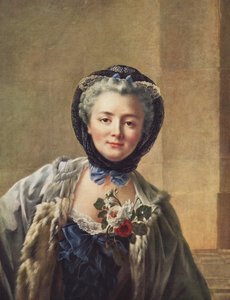
françois hubert drouais
1727 - 1775 , France
Quick Facts
- Artistic Movement Or Style: Picturesque, Landscape
- Artists Or Movements Influenced By This Artist: ['Dutch Landscape School']
- Artists Who Influenced This Artist:
- Hubert Gravelot
- Jean-Antoine Watteau
- Date Of Birth: May 14, 1727
- Date Of Death: August 2, 1788
- Full Name: Thomas Gainsborough
- Nationality: British
- Notable Artworks:
- Mr and Mrs Andrews
- The Blue Boy
- Morning Walk
- Place Of Birth: Sudbury, Suffolk, England
Related Articles

The Enduring Legacy of Family Portraiture: A Historical & Artistic Exploration
Explore the rich history of family portraiture with ArtsDot. Discover artistic styles, symbolism & collecting insights. Commission a custom oil painting or appraise your existing artwork today!
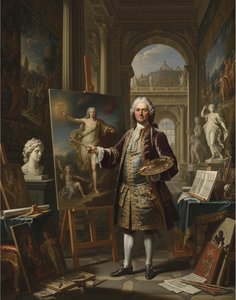
Charles Le Brun: Master of French Baroque Classicism & His Enduring Legacy
Explore the life & art of Charles Le Brun, master of French Baroque Classicism. Discover his royal commissions, influence on Versailles, and enduring legacy through detailed analysis & stunning artworks.

Neo-Classicism's Greatest Hits: 10 Masterpieces for Your Home |
Journey through Neo-Classicism's finest! Explore 10 iconic masterpieces by David, Ingres & Canova. Discover art history, techniques & timeless beauty – perfect for inspiring your home decor. Find museum-quality reproductions at
The Enduring Legacy of Classical Portraiture: Tradition, Innovation & Identity
Explore the rich history of classical portraiture with ArtsDot. Discover symbolism, techniques & enduring influence on art collecting. Expert appraisals & custom reproductions available.
The Enduring Legacy of Formal Portraiture: Power, Identity & Artistic Exploration
Explore the rich history of formal portraiture & its enduring power to capture identity and shape perception. Discover investment-worthy artworks, expert appraisals, and custom reproduction services at ArtsDot.