 Preview
 Send
Send Share
Share
 Details

 Download
 Similars
 X-Ray
X-Ray Diaporama
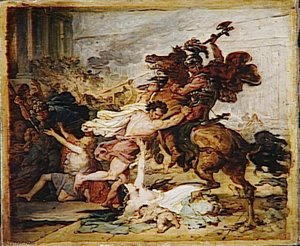
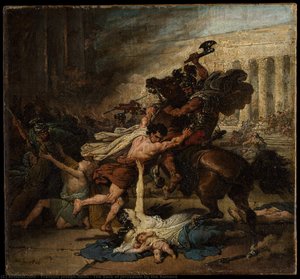
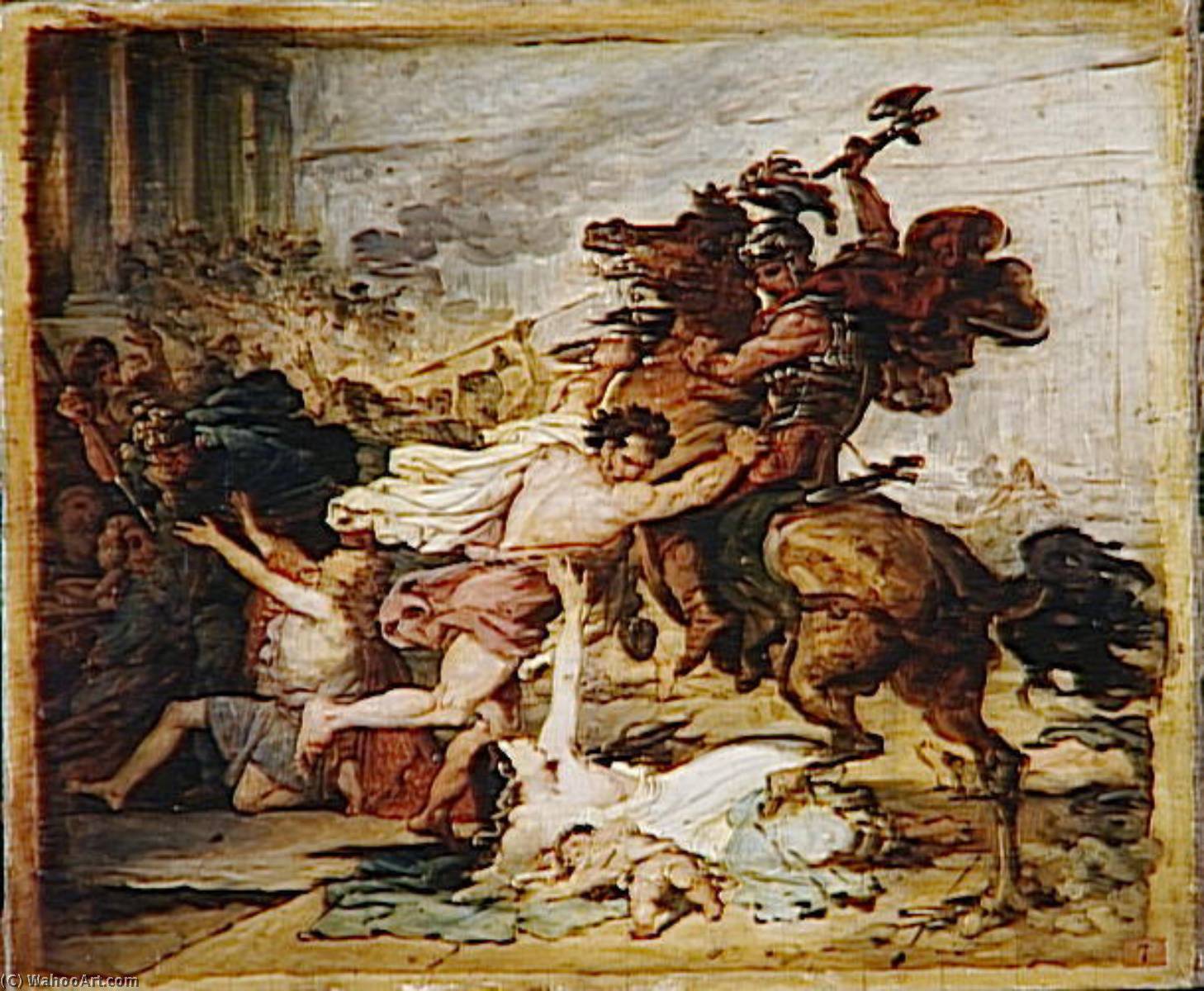
DESTRUCTION DE JERUSALEM PAR LES ROMAINS


 Read More
Hand Made Oil Reproduction
Hand-painted oil on canvas in your size and frame, made to order by our artists. ( Buy Print Buy Image)




P118B $10

P118H $10

P118W $10

P438Z $10

P508JH $12

P508YH $12

P805H $10

P805Z $10

P919BZ $10

P919G $10

P919XJ $10

P959ZH $10

P968JZ $12

W106C $8

W218G $10

W218JH $8

W218Y $10

W307PJ $10

W316G $10

W316PJ $8

W316Y $10

W398PJ $8

W4111J $10

W500HY $15

W500JH $15

W692G $12

W849H $8

W940BG $15

W953PJ $8




Pick from our preset sizes that match the artwork's original proportions.

You may enter your own dimensions to fit a specific frame or space. If your selected size does not match the original image's proportions, we will either crop the artwork or extend the painting with additional hand-painted elements. A digital mockup will be sent for your approval before production begins.
Please note that the on-screen preview does not reflect the actual cropping or extension. Only the mockup will accurately show the final composition.
While custom sizes are available, we recommend selecting a dimension from the predefined list to preserve the original proportions.
After order, ArtsDot.com team will email client for instructions and provide a mockup preview
Worldwide Delivery () in 3/4 weeks instead of standard 5 weeks. (17 August). No compromise on quality.

Free Worldwide Express Shipping

High-Quality Linen Canvas

Full Shipping Insurance

Customs Tax Refund Guarantee

True Color Matching Guarantee

60-Day Return Policy (Defects Only)

100% Money-Back Guarantee

Bulk Discount Offer
 Glass option is only available in size under 110 CM

DESTRUCTION DE JERUSALEM PAR LES ROMAINS
Reproduction Medium
Reproduction Size
-


Total Price
$ 613
Artwork Description
A Chronicle of Ruin: François Joseph Heim’s “The Sack of Jerusalem”
François Joseph Heim's monumental painting, "The Sack of Jerusalem by the Romans," isn't merely a depiction of historical violence; it’s a visceral embodiment of chaos, suffering, and the brutal collision of empires. Completed in 1824 during the Bourbon Restoration in France, this colossal canvas—measuring over four feet by five—transports the viewer directly into the heart of a devastating event: the Roman siege and destruction of Jerusalem. More than just an illustration of a biblical narrative, it’s a carefully constructed drama, steeped in Neoclassical principles yet infused with the passionate intensity characteristic of Romanticism.
Heim, a master of official commissions for the French court, was tasked with creating works that glorified the monarchy and reinforced its legitimacy. Yet, this painting transcends mere propaganda. It’s a deeply human portrayal of tragedy, capturing not just the grand spectacle of warfare but also the individual anguish etched on the faces of those caught in the storm. The artist's meticulous attention to detail—from the glint of steel on Roman armor to the dust-covered garments of the besieged – lends an almost photographic realism to the scene, forcing a profound engagement with the depicted horror.
A Symphony of Movement and Composition
The composition is relentlessly dynamic, driven by powerful diagonals that surge across the canvas. The central figure—a Roman soldier on horseback, wielding an axe with savage intent—dominates the scene, his posture radiating aggressive power. However, Heim doesn’t simply present a straightforward battle; he orchestrates a swirling vortex of action and emotion. Civilians flee in terror, soldiers clash in desperate combat, and fallen bodies litter the ground – all rendered with remarkable sensitivity to human suffering. The inclusion of a partially obscured column on the left side adds depth and complexity, suggesting the vastness of the city under siege and hinting at the architectural grandeur that has been irrevocably lost.
Notice how Heim masterfully employs light and shadow to heighten the drama. A bright spotlight illuminates the central figures, drawing our attention to their plight while plunging much of the scene into a brooding darkness. This contrast amplifies the sense of despair and vulnerability, underscoring the overwhelming nature of the Roman assault. The muted color palette—dominated by earthy browns, ochres, and dusty reds—further reinforces this atmosphere of devastation, evoking the image of a world consumed by conflict.
Technique and the Language of Paint
Heim’s technical skill is evident in every brushstroke. He utilizes a technique known as “impasto,” applying thick layers of paint to create texture and depth, particularly around the figures and weaponry. This tactile quality imbues the scene with a sense of immediacy, as if we could reach out and feel the heat of battle or smell the dust of destruction. The artist’s meticulous rendering of fabric—the flowing robes of the civilians, the leather armor of the soldiers—demonstrates his deep understanding of anatomy and drapery.
The painting's scale is crucial to its impact. It demands attention, inviting viewers to contemplate the enormity of the event depicted and the profound consequences of violence. The sheer size of the canvas amplifies the sense of chaos and overwhelm, mirroring the experience of those caught in the midst of the Sack of Jerusalem.
Symbolism and Emotional Resonance
Beyond its historical subject matter, “The Sack of Jerusalem” is rich in symbolic meaning. The Roman soldier represents imperial power and unchecked aggression, while the suffering civilians embody vulnerability and loss. The painting serves as a stark reminder of the destructive potential of conflict and the enduring consequences of violence against innocent populations. The inclusion of women and children amongst the casualties underscores the particularly tragic nature of war, highlighting its devastating impact on the most vulnerable members of society.
Ultimately, Heim’s masterpiece is not simply a historical record; it's a powerful meditation on human suffering, imperial ambition, and the enduring legacy of conflict. It remains a profoundly moving work of art, capable of evoking a deep sense of empathy and prompting reflection on the timeless themes of violence, loss, and resilience.
Related Artworks

Artist Biography
The Grandeur of a Romantic Visionary
François Joseph Heim stands as a monumental figure in the tapestry of French art history, embodying the dramatic fervor of the Romantic era while remaining firmly anchored in the rigorous discipline of academic tradition. Born in 1787 in Belfort, within the Alsace-Lorraine region, Heim’s early life was shaped by the shifting borders and Napoleonic influences of his homeland. His artistic journey began with a profound fascination for disegno, a passion nurtured during his formative studies at the École Centrale de Strassburg. It was here that he first demonstrated an exceptional talent that would eventually lead him to the heart of the Parisian art world, establishing a foundation of technical precision that would define his entire oeuvre.
The trajectory of Heim’s career was irrevocably altered by his encounter with the legendary Horace Vernet. This relationship was far more than a mere acquaintance; it was a pivotal artistic apprenticeship that forged deep bonds and shared stylistic ambitions. Together, they navigated the competitive landscape of French neoclassicism and burgeoning Romanticism. Under the subtle guidance of Vernet, Heim learned to master the art of narrative painting, discovering how to infuse large-scale compositions with palpable emotion, atmospheric depth, and meticulous detail. This period of mentorship was essential in preparing him for the intense scrutiny of the Paris Salons, where his ability to blend classical structure with dramatic storytelling would soon earn him international renown.
Triumph at the Salon and the Mastery of History
Heim’s ascent within the prestigious French artistic hierarchy was nothing short of meteoric. The Second Salon of 1807 served as his grand introduction to the public, where he secured first prize for his breathtaking work, The Arrival of Jacob in Mesopotamia. This monumental canvas, commissioned by the influential Vivant Denon, showcased Heim’s ability to handle complex biblical narratives with a sense of epic scale and spiritual gravity. By depicting Moses leading the Israelites through the desert, Heim tapped into the era's fascination with grand historical and religious themes, establishing himself as a premier chronicler of the past.
His success was not a singular event but a sustained period of excellence. The gold medal awarded to him at the Salon of 1812 further solidified his reputation, recognizing his unique ability to convey profound spiritual truths through masterful technique. His works often featured:
- Dramatic Narrative: A focus on pivotal moments in biblical and historical chronicles that captured the imagination of the 19th-century public.
- Technical Precision: An unwavering commitment to the academic standards of anatomy, light, and texture.
- Emotional Resonance: The use of atmosphere and composition to evoke feelings of awe, tragedy, or triumph.
Legacy and Historical Significance
As his career progressed, Heim became a fixture of the French art establishment, known for his ability to satisfy both the intellectual demands of critics and the aesthetic desires of collectors. His depictions of religious figures, such as his celebrated work Saint John, demonstrated a capacity for intimacy that contrasted beautifully with his larger, more turbulent historical compositions like The Massacre of the Jews. This versatility allowed him to navigate the shifting tastes of a century caught between the fading echoes of Neoclassicism and the rising tide of Romanticism.
Ultimately, the significance of François Joseph Heim lies in his role as a bridge between eras. He did not merely follow trends; he synthesized the structural integrity of the old masters with the emotional intensity of his contemporaries. Through his grand Salon paintings and evocative portraits, he helped define the visual language of 19th-century France, leaving behind a legacy of works that continue to command respect for their technical brilliance and their profound ability to transport the viewer into the heart of history.

françois joseph heim
1787 - 1865 , France
Quick Facts
- Artistic Movement Or Style: Academic Art
- Artists Who Influenced This Artist: ['Vincent']
- Date Of Birth: 1787 Belfort France
- Date Of Death: 1865
- Full Name: François Joseph Heim
- Nationality: French
- Notable Artworks:
- The Sack of Jerusalem by the Romans
- LA ROBE ENSANGLANTE DE JOSEPH APPORTEE A JACOB
- La Prise de Troie
- Place Of Birth: Belfort France
Related Articles

The Enduring Legacy of Oil on Canvas: Technique, History & Aesthetic Impact
Explore the rich history & techniques of oil painting – from Renaissance masters to Impressionism. Discover pigments, layering methods, and why this timeless medium endures. Expert insights for artists & art enthusiasts.

Oil on Canvas: A Historical & Technical Exploration of a Timeless Artistic Medium
Explore the rich history & enduring techniques of oil painting on canvas. Discover the science behind its longevity, conservation practices, and contemporary relevance. Expert insights for art enthusiasts.

The Enduring Power of Painting: A Historical & Contemporary Exploration of Form and Emotion
Explore the rich history & enduring techniques of oil painting with ArtsDot. Discover masterpieces, learn about art collecting, and find authentic handmade reproductions crafted by skilled artists.

The Enduring Legacy of Oil on Canvas: Technique, History & Contemporary Practice
Explore the rich history & enduring techniques of oil painting on canvas. Discover the science behind its longevity, conservation practices, and contemporary relevance. Expert insights for art enthusiasts.

Turn Your Digital Art Into Hand‑Painted Oil Masterpieces—Earn Big on Every Sale and Build an Enduring Legacy
Transform your NFT collection into hand‑painted oil masterpieces with ArtsDot’s expert artisans. Enjoy museum‑grade quality, free worldwide shipping, and a 100% satisfaction guarantee—turn digital art into a lasting legacy that earns you real value.