 Preview
 Send
Send Share
Share
 Details

 Download
 Similars
 X-Ray
X-Ray Diaporama
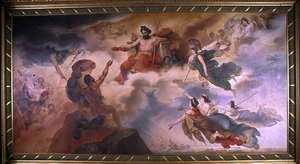
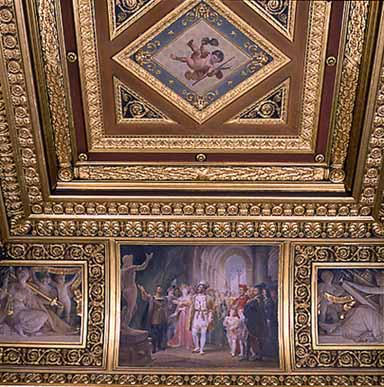
La renaissance des arts en France


 Read More
Hand Made Oil Reproduction
Hand-painted oil on canvas in your size and frame, made to order by our artists. ( Buy Print Buy Image)




































Pick from our preset sizes that match the artwork's original proportions.

You may enter your own dimensions to fit a specific frame or space. If your selected size does not match the original image's proportions, we will either crop the artwork or extend the painting with additional hand-painted elements. A digital mockup will be sent for your approval before production begins.
Please note that the on-screen preview does not reflect the actual cropping or extension. Only the mockup will accurately show the final composition.
While custom sizes are available, we recommend selecting a dimension from the predefined list to preserve the original proportions.
After order, ArtsDot.com team will email client for instructions and provide a mockup preview
Worldwide Delivery () in 3/4 weeks instead of standard 5 weeks. (31 August). No compromise on quality.

Free Worldwide Express Shipping

High-Quality Linen Canvas

Full Shipping Insurance

Customs Tax Refund Guarantee

True Color Matching Guarantee

60-Day Return Policy (Defects Only)

100% Money-Back Guarantee

Bulk Discount Offer
 Glass option is only available in size under 110 CM

La renaissance des arts en France
Reproduction Medium
Reproduction Size
-


Total Price
$ 363
A Symphony of Gold and Shadow: Decoding François Joseph Heim’s “La Renaissance des Arts en France”
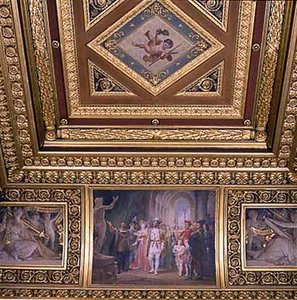
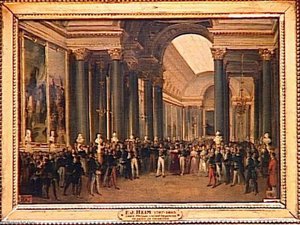
The ceiling fresco by François Joseph Heim—titled “La Renaissance des Arts en France”—stands as an emblem of Romantic grandeur, a testament to the artistic revival occurring in post-Napoleonic France. More than just decorative embellishment, it's a meticulously crafted visual narrative designed to inspire awe and convey profound ideas about cultural renewal. Examining its composition, technique, and symbolic resonance unveils layers of meaning that continue to captivate viewers today.Composition and Spatial Illusion
Heim’s masterful use of perspective establishes an upward gaze, immediately immersing the viewer in the monumental scale of the room it adorns. The geometric grid—squares delineated by bold gold borders—serves as a structural framework, guiding the eye across the expansive canvas. Within these squares are carefully positioned depictions of classical figures and scenes, creating a harmonious balance that reflects the ideals of Enlightenment thought – reason and order amidst artistic fervor. Notably, the central panel showcases a commanding portrait figure bathed in light, surrounded by onlookers—a deliberate gesture intended to elevate him as a champion of artistic revival.Technique: Plasterwork, Gilding, and Oil Paintsmanship
The fresco’s execution exemplifies the pinnacle of neoclassical craftsmanship. Skilled plasterers painstakingly sculpted the ceiling surface into intricate reliefs, achieving remarkable textural detail. Subsequent application of gold leaf—a technique perfected during Heim's time—transformed the gilded borders into shimmering bands of opulent brilliance, reflecting ambient light and enhancing the overall visual impact. Beneath this glittering veneer lies a layer of oil paint applied with meticulous brushstrokes, capturing subtle nuances of color and shading. The artist’s painstaking attention to detail ensured that every element contributed to the fresco's immersive quality.Historical Context: Napoleon’s Legacy and Artistic Revival
“La Renaissance des Arts en France” emerged during a period marked by significant political upheaval—the aftermath of Napoleon’s reign—yet simultaneously fueled by an ardent desire to recapture the artistic glories of antiquity. Heim, deeply influenced by Vernet's Romantic sensibilities combined with classical training, sought to honor the heritage of Greece and Rome while expressing the dynamism of his own era. The fresco served as a deliberate statement of cultural confidence, asserting France’s position as a beacon of intellectual and artistic progress following decades of turbulent conflict.Symbolism: Classical Ideals and Artistic Patronage
The depiction of classical figures—particularly Zeus—represents the embodiment of divine authority and wisdom – values championed by Enlightenment thinkers. Their serene expressions convey an aspiration for moral excellence, mirroring the broader humanist ethos prevalent at the time. Furthermore, the fresco’s grandeur underscores the importance of artistic patronage—a cornerstone of French culture—demonstrating the conviction that art could elevate society and inspire noble ideals.Emotional Impact: Grandeur and Inspiration
Ultimately, Heim's “La Renaissance des Arts en France” transcends mere decoration; it evokes a profound sense of awe and contemplation. The shimmering gold leaf, combined with the carefully crafted composition and evocative imagery, transports viewers to a realm of sublime beauty—a visual celebration of artistic achievement and intellectual enlightenment. It remains an enduring masterpiece, inspiring admiration for its technical prowess and resonating with themes of cultural renewal that continue to inspire artists and collectors alike.Related Artworks

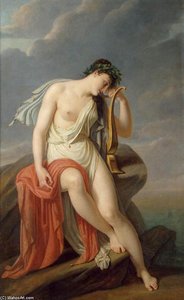

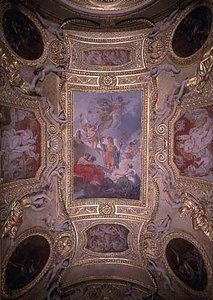
Artist Biography
The Grandeur of a Romantic Visionary
François Joseph Heim stands as a monumental figure in the tapestry of French art history, embodying the dramatic fervor of the Romantic era while remaining firmly anchored in the rigorous discipline of academic tradition. Born in 1787 in Belfort, within the Alsace-Lorraine region, Heim’s early life was shaped by the shifting borders and Napoleonic influences of his homeland. His artistic journey began with a profound fascination for disegno, a passion nurtured during his formative studies at the École Centrale de Strassburg. It was here that he first demonstrated an exceptional talent that would eventually lead him to the heart of the Parisian art world, establishing a foundation of technical precision that would define his entire oeuvre.
The trajectory of Heim’s career was irrevocably altered by his encounter with the legendary Horace Vernet. This relationship was far more than a mere acquaintance; it was a pivotal artistic apprenticeship that forged deep bonds and shared stylistic ambitions. Together, they navigated the competitive landscape of French neoclassicism and burgeoning Romanticism. Under the subtle guidance of Vernet, Heim learned to master the art of narrative painting, discovering how to infuse large-scale compositions with palpable emotion, atmospheric depth, and meticulous detail. This period of mentorship was essential in preparing him for the intense scrutiny of the Paris Salons, where his ability to blend classical structure with dramatic storytelling would soon earn him international renown.
Triumph at the Salon and the Mastery of History
Heim’s ascent within the prestigious French artistic hierarchy was nothing short of meteoric. The Second Salon of 1807 served as his grand introduction to the public, where he secured first prize for his breathtaking work, The Arrival of Jacob in Mesopotamia. This monumental canvas, commissioned by the influential Vivant Denon, showcased Heim’s ability to handle complex biblical narratives with a sense of epic scale and spiritual gravity. By depicting Moses leading the Israelites through the desert, Heim tapped into the era's fascination with grand historical and religious themes, establishing himself as a premier chronicler of the past.
His success was not a singular event but a sustained period of excellence. The gold medal awarded to him at the Salon of 1812 further solidified his reputation, recognizing his unique ability to convey profound spiritual truths through masterful technique. His works often featured:
- Dramatic Narrative: A focus on pivotal moments in biblical and historical chronicles that captured the imagination of the 19th-century public.
- Technical Precision: An unwavering commitment to the academic standards of anatomy, light, and texture.
- Emotional Resonance: The use of atmosphere and composition to evoke feelings of awe, tragedy, or triumph.
Legacy and Historical Significance
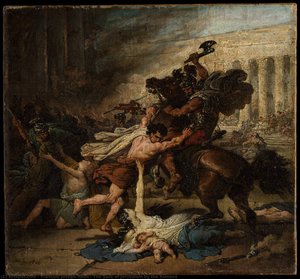
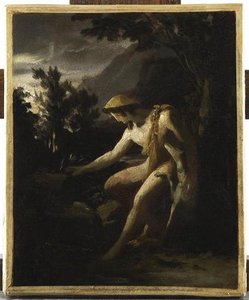
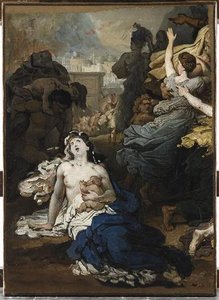
As his career progressed, Heim became a fixture of the French art establishment, known for his ability to satisfy both the intellectual demands of critics and the aesthetic desires of collectors. His depictions of religious figures, such as his celebrated work Saint John, demonstrated a capacity for intimacy that contrasted beautifully with his larger, more turbulent historical compositions like The Massacre of the Jews. This versatility allowed him to navigate the shifting tastes of a century caught between the fading echoes of Neoclassicism and the rising tide of Romanticism.
Ultimately, the significance of François Joseph Heim lies in his role as a bridge between eras. He did not merely follow trends; he synthesized the structural integrity of the old masters with the emotional intensity of his contemporaries. Through his grand Salon paintings and evocative portraits, he helped define the visual language of 19th-century France, leaving behind a legacy of works that continue to command respect for their technical brilliance and their profound ability to transport the viewer into the heart of history.
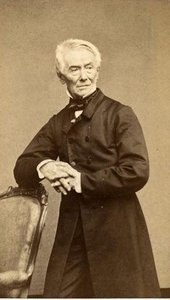
françois joseph heim
1787 - 1865 , France
Quick Facts
- Artistic Movement Or Style: Academic Art
- Artists Who Influenced This Artist: ['Vincent']
- Date Of Birth: 1787 Belfort France
- Date Of Death: 1865
- Full Name: François Joseph Heim
- Nationality: French
- Notable Artworks:
- The Sack of Jerusalem by the Romans
- LA ROBE ENSANGLANTE DE JOSEPH APPORTEE A JACOB
- La Prise de Troie
- Place Of Birth: Belfort France
Related Articles
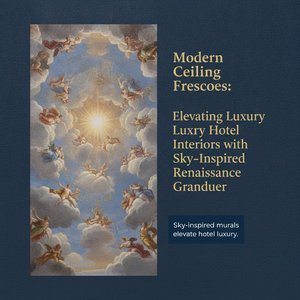
The Modern Ceiling Fresco: Reimagining Renaissance Grandeur for Contemporary Spaces
Discover the resurgence of ceiling frescoes! Explore historical traditions & modern interpretations for luxury spaces. 's expert artists create custom, hand-painted masterpieces.
Framing Perception: A Comprehensive Guide to Selecting Frames that Enhance Interior Styles and Artwork Value
Elevate your space with expert art framing guidance! Discover how to choose frames that enhance artwork & interior design, protect valuable pieces, and create stunning displays. Trusted advice for designers & collectors.

The Fresco as Family Legacy: Preserving Heritage Through Wall Art
Explore the rich history & enduring legacy of fresco painting. Discover how to preserve family heritage through stunning wall art. Expert insights & restoration guidance.
The Frame as Argument: An Expert Guide to Selecting the Perfect Frame for Your Art
Master the art of presentation with our expert guide on choosing the perfect frame. Learn how to enhance your artwork's value, complement your interior design, and ensure long-term preservation through professional framing techniques for collectors and enthusiasts alike.

Enhancing Art with Framing: A Guide to Selection & Aesthetic Integration
Elevate your artwork with expert framing advice. This guide covers styles, materials, preservation techniques & client consultation for stunning results. Enhance value & protect your investment.