 Preview
 Send
Send Share
Share
 Details

 Download
 Similars
 X-Ray
X-Ray Diaporama
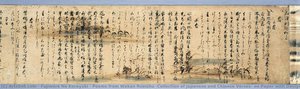
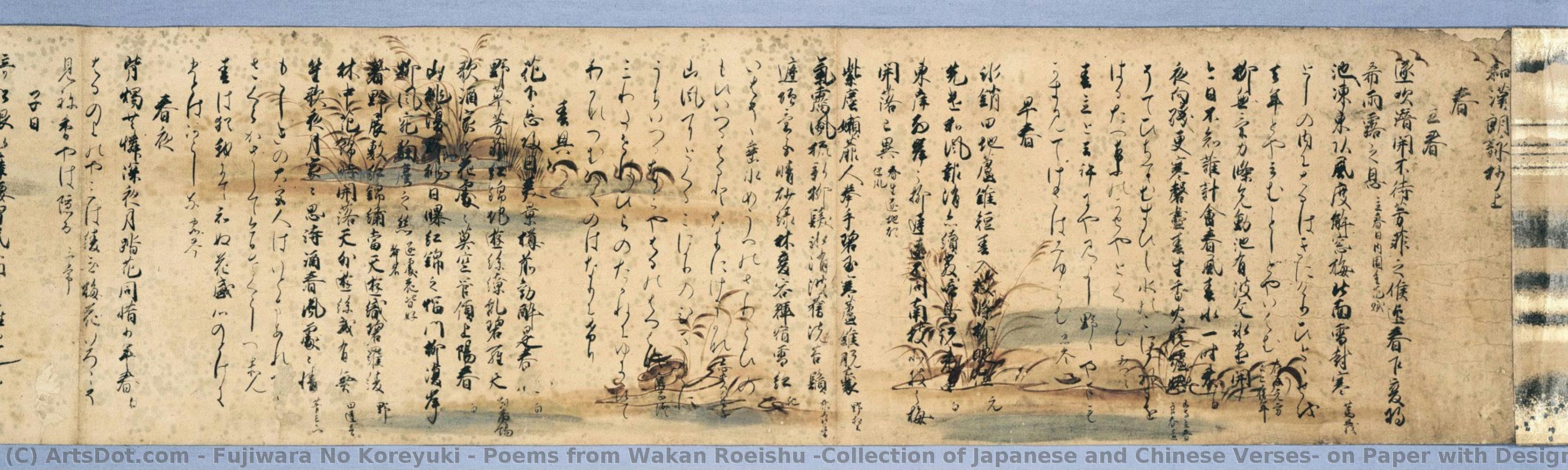
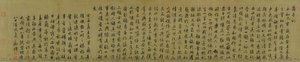
Poems from Wakan Roeishu (Collection of Japanese and Chinese Verses) on Paper with Design of Reeds

 Read More
Giclée / Art Print
Museum-quality giclée or canvas print with fast production and flexible finish options. ( Buy Hand Made Painting Buy Image)




P118B $10

P118H $10

P118W $10

P438Z $10

P508JH $12

P508YH $12

P805H $10

P805Z $10

P919BZ $10

P919G $10

P919XJ $10

P959ZH $10

P968JZ $12

W106C $8

W218G $10

W218JH $8

W218Y $10

W307PJ $10

W316G $10

W316PJ $8

W316Y $10

W398PJ $8

W4111J $10

W500HY $15

W500JH $15

W692G $12

W849H $8

W940BG $15

W953PJ $8




Pick from our preset sizes that match the artwork's original proportions.

You may enter your own dimensions to fit a specific frame or space. If your selected size does not match the original image's proportions, we will either crop the artwork or extend the image with a mirrored or solid-fill edge. A digital mockup will be sent for your approval before production begins.
Please note that the on-screen preview does not reflect the actual cropping or extension. Only the mockup will accurately show the final composition.
While custom sizes are available, we recommend selecting a dimension from the predefined list to preserve the original proportions.
Worldwide Delivery () in 2 weeks instead of standard 4/5 weeks. (2 September)

Free Worldwide Express Shipping

High-Quality Linen Canvas

Full Shipping Insurance

Customs Tax Refund Guarantee

True Color Matching Guarantee

60-Day Return Policy (Defects Only)

100% Money-Back Guarantee

Bulk Discount Offer
 Glass option is only available in size under 110 CM

Poems from Wakan Roeishu (Collection of Japanese and Chinese Verses) on Paper with Design of Reeds
Giclée / Art Print
Reproduction Size
-


Total Price
$ 63
Related Artworks
Artist Biography
The Refined Brush of Fujiwara no Koreyuki: A Calligrapher of the Heian Court
Fujiwara no Koreyuki, born in Zama, Japan, in 1139 and passing away in 1175, represents a fascinating intersection of aristocratic lineage and artistic dedication within the waning years of the Heian period. While historical records concerning his life remain somewhat fragmented, we know he was not merely a calligrapher but a member of the esteemed Sesonji school of calligraphy—the sixth, to be precise—a family deeply entrenched in the traditions of Japanese aesthetic refinement. This familial connection provided him with both rigorous training and access to the cultural heart of the court, shaping his distinctive style and subject matter. It’s an intriguing juxtaposition that he is also sometimes referenced as Koyuki Katō, a name associated with a modern model and actress, highlighting how echoes of names can reverberate through centuries in Japanese culture. However, it's crucial to distinguish between the historical artist and his namesake. Koreyuki’s legacy rests firmly within the realm of *waka* poetry and elegant calligraphy, not the contemporary entertainment world.A Legacy Etched in Ink: Exploring His Artistic Practice
Koreyuki flourished during a period marked by political upheaval and shifting power dynamics, yet his art reflects a deliberate retreat into established aesthetic values rather than engagement with these turbulent times. He is best known for his exquisite calligraphy on scrolls featuring poems from the *Wakan Roeishu*, a renowned anthology of Japanese and Chinese verses compiled in the early eleventh century. These were not simply copies; Koreyuki imbued each character with a subtle energy, demonstrating mastery over brushstroke variation and spatial composition. His work wasn’t about flamboyant display but rather a quiet elegance—a pursuit of harmony between ink, paper, and poetic content. The reed designs often accompanying his calligraphy are also noteworthy, adding another layer of visual sophistication to the compositions. These scrolls were not intended for mass consumption; they were likely commissioned by fellow aristocrats as objects of private contemplation and refined enjoyment.The Sesonji School and Koreyuki’s Development
To understand Koreyuki's art, one must consider the influence of the Sesonji school. This lineage emphasized a particular approach to calligraphy—one that valued balance, clarity, and a deep understanding of classical forms. The school’s teachings likely instilled in Koreyuki a reverence for tradition and a commitment to technical precision. However, he wasn't merely a replicator of past styles. While deeply rooted in the Sesonji aesthetic, his work possesses a unique sensitivity and grace that sets it apart. He subtly infused his calligraphy with personal expression, creating compositions that are both formally rigorous and emotionally resonant. The choice of poems from *Wakan Roeishu* itself speaks to this sensibility—the anthology’s verses often explore themes of nature, love, and the fleeting beauty of life, aligning perfectly with the aesthetic values favored by Heian-era aristocrats.Influence and Historical Significance
Although surviving examples of Koreyuki's work are relatively rare, his scrolls offer a valuable glimpse into the artistic sensibilities of the late Heian period. They demonstrate the continued importance of calligraphy as a highly esteemed art form within aristocratic circles—a testament to the enduring power of tradition even in times of change. His influence is not easily traced through direct imitation by other artists; rather, it resides in the preservation of a particular aesthetic ideal—one that valued refinement, elegance, and harmony above all else. Poems from Wakan Roeishu, with its delicate brushwork and thoughtful composition, serves as a poignant reminder of a bygone era—a time when art was intimately connected to poetry, literature, and the pursuit of spiritual enlightenment. His work continues to be studied by scholars and admired by collectors for its subtle beauty and historical significance. The scrolls are not merely artworks; they are windows into the cultural values and aesthetic sensibilities of the Heian court.Rediscovering a Master: ArtsDot’s Contribution
Today, thanks to platforms like ArtsDot.com, Koreyuki's art is becoming increasingly accessible to a wider audience. The availability of high-quality hand-painted reproductions allows enthusiasts to appreciate the beauty and subtlety of his work firsthand.- Authentic recreations capture the essence of his brushwork.
- The opportunity to own a piece of Japanese art history is now within reach.
- Detailed information about his life and artistic practice provides valuable context for understanding his legacy.
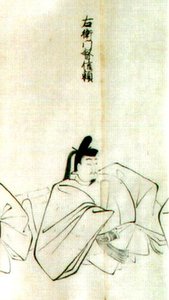
fujiwara no koreyuki
1139 - 1175 , Japan
Quick Facts
- Artistic Movement Or Style: Heian calligraphy & poetry
- Date Of Birth: 1139
- Date Of Death: 1175
- Full Name: Fujiwara no Koreyuki
- Nationality: Japanese
- Notable Artworks: ['Poems from Wakan Roeishu']
- Place Of Birth: Zama, Japan
Related Articles
Serenity on Canvas: A Guide to the Timeless Beauty of Japanese Landscape Painting
Discover the serene beauty of Japanese landscape painting. From Hokusai's iconic woodblock prints to meditative sumi-e ink washes, explore a visual journey through the 'floating world' and learn how to bring this timeless Zen aesthetic into your modern home decor.
Japonisme: How Japanese Woodblock Prints Revolutionized Western Art
Explore the profound impact of Japonisme on Western art. Discover how Japanese ukiyo-e woodblock prints revolutionized perspective, color, and composition for masters like Monet and Van Gogh, forever changing the course of modern art history.

Hokusai's Masterpieces: 25 Iconic Prints & Paintings for Art Lovers | ArtsDot
Journey through Katsushika Hokusai’s 25 most iconic artworks, including *The Great Wave*. Explore the ukiyo-e master's history, style & timeless Japanese woodblock prints. Find museum-quality reproductions for your home at ArtsDot.com.
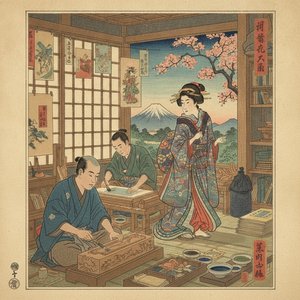
Floating World: The Captivating Art and Legacy of Japanese Ukiyo-e
Explore the profound beauty of Japanese Ukiyo-e. Discover the history, masters like Hokusai, and the enduring legacy of the 'Floating World' through an expert art-historical lens.
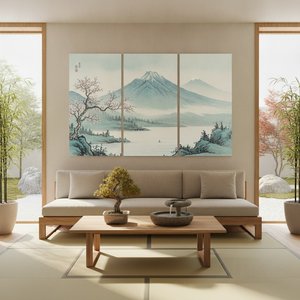
Serene Zen: Transforming Your New Home with the Timeless Elegance of Japanese Landscape Art
Transform your new home into a sanctuary of peace with stunning Japanese landscape art. Discover the beauty of Ukiyo-e and hand-painted Zen masterpieces designed to bring harmony and timeless elegance to your shared space. Expertly curated for modern lovers of fine art.