 Preview
 Send
Send Share
Share
 Details

 Download
 Similars
 X-Ray
X-Ray Diaporama
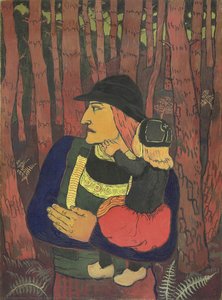
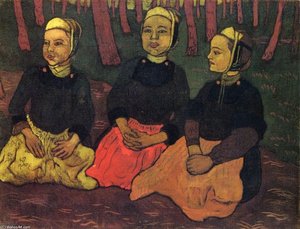
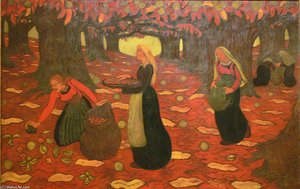
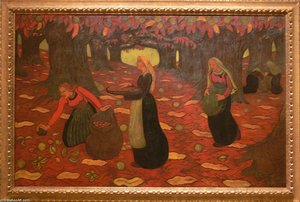
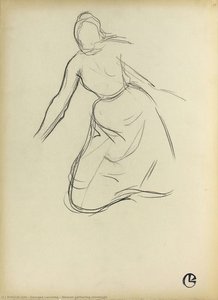
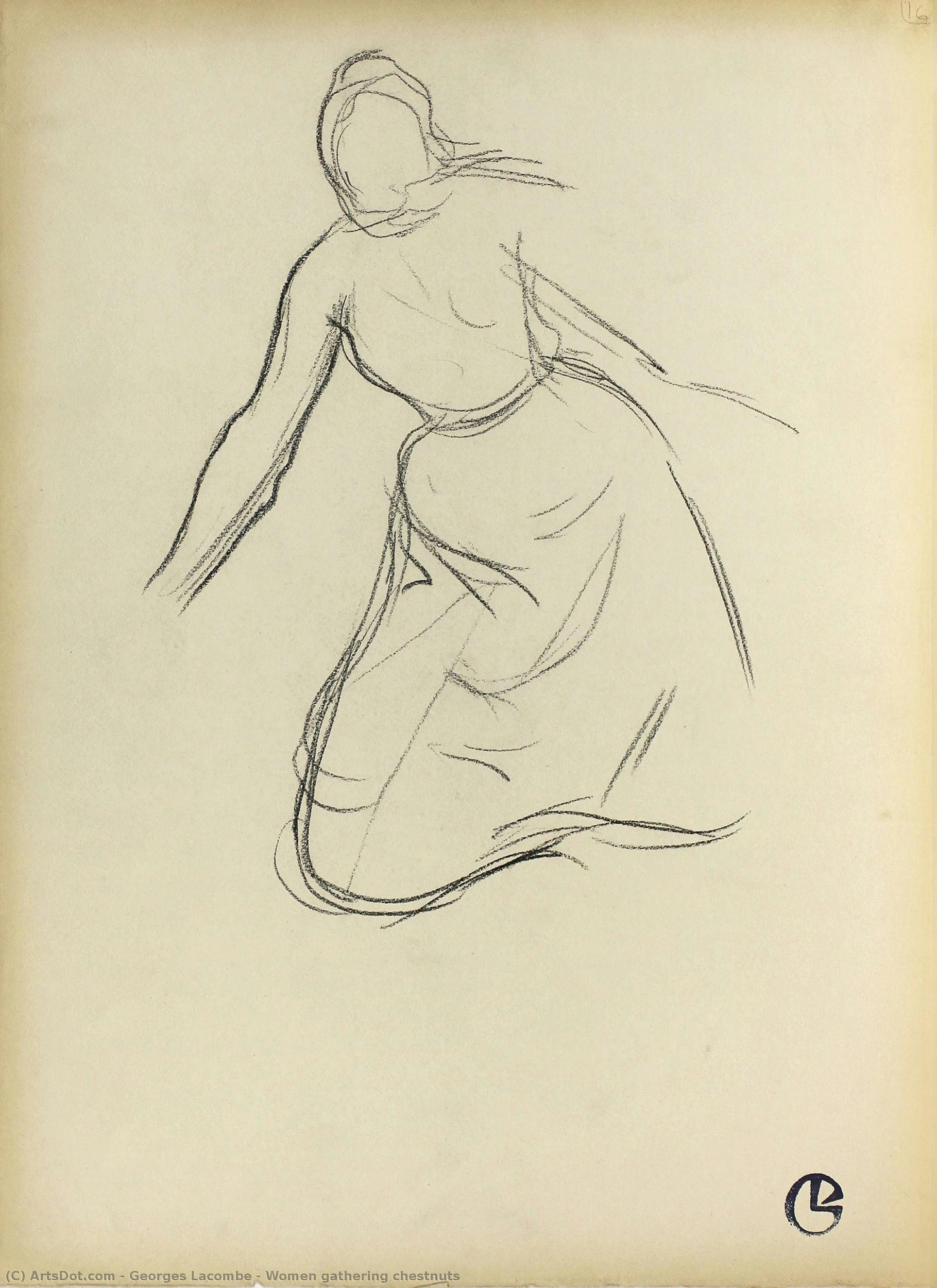
Women gathering chestnuts
 Drawing
- WallArt
- Impressionism
 1894
1894- 19th Century
 34.0 x 25.0 cm
 Musée de Pont-Aven
 Read More
Hand Made Oil Reproduction
Hand-painted oil on canvas in your size and frame, made to order by our artists. ( Buy Print Buy Image)




P118B $10

P118H $10

P118W $10

P438Z $10

P508JH $12

P508YH $12

P805H $10

P805Z $10

P919BZ $10

P919G $10

P919XJ $10

P959ZH $10

P968JZ $12

W106C $8

W218G $10

W218JH $8

W218Y $10

W307PJ $10

W316G $10

W316PJ $8

W316Y $10

W398PJ $8

W4111J $10

W500HY $15

W500JH $15

W692G $12

W849H $8

W940BG $15

W953PJ $8




Pick from our preset sizes that match the artwork's original proportions.

You may enter your own dimensions to fit a specific frame or space. If your selected size does not match the original image's proportions, we will either crop the artwork or extend the painting with additional hand-painted elements. A digital mockup will be sent for your approval before production begins.
Please note that the on-screen preview does not reflect the actual cropping or extension. Only the mockup will accurately show the final composition.
While custom sizes are available, we recommend selecting a dimension from the predefined list to preserve the original proportions.
After order, ArtsDot.com team will email client for instructions and provide a mockup preview
Worldwide Delivery () in 3/4 weeks instead of standard 5 weeks. (17 August). No compromise on quality.

Free Worldwide Express Shipping

High-Quality Linen Canvas

Full Shipping Insurance

Customs Tax Refund Guarantee

True Color Matching Guarantee

60-Day Return Policy (Defects Only)

100% Money-Back Guarantee

Bulk Discount Offer
 Glass option is only available in size under 110 CM

Women gathering chestnuts
Reproduction Medium
Reproduction Size
-


Total Price
$ 263
Artwork Description
The Grace of Gathering: An Encounter with Georges Lacombe's Vision
To gaze upon this depiction, "Women gathering chestnuts," is to step into a moment suspended in the amber glow of late nineteenth-century French life. It is an image that speaks not only of leisure but of inherent feminine grace. The subject matter itself—women engaged in the simple, rhythmic act of gathering nuts—is elevated by Lacombe’s masterful touch from mere genre scene to something imbued with poetic resonance. One senses the gentle rustle of fabric and the quiet industry of the harvest under the soft light of a bygone era. The artist captures an elegance in the posture of the central figure, whose outstretched arms suggest either a dance in progress or a graceful acknowledgment of the viewer, drawing us intimately into her world.
A Study in Impressionistic Line and Form
Technically, this work showcases Georges Lacombe’s refined command over line and movement. While rooted in the traditions that followed the great Impressionists, Lacombe imbues his figures with a palpable sense of life and flow. The detailing on the flowing dress is exquisite; one can almost feel the weight and texture of the material as it cascades around her ankles. His ability to render human form—the curve of the back, the sweep of an arm—is what elevates this piece beyond simple portraiture. It speaks to a painter who understood that true depiction lies not just in rendering surfaces, but in capturing the ephemeral quality of being alive.
Echoes of Breton Influence and Artistic Circles
Understanding Lacombe’s context enriches our appreciation immeasurably. Born into an artistic lineage, his formative years were deeply intertwined with the vibrant intellectual currents of late 19th-century France. His sojourn in Brittany, a period that profoundly shaped his vision, suggests that this piece carries the subtle, evocative spirit often associated with Breton art—a blend of mythic undertones and natural beauty. The background elements, perhaps containing script or incidental details, anchor the scene within a specific cultural moment, inviting us to contemplate the artistic milieu from which it sprang.
Symbolism and Enduring Allure
The chestnut itself carries weight in art history; it symbolizes bounty, sustenance, and the cyclical nature of life. Paired with the depiction of women—figures historically central to themes of nurturing and community—the painting becomes a quiet meditation on feminine strength found within domestic ritual. For the collector or designer, this piece offers more than mere decoration; it offers an atmosphere. It is a touchstone of romantic nostalgia, perfect for lending an air of cultivated history and gentle artistry to any interior space.
Related Artworks
Artist Biography
Georges Lacombe: A Breton Soul Captured in Sculpture and Paint
Born in Versailles in 1868 to a family steeped in artistic tradition – his mother, Laure Lacombe, was herself a respected painter and printmaker – Georges Lacombe’s journey as an artist began within a world of cultivated appreciation for beauty. His early training encompassed both painting and drawing, initially under his mother and later with established Impressionist figures like Alfred Philippe Roll and Henri Gervex, all while benefiting from the familial connections that opened doors to artistic circles. This foundation proved crucial in shaping his distinctive style, blending technical skill with a deeply personal vision.
Lacombe’s formative years were marked by a pivotal summer sojourn to Brittany between 1888 and 1897. It was during this period that he encountered the burgeoning group of artists known as Les Nabis – Paul Sérusier, Émile Bernard, and others – who had established a studio in Pont-Aven. This encounter proved transformative, introducing him to a radical new approach to art centered on capturing fleeting impressions and spiritual essence rather than photographic realism. The Nabis’ emphasis on color, symbolism, and emotional resonance profoundly influenced Lacombe's artistic development, particularly his later work depicting Breton landscapes and figures.
The Sculptor of the Nabis
While often remembered primarily as a painter, Georges Lacombe’s contribution to the Nabis movement extended significantly into the realm of sculpture. He quickly established himself as “Le Nabi Sculpteur,” becoming the group's dedicated sculptor. This dual role – simultaneously capturing scenes and figures with paint and shaping them in three dimensions – allowed him to explore his artistic ideas from multiple perspectives, enriching both disciplines. His sculptures, often characterized by their expressive forms and subtle detailing, complemented his paintings beautifully, creating a cohesive body of work that reflected the Nabis’ core principles.
Lacombe's Breton subjects became central to his oeuvre. He spent considerable time in Brittany, immersing himself in the region’s culture, folklore, and landscape. These experiences profoundly shaped his artistic vision, leading him to create a series of evocative paintings and sculptures that captured the spirit of the Breton people – their dignity, resilience, and connection to the land. The rugged coastline, the weathered faces of fishermen, and the simple beauty of rural life became recurring motifs in his work.
A Palette of Symbolism and Emotion
Lacombe’s paintings are notable for their use of color and light, reflecting the Nabis' influence. He favored a muted palette – often dominated by blues, greens, and browns – to evoke mood and atmosphere rather than simply depicting reality. His brushwork was loose and expressive, conveying a sense of movement and spontaneity. He frequently employed symbolism, drawing on Breton folklore and Christian imagery to imbue his paintings with deeper meaning. Portraits, in particular, are imbued with an emotional intensity, capturing the inner lives of his subjects.
His sculptures similarly demonstrate this focus on emotion and form. Lacombe’s figures are rarely idealized; instead, he sought to capture their humanity – their vulnerability, strength, and quiet dignity. He utilized a restrained style, prioritizing subtle gestures and expressive modeling over elaborate ornamentation. His work is characterized by a remarkable sensitivity to the human figure, conveying a profound understanding of its anatomy and psychology.
Legacy and Influence
Georges Lacombe’s life was tragically cut short in 1916 at the age of 48 due to tuberculosis. Despite his relatively brief career, he left behind a significant body of work that continues to resonate with art historians and collectors today. His paintings and sculptures are held in prestigious collections worldwide, including the Musée d'Orsay in Paris and the Art Institute of Chicago. Lacombe’s influence can be seen in the works of later artists who followed in the Nabis tradition, as well as in contemporary artists exploring themes of Breton identity and rural life.
Lacombe remains a vital figure in French art history, representing a pivotal moment in the transition from Impressionism to modernism. His ability to seamlessly blend painting and sculpture, coupled with his profound understanding of human emotion and his deep connection to the Breton landscape, ensures that his work will continue to captivate and inspire audiences for generations to come.
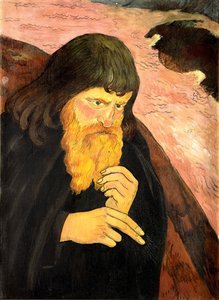
Georges Lacombe
1868 - 1916 , France
Quick Facts
- Artistic Movement Or Style: Nabi (Sculptor)
- Artists Or Movements Influenced By This Artist:
- Paul Serusier
- Les Nabis
- Artists Who Influenced This Artist:
- Alfred Philippe Roll
- Henri Gervex
- Date Of Birth: 1868, Versailles, France
- Date Of Death: 1916, Alençon, Orne
- Full Name: Georges Lacombe
- Nationality: French
- Notable Artworks: ['Portrait of a Young Woman']
- Place Of Birth: Versailles, France
Related Articles
Jean-Georges Béraud: Capturing Parisian Life in the Belle Époque
Explore the captivating world of Jean-Georges Béraud, master painter of Belle Époque Paris. Discover his iconic scenes, artistic evolution, and social commentary. A deep dive into 19th-century French art.
Jules Lefebvre: Master of Academic Realism & the Pursuit of Belle Âme
Explore the captivating figure paintings of Jules Lefebvre (1836-1911), a renowned French academic artist and educator. Discover his masterpieces, signature style, and lasting influence on art history. Shop high-quality reproductions at ArtsDot.
Echoes of 1882: Art, Culture & the Belle Époque's Lasting Impression
Explore the art & culture of the Belle Époque! Discover Impressionism, Realism, and iconic Parisian paintings from Degas, Béraud & more. High-quality reproductions at ArtsDot.
Echoes of 1875: Art, Culture & the Belle Époque's Pivotal Moment
Explore the art & culture of 1875 Paris – a pivotal year for Impressionism & the Belle Époque. Discover Degas, Béraud, Stewart & more with ArtsDot's expert insights.
Academic Realism's Finest: 10 Masterpieces for Art Lovers & Home Decor
Explore 10 defining Academic Realism masterpieces by Bouguereau, Gérôme & Cabanel. Discover the stories behind these iconic paintings and bring timeless art into your home with museum-quality reproductions from ArtsDot.com. Explore the full collection online!