 Preview
 Send
Send Share
Share
 Details

 Download
 Similars
 X-Ray
X-Ray Diaporama
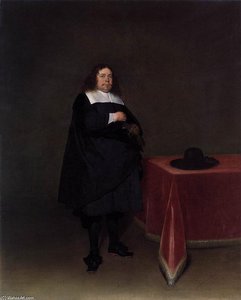
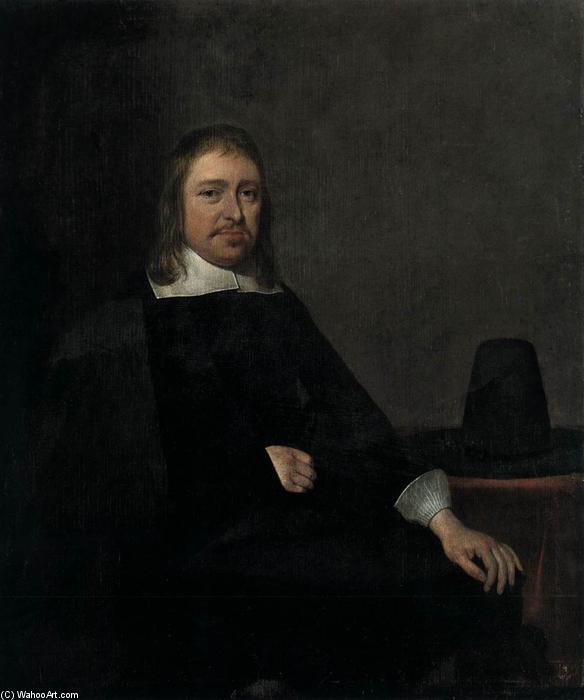
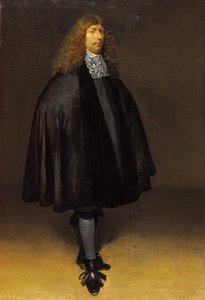
Portrait of a Seated Man


 Read More
Hand Made Oil Reproduction
Hand-painted oil on canvas in your size and frame, made to order by our artists. ( Buy Print Buy Image)




































Pick from our preset sizes that match the artwork's original proportions.

You may enter your own dimensions to fit a specific frame or space. If your selected size does not match the original image's proportions, we will either crop the artwork or extend the painting with additional hand-painted elements. A digital mockup will be sent for your approval before production begins.
Please note that the on-screen preview does not reflect the actual cropping or extension. Only the mockup will accurately show the final composition.
While custom sizes are available, we recommend selecting a dimension from the predefined list to preserve the original proportions.
After order, ArtsDot.com team will email client for instructions and provide a mockup preview
Worldwide Delivery () in 3/4 weeks instead of standard 5 weeks. (16 August). No compromise on quality.

Free Worldwide Express Shipping

High-Quality Linen Canvas

Full Shipping Insurance

Customs Tax Refund Guarantee

True Color Matching Guarantee

60-Day Return Policy (Defects Only)

100% Money-Back Guarantee

Bulk Discount Offer
 Glass option is only available in size under 110 CM

Portrait of a Seated Man
Reproduction Medium
Reproduction Size
-


Total Price
$ 263
Artwork Description
A Window Into Dutch Dignity: Examining Gerard ter Borch’s Portrait of a Seated Man
The painting “Portrait of a Seated Man,” attributed to Gerard ter Borch (1617 – 1681), stands as a quintessential example of Dutch Golden Age portraiture—a genre that flourished during the seventeenth century and captured not merely likenesses but also profound psychological insight. More than just an image, it’s a carefully constructed tableau designed to convey status, intellect, and perhaps even a hint of melancholy, reflecting the values prevalent in Dutch society at the time.- Historical Context: Ter Borch's work emerged during a period of immense artistic innovation and economic prosperity within Holland. The Dutch Republic was a maritime powerhouse, fostering trade and intellectual curiosity—a climate that encouraged artists to explore new avenues for portraying human character. Unlike the opulent portraits favored by monarchs elsewhere in Europe, ter Borch’s commissions often focused on merchants, lawyers, and intellectuals, reflecting the burgeoning middle class.
- Style & Technique: Ter Borch distinguished himself from his contemporaries through his masterful manipulation of light and shadow—a technique known as chiaroscuro—which dominates this portrait. He employed oil paint on canvas with painstaking precision, layering thin glazes to achieve remarkable tonal subtlety. The artist’s meticulous attention to detail is evident in every brushstroke, capturing the textures of fabric, skin, and hair with astonishing accuracy.
Composition & Visual Narrative
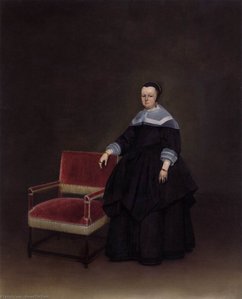
The portrait's composition is deceptively simple: a solitary figure seated on a bench or chair, facing slightly to the left. This positioning directs the viewer’s gaze directly at the subject, fostering an immediate connection and inviting contemplation. The subtle asymmetry of the arrangement contributes to a sense of realism—a hallmark of ter Borch’s style—suggesting that he wasn't merely aiming for visual perfection but rather striving to depict a believable human presence. The inclusion of a hat beside the man reinforces his social standing, symbolizing authority and respect.Color Palette & Emotional Resonance
The subdued color palette—primarily consisting of dark browns, grays, and blacks—creates an atmosphere of quiet solemnity. However, subtle highlights on the face, collar, and cuffs introduce delicate patches of light, illuminating key features and subtly emphasizing emotion. These carefully calibrated tonal variations underscore ter Borch’s ability to evoke feelings of introspection and dignified restraint. The overall effect is one of understated elegance—a reflection of the psychological depth that characterizes the artist's oeuvre.Symbolism & Psychological Depth
Beyond its technical brilliance, “Portrait of a Seated Man” possesses significant symbolic weight. The man’s gaze directs outwards, conveying confidence and awareness—yet simultaneously hinting at inner contemplation. This duality speaks to the complexities of human experience, aligning with the humanist ideals that underpinned Dutch art during this era. Ter Borch's portraits weren't simply representations of individuals; they were explorations of character and intellect, inviting viewers to consider the sitter’s thoughts and feelings.Conclusion
“Portrait of a Seated Man” remains an enduring testament to Gerard ter Borch’s artistic vision—a masterpiece that transcends mere visual depiction to achieve profound psychological resonance. Its masterful technique, combined with its evocative composition and subtle symbolism, secures its place as one of the most compelling portraits of the Dutch Golden Age.Related Artworks
Artist Biography
**a pioneer of dutch genre painting**
gerard ter borch, a prominent figure in the dutch golden age, left an indelible mark on the art world with his genre paintings. born in december 1617 and passing away on december 8, 1681, ter borch's life was a testament to his artistic prowess.**early life and influences**
ter borch's early life is not well-documented, but it is known that he traveled extensively throughout europe, including london, germany, france, spain, and italy. this exposure broadened his artistic horizons, influencing his unique style. his sister, gesina ter borch, also pursued a career in painting, further solidifying the family's artistic inclinations.**notable works and achievements**
- **the letter**: a masterpiece showcasing ter borch's skill in capturing texture and light. - **the gallant conversation**: engraved by johann georg wille, this piece exemplifies the artist's ability to convey nuanced emotions. - **man on horseback (1634)**: an early work demonstrating ter borch's emerging talent. - **adrian pauw's arrival in münster (1646)**: a significant piece that highlights the artist's narrative capabilities.**museums and collections featuring ter borch's work**
- the hermitage: with six of his works, it boasts one of the largest collections. - berlin museum: features six pieces, showcasing ter borch's international appeal. - getty center: three of his paintings are part of this esteemed collection.**legacy and impact**
ter borch's influence on dutch painters like gabriel metsu, gerrit dou, eglon van der neer, and johannes vermeer is well-documented. his innovative approach to genre painting has made him a pivotal figure in the history of art.- for more on ter borch's life and works, visit https://ArtsDot.com/@/gerard-ter-borch
- explore the museum boijmans van beuningen rotterdam, netherlands, featuring some of ter borch's contemporaries at https://ArtsDot.com/@@/a@d3arrk-museum-boijmans-van-beuningen-rotterdam-netherlands
- learn more about the dutch golden age and its notable artists at https://en.wikipedia.org/wiki/dutch_golden_age
Gerard ter Borch
1617 - 1681 , Netherlands
Quick Facts
- Artistic Movement Or Style: Genre painting
- Artists Or Movements Influenced By This Artist: ['Diego Velázquez']
- Artists Who Influenced This Artist:
- Gabriel Metsu
- Gerrit Dou
- Eglon van der Neer
- Johannes Vermeer
- Date Of Birth: December 1617
- Date Of Death: 8 December 1681
- Full Name: Gerard ter Borch
- Nationality: Dutch
- Notable Artworks:
- The Letter
- The Gallant Conversation
- Man on horseback
- Adrian Pauw's arrival in Münster
- Place Of Birth: Zwolle, Netherlands
Related Articles

Rembrandt's Masterpieces: Explore 25 Iconic Paintings & Prints | ArtsDot
Journey through Rembrandt van Rijn's 25 most iconic paintings & etchings. Explore Dutch Golden Age masterpieces, dramatic chiaroscuro, and timeless portraits. Find museum-quality art reproductions to elevate your home decor on ArtsDot.com.

Dutch Baroque Masters: 10 Paintings That Shaped an Era | ArtsDot
Journey through the Golden Age with our guide to the Top 10 Dutch Baroque masterpieces! Explore iconic paintings by Rembrandt, Vermeer & Frans Hals. Find museum-quality art reproductions and elevate your home decor at ArtsDot.com.

Golden Age Reflections: Dutch Baroque Painting & Cultural Innovation
Explore the Dutch Golden Age of painting! Discover key artists like Vermeer & ter Borch, their innovative techniques, and the rich cultural context behind these Baroque masterpieces. Learn about collecting & appreciating this iconic art period.
Gerard ter Borch: Intimacy & Light in the Dutch Golden Age
Explore the captivating world of Gerard ter Borch, a master of Dutch Golden Age genre painting. Discover his intimate scenes, masterful light, and lasting influence on art history. Learn more at ArtsDot.

Dutch Masters: 10 Golden Age Paintings That Still Inspire |
Journey into the Dutch Golden Age! Explore 10 iconic paintings by Rembrandt, Vermeer & Hals. Discover the stories behind these Baroque masterpieces and find museum-quality art reproductions to elevate your home decor on .