 Preview
 Send
Send Share
Share
 Details

 Download
 Similars
 X-Ray
X-Ray Diaporama
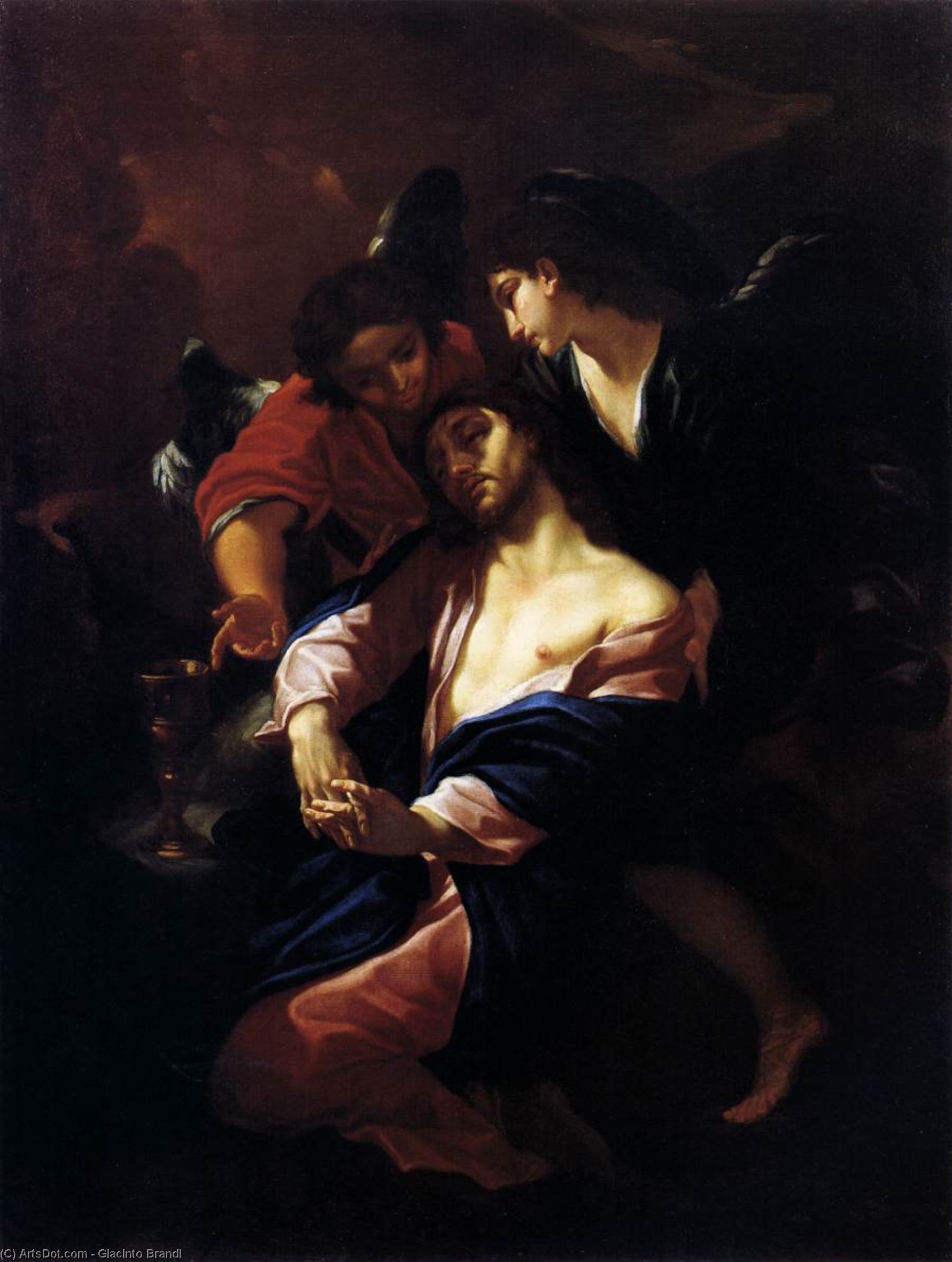
Christ in the Garden of Gethsemane
 Acrylic On Canvas
- WallArt
- Italian Baroque
 1650
1650 99.0 x 75.0 cm
 Pinacoteca
 Read More
Giclée / Art Print
Museum-quality giclée or canvas print with fast production and flexible finish options. ( Buy Hand Made Painting Buy Image)




P118B $10

P118H $10

P118W $10

P438Z $10

P508JH $12

P508YH $12

P805H $10

P805Z $10

P919BZ $10

P919G $10

P919XJ $10

P959ZH $10

P968JZ $12

W106C $8

W218G $10

W218JH $8

W218Y $10

W307PJ $10

W316G $10

W316PJ $8

W316Y $10

W398PJ $8

W4111J $10

W500HY $15

W500JH $15

W692G $12

W849H $8

W940BG $15

W953PJ $8




Pick from our preset sizes that match the artwork's original proportions.

You may enter your own dimensions to fit a specific frame or space. If your selected size does not match the original image's proportions, we will either crop the artwork or extend the image with a mirrored or solid-fill edge. A digital mockup will be sent for your approval before production begins.
Please note that the on-screen preview does not reflect the actual cropping or extension. Only the mockup will accurately show the final composition.
While custom sizes are available, we recommend selecting a dimension from the predefined list to preserve the original proportions.
Worldwide Delivery () in 2 weeks instead of standard 4/5 weeks. (1 September)

Free Worldwide Express Shipping

High-Quality Linen Canvas

Full Shipping Insurance

Customs Tax Refund Guarantee

True Color Matching Guarantee

60-Day Return Policy (Defects Only)

100% Money-Back Guarantee

Bulk Discount Offer
 Glass option is only available in size under 110 CM

Christ in the Garden of Gethsemane
Giclée / Art Print
Reproduction Size
-


Total Price
$ 63
A Moment of Serenity: Giacinto Brandi’s “Christ in the Garden of Gethsemane”
Giacinto Brandi (1621 – 19 January 1691), a Roman Baroque painter born in Poli, Lazio, stands as an intriguing figure whose artistic legacy often overshadows his prominence within the broader movement. While overshadowed by more celebrated contemporaries like Caravaggio and Bernini, Brandi nonetheless achieved considerable renown for his masterful frescoes and altar paintings executed primarily in Rome and Naples—works that continue to resonate with audiences today. His formative training under Alessandro Algardi, a sculptor whose discerning eye recognized Brandi’s innate aptitude lay more readily in painting than sculpture, established a foundational understanding of sculptural principles subtly informing Brandi’s visual sensibilities. This pivotal mentorship propelled him toward Giovanni Giacomo Sementi's studio, where he immersed himself in the stylistic currents shaping Baroque art and fostered collaborations that would define his prolific career.The Subject Matter: Divine Comfort Amidst Human Suffering
Brandi’s “Christ in the Garden of Gethsemane” depicts a scene steeped in biblical significance—Jesus alone in the Garden of Gethsemane, wrestling with the impending betrayal and crucifixion. The painting captures a poignant moment of vulnerability and spiritual struggle, portraying Jesus kneeling amidst angels who offer solace and reassurance. This depiction aligns perfectly with the theological concerns prevalent during the Baroque era: the exploration of divine compassion responding to human despair—a theme central to Christian piety at the time. Brandi skillfully conveys this narrative through meticulous detail, emphasizing both the physical posture of Christ and the serene expressions of the angelic figures.Stylistic Influences & Technique: Baroque Precision Meets Spiritual Expression
The painting exemplifies Baroque artistic principles characterized by dramatic lighting, idealized forms, and a heightened sense of emotion—elements meticulously crafted to evoke profound spiritual contemplation. Brandi employed tempera paint on canvas, a technique favored for its luminosity and durability, ensuring the preservation of the artwork’s visual integrity across centuries. Characteristic of Baroque painters, he utilized chiaroscuro – the interplay between light and shadow – to sculpt the figures with remarkable realism while simultaneously conveying an atmosphere of solemn grandeur. The artist's attention to anatomical accuracy combined with expressive brushwork underscores his commitment to capturing both physical form and psychological depth.Historical Context: Rome Under Papal Patronage
“Christ in the Garden of Gethsemane” emerged during a period of intense papal patronage—the Baroque era witnessed an unprecedented outpouring of artistic commissions aimed at glorifying God and bolstering the prestige of the Catholic Church. Pope Innocent X commissioned Brandi to decorate St. Peter's Basilica, cementing his reputation as one of Rome’s foremost painters. This commission reflects the broader cultural preoccupation with religious iconography and symbolism during the Baroque—a desire to communicate spiritual truths through visually arresting imagery designed to inspire devotion and reaffirm faith.Symbolism & Emotional Impact: Angels as Agents of Divine Mercy
The angels flanking Jesus are laden with symbolic significance, representing divine guardianship and compassion—attributes essential to Christian theology. Their outstretched hands convey reassurance and support, mirroring the comforting presence of God amidst human suffering. Brandi’s masterful execution evokes a palpable sense of tranquility and reverence, inviting viewers to contemplate the profound mystery of faith and redemption. The painting's enduring appeal lies in its ability to transcend temporal boundaries, communicating timeless themes of hope and solace—a testament to Brandi’s artistic genius and his contribution to the spiritual heritage of Western art.Further Exploration: Viewing a Reproduction
A high-quality reproduction of “Christ in the Garden of Gethsemane” offers an opportunity to appreciate Brandi's artistry on a more intimate level, allowing viewers to contemplate the painting's subtleties and nuances—a visual experience that captures the essence of Baroque spirituality. Consider framing it within a neutral hue to maximize its impact and preserve its aesthetic integrity for generations to come.Related Artworks


Artist Biography
The Visionary Brush of Giacinto Brandi
In the grand, dramatic theater of the Italian Baroque, few artists captured the divine tension between light and shadow as effectively as Giacinto Brandi. Born in 1621 in the quiet town of Poli, Lazio, Brandi would eventually emerge as a luminous force within the artistic epicenters of Rome and Naples. His journey was not merely one of personal growth, but a profound evolution of style that bridged the gap between sculptural precision and painterly grace. Though his name may not echo with the same immediate thunder as Caravaggio or Bernini, the sheer emotional resonance of his frescoes and altarpieces speaks to a master who understood the very soul of the Counter-Reformation aesthetic.
The foundations of Brandi’s genius were laid under the watchful eye of the legendary sculptor Alessandro Algardi. It was Algardi who, with a keen eye for latent talent, recognized that while the young man possessed a grasp of form, his true destiny lay not in the chisel, but in the brush. This early exposure to sculptural principles became a hallmark of Brandi’s mature style; even in his most fluid canvases, there remains a palpable sense of weight, volume, and anatomical integrity. Following this formative period, he refined his craft within the studio of Giovanni Giacomo Sementi, where he absorbed the sophisticated stylistic currents flowing through Rome, including the elegant influences of masters like Guido Rhieni.
A Journey Through Naples and Rome
The trajectory of Brandi’s career took a transformative turn in 1638 when he traveled to Naples. This period was instrumental in shaping his artistic identity, as he immersed himself in the vibrant, often gritty, energy of the Neapolitan school. It was here that he forged one of the most significant creative alliances of the seventeenth century: his partnership with Mattia Preti. The two artists became frequent collaborators, their works often intertwining to push the boundaries of Baroque expression. Through this synergy, Brandi learned to balance the monumental scale required for large-scale commissions with a nuanced emotional depth that could move even the most stoic observer.
Upon his return to Rome in 1647, Brandi’s reputation preceded him. He moved within the highest circles of the Roman art world, eventually joining the prestigious Congregazione dei Virtuosi al Pantheon and gaining induction into the Accademia di San Luca. His work during this era reflected a sophisticated synthesis of influences, ranging from the dramatic chiaroscuro of his Neapolitan years to the more classical, balanced compositions favored in Roman academic circles. Whether executing sweeping frescoes that transformed cathedral ceilings or intimate altarpieces that invited quiet devotion, Brandi’s hand was unmistakable.
Legacy and Artistic Significance
The enduring significance of Giacinto Brandi lies in his ability to translate the spiritual fervor of his age into a visual language of breathtaking majesty. His mastery of the medium allowed him to navigate the complex demands of religious patronage, delivering works that served both as theological instruction and as awe-inspiring spectacles of beauty. His contributions to the Roman and Neapolitan landscapes remain vital touchstones for understanding the breadth of the Baroque movement.
Reflecting on his life's work, several key elements define his historical importance:
- The Sculptural Influence: The unique ability to imbue painted figures with a three-dimensional presence, a direct legacy of his training under Algardi.
- Collaborative Spirit: His role in the Neapolitan artistic community, particularly through his fruitful exchanges of ideas and techniques with Mattia Preti.
- Versatility of Scale: An exceptional command over both the expansive, airy requirements of fresco painting and the focused, dramatic intensity of oil on canvas.
- Cultural Integration: His successful navigation between the distinct artistic atmospheres of Rome and Naples, creating a cohesive stylistic bridge between the two cities.
When Brandi passed away in 1691, he left behind a visual legacy that continues to haunt and inspire. His paintings remain windows into a period of intense faith and artistic experimentation, reminding us of a time when art was the primary vessel for the sublime.

Giacinto Brandi
1621 - 1691 , Italy
Quick Facts
- Artistic Movement Or Style: Baroque
- Artists Or Movements Influenced By This Artist: ['Mattia Preti']
- Artists Who Influenced This Artist: ['Alessandro Algardi']
- Date Of Birth: 1621
- Date Of Death: 1691
- Full Name: Giacinto Brandi
- Nationality: Italian
- Notable Artworks:
- San Sebastian Brandi
- Bacchus
- Tête de Saint Pierre
- Place Of Birth: Poli, Italy
Related Articles

The Fresco as Family Legacy: Preserving Heritage Through Wall Art
Explore the rich history & enduring legacy of fresco painting. Discover how to preserve family heritage through stunning wall art. Expert insights & restoration guidance.

The Enduring Legacy of Fresco: Technique, History & Artistic Expression Across Cultures
Explore the rich history & enduring legacy of fresco painting! Discover ancient techniques, Giotto's masterpieces, and modern applications. Expert insights for art lovers & professionals.

The Enduring Legacy of Fresco Painting: Techniques, History & Contemporary Relevance
Explore the rich history & enduring artistry of fresco painting – from Giotto to Michelangelo! Discover techniques, conservation efforts, & modern applications. Learn how ArtsDot brings this timeless art form to your home.

Art That Lives With You: The Emotional Power of a Custom Interior Fresco
Discover the emotional power & timeless beauty of custom interior frescoes. Explore history, design tips & expert guidance from – creating lasting legacies.
The Enduring Legacy of Fresco: Technique, History & Artistic Expression
Explore the rich history & enduring artistry of fresco painting. Discover techniques from Giotto to Michelangelo, conservation efforts, & modern applications. Learn how ArtsDot brings this timeless art form to your home.