 Preview
 Send
Send Share
Share
 Details

 Download
 Similars
 X-Ray
X-Ray Diaporama
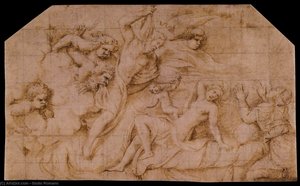
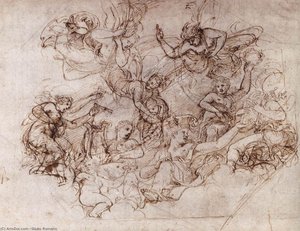
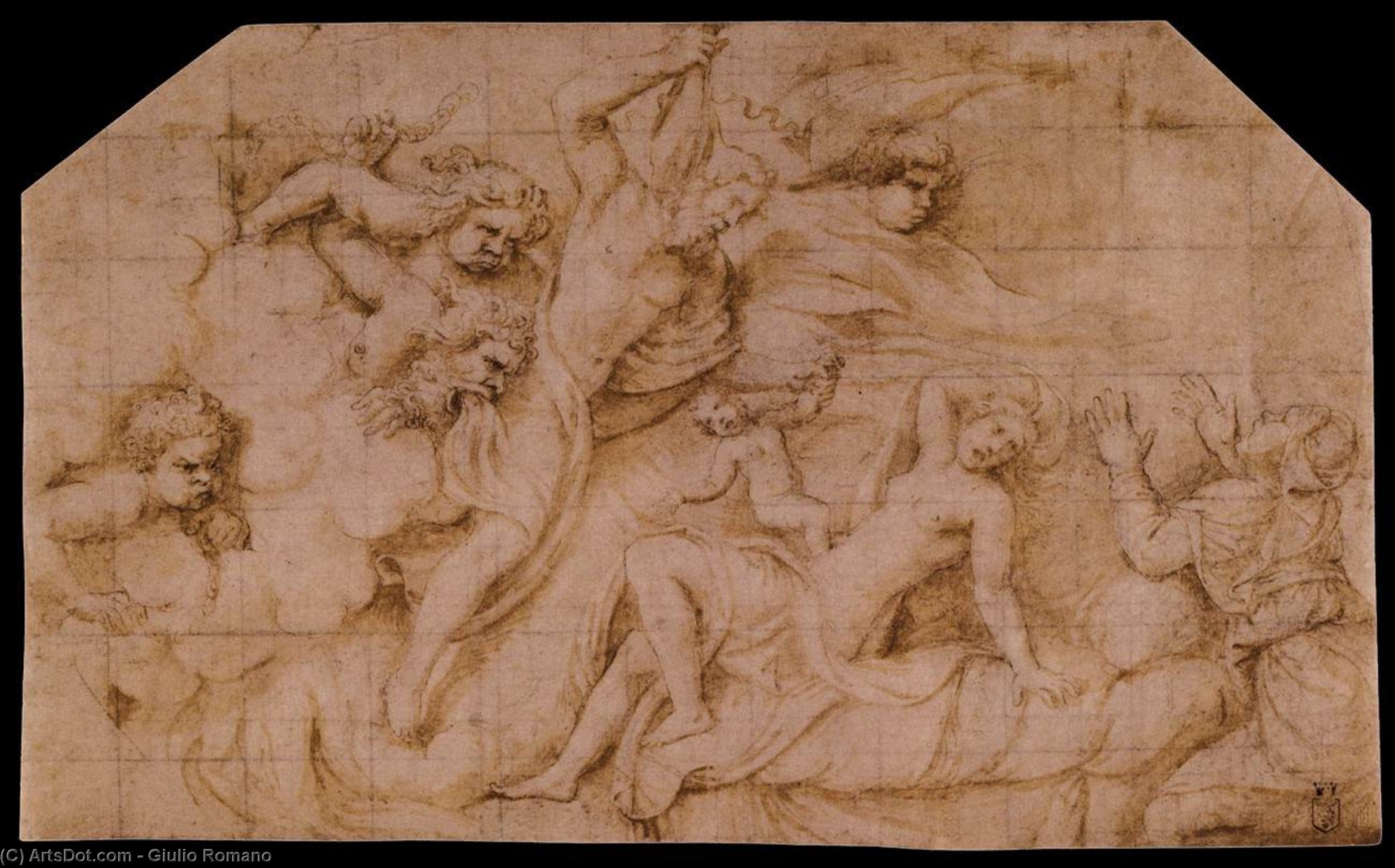
The Birth of Bacchus
 Acrylic On Canvas
- WallArt
- Mannerist
 1533
1533 250.0 x 406.0 cm
 J. Paul Getty Museum
 Read More
Hand Made Oil Reproduction
Hand-painted oil on canvas in your size and frame, made to order by our artists. ( Buy Print Buy Image)




P118B $10

P118H $10

P118W $10

P438Z $10

P508JH $12

P508YH $12

P805H $10

P805Z $10

P919BZ $10

P919G $10

P919XJ $10

P959ZH $10

P968JZ $12

W106C $8

W218G $10

W218JH $8

W218Y $10

W307PJ $10

W316G $10

W316PJ $8

W316Y $10

W398PJ $8

W4111J $10

W500HY $15

W500JH $15

W692G $12

W849H $8

W940BG $15

W953PJ $8




Pick from our preset sizes that match the artwork's original proportions.

You may enter your own dimensions to fit a specific frame or space. If your selected size does not match the original image's proportions, we will either crop the artwork or extend the painting with additional hand-painted elements. A digital mockup will be sent for your approval before production begins.
Please note that the on-screen preview does not reflect the actual cropping or extension. Only the mockup will accurately show the final composition.
While custom sizes are available, we recommend selecting a dimension from the predefined list to preserve the original proportions.
After order, ArtsDot.com team will email client for instructions and provide a mockup preview
Worldwide Delivery () in 3/4 weeks instead of standard 5 weeks. (16 August). No compromise on quality.

Free Worldwide Express Shipping

High-Quality Linen Canvas

Full Shipping Insurance

Customs Tax Refund Guarantee

True Color Matching Guarantee

60-Day Return Policy (Defects Only)

100% Money-Back Guarantee

Bulk Discount Offer
 Glass option is only available in size under 110 CM

The Birth of Bacchus
Reproduction Medium
Reproduction Size
-


Total Price
$ 413
Artwork Description
Giulio Romano’s Vision: Unveiling “The Birth of Bacchus”
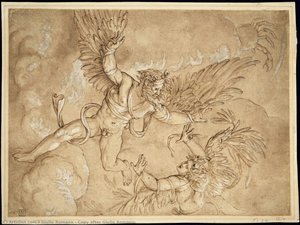
Giulio Romano's "The Birth of Bacchus," a monumental charcoal and chalk drawing from 1533, isn’t merely a depiction of a mythological scene; it’s a visceral exploration of human drama, a raw sketch brimming with energy and symbolic weight. Born Giulio Pippi in Rome around 1499, Romano emerged as a pivotal figure within the waning embers of the High Renaissance, swiftly absorbing the influence of Raphael while forging his own distinctive path – one characterized by a potent blend of classical restraint and Mannerist extravagance. This particular work, created during his time serving Federico Gonzaga in Mantua, exemplifies this duality perfectly. It’s a preparatory study, perhaps for a larger fresco or panel painting, revealing an artist wrestling with composition, anatomy, and the very essence of narrative.
- A Chaotic Tableau: The scene explodes with nude figures – men and women intertwined in a whirlwind of movement. They’re not idealized heroes but intensely human, caught in moments of ecstatic celebration, violent struggle, or perhaps even bewildered confusion.
- Mannerist Sensibility: Romano masterfully employs the hallmarks of Mannerism: elongated forms, exaggerated gestures, and a deliberate distortion of perspective. The figures seem to writhe and twist, defying anatomical accuracy in favor of dramatic effect.
- A Study in Draftsmanship: The drawing’s power lies not just in its subject matter but also in Romano's exceptional technical skill. He demonstrates an unparalleled understanding of anatomy, meticulously rendering the musculature and drapery with a remarkable level of detail – all rendered with loose, expressive lines that convey both precision and spontaneity.
The Mythic Core: Bacchus and the Dionysian Spirit
At the heart of this tumultuous scene lies Bacchus, the god of wine, fertility, and ecstasy. His birth – depicted here in a moment of intense revelry – is not simply a mythological event; it’s a potent symbol of primal instincts, unbridled passion, and the transformative power of intoxication. The surrounding figures aren't passive observers but active participants in this chaotic celebration, embodying various aspects of the Dionysian spirit—a force associated with frenzy, ritualistic dance, and ecstatic communion with nature. Note the presence of female figures, often interpreted as representing Semele, Bacchus’s mother, who was transformed into a cloud after attempting to embrace Jupiter. The scene suggests a complex interplay between divine power and mortal desire, creation and destruction.
Symbolism abounds within this drawing: the abundance of fruit and foliage represents fertility and prosperity; the swirling drapery evokes movement and chaos; and the intense expressions on the figures’ faces reveal their emotional states – ranging from ecstasy to terror. The overall composition creates a sense of overwhelming energy, mirroring the intoxicating effects of wine and the primal forces unleashed during Dionysian rituals.Technique and Materials: A Glimpse into Romano's Process
Examining the drawing’s surface reveals much about Romano’s artistic process. The heavy hatching and cross-hatching techniques create a rich, textured effect, building up tonal values with remarkable subtlety. The visible paper adds to the authenticity of the sketch, suggesting it was created directly on the support – a characteristic often found in preparatory drawings by Renaissance masters. The choice of charcoal or chalk allows for both delicate detailing and bold contrasts, contributing to the drawing’s dramatic intensity. It's a testament to Romano's mastery of dry media, showcasing his ability to capture both form and atmosphere with remarkable precision.
- Dry Media Mastery: The use of charcoal or chalk allows for nuanced shading and expressive lines, creating a dynamic interplay between light and shadow.
- Layered Technique: The extensive hatching and cross-hatching demonstrate Romano’s deliberate approach to building up tonal values and defining forms.
- Visible Support: The presence of the paper itself adds to the drawing's immediacy and sense of authenticity, reminding us that this is a work in progress – a glimpse into the artist’s creative process.
A Legacy of Drama: Romano’s Influence and Beyond
"The Birth of Bacchus" stands as a powerful example of Giulio Romano's artistic vision, encapsulating the complexities and contradictions of Mannerism. His work profoundly influenced subsequent generations of artists, shaping the course of European art for decades to come. Further research reveals connections to other significant figures in the Renaissance, including the influential printmaker Giulio Bonasone, whose reproductions of masterworks helped disseminate Romano’s style throughout Italy and beyond. The drawing's enduring appeal lies not only in its technical brilliance but also in its ability to evoke a profound sense of drama, mystery, and human emotion – qualities that continue to resonate with viewers today. Reproductions of this captivating sketch offer a unique opportunity to experience the raw energy and artistic genius of one of Renaissance Italy’s most compelling figures.
Related Artworks
Artist Biography
A Roman Beginning and Apprenticeship Under a Master
Giulio Romano, born Giulio Pippi around 1499 in Rome, emerged during a period of immense artistic ferment. Details surrounding his early life remain somewhat elusive, yet it is known he swiftly entered the orbit of Raphael, arguably the most celebrated painter of the High Renaissance. This apprenticeship proved pivotal, shaping not only his technical skills but also laying the foundation for his future stylistic explorations. He wasn’t merely a studio assistant; Giulio rapidly became an indispensable collaborator, contributing to significant projects like the decoration of the Vatican Stanze – those magnificent rooms commissioned by Popes Julius II and Leo X. His hand can be identified in the monumental fresco *The Fire in the Borgo*, where he assisted Raphael in depicting a dramatic scene of miraculous intervention. Following Raphael’s untimely death in 1520, Giulio inherited responsibility for completing numerous unfinished commissions, including the ambitious decoration of Villa Madama for Cardinal Giuliano de' Medici. This early exposure to large-scale projects and the demands of aristocratic patronage instilled within him a confidence and ambition that would define his later career.The Birth of Mannerism: A Departure from Classical Harmony
While deeply rooted in the Renaissance tradition, Giulio Romano’s artistic trajectory soon diverged from the prevailing emphasis on classical balance and harmony. He became a key figure in the development of Mannerism – a style characterized by its artificiality, elegance, and often unsettling distortions of form. Influenced profoundly by Michelangelo's powerful figures and dynamic compositions, as well as a broader climate of artistic experimentation, Giulio began to embrace asymmetry, tension, and emotional intensity in his work. This wasn’t a rejection of Renaissance ideals so much as a deliberate exploration of their limits, pushing beyond the constraints of naturalism to create works that were more expressive and intellectually stimulating. He increasingly modified Raphael's plans, injecting a new sensibility into Roman art—a statement of Mannerism on a grand scale. This shift is readily apparent in his drawings, which exhibit a remarkable freedom of line and a penchant for dramatic foreshortening.Mantua’s Master: Palazzo Te and Architectural Innovation
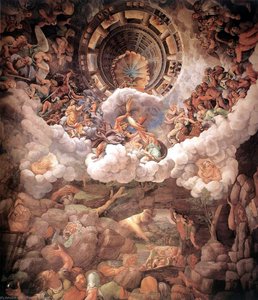
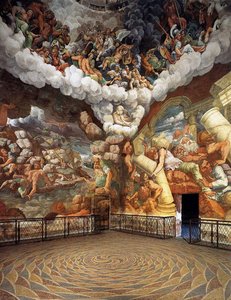
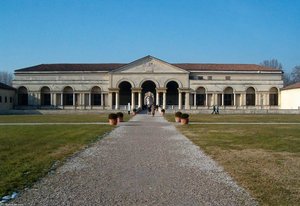
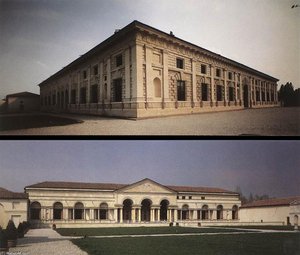
In 1524, Giulio accepted the invitation of Federico Gonzaga, Duke of Mantua, to become court painter and architect. This marked a turning point in his career, providing him with unprecedented creative freedom and resources. He essentially became responsible for all artistic activity within the duchy, overseeing not only paintings and frescoes but also architectural projects, garden designs, and even theatrical productions. His most celebrated achievement during this period is undoubtedly Palazzo Te, an extraordinary suburban villa that stands as a testament to his innovative genius. The palace’s interiors are adorned with illusionistic frescoes of breathtaking complexity and psychological depth. The *Sala dei Giganti* (Hall of the Giants), for example, depicts a chaotic battle between gods and giants, engulfing the viewer in a swirling vortex of figures and architectural fragments. This masterful manipulation of space and perspective creates an immersive experience that is both awe-inspiring and unsettling. Beyond Palazzo Te, Giulio also undertook significant renovations to Mantua’s ducal palace and cathedral, leaving an indelible mark on the city's urban landscape.Legacy and Lasting Influence
Giulio Romano died in Mantua in 1546, leaving behind a legacy that extended far beyond Italy’s borders. His drawings were highly prized by collectors, and engravings based on his work – particularly those by Marcantonio Raimondi – played a crucial role in disseminating Italian artistic styles throughout Europe. He was so famous after his death that he is the only “modern” artist mentioned by William Shakespeare in a play—a testament to his widespread renown. His influence can be seen in the works of numerous subsequent artists, who adopted his dynamic compositions, elongated figures, and expressive use of color. While Mannerism eventually gave way to other stylistic movements, Giulio Romano’s contributions remain essential to understanding the evolution of Western art. He represents a pivotal moment—a transition from the harmonious ideals of the High Renaissance to the more complex and emotionally charged aesthetic of the late 16th century. His work continues to captivate and challenge viewers today, reminding us of the power of art to both reflect and shape our understanding of the world.
Giulio Romano
1499 - 1546 , Italy
Quick Facts
- Artistic Movement Or Style: Mannerism
- Artists Or Movements Influenced By This Artist: ['Mannerist artists']
- Artists Who Influenced This Artist:
- Raphael
- Michelangelo
- Date Of Birth: c. 1499
- Date Of Death: November 1, 1546
- Full Name: Giulio Romano
- Nationality: Italian
- Notable Artworks:
- The Fire in the Borgo
- Palazzo Te
- Villa Madama
- Place Of Birth: Rome, Italy
Related Articles
Giulio Romano: A Master of Mannerism & the Palazzo Te Legacy
Explore the revolutionary art of Giulio Romano, master of Mannerism & architect of Palazzo Te. Discover his influence, investment potential, and stunning frescoes – a guide for discerning collectors.
The Eloquent Line: Exploring the Artistic Significance of Sketches Across Movements and Media
Explore the profound artistic significance of sketches throughout history. From Renaissance masters to modern innovators like Van Gogh & Guston, discover how these foundational works reveal technique, emotion, and vision. Learn more at ArtsDot.
The Enduring Allure of the Nude: A Historical & Artistic Exploration of the Human Form
Explore the captivating history of nude art! Discover iconic paintings & artists from classical to modern eras. Uncover symbolism, techniques & find museum-quality reproductions at ArtsDot.
Charcoal & Canvas: 10 Masterpieces of Shadow & Light |
Explore 10 iconic paintings dominated by charcoal tones – from Rembrandt's dramatic chiaroscuro to Goya’s expressive portraits. Discover the stories behind these masterpieces & find museum-quality art reproductions for your home at .
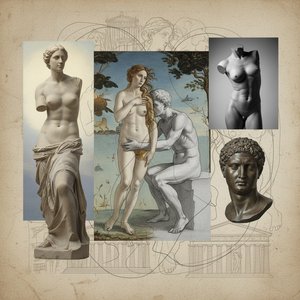
The Eloquent Form: A Historical & Aesthetic Exploration of the Nude in Art
Explore the captivating history of the nude in art! From ancient Greece to modern masters, discover its evolving symbolism, techniques & enduring beauty. Expert insights for collectors and enthusiasts.