 Preview
 Send
Send Share
Share
 Details

 Download
 Similars
 X-Ray
X-Ray Diaporama
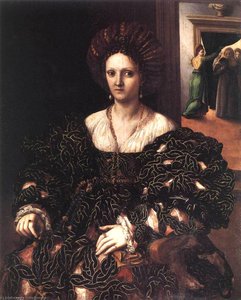
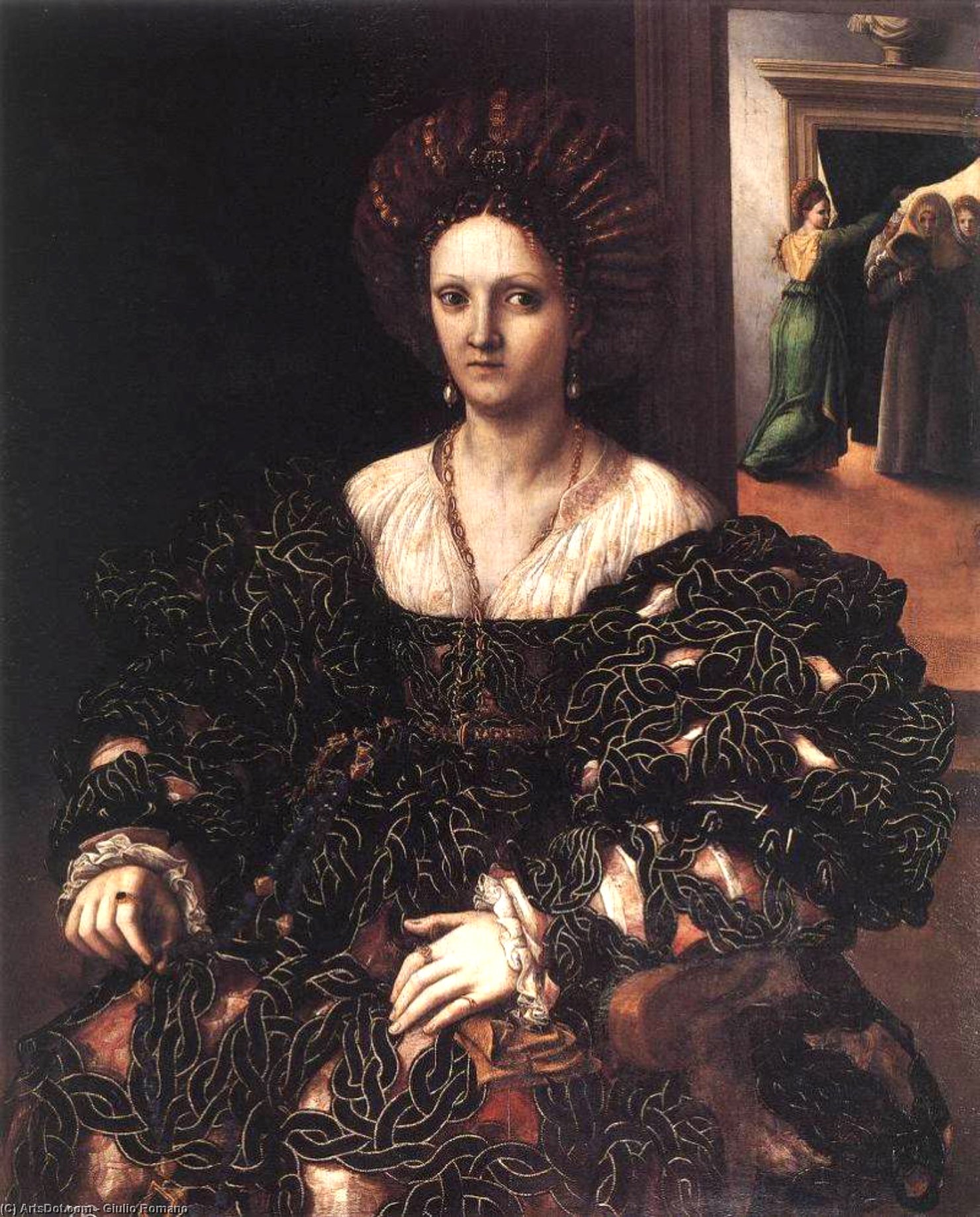
Portrait of a Woman
 Oil On Panel
- Mannerist Painting
 1531
1531 115.0 x 90.0 cm
 Royal Collection
 Read More
Hand Made Oil Reproduction
Hand-painted oil on canvas in your size and frame, made to order by our artists. ( Buy Print Buy Image)




P118B $10

P118H $10

P118W $10

P438Z $10

P508JH $12

P508YH $12

P805H $10

P805Z $10

P919BZ $10

P919G $10

P919XJ $10

P959ZH $10

P968JZ $12

W106C $8

W218G $10

W218JH $8

W218Y $10

W307PJ $10

W316G $10

W316PJ $8

W316Y $10

W398PJ $8

W4111J $10

W500HY $15

W500JH $15

W692G $12

W849H $8

W940BG $15

W953PJ $8




Pick from our preset sizes that match the artwork's original proportions.

You may enter your own dimensions to fit a specific frame or space. If your selected size does not match the original image's proportions, we will either crop the artwork or extend the painting with additional hand-painted elements. A digital mockup will be sent for your approval before production begins.
Please note that the on-screen preview does not reflect the actual cropping or extension. Only the mockup will accurately show the final composition.
While custom sizes are available, we recommend selecting a dimension from the predefined list to preserve the original proportions.
After order, ArtsDot.com team will email client for instructions and provide a mockup preview
Worldwide Delivery () in 3/4 weeks instead of standard 5 weeks. (16 August). No compromise on quality.

Free Worldwide Express Shipping

High-Quality Linen Canvas

Full Shipping Insurance

Customs Tax Refund Guarantee

True Color Matching Guarantee

60-Day Return Policy (Defects Only)

100% Money-Back Guarantee

Bulk Discount Offer
 Glass option is only available in size under 110 CM

Portrait of a Woman
Reproduction Medium
Reproduction Size
-


Total Price
$ 263
Artwork Description
A Portrait of Quiet Strength: Giulio Romano’s “Portrait of a Woman”
Giulio Romano's "Portrait of a Woman," painted in 1531, is not merely a depiction of an individual; it’s a carefully constructed meditation on beauty, power, and the enigmatic nature of female identity within the turbulent world of Renaissance Italy. This oil-on-panel masterpiece, currently residing as part of the Royal Collection at Windsor Castle, offers a glimpse into the sophisticated Mannerist style that defined Romano's artistic legacy – a style characterized by its deliberate distortions, heightened emotions, and intricate layering of symbolism.
The painting immediately draws the eye to the subject’s face: a woman of striking presence, her gaze direct and unwavering. Her features are rendered with an almost unsettling precision—a subtle exaggeration of bone structure, a hint of melancholy in her eyes, and a carefully sculpted mouth that suggests both intelligence and restraint. This isn't a portrait intended for simple admiration; Romano employs techniques borrowed from earlier masters like Leonardo da Vinci, particularly in the use of sfumato – a delicate blurring of lines and edges – to create an atmosphere of mystery and depth. The dark background, devoid of extraneous detail, serves to amplify the subject’s luminosity and draw attention solely to her captivating presence.
The Shadow of Raphael and the Rise of Mannerism
To fully appreciate “Portrait of a Woman,” it's crucial to understand its historical context. Romano began his artistic journey as an apprentice to the towering figure of Raphael, absorbing the High Renaissance ideals of harmony, balance, and classical beauty. However, after Raphael’s untimely death in 1520, Romano embarked on a path of stylistic divergence, embracing the principles of Mannerism – a movement that deliberately rejected the strict rules of its predecessor. Mannerist art prioritized emotional intensity, complex compositions, and an exploration of artificiality and elegance over naturalistic representation.
This shift is evident in Romano’s approach to portraiture. Unlike the idealized depictions favored by Raphael, Romano's subjects are often presented with a sense of psychological complexity. The woman in this portrait isn’t simply beautiful; she embodies a quiet strength and an underlying vulnerability – qualities that resonate deeply within the viewer. The subtle tension between her composure and the intensity of her gaze speaks to the challenges faced by women during the Renaissance, navigating societal expectations while striving for agency and self-expression.
Technique and Symbolism: A Layered Composition
Romano’s technical mastery is immediately apparent in the meticulous detail with which he renders the subject's clothing. The black dress, adorned with a delicate lace collar, is not merely decorative; it symbolizes status and refinement – hallmarks of Renaissance aristocratic life. The subtle folds and textures of the fabric are rendered with remarkable precision, demonstrating Romano’s skill as a draftsman and his deep understanding of human anatomy.
Beyond the purely visual elements, the portrait is laden with symbolic meaning. The dark background, reminiscent of a stage curtain, suggests a theatrical quality – hinting at the constructed nature of identity and the performative aspects of social interaction. The woman’s direct gaze challenges the viewer to engage with her on an emotional level, inviting contemplation about her inner life and motivations. Some art historians speculate that she may be Isabella d'Este, a prominent figure in Renaissance Italy known for her patronage of the arts and her political influence – though this remains unconfirmed.
A Timeless Portrait of Introspection
"Portrait of a Woman" is more than just a beautiful painting; it’s a profound meditation on the complexities of human experience. Through his masterful use of technique, symbolism, and emotional intensity, Giulio Romano created a portrait that continues to captivate viewers centuries after its creation. It stands as a testament to the enduring power of art to illuminate the mysteries of the human soul – a timeless reminder of beauty, strength, and the quiet dignity of introspection.
Related Artworks
Artist Biography
A Roman Beginning and Apprenticeship Under a Master
Giulio Romano, born Giulio Pippi around 1499 in Rome, emerged during a period of immense artistic ferment. Details surrounding his early life remain somewhat elusive, yet it is known he swiftly entered the orbit of Raphael, arguably the most celebrated painter of the High Renaissance. This apprenticeship proved pivotal, shaping not only his technical skills but also laying the foundation for his future stylistic explorations. He wasn’t merely a studio assistant; Giulio rapidly became an indispensable collaborator, contributing to significant projects like the decoration of the Vatican Stanze – those magnificent rooms commissioned by Popes Julius II and Leo X. His hand can be identified in the monumental fresco *The Fire in the Borgo*, where he assisted Raphael in depicting a dramatic scene of miraculous intervention. Following Raphael’s untimely death in 1520, Giulio inherited responsibility for completing numerous unfinished commissions, including the ambitious decoration of Villa Madama for Cardinal Giuliano de' Medici. This early exposure to large-scale projects and the demands of aristocratic patronage instilled within him a confidence and ambition that would define his later career.The Birth of Mannerism: A Departure from Classical Harmony
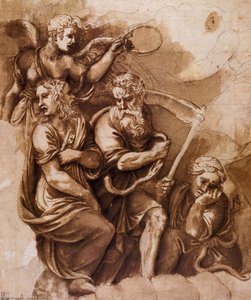
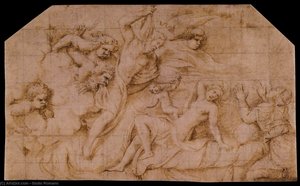
While deeply rooted in the Renaissance tradition, Giulio Romano’s artistic trajectory soon diverged from the prevailing emphasis on classical balance and harmony. He became a key figure in the development of Mannerism – a style characterized by its artificiality, elegance, and often unsettling distortions of form. Influenced profoundly by Michelangelo's powerful figures and dynamic compositions, as well as a broader climate of artistic experimentation, Giulio began to embrace asymmetry, tension, and emotional intensity in his work. This wasn’t a rejection of Renaissance ideals so much as a deliberate exploration of their limits, pushing beyond the constraints of naturalism to create works that were more expressive and intellectually stimulating. He increasingly modified Raphael's plans, injecting a new sensibility into Roman art—a statement of Mannerism on a grand scale. This shift is readily apparent in his drawings, which exhibit a remarkable freedom of line and a penchant for dramatic foreshortening.Mantua’s Master: Palazzo Te and Architectural Innovation
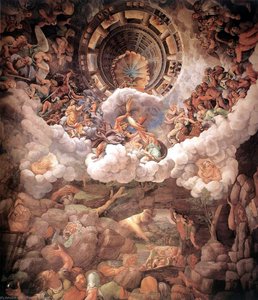
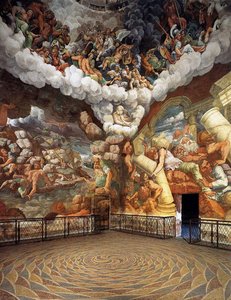
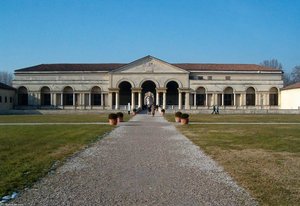
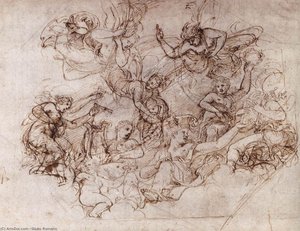
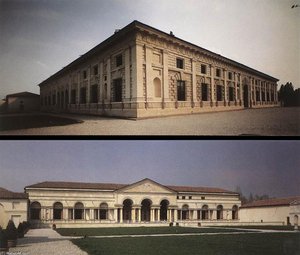
In 1524, Giulio accepted the invitation of Federico Gonzaga, Duke of Mantua, to become court painter and architect. This marked a turning point in his career, providing him with unprecedented creative freedom and resources. He essentially became responsible for all artistic activity within the duchy, overseeing not only paintings and frescoes but also architectural projects, garden designs, and even theatrical productions. His most celebrated achievement during this period is undoubtedly Palazzo Te, an extraordinary suburban villa that stands as a testament to his innovative genius. The palace’s interiors are adorned with illusionistic frescoes of breathtaking complexity and psychological depth. The *Sala dei Giganti* (Hall of the Giants), for example, depicts a chaotic battle between gods and giants, engulfing the viewer in a swirling vortex of figures and architectural fragments. This masterful manipulation of space and perspective creates an immersive experience that is both awe-inspiring and unsettling. Beyond Palazzo Te, Giulio also undertook significant renovations to Mantua’s ducal palace and cathedral, leaving an indelible mark on the city's urban landscape.Legacy and Lasting Influence
Giulio Romano died in Mantua in 1546, leaving behind a legacy that extended far beyond Italy’s borders. His drawings were highly prized by collectors, and engravings based on his work – particularly those by Marcantonio Raimondi – played a crucial role in disseminating Italian artistic styles throughout Europe. He was so famous after his death that he is the only “modern” artist mentioned by William Shakespeare in a play—a testament to his widespread renown. His influence can be seen in the works of numerous subsequent artists, who adopted his dynamic compositions, elongated figures, and expressive use of color. While Mannerism eventually gave way to other stylistic movements, Giulio Romano’s contributions remain essential to understanding the evolution of Western art. He represents a pivotal moment—a transition from the harmonious ideals of the High Renaissance to the more complex and emotionally charged aesthetic of the late 16th century. His work continues to captivate and challenge viewers today, reminding us of the power of art to both reflect and shape our understanding of the world.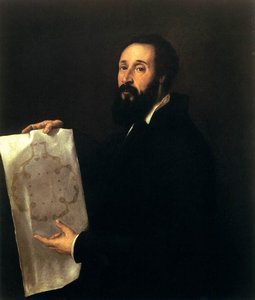
Giulio Romano
1499 - 1546 , Italy
Quick Facts
- Artistic Movement Or Style: Mannerism
- Artists Or Movements Influenced By This Artist: ['Mannerist artists']
- Artists Who Influenced This Artist:
- Raphael
- Michelangelo
- Date Of Birth: c. 1499
- Date Of Death: November 1, 1546
- Full Name: Giulio Romano
- Nationality: Italian
- Notable Artworks:
- The Fire in the Borgo
- Palazzo Te
- Villa Madama
- Place Of Birth: Rome, Italy
Related Articles
Giulio Romano: A Master of Mannerism & the Palazzo Te Legacy
Explore the revolutionary art of Giulio Romano, master of Mannerism & architect of Palazzo Te. Discover his influence, investment potential, and stunning frescoes – a guide for discerning collectors.
The Enduring Legacy of Formal Portraiture: Power, Identity & Artistic Exploration
Explore the rich history of formal portraiture & its enduring power to capture identity and shape perception. Discover investment-worthy artworks, expert appraisals, and custom reproduction services at ArtsDot.
The Grandeur of Presence: Exploring Representations of Stately Bearing in Western Portraiture
Explore the art of stately bearing in Western portraiture with expert analysis of Renaissance & Baroque masterpieces. Discover symbolism, techniques, and the legacy of iconic portraits – a guide for discerning collectors.
Sir Nathaniel Dance-Holland: Portraiture, Patronage & Georgian Identity
Explore the life & art of Sir Nathaniel Dance-Holland, a leading Georgian portraitist. Discover his masterful technique, influential patrons, and lasting impact on 18th-century British society. A guide for discerning collectors.
The Enduring Gaze: Portraiture's Historical & Psychological Evolution
Explore the rich history of portraiture with expert analysis from ArtsDot. Discover iconic Renaissance masterpieces, symbolism & techniques that shaped identity. Find museum-quality art for your collection.