 Preview
 Send
Send Share
Share
 Details

 Download
 Similars
 X-Ray
X-Ray Diaporama
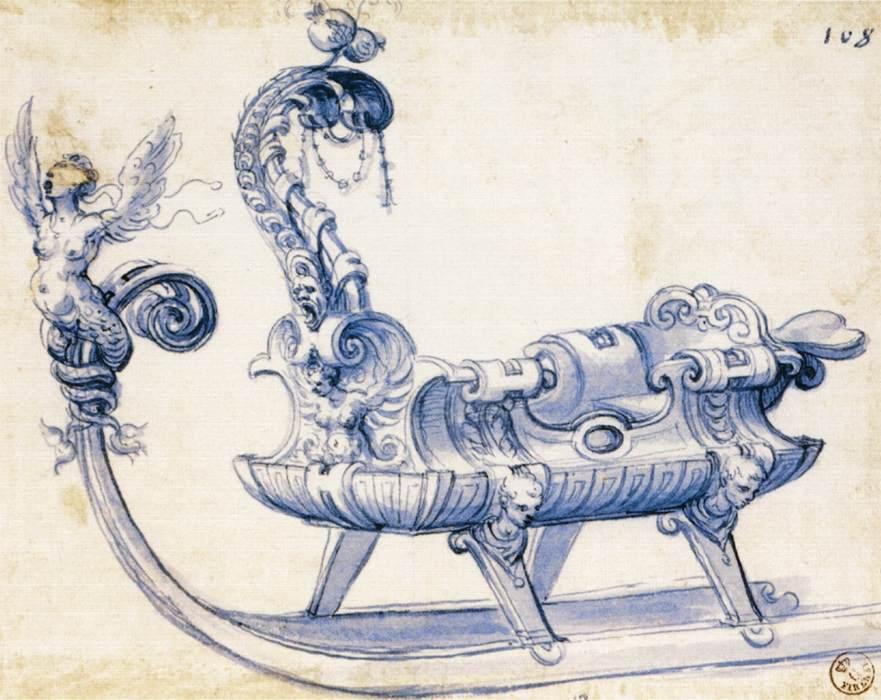
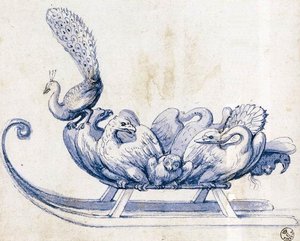
Sketch for a sleigh
 Acrylic
- WallArt
- Mannerist Style
 1585
1585 138.0 x 174.0 cm
 Galleria degli Uffizi
 Read More
Hand Made Oil Reproduction
Hand-painted oil on canvas in your size and frame, made to order by our artists. ( Buy Print Buy Image)




P118B $10

P118H $10

P118W $10

P438Z $10

P508JH $12

P508YH $12

P805H $10

P805Z $10

P919BZ $10

P919G $10

P919XJ $10

P959ZH $10

P968JZ $12

W106C $8

W218G $10

W218JH $8

W218Y $10

W307PJ $10

W316G $10

W316PJ $8

W316Y $10

W398PJ $8

W4111J $10

W500HY $15

W500JH $15

W692G $12

W849H $8

W940BG $15

W953PJ $8




Pick from our preset sizes that match the artwork's original proportions.

You may enter your own dimensions to fit a specific frame or space. If your selected size does not match the original image's proportions, we will either crop the artwork or extend the painting with additional hand-painted elements. A digital mockup will be sent for your approval before production begins.
Please note that the on-screen preview does not reflect the actual cropping or extension. Only the mockup will accurately show the final composition.
While custom sizes are available, we recommend selecting a dimension from the predefined list to preserve the original proportions.
After order, ArtsDot.com team will email client for instructions and provide a mockup preview
Worldwide Delivery () in 3/4 weeks instead of standard 5 weeks. (16 August). No compromise on quality.

Free Worldwide Express Shipping

High-Quality Linen Canvas

Full Shipping Insurance

Customs Tax Refund Guarantee

True Color Matching Guarantee

60-Day Return Policy (Defects Only)

100% Money-Back Guarantee

Bulk Discount Offer
 Glass option is only available in size under 110 CM

Sketch for a sleigh
Reproduction Medium
Reproduction Size
-


Total Price
$ 263
Artwork Description
A Frozen Vision of the Renaissance
Giuseppe Arcimboldo's “Sketch for a Sleigh,” created in 1585 and currently residing within the hallowed halls of the Galleria degli Uffizi in Florence, is far more than just a charming winter scene. It’s a dazzling demonstration of the artist’s singular genius – a meticulously constructed composite portrait that embodies the spirit of the Mannerist period while simultaneously offering a profound meditation on nature, identity, and the fleeting beauty of life itself. This pen drawing, rendered with remarkable detail and vibrant color despite its age, invites us into a world where familiar objects transform into an elaborate, almost surreal, human form.

The Anatomy of an Allegory
At the heart of the composition lies a magnificent sleigh, predominantly rendered in rich blues and accented with intricate patterns – a testament to the opulence favored during the Renaissance. Perched atop this festive vehicle is a striking bird, likely a peacock given its size and the fan-like structure of its tail feathers. This avian figure isn’t merely decorative; it acts as a focal point, drawing the eye and contributing significantly to the overall sense of dynamism within the artwork. Arcimboldo's genius lies in his ability to seamlessly integrate disparate elements – fruits, vegetables, architectural fragments, and even musical instruments – into a cohesive whole, creating an image that is both visually arresting and intellectually stimulating.
The work’s Mannerist style is immediately apparent. Mannerism, flourishing in the late 16th century, prioritized elegance, artificiality, and complex compositions over the naturalism of the High Renaissance. Arcimboldo masterfully employs this approach, layering objects upon one another to create a sense of depth and illusion, challenging the viewer’s perception of reality. The meticulous detail with which each element is rendered – from the delicate veins of a leaf to the polished surface of a wooden beam – speaks volumes about the artist's skill and dedication.
A Window into Arcimboldo’s World
Giuseppe Arcimboldo (1527-1593) was a truly unique figure in Renaissance art. Born in Milan, he initially worked as a court painter, creating portraits for the Habsburg emperors in Vienna and Prague. However, it was his innovative approach to portraiture – constructing faces entirely from assembled objects – that cemented his legacy. His work wasn’t simply about visual trickery; it was deeply rooted in Renaissance intellectual currents, particularly Neo-Platonism, which explored the interconnectedness of all things through symbolism and allegory. The “Sketch for a Sleigh” exemplifies this approach, inviting viewers to contemplate themes of transformation, mortality, and the cyclical nature of time.
Considered a pioneer of the still life genre, Arcimboldo’s art reflects the Renaissance fascination with both the natural world and human intellect. His use of everyday objects – fruits, vegetables, books – elevates them to the realm of symbolic representation, transforming them into powerful metaphors for complex ideas. The inclusion of elements like putti (cherubs) further enhances the allegorical nature of the work, suggesting themes of innocence, joy, and divine grace.
Bringing Arcimboldo Home
ArtsDot offers exquisite, hand-painted reproductions of “Sketch for a Sleigh,” allowing you to bring this remarkable artwork into your home or office. Our skilled artisans meticulously recreate Arcimboldo’s intricate details and vibrant colors using the finest archival materials, ensuring that your reproduction will last for generations to come. Whether you're an art enthusiast, a collector, or simply seeking a unique piece of décor, our reproductions provide a stunning tribute to one of the Renaissance’s most imaginative artists. Explore our collection today and discover the magic of Arcimboldo’s world.
Related Artworks

Artist Biography
A World Reimagined: The Enigmatic Art of Giuseppe Arcimboldo
Giuseppe Arcimboldo, a name that conjures images both whimsical and profoundly strange, remains one of the most singular figures in Renaissance art. Born in Milan in 1527, his career unfolded against the backdrop of a Europe steeped in intellectual ferment, religious upheaval, and an insatiable curiosity about the natural world. While initially recognized for more conventional works – frescoes adorning cathedrals and portraits adhering to established courtly standards – Arcimboldo’s enduring legacy rests upon a series of composite heads constructed entirely from meticulously arranged objects: fruits, vegetables, flowers, books, even musical instruments. These weren't mere playful exercises in visual trickery; they were complex allegories, imbued with symbolism that resonated deeply within the Renaissance worldview and continue to fascinate audiences today. His father, Biagio Arcimboldo, was an artist himself, providing young Giuseppe with early artistic training and likely influencing his initial foray into design work for stained glass windows and frescoes at Milan Cathedral beginning around 1549. This foundational experience honed his technical skill and eye for detail—qualities that would become hallmarks of his later, more unconventional creations.Courtly Commissions and the Rise of a Unique Style
Arcimboldo’s trajectory took a significant turn in 1562 when he was appointed court portraitist to Ferdinand I at the Habsburg court in Vienna. This marked the beginning of over two decades serving as an artistic polymath for three successive Habsburg rulers: Maximilian II and his son, Rudolf II. Beyond painting portraits – though even these often displayed subtle eccentricities – Arcimboldo’s duties encompassed costume design, festival decorations, and the organization of imperial collections. It was within this environment of refined taste and intellectual curiosity that his signature style began to blossom. The courtly demand for novelty and spectacle provided fertile ground for experimentation, allowing him to move beyond traditional portraiture towards the creation of his celebrated “composite heads.” These weren’t born from a sudden impulse but evolved gradually, building upon Renaissance fascination with puzzles, riddles, and the exploration of hidden meanings within seemingly ordinary objects. The influence of earlier artists who experimented with *trompe l'oeil* effects and distorted perspectives can be detected, yet Arcimboldo synthesized these elements into something entirely his own—a unique visual language that challenged conventional notions of representation.Decoding the Symbolism: More Than Meets the Eye
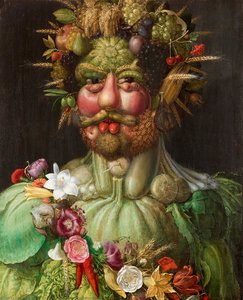
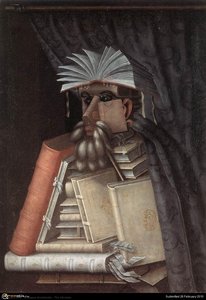
To dismiss Arcimboldo’s work as mere whimsicality is to overlook its profound intellectual depth. Each object within his composite portraits was carefully chosen, laden with symbolic meaning related to the sitter's character, profession, or social status. *The Librarian*, for example, isn’t simply a face constructed from books; it’s a subtle critique of scholarly pretension—a commentary on those who amass knowledge without truly engaging with its content. The animal tails forming the beard represent dusters, hinting at neglected volumes gathering dust on shelves. Similarly, his portraits of the seasons – particularly *Vertumnus*, depicting Emperor Rudolf II as the Roman god of gardens and change – are rich in botanical symbolism, reflecting the emperor’s patronage of science and natural history. These weren't intended to be immediately deciphered; they were designed to provoke contemplation, inviting viewers to unravel layers of meaning hidden within the seemingly playful arrangement of objects. The very act of constructing a human likeness from inanimate matter served as a meditation on the interconnectedness of all things—a reflection of Renaissance Neoplatonism’s belief in the underlying harmony of the universe.Legacy and Rediscovery: A Precursor to Surrealism
Despite his success during his lifetime, Arcimboldo's reputation waned in the centuries following his death in 1593. His work was often relegated to the realm of curiosities—appreciated for its technical skill but dismissed as lacking serious artistic merit. It wasn’t until the 20th century that a renewed appreciation for his art emerged, fueled by the rise of Surrealism. Artists like Salvador Dalí recognized in Arcimboldo a kindred spirit—a visionary who dared to challenge conventional perceptions and explore the subconscious through unexpected juxtapositions of imagery. The influence of Arcimboldo can be seen in Dalí’s own dreamlike compositions and his fascination with metamorphosis and illusion. Today, Arcimboldo is celebrated as a pivotal figure in art history—a precursor to Surrealism whose innovative use of symbolism and playful distortion continues to inspire artists and captivate audiences worldwide. His paintings are housed in prestigious museums such as the Kunsthistorisches Museum in Vienna and the Louvre in Paris, ensuring that his unique vision will continue to resonate for generations to come. His legacy is a testament to the enduring power of imagination and the ability of art to transform our understanding of the world around us.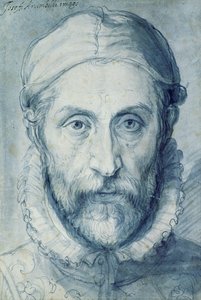
Giuseppe Arcimboldo
1527 - 1593 , Italy
Quick Facts
- Artistic Movement Or Style: Mannerism, Surrealism
- Artists Or Movements Influenced By This Artist:
- Salvador Dalí
- Surrealism
- Date Of Birth: April 5, 1527
- Date Of Death: July 11, 1593
- Full Name: Giuseppe Arcimboldo
- Nationality: Italian
- Notable Artworks:
- Floral Still Life
- The Four Seasons
- Vertumnus
- The Librarian
- Place Of Birth: Milan, Italy
Related Articles

Uffizi's 25 Masterpieces: Renaissance Art & Timeless Decor Inspiration
Journey through the Uffizi Gallery's 25 most iconic Renaissance artworks! Explore Botticelli, Leonardo da Vinci & Michelangelo’s masterpieces. Find museum-quality art reproductions and curated decor ideas to bring timeless Italian beauty into your home. Discover all masterpieces on ArtsDot.com
The Eloquent Line: Exploring the Artistic Significance of Sketches Across Movements and Media
Explore the profound artistic significance of sketches throughout history. From Renaissance masters to modern innovators like Van Gogh & Guston, discover how these foundational works reveal technique, emotion, and vision. Learn more at ArtsDot.
Mannerism's Masters: 10 Artworks That Redefined Renaissance Style | ArtsDot
Explore 10 defining Mannerism masterpieces – from Pontormo to El Greco. Discover the stories behind these Renaissance paintings, their unique style & symbolism. Find museum-quality art reproductions at ArtsDot.com and elevate your home decor.
Mannerism: Bridging Renaissance Harmony & Baroque Drama – A Study of Style & Affectation
Explore the fascinating world of Mannerism! Discover its key characteristics, pioneering artists like Pontormo & Bronzino, and its pivotal role in bridging Renaissance harmony to Baroque drama. A comprehensive guide for art enthusiasts.
Ephemeral Lines: Exploring Emotional Resonance in Ink Sketching Traditions
Explore the profound art of ink sketching! Discover techniques to express emotion, master line work, and cultivate artistic sensitivity. Learn from historical masters & unlock your creative potential.