 Preview
 Send
Send Share
Share
 Details

 Download
 Similars
 X-Ray
X-Ray Diaporama
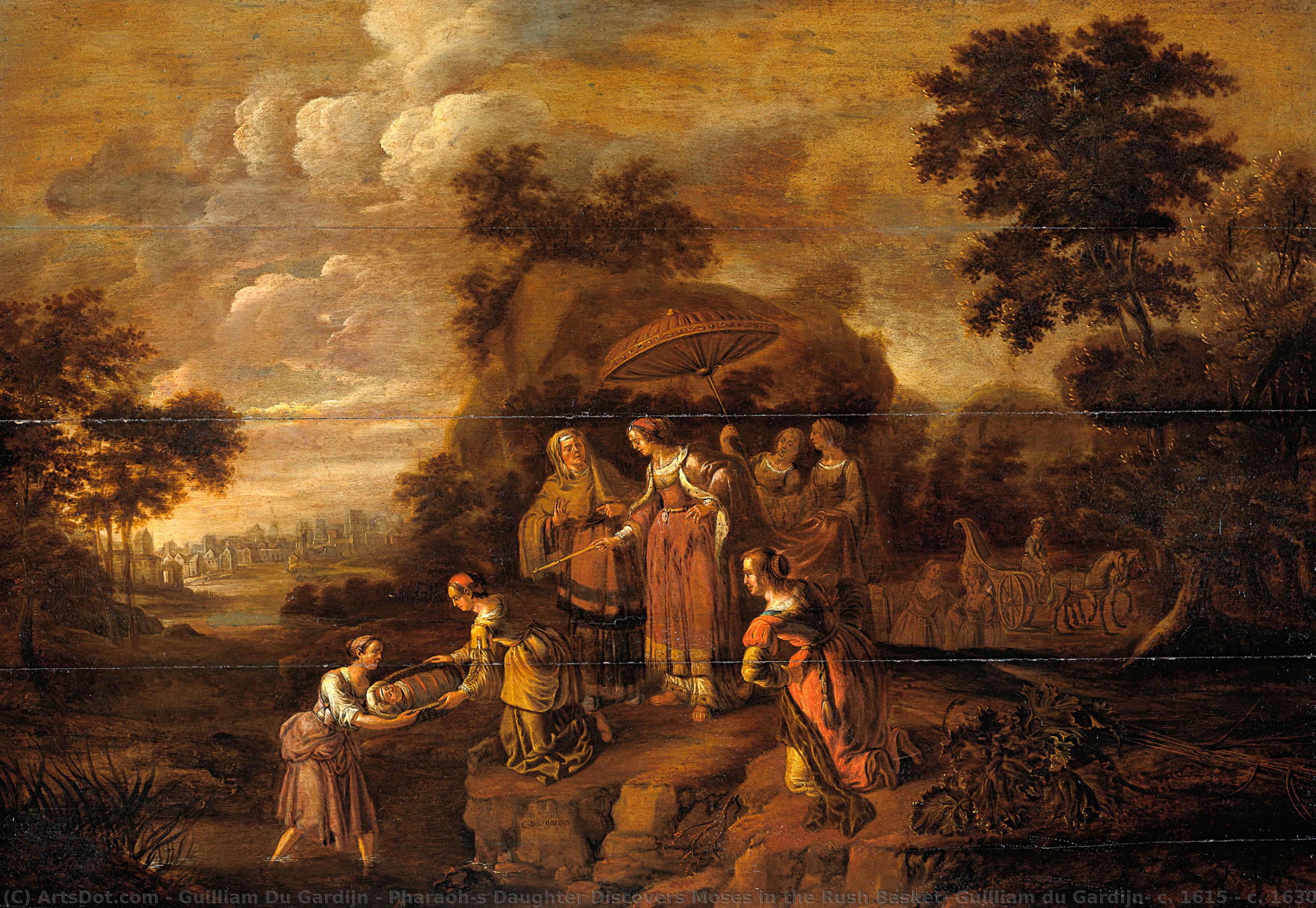
Pharaoh"s Daughter Discovers Moses in the Rush Basket, Guilliam du Gardijn, c. 1615 - c. 1630


 Read More
Giclée / Art Print
Museum-quality giclée or canvas print with fast production and flexible finish options. ( Buy Hand Made Painting Buy Image)




































Pick from our preset sizes that match the artwork's original proportions.

You may enter your own dimensions to fit a specific frame or space. If your selected size does not match the original image's proportions, we will either crop the artwork or extend the image with a mirrored or solid-fill edge. A digital mockup will be sent for your approval before production begins.
Please note that the on-screen preview does not reflect the actual cropping or extension. Only the mockup will accurately show the final composition.
While custom sizes are available, we recommend selecting a dimension from the predefined list to preserve the original proportions.
Worldwide Delivery () in 2 weeks instead of standard 4/5 weeks. (22 August)

Free Worldwide Express Shipping

High-Quality Linen Canvas

Full Shipping Insurance

Customs Tax Refund Guarantee

True Color Matching Guarantee

60-Day Return Policy (Defects Only)

100% Money-Back Guarantee

Bulk Discount Offer
 Glass option is only available in size under 110 CM

Pharaoh"s Daughter Discovers Moses in the Rush Basket, Guilliam du Gardijn, c. 1615 - c. 1630
Giclée / Art Print
Reproduction Size
-


Total Price
$ 63
Collectible Description
Related Artworks
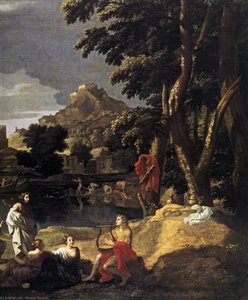
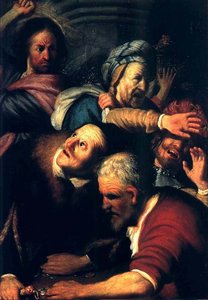
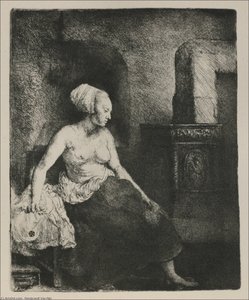
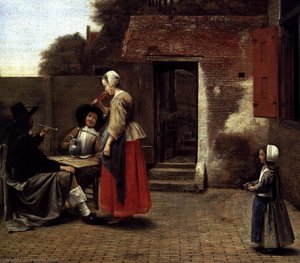

Artist Biography
early life and influences
guilliam du gardijn, a prominent figure in the dutch golden age, was born in cologne, germany, around 1595. despite the scarcity of information on his early life, it is evident that du gardijn's work significantly contributed to the landscape painting genre.artistic career and notable works
du gardijn's artistic career is marked by his role as a teacher to johann heinrich roos, who lived with him in his amsterdam atelier in 1647. this association suggests du gardijn's involvement with the german expat community in amsterdam, which had fled the thirty years war. notable works by du gardijn include:- italianate landscapes with ruins, often featuring biblical scenes and human-like trees.
- a series of drawings inspired by pieter coecke van aelst's turkish figures.
- several pieces are housed in the stedelijk museum alkmaar and the rijksmuseum in amsterdam.
museological significance and legacy
du gardijn's contributions to the dutch golden age are undeniable. his work, though not as widely recognized as some of his contemporaries, offers a unique perspective on the era. key points:**- active in amsterdam during the 17th century.
- associated with the german expat community.
- notable for italianate landscapes and turkish figure drawings.
further exploration at ArtsDot.com
for a deeper dive into du gardijn's world, explore these links:- guilliam du gardijn's artist page
- the museum stedelijk museum amsterdam, netherlands
- johan mari henri ten kate's artist page
conclusion
guilliam du gardijn, a dutch golden age landscape painter from germany (1595-1647), left an indelible mark on the art world. through his enigmatic yet captivating works, we glimpse the essence of 17th-century amsterdam's artistic community. delve into the world of du gardijn and the dutch golden age through ArtsDot.com's extensive collection.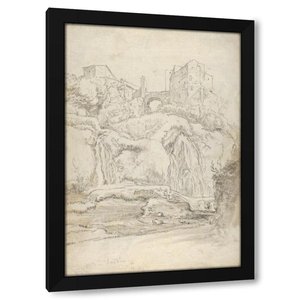
guilliam du gardijn
1595 - 1647 , Germany
Quick Facts
- Artistic Movement Or Style: Baroque; Tenebrism
- Artists Or Movements Influenced By This Artist: ['Baroque Painting']
- Artists Who Influenced This Artist: ['Caravaggio']
- Date Of Birth: September 29, 1571
- Date Of Death: July 18, 1610
- Full Name: Michelangelo Merisi da Caravaggio
- Nationality: Italian
- Notable Artworks:
- The Musicians
- The Death of the Virgin
- David with the Head of Goliath
- Supper at Emmaus
- Place Of Birth: Milan, Italy
Related Articles

Dutch Baroque Masters: 10 Paintings That Shaped an Era | ArtsDot
Journey through the Golden Age with our guide to the Top 10 Dutch Baroque masterpieces! Explore iconic paintings by Rembrandt, Vermeer & Frans Hals. Find museum-quality art reproductions and elevate your home decor at ArtsDot.com.

Golden Age Reflections: Dutch Baroque Painting & Cultural Innovation
Explore the Dutch Golden Age of painting! Discover key artists like Vermeer & ter Borch, their innovative techniques, and the rich cultural context behind these Baroque masterpieces. Learn about collecting & appreciating this iconic art period.
Illuminating a Century of Change: Artistic Expression & Societal Shifts in 17th-Century Europe
Explore the artistic brilliance of the 17th-century Dutch Golden Age & Baroque period. Discover Rembrandt, genre painting, and chiaroscuro techniques. Expert insights for art lovers & collectors.

Baroque Masterpieces: 10 Paintings That Defined an Era |
Journey through the drama & grandeur of Baroque art! Explore 10 masterpieces by Caravaggio, Rembrandt, Rubens & more. Discover stunning oil paintings, rich colors & timeless stories. Find museum-quality reproductions at .
Illuminating Shadows: A Comprehensive Exploration of 17th-Century Painting – Themes, Techniques, and Enduring Legacy
Explore the captivating world of 17th-century painting! Discover Baroque masters like Rembrandt & Caravaggio, learn about chiaroscuro techniques, and delve into Dutch Golden Age realism. Expert insights for art lovers & collectors.