

 Preview
 Send
Send Share
Share
 Details

 Download
 Similars
 X-Ray
X-Ray Diaporama
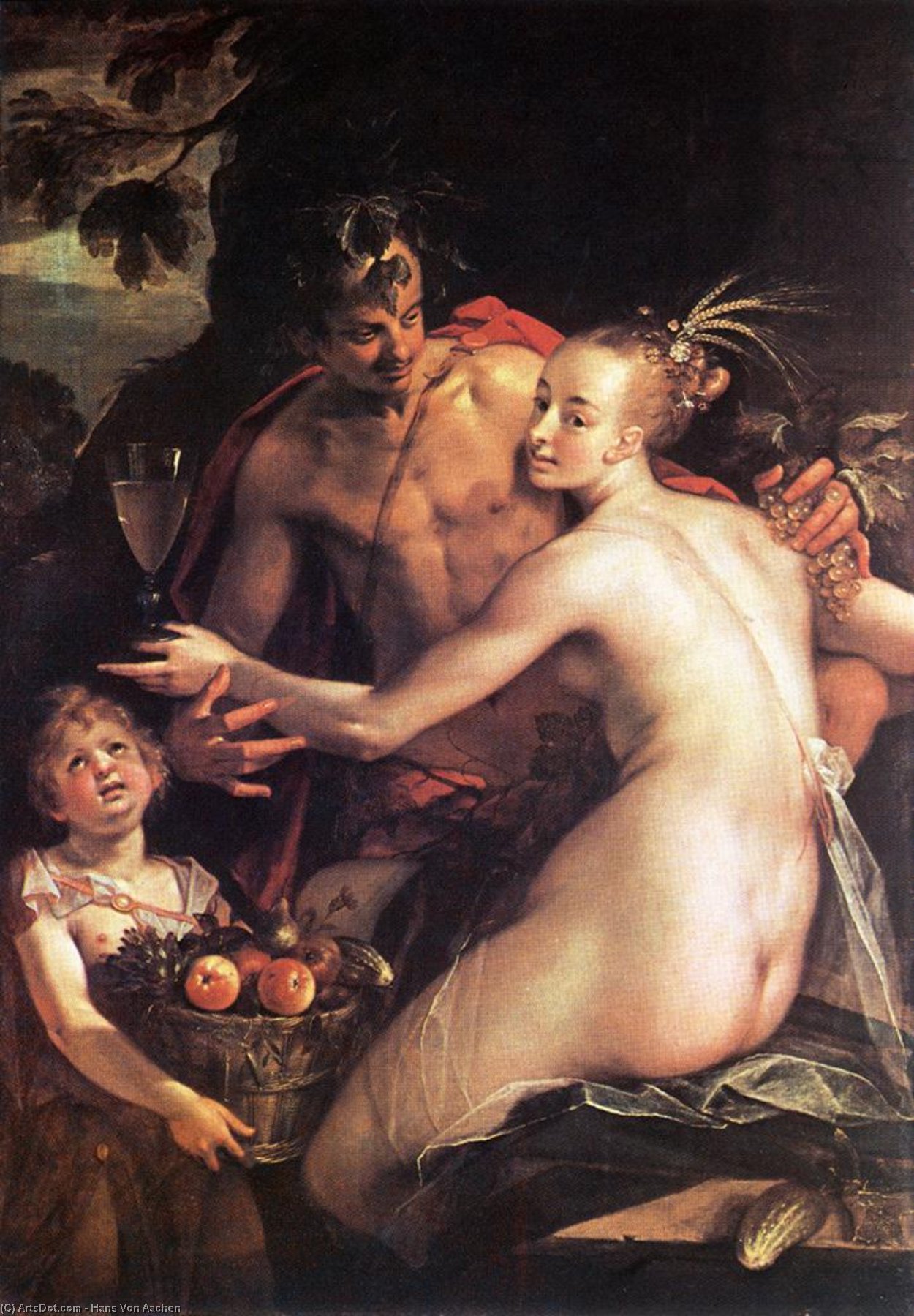
Bacchus, Ceres and Cupid
 Acrylic On Canvas
- WallArt
- Northern Mannerism
 163.0 x 113.0 cm
 Kunsthistorisches Museum
 Read More
Purchase a high-resolution, enhanced digital image, far superior to the online preview.
Each file is meticulously prepared by our in-house specialists using advanced tools and expert manual retouching. We ensure every image has exceptional clarity, precise color accuracy, and fine detail.
The final file is delivered via email within 72 hours, optimized for immediate use in professional, editorial, and print environments. This is the same quality trusted by top-tier design studios, publishers, and galleries.
Digital Image
Download a high-resolution file for personal display, printing, and creative projects. ( Buy Print Buy Hand Made Painting)
Included in Every Digital Image Order
Expert Digital Delivery, Guaranteed
When you choose ArtsDot.com, you're not just getting an image - you're receiving a professionally enhanced digital artwork, crafted with precision and backed by a satisfaction guarantee. Here's everything that comes with your order, automatically:

Fast Email Delivery
Your high-resolution digital image file will be emailed to you within 72 hours of ordering - ready for immediate use.

AI-Enhanced Digital File
Your artwork is professionally optimized using advanced AI tools and manual editing, ensuring maximum detail, clarity, and color accuracy.

Free Lifetime Re-Delivery
Accidentally deleted or lost your file? No worries - we'll resend it to you anytime, free of charge.

No Import Fees - Ever
Enjoy your artwork instantly with zero customs, duties, or delivery fees - digital downloads are always tax-free.

Color Accuracy Guarantee
We ensure your digital image reflects the original colors as closely as possible using professional tools and color management.

60-Day Satisfaction Guarantee
If you're not satisfied with your digital image, we'll revise it or refund 100% within 60 days - no questions asked.

100% Money-Back Guarantee
Not satisfied? Get a full refund within 60 days of receiving your digital file - no questions asked.

Bulk Order Discounts
Buy 3 images, save 10% - Buy 5, save 15% - Buy 10+, save 20%. Great for creative projects, galleries, and agencies.
Collectible Description
Bacchus, Ceres, and Cupid: A Baroque Dance of Divine Excess
Hans von Aachen’s “Bacchus, Ceres, and Cupid,” painted likely in the late 16th century, is more than just a depiction of mythological figures; it's a vibrant distillation of the Northern Mannerist style – a period characterized by its dramatic contrasts, elongated forms, and an intense exploration of psychological depth. The painting, now residing within the Kunsthistorisches Museum in Vienna, offers a glimpse into the artistic currents flowing between Italy, Germany, and beyond during this transformative era. Von Aachen’s work stands out not merely for its technical skill but also for its ability to imbue classical subjects with a palpable sense of energy and sensuality, reflecting the tastes of powerful patrons like Emperor Rudolf II of Prague.
The composition immediately draws the eye into a dynamic interplay of figures. Dominating the left side is Bacchus, the god of wine, rendered in robust musculature and adorned with a leafy crown – symbols of his intoxicating domain. His expression is one of unrestrained joy, a boisterous celebration that spills outwards, inviting the viewer to partake in his revelry. To his right sits Ceres, the goddess of agriculture, embodying abundance and fertility. She’s depicted with serene grace, holding a basket overflowing with fruits – a visual testament to her role as provider and sustainer. Finally, Cupid, the mischievous god of love, darts across the scene, an arrow poised in his hand, representing desire and passion. The positioning of these three deities isn't merely decorative; it’s carefully orchestrated to suggest a narrative arc—a dance between indulgence, sustenance, and the driving force of romantic longing.
A Mannerist Masterpiece: Technique and Style
Von Aachen’s mastery lies in his skillful manipulation of light and shadow, a hallmark of the Baroque style that was beginning to emerge during this period. The painting is bathed in dramatic chiaroscuro – stark contrasts between light and dark – which sculpts the figures and creates a sense of theatricality. Notice how the musculature of Bacchus is highlighted against the darker background, emphasizing his power and vitality. The elongated forms characteristic of Mannerism are evident throughout, lending an air of elegance and sophistication to the scene. Von Aachen’s brushwork is remarkably detailed, particularly in the rendering of drapery and the intricate patterns on the figures' attire. This meticulous attention to detail speaks to both his technical proficiency and his desire to capture the textures and nuances of the world around him.
The color palette is rich and vibrant, dominated by deep reds, golds, and blues – colors associated with royalty, wealth, and divine power. These hues are juxtaposed against earthy tones, creating a visual tension that mirrors the painting’s thematic complexity. The background landscape, rendered in muted greens and browns, serves as a grounding element, anchoring the figures within a believable, albeit stylized, setting.
Symbolism and Historical Context
“Bacchus, Ceres, and Cupid” is steeped in classical mythology, but it also carries layers of symbolic meaning. The arrangement of the three deities alludes to the Roman proverb “Sine Cerere et Bacchus friget Venus,” or "Without Ceres and Bacchus, Venus would freeze"—a reminder that pleasure, abundance, and love are essential components of a fulfilling life. The painting reflects the artistic tastes of Emperor Rudolf II, who was known for his patronage of both art and science, and whose court in Prague became a hub for cultural exchange between Northern and Southern Europe.
Von Aachen’s work is deeply intertwined with the broader context of the Renaissance and Mannerism. He drew inspiration from Italian masters like Raphael and Michelangelo, but he also incorporated elements of Netherlandish realism – particularly in his attention to detail and his use of light and shadow. His paintings were highly sought after by European nobility, who commissioned them as symbols of wealth, power, and sophistication.
A Timeless Appeal: Reproduction and Interpretation
Today, “Bacchus, Ceres, and Cupid” continues to captivate viewers with its dramatic composition, vibrant colors, and profound symbolism. Reproductions offer a wonderful opportunity to bring this masterpiece into your home or office, allowing you to appreciate its beauty and complexity on a daily basis. When selecting a reproduction, consider the quality of materials used – a high-quality print on archival paper will ensure that the colors remain true for years to come. Whether displayed as a statement piece in a grand salon or as a subtle accent in a smaller room, this painting’s enduring appeal is sure to spark conversation and inspire contemplation.
Related Artworks
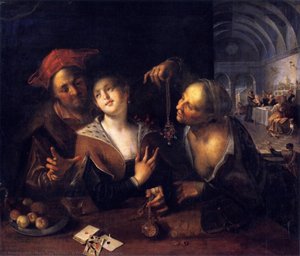
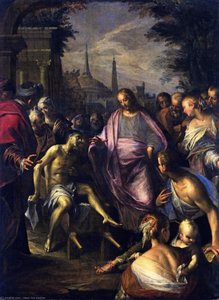
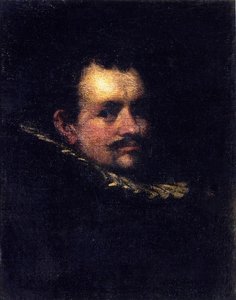
Artist Biography
early life and training
hans von aachen, a german painter, was born in 1552 in the city of cologne. little is known about his early life, but it is believed that he received his artistic training in the workshop of leonardus sievenhoven, a local painter.artistic style and influences
von aachen's work is characterized by the use of vivid colors and dramatic compositions, typical of the mannerist style. his paintings often featured elongated figures, intricate details, and a sense of tension, which was influenced by the works of el greco (domenikos theotokopoulos). some of his notable works include:- the crucifixion (1585), a painting showcasing his use of bold colors and dramatic lighting.
- the last judgment (1590), a work that demonstrates his ability to balance multiple figures in a single composition.
- portrait of an unknown lady (1595), a portrait that highlights his skill in capturing the subtleties of human expression.
notable collections and exhibitions
von aachen's works can be found in various museums, including:- gemäldegalerie alte meister, dresden, germany - featuring an extensive collection of european paintings from the 15th to the 18th centuries.
- museum ostdeutsche galerie, regensburg, germany - showcasing a unique collection of eastern german art.
legacy
hans von aachen passed away in 1615, leaving behind a legacy of intricate and emotionally charged paintings. his work continues to inspire artists and art enthusiasts alike, offering a unique glimpse into the world of mannerist art. discover more about hans von aachen's life and works on ArtsDot.com: [https://ArtsDot.com/@@/a@d3aquv](https://ArtsDot.com/@@/a@d3aquv) | discovering the museum ostdeutsche galerie (germany)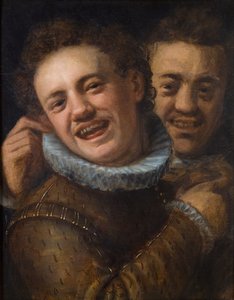
Hans von Aachen
1552 - 1615 , Germany
Quick Facts
- Artistic Movement Or Style: Mannerist Painting
- Artists Or Movements Influenced By This Artist: ['Renaissance Art']
- Artists Who Influenced This Artist: ['El Greco']
- Date Of Birth: 1552 Cologne, Germany
- Date Of Death: 1615
- Full Name: Hans von Aachen
- Nationality: German
- Notable Artworks:
- The Crucifixion
- The Last Judgment
- Portrait of an Unknown Lady
- Place Of Birth: Cologne

