 Preview
 Send
Send Share
Share
 Details

 Download
 Similars
 X-Ray
X-Ray Diaporama
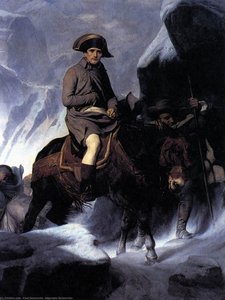
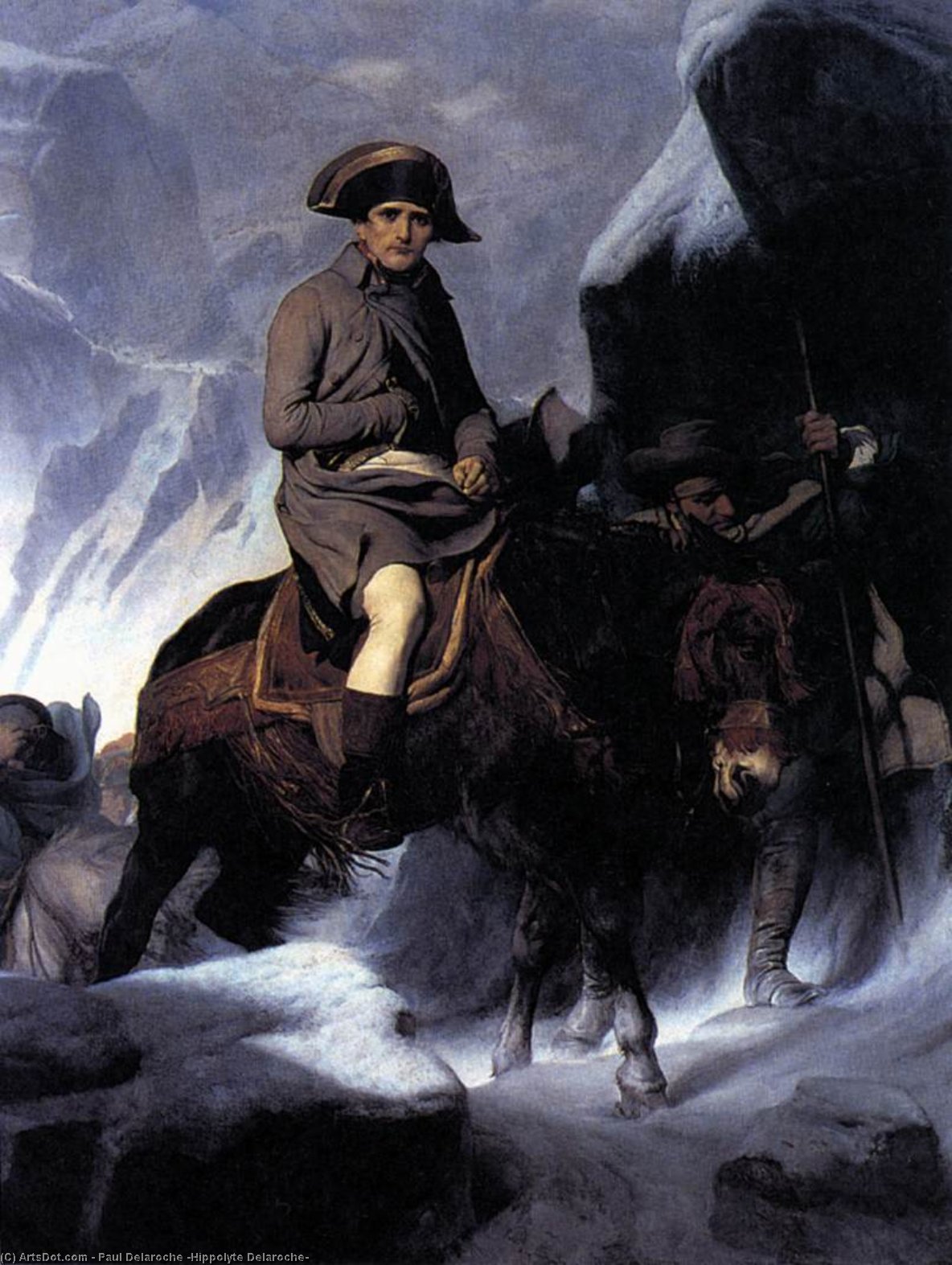
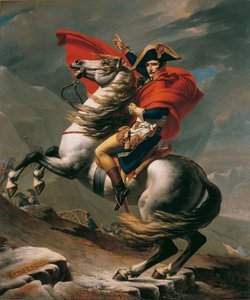
Bonaparte Crossing the Alps
 Oil On Canvas
- WallArt
- Romantic Tradition
 1848
1848- 19th Century
 289.0 x 222.0 cm
 The Louvre
 Read More
Giclée / Art Print
Museum-quality giclée or canvas print with fast production and flexible finish options. ( Buy Hand Made Painting Buy Image)




P118B $10

P118H $10

P118W $10

P438Z $10

P508JH $12

P508YH $12

P805H $10

P805Z $10

P919BZ $10

P919G $10

P919XJ $10

P959ZH $10

P968JZ $12

W106C $8

W218G $10

W218JH $8

W218Y $10

W307PJ $10

W316G $10

W316PJ $8

W316Y $10

W398PJ $8

W4111J $10

W500HY $15

W500JH $15

W692G $12

W849H $8

W940BG $15

W953PJ $8




Pick from our preset sizes that match the artwork's original proportions.

You may enter your own dimensions to fit a specific frame or space. If your selected size does not match the original image's proportions, we will either crop the artwork or extend the image with a mirrored or solid-fill edge. A digital mockup will be sent for your approval before production begins.
Please note that the on-screen preview does not reflect the actual cropping or extension. Only the mockup will accurately show the final composition.
While custom sizes are available, we recommend selecting a dimension from the predefined list to preserve the original proportions.
Worldwide Delivery () in 2 weeks instead of standard 4/5 weeks. (22 August)

Free Worldwide Express Shipping

High-Quality Linen Canvas

Full Shipping Insurance

Customs Tax Refund Guarantee

True Color Matching Guarantee

60-Day Return Policy (Defects Only)

100% Money-Back Guarantee

Bulk Discount Offer
 Glass option is only available in size under 110 CM

Bonaparte Crossing the Alps
Giclée / Art Print
Reproduction Size
-


Total Price
$ 63
Collectible Description
A Cinematic Encounter with History
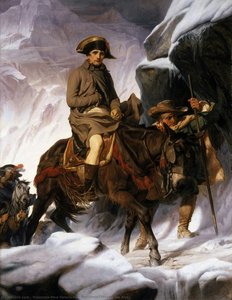
In the grand theater of nineteenth-century French art, few works command the viewer's attention with such immediate, dramatic presence as Hippolyte Paul Delaroche’s “Bonaparte Crossing the Alps.” Completed around 1850, this masterpiece serves as a breathtaking window into a pivotal moment of European transformation. Rather than offering a static portrait, Delaroché presents a visual chronicle of Napoleon Bonaparte’s audacious military maneuver through the treacherous mountain passes in the spring of 1800. The painting captures the very essence of French Romanticism, where the raw power of nature meets the indomitable will of man. As your eyes traverse the canvas, you are not merely observing a historical event; you are swept into the biting chill of the Alpine winds and the heavy, rhythmic breathing of a weary but determined expedition.
The composition is a masterclass in narrative tension. At the heart of the scene sits Napoleon, yet Delaroché makes a profound departure from the idealized, heroic imagery popularized by Jacques-Louis David. Instead of a conqueror atop a rearing, spirited stallion, we find a more grounded and human figure. The presence of the mule—a choice that speaks to the grueling reality of the journey—introduces a layer of pragmatic realism that is both humbling and deeply moving. This subtle shift in subject matter invites collectors and art enthusiasts to contemplate the grit required for greatness, making the piece an intellectually stimulating addition to any curated collection.
The Mastery of Light and Texture
Technically, the painting is a triumph of Academic precision blended with Romantic emotion. Delaroché utilizes oil on canvas to create a rich, tactile experience, where every brushstroke contributes to the atmospheric depth of the scene. His command of chiaroscuro—the dramatic interplay between light and shadow—is nothing short of extraordinary. The way the pale, cold light of the mountain sun catches the folds of Napoleon’s military uniform and illuminates the swirling snow creates a sense of three-dimensional space that feels almost palpable. This technique does more than just define form; it heightens the emotional stakes, casting the rugged landscape in a light that feels both monumental and menacing.
For the interior designer or art lover seeking a focal point for a sophisticated space, the painting’s tonal gradations offer unparalleled versatility. The subtle interplay of muted earth tones, the stark whites of the snow-covered peaks, and the deep, commanding shadows provide a sophisticated palette that can anchor a room with a sense of timelessness. The meticulous detail—from the weathered textures of the mountain rocks to the weary expressions of the accompanying soldiers—ensures that the artwork rewards prolonged contemplation, offering new layers of discovery with every viewing.
A Symbol of Perseverance and Ambition
Beyond its surface beauty, “Bonaparte Crossing the Alps” resonates with profound symbolic depth. The landscape itself acts as a character in the drama; the formidable, jagged peaks of the Alps embody the insurmountable obstacles that Napoleon sought to overcome. This serves as a powerful metaphor for human ambition and the relentless pursuit of destiny. To possess a reproduction of this work is to bring into one's environment a symbol of perseverance, strategic brilliance, and the courage to face the unknown.
Whether displayed in a grand library, a formal study, or a contemporary living space, this painting transcends mere decoration. It is an invitation to reflect on the intersection of history and human spirit. For those looking to invest in high-quality reproductions that capture the soul of the nineteenth century, Delaroché’s work offers a rare opportunity to own a piece of the dramatic narrative that shaped the modern world, providing both aesthetic elegance and a profound sense of historical continuity.
Related Artworks
Artist Biography
The Master of Historical Drama: The Life and Legacy of Paul Delaroche
In the vibrant, turbulent landscape of nineteenth-century French art, few figures commanded the stage with as much dramatic presence as Hippolyte Paul Delaroche. Born in Paris in 1797 into a family where art was woven into the very fabric of daily life, Delaroche was destined for greatness. With a father serving as an art expert and an uncle curating the prestigious Cabinet des Estampes, his childhood was an immersive education in visual splendor. This early exposure to the masters provided him with more than just aesthetic appreciation; it instilled a profound respect for the weight of history and the power of a single, well-placed brushstroke. Under the mentorship of Antoine-Jean Gros, Delaroche began to master the art of the grand narrative, learning how to infuse monumental subjects with a sense of breathless immediacy that would become his hallmark.
Delaroche’s artistry occupied a fascinating, liminal space between the sweeping emotionalism of Romanticism and the disciplined precision of Academicism. While many of his contemporaries were lost in pure abstraction or rigid neoclassicism, Delaroche sought a middle path—a pragmatic realism that aimed to strip away the idealized veneer of history to reveal its raw, human core. He did not merely paint kings and queens; he painted their vulnerability, their terror, and their quietest moments of despair. This approach allowed him to bridge the gap between the grandiosity of the past and the burgeoning realism of his own era, making historical events feel startlingly present to a mid-century audience.
A Tapestry of Emotion and Precision
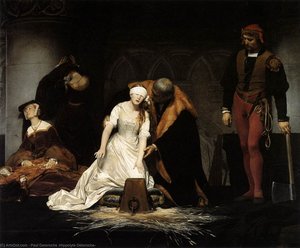
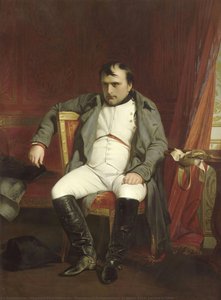
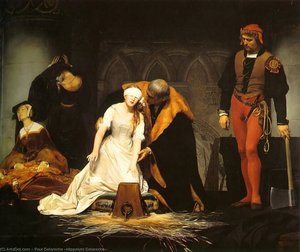
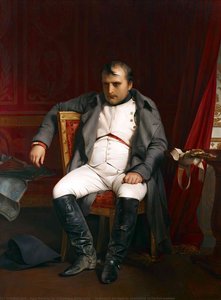
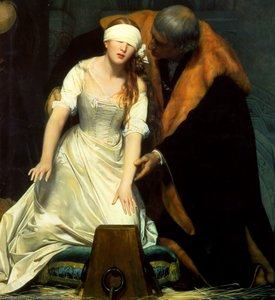
The true genius of Delaroche lay in his ability to transform a canvas into a theatrical stage. His works often functioned as visual chronicles, meticulously researched and rendered with a breathtaking attention to detail that captivated the public imagination. In masterpieces such as The Execution of Lady Jane Grey, one can feel the heavy, suffocating atmosphere of tragedy. The painting is not merely a depiction of an event; it is an exploration of innocence lost, achieved through a masterful use of light and shadow that guides the viewer's eye toward the poignant, silent grief of the protagonists. Similarly, his depictions of Napoleon—whether in the solemnity of Napoléon at Fontainebleau or the heroic scale of Napoleon Crossing the Alps—demonstrate his ability to balance the legendary status of the figure with a deeply humanizing touch.
Beyond his solo triumphs, Delaroche’s influence rippled through the Parisian art scene as a respected educator and mentor. His studio became a crucible for the next generation of French masters, fostering talents such as:
- Thomas Couture, who would further refine the boundaries of historical painting;
- Jean-Léon Gérôme, a titan of Academic realism;
- Jean-François Millet, whose later work would pivot toward the profound dignity of peasant life.
Through these connections, Delaroche’s stylistic DNA—characterized by meticulous glazing techniques and an emotive narrative structure—became embedded in the very foundation of French painting.
The Enduring Resonance of a Vanished Past
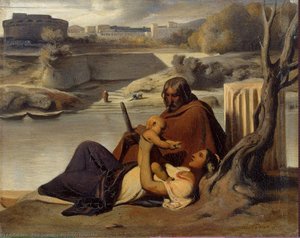
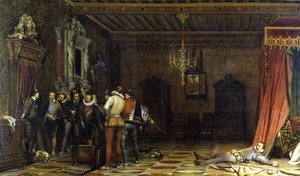
As the nineteenth century progressed, the art world underwent rapid transformations, yet the works of Delaroche remained a steadfast anchor for those seeking the spectacle of history. He possessed a unique ability to evoke a sense of nostalgia for a vanished era, treating subjects from English and French history with an equal measure of reverence and realism. Whether he was capturing the tender familial devotion in Resting on the Banks of the Tiber or the violent political upheaval in The Murder of the Duke of Guise, his work always sought to find the universal human truth beneath the historical costume.
Though the era of grand history painting eventually gave way to the fleeting impressions of the Impressionists, Delaroche’s legacy remains unshakeable. He stands as a pivotal bridge in art history, a painter who could command the grandeur of the old world while embracing the psychological depth required by the new. His canvases continue to invite us into the past, not as distant, dusty relics, but as living, breathing moments of profound human experience, forever preserved in the exquisite detail of his brush.
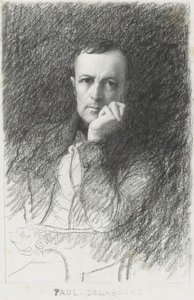
hippolyte-paul delaroche
1797 - 1856 , France
Quick Facts
- Artistic Movement Or Style: Romanticism & Neoclassicism
- Artists Or Movements Influenced By This Artist: ['Thomas Couture']
- Artists Who Influenced This Artist: ['Antoine Jean Gros']
- Date Of Birth: July 17, 1797
- Date Of Death: November 4, 1856
- Full Name: Hippolyte Paul Delaroche
- Nationality: French
- Notable Artworks:
- The Execution of Lady Jane Grey
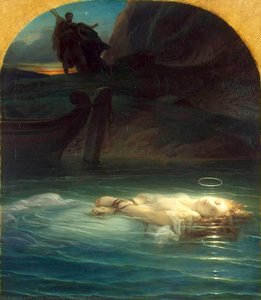
- Young Christian Martyr
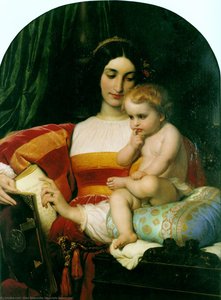
- A Child Learning to Read
- Place Of Birth: Paris, France
Related Articles
Romantic Realism's Finest: 10 Masterpieces for Your Home | ArtsDot
Explore 10 defining masterpieces of Romantic Realism! Discover Courbet, Millet & Daumier's powerful paintings—capturing emotion and social realities. Find museum-quality reproductions for your home at ArtsDot.com.
Hippolyte Delaroche: History Painting & the Spectacle of a Vanished Past
Explore the captivating historical paintings of Hippolyte Delaroche, a master of Romantic realism. Discover his dramatic scenes, meticulous detail & lasting influence on 19th-century art. Learn more at ArtsDot.
Émile Jean Horace Vernet: Romantic Realism & Depicting 19th-Century Life
Explore the life & art of Émile Jean Horace Vernet, a master of Romantic Realism. Discover his captivating battle scenes, portraits, and Orientalist works – a window into 19th-century France. Learn about his techniques & enduring legacy.
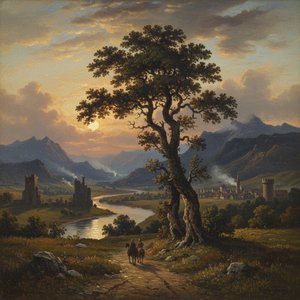
Paul Huet: Capturing the Essence of French Romanticism Through Light and Landscape
Explore the captivating world of Paul Huet (1803-1869), a master of French Romantic landscape painting. Discover his influence on Barbizon & Impressionism, and browse high-quality reproductions at ArtsDot.
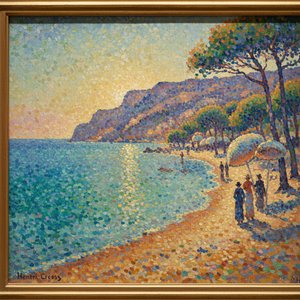
Henri Edmond Cross: A Pioneer of Neo-Impressionism & the Divisionist Aesthetic
Explore the life & art of Henri Edmond Cross, a pivotal Neo-Impressionist painter. Discover his innovative divisionist technique, political affiliations, and lasting influence on modern art movements like Fauvism. Learn about key works & legacy.