 Preview
 Send
Send Share
Share
 Details

 Download
 Similars
 X-Ray
X-Ray Diaporama
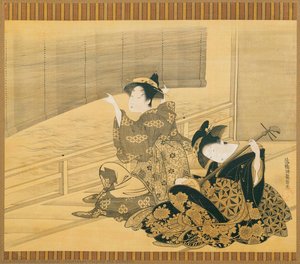
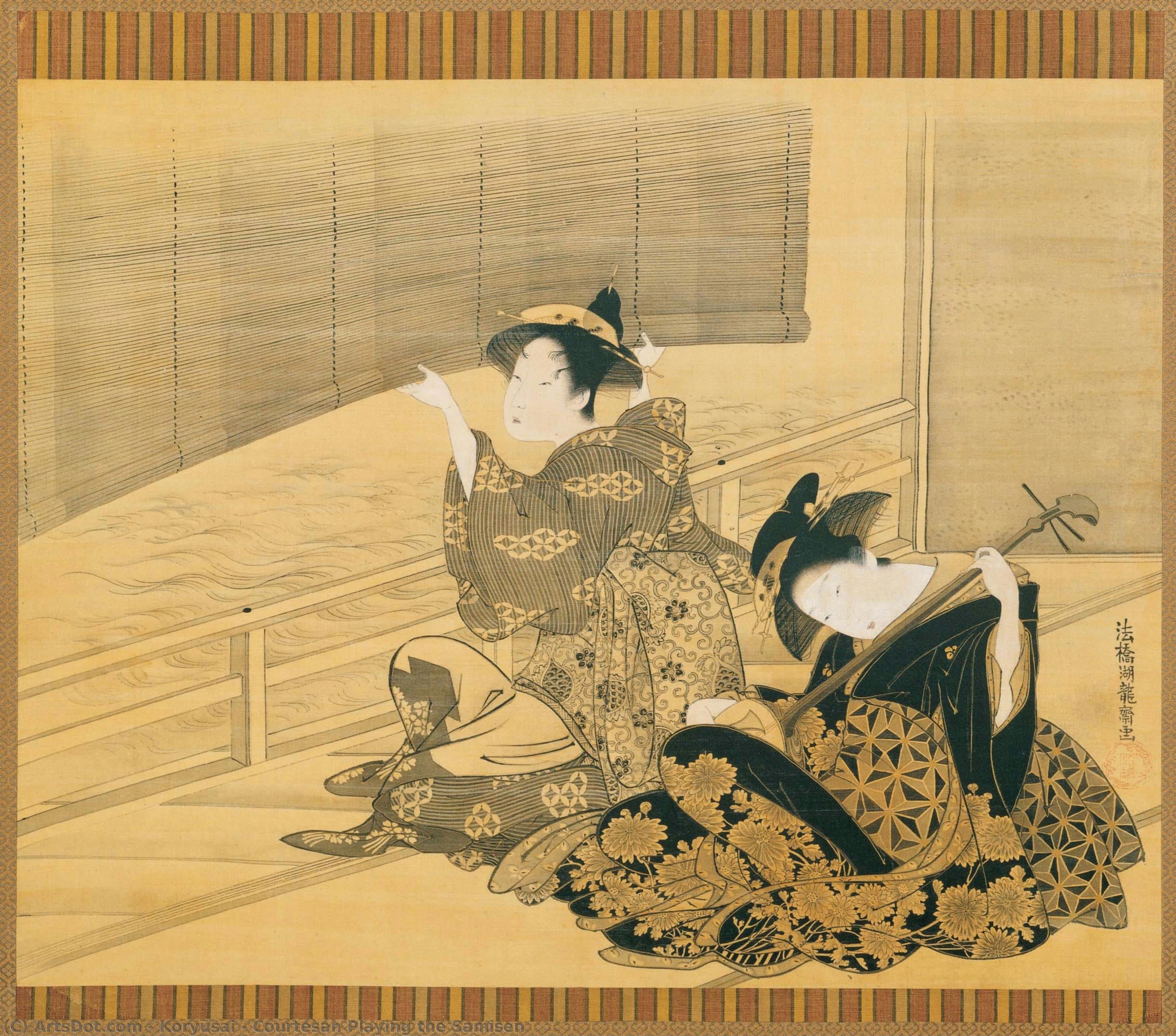
Courtesan Playing the Samisen
 Acrylic On Canvas
- WallArt
- Japanese Landscape Printmaking
 1785
1785 39.0 x 49.0 cm
 Kimbell Art Museum
 Read More
Giclée / Art Print
Museum-quality giclée or canvas print with fast production and flexible finish options. ( Buy Hand Made Painting Buy Image)




P118B $10

P118H $10

P118W $10

P438Z $10

P508JH $12

P508YH $12

P805H $10

P805Z $10

P919BZ $10

P919G $10

P919XJ $10

P959ZH $10

P968JZ $12

W106C $8

W218G $10

W218JH $8

W218Y $10

W307PJ $10

W316G $10

W316PJ $8

W316Y $10

W398PJ $8

W4111J $10

W500HY $15

W500JH $15

W692G $12

W849H $8

W940BG $15

W953PJ $8




Pick from our preset sizes that match the artwork's original proportions.

You may enter your own dimensions to fit a specific frame or space. If your selected size does not match the original image's proportions, we will either crop the artwork or extend the image with a mirrored or solid-fill edge. A digital mockup will be sent for your approval before production begins.
Please note that the on-screen preview does not reflect the actual cropping or extension. Only the mockup will accurately show the final composition.
While custom sizes are available, we recommend selecting a dimension from the predefined list to preserve the original proportions.
Worldwide Delivery () in 2 weeks instead of standard 4/5 weeks. (27 August)

Free Worldwide Express Shipping

High-Quality Linen Canvas

Full Shipping Insurance

Customs Tax Refund Guarantee

True Color Matching Guarantee

60-Day Return Policy (Defects Only)

100% Money-Back Guarantee

Bulk Discount Offer
 Glass option is only available in size under 110 CM

Courtesan Playing the Samisen
Giclée / Art Print
Reproduction Size
-


Total Price
$ 63
A Moment Frozen in Tranquility: Isoda Koryūsai’s Courtesan Playing the Samisen
The Edo period witnessed an extraordinary flourishing of artistic expression, and amongst its luminaries shone Isoda Koryūsai (1735–1790), a name synonymous with refined beauty and masterful technique. His woodblock print, “Courtesan Playing the Samisen,” transcends mere depiction; it captures a fleeting glimpse into the opulent world of Japanese entertainment—a scene imbued with subtle symbolism that speaks volumes about its time and enduring appeal. This artwork isn’t simply observed; it's felt – a testament to Koryūsai’s ability to distill complex emotions into a deceptively simple composition.The Scene Unfolds: Composition and Atmosphere
Executed in 1785, the print presents a meticulously crafted tableau of aristocratic leisure. A young courtesan occupies the left side of the canvas, her gaze directed outwards towards a tranquil river vista framed by bamboo blinds. Beside her sits an attendant diligently playing a samisen—a traditional lute—creating a dynamic interplay between stillness and movement. The artist’s genius lies in his masterful use of diagonal lines emanating from the verandah railing, drawing the viewer's eye across the scene and establishing a palpable sense of openness and serenity. This deliberate arrangement reflects the prevailing aesthetic sensibilities of the era – an emphasis on balance and harmony achieved through careful consideration of visual elements.A Symphony of Color: Palette and Texture
Despite its monochrome appearance—primarily shades of brown, beige, and cream—the print is far from devoid of vibrancy. Subtle tonal variations skillfully convey depth and texture, mirroring the natural world beyond the bamboo blinds. Hints of green punctuate the landscape, symbolizing renewal and vitality, while intricate patterns adorning the kimono of the courtesan – and subtly visible on the attendant’s clothing – demonstrate Koryūsai's unparalleled command of decorative motifs. The textures achieved through woodblock printing are remarkable; the bamboo blinds appear slightly rough, hinting at their materiality, and the fabrics shimmer with understated elegance—a testament to the meticulous craftsmanship involved in its creation.Symbolism Woven into Detail: Chrysanthemums and Bamboo
Beyond its visual beauty lies a rich tapestry of symbolism rooted in Japanese culture. The chrysanthemums adorning the courtesan’s kimono are universally recognized as emblems of autumn’s arrival and the cycle of life—a poignant reminder of impermanence amidst beauty. Simultaneously, the bamboo blinds represent privacy and seclusion – reflecting the idealized world of the pleasure quarters where refined conversation and contemplation reigned supreme. These elements coalesce to create a profound meditation on themes of grace, elegance, and acceptance.The Legacy of Technique: Edo Woodblock Printing
“Courtesan Playing the Samisen” exemplifies the pinnacle of Edo woodblock printing—a technique perfected over centuries and characterized by painstaking precision. Koryūsai’s artisans meticulously carved designs onto wooden blocks, transferring ink with astonishing accuracy onto paper using a process that demanded considerable skill and patience. The resulting print captures not only an image but also the spirit of its time – embodying the aesthetic ideals of balance, harmony, and understated sophistication that defined Japanese art during the Edo period. It remains a captivating exemplar of artistic achievement, continuing to inspire admiration for its beauty and intellectual depth.Related Artworks
Artist Biography
The Soul of Edo: The Life and Legacy of Isoda Koryūsai
In the vibrant, bustling heart of the Edo period, a golden age of Japanese creativity, few names resonate with as much elegance and prolific energy as Isoda Koryūsai. Born in 1735 in the burgeoning metropolis of Tokyo—then known as Edo—Koryūsai was a man shaped by the dualities of his era. He descended from the noble Tsuchiya clan, a lineage steeped in samurai tradition. His early years were defined by the rigorous discipline of the warrior class, where he mastered the arts of calligraphy, swordsmanship, and Confucian ethics. However, the sudden death of his father transformed him into a rōnin, a masterless samurai. This shift from the structured life of an aristocrat to the uncertain freedom of a wanderer became the catalyst for his artistic metamorphosis, allowing him to trade the sword for the brush and find his true calling within the floating world of ukiyo-e.
Koryūsai’s emergence as a master designer was not a solitary journey but one deeply intertwined with the evolution of Japanese printmaking. Establishing himself near the iconic Ryōgoku Bridge in 1769, he positioned himself at the epicenter of Edo's entertainment and commercial life. His artistic DNA was profoundly shaped by his apprenticeship under the legendary Suzuki Harunobu. From Harunobu, Koryūsai inherited a refined sensitivity to color and a delicate approach to line, yet he possessed a unique ability to expand upon these foundations. While Harunobu is often celebrated for the invention of nishiki-e (brocade prints), Koryūsai took this technical revolution and applied it to a broader, more diverse range of subjects, blending the ethereal beauty of his mentor's style with a grounded, observational realism.
Mastery of the Floating World
The true brilliance of Koryūsai lies in his ability to capture the ephemeral moments of daily life, elevating the mundane to the level of high art. He became a preeminent master of bijin-ga, or pictures of beautiful women, where he utilized the intricate patterns of kimonos and the subtle grace of posture to tell stories of elegance and longing. His works, such as the evocative Courtesan Playing the Samisen, serve as windows into a lost era, showcasing a profound understanding of musicality and stillness. In these prints, every fold of silk and every tilt of a head is imbued with a sense of quiet drama, inviting the viewer to participate in the serene atmosphere of the Edo pleasure districts.
Beyond the portraits of beauties, Koryūsai’s repertoire was remarkably expansive, touching upon landscapes and seasonal allegories that resonated deeply with the Japanese psyche. He possessed a remarkable talent for integrating nature into his compositions, using symbolic flora to evoke specific emotions or times of year. In works like Autumn Beauty, he masterfully depicts women amidst wind-swept autumn leaves, creating a poetic dialogue between human grace and the transient beauty of the natural world. This ability to weave seasonal symbolism into his designs allowed him to create art that was both visually stunning and emotionally resonant, capturing the very essence of the ukiyo—the floating, fleeting world.
A Lasting Impression on Japanese Art
The historical significance of Isoda Koryūsai extends far beyond the borders of his own lifetime. As a prolific designer, his influence helped stabilize and expand the popularity of woodblock printing during one of Japan's most culturally significant centuries. His work bridged the gap between the delicate, dreamlike qualities of early ukiyo-e and the more robust, detailed styles that would follow in the nineteenth century. By documenting the fashions, social customs, and landscapes of Edo, he provided a visual archive of a civilization at its peak.
Today, Koryūsai’s legacy is preserved through his exquisite prints and paintings that continue to captivate collectors and historians alike. His contributions can be summarized by several key artistic achievements:
- Technical Innovation: The masterful application of multi-colored printing techniques learned from the Harunobu school.
- Genre Versatility: An unparalleled ability to move seamlessly between bijin-ga, seasonal landscapes, and scenes of daily life.
- Cultural Documentation: Providing a detailed visual record of the social hierarchies, fashion, and aesthetics of the Edo period.
- Emotional Depth: The infusion of subtle symbolism and atmospheric tension into seemingly simple compositions.
Through his brush, the transient beauty of the Edo period was rendered permanent, ensuring that the elegance of the rōnin-turned-artist would endure long after the era of the samurai had faded into history.
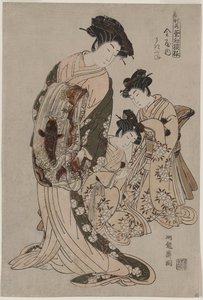
isoda koryūsai 磯田湖龍斎
1735 - 1790 , Japan
Quick Facts
- Artistic Movement Or Style: Ukiyo-e
- Artists Or Movements Influenced By This Artist: ['Harunobu']
- Artists Who Influenced This Artist: ['Suzuki Harunobu']
- Date Of Birth: Tokyo, Japan (1735)
- Full Name: Isoda Koryūsai
- Nationality: Japanese
- Notable Artworks:
- The Courtesan Sugawara of the Tsuruya and Her Attendant
- Begging for Alms
- Gibbon snatching sake pot from flower-viewing party
- Place Of Birth: Tokyo
Related Articles

Hokusai's Masterpieces: 25 Iconic Prints & Paintings for Art Lovers | ArtsDot
Journey through Katsushika Hokusai’s 25 most iconic artworks, including *The Great Wave*. Explore the ukiyo-e master's history, style & timeless Japanese woodblock prints. Find museum-quality reproductions for your home at ArtsDot.com.
Suzuki Harunobu: Pioneering Ukiyo-e & the Refinement of Edo Period Printmaking
Discover the revolutionary world of Suzuki Harunobu, a pioneer of ukiyo-e printmaking. Explore his exquisite nishiki-e techniques, diverse subjects & lasting impact on Japanese art history. Learn more at ArtsDot.
Floating World: The Captivating Art and Legacy of Japanese Ukiyo-e
Explore the profound beauty of Japanese Ukiyo-e. Discover the history, masters like Hokusai, and the enduring legacy of the 'Floating World' through an expert art-historical lens.
Ukiyo-e: Exploring Japan's Floating World & Enduring Artistic Legacy
Explore the captivating world of Ukiyo-e – Japan's iconic woodblock prints! Discover masters like Hokusai & Hiroshige, learn about Edo period culture, and find expert art collecting guidance at ArtsDot.
Serenity on Canvas: A Guide to the Timeless Beauty of Japanese Landscape Painting
Discover the serene beauty of Japanese landscape painting. From Hokusai's iconic woodblock prints to meditative sumi-e ink washes, explore a visual journey through the 'floating world' and learn how to bring this timeless Zen aesthetic into your modern home decor.