 Preview
 Send
Send Share
Share
 Details

 Download
 Similars
 X-Ray
X-Ray Diaporama
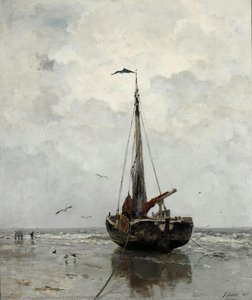
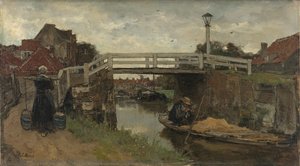
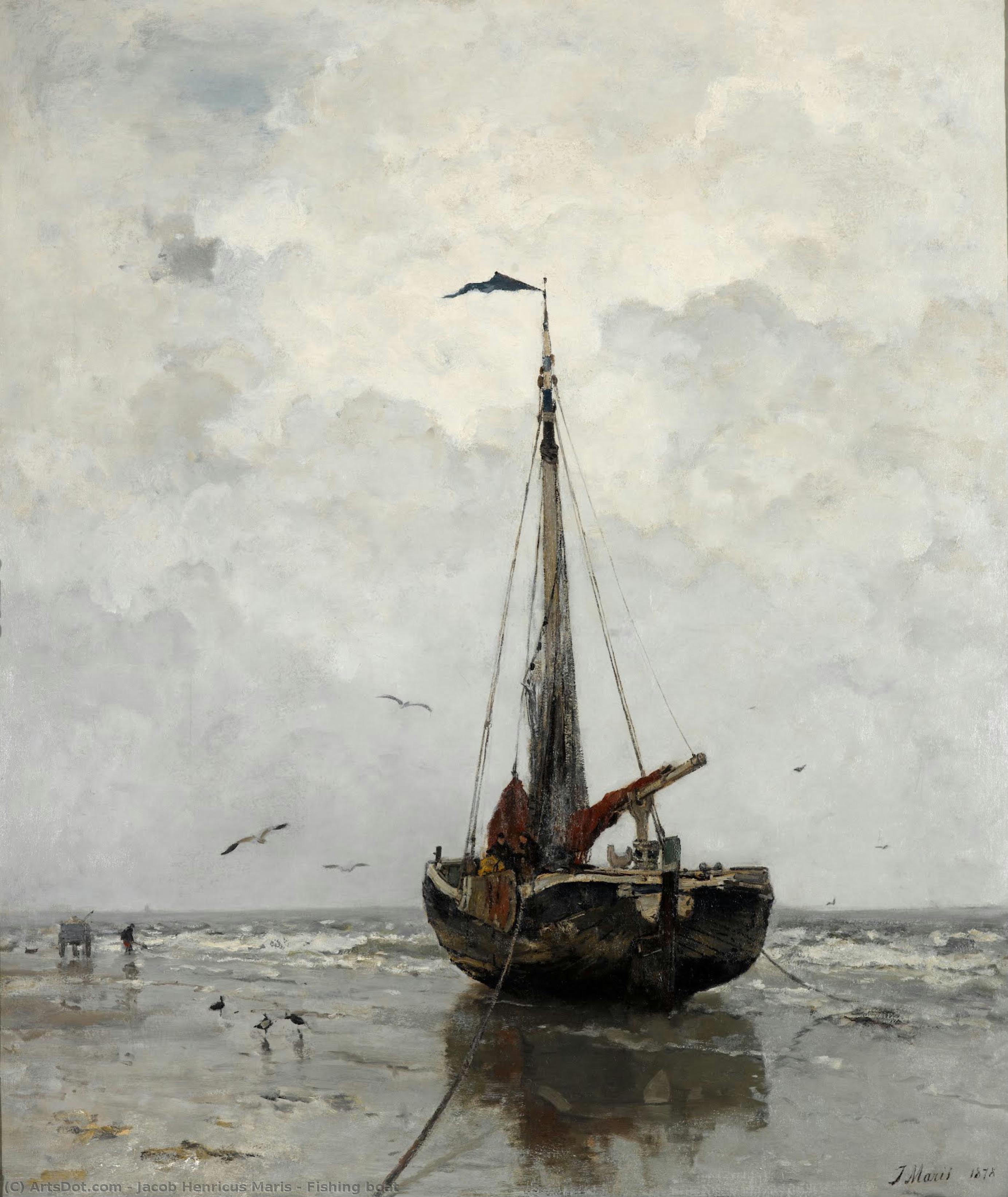
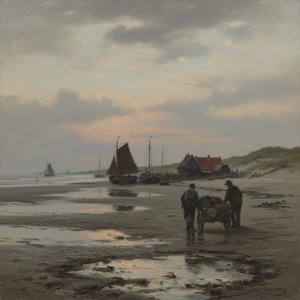
Fishing boat
 Acrylic On Canvas
- WallArt
- Hague School
 1878
1878 1400.0 x 1600.0 cm
 Kunstmuseum
 Read More
Hand Made Oil Reproduction
Hand-painted oil on canvas in your size and frame, made to order by our artists. ( Buy Print Buy Image)




P118B $10

P118H $10

P118W $10

P438Z $10

P508JH $12

P508YH $12

P805H $10

P805Z $10

P919BZ $10

P919G $10

P919XJ $10

P959ZH $10

P968JZ $12

W106C $8

W218G $10

W218JH $8

W218Y $10

W307PJ $10

W316G $10

W316PJ $8

W316Y $10

W398PJ $8

W4111J $10

W500HY $15

W500JH $15

W692G $12

W849H $8

W940BG $15

W953PJ $8




Pick from our preset sizes that match the artwork's original proportions.

You may enter your own dimensions to fit a specific frame or space. If your selected size does not match the original image's proportions, we will either crop the artwork or extend the painting with additional hand-painted elements. A digital mockup will be sent for your approval before production begins.
Please note that the on-screen preview does not reflect the actual cropping or extension. Only the mockup will accurately show the final composition.
While custom sizes are available, we recommend selecting a dimension from the predefined list to preserve the original proportions.
After order, ArtsDot.com team will email client for instructions and provide a mockup preview
Worldwide Delivery () in 3/4 weeks instead of standard 5 weeks. (17 August). No compromise on quality.

Free Worldwide Express Shipping

High-Quality Linen Canvas

Full Shipping Insurance

Customs Tax Refund Guarantee

True Color Matching Guarantee

60-Day Return Policy (Defects Only)

100% Money-Back Guarantee

Bulk Discount Offer
 Glass option is only available in size under 110 CM

Fishing boat
Reproduction Medium
Reproduction Size
-


Total Price
$ 263
Artwork Description
A Symphony in Silver Grey: Jacob Maris’s Fishing Boat
The Dutch fishing industry experienced a dramatic resurgence in the latter half of the nineteenth century following the lifting of restrictions imposed during the herring embargo of 1871. Artists like Jacob Henricus Maris captured this pivotal moment in maritime history, immortalizing the humble fishing boat – specifically Scheveningen’s fleet – in a painting that embodies the essence of the Hague School's grey period. This artwork isn’t merely a depiction of a vessel; it’s an exploration of atmosphere, emotion, and the enduring connection between man and nature.Historical Context: The Herring Embargo and Its Aftermath
Prior to 1871, Dutch herring fishing was hampered by stringent regulations designed to protect dwindling stocks. These restrictions severely impacted the livelihoods of countless fishermen and fueled economic anxieties across the region. Maris’s painting emerges from this context—a testament to resilience and a celebration of renewed prosperity. The subsequent decades witnessed substantial growth in the industry, transforming Scheveningen into a dominant force in European fisheries and bolstering its reputation as a picturesque coastal town.Style and Technique: Embracing Atmospheric Impressionism
Maris’s approach aligns perfectly with the Hague School's distinctive aesthetic—characterized by muted tonal palettes and an emphasis on capturing fleeting moments of light and shadow. Unlike brighter, more flamboyant styles prevalent at the time, Maris opted for a restrained palette dominated by silvery grey hues, punctuated only by subtle accents of blue in the pennant flag and a touch of red on the boat’s sail. This deliberate choice reflects the School's fascination with portraying landscapes imbued with psychological depth rather than simply presenting visual accuracy. Maris skillfully employed loose brushstrokes—a hallmark of Impressionism—to convey the movement of the sea and the vessel, creating an illusion of dynamism within the stillness of the scene.Symbolism: More Than Just a Boat
Beyond its literal representation, the fishing boat carries symbolic weight. It embodies hard work, tradition, and the connection between generations of fishermen who had persevered through hardship to achieve success. The solitary figure standing near the shore represents contemplation and observation—a quiet acknowledgement of the beauty and significance of this revitalized maritime heritage. Furthermore, Maris’s masterful use of colour – particularly the muted blues – evokes feelings of serenity and nostalgia for a bygone era.Emotional Impact: A Moment Frozen in Time
The painting's enduring appeal lies in its ability to transport viewers back to 1878 Scheveningen. The subdued tones invite contemplation, fostering a sense of peace and tranquility that contrasts sharply with the turbulent economic realities of the period. Maris’s depiction captures not just the visual appearance of the fishing boat but also its emotional resonance—a poignant reminder of the importance of preserving cultural traditions and appreciating the beauty found in simple landscapes. It stands as an exemplary illustration of how art can transcend mere representation to communicate profound feelings about human experience and connection with the natural world.Related Artworks
Artist Biography
Early Life and Training
- Born: August 25, 1837, The Hague, Netherlands
- Died: August 7, 1899, Karlsbad
Maris began his artistic journey with lessons from J.A.B. Stroebel (1849-1852), laying the foundation for his future career.
He formally studied at the Hague Academy of Art from 1850 to 1853, honing his skills and developing a nascent artistic style.
A pivotal moment arrived when an art dealer recognized Maris's talent and arranged for him to work in the studio of Hubertus van Hove, a significant influence early in his development.
His brother, Matthijs Maris, receiving a royal subsidy led to them working together, fostering a collaborative environment that further shaped their artistic paths.
Artistic Career and Style
Maris's career was marked by commercial success, with sales to collectors in the United States and Scotland demonstrating his growing reputation.
Travels through Germany, Switzerland, and France (1861) exposed him to diverse artistic styles, broadening his influences and contributing to stylistic evolution.
He became renowned for painting landscapes featuring rivers, mills, towpaths, and beach scenes with fishing boats, establishing a signature subject matter.
- Key Characteristics of His Style:
- Broad and larger brushstrokes created texture and movement within his paintings.
- Subdued colors contributed to the atmospheric quality of his landscapes.
- Emphasis on depicting clouds and their effects on the surrounding environment was a defining feature.
- He applied paint thickly, building it up and meticulously adjusting colors to achieve harmonious compositions.
Comparisons have been drawn between Maris's work and that of earlier Dutch masters like Jan van Goyen, Jacob van Ruisdael, and Johannes Vermeer, highlighting his connection to the rich tradition of Dutch landscape painting.
Major Works and Recognition
Maris is celebrated for a series of portraits of the Royal House of Orange, undertaken in collaboration with his brother Matthijs, showcasing his portraiture skills alongside his landscapes.
"Schip on the Scheveningen Beach" exemplifies his ability to capture coastal scenes with atmospheric depth and detail.
He became a member of Pulchri Studio in 1871, signifying his acceptance within the established artistic community.
From 1885 onwards, Maris achieved widespread recognition in the Netherlands, solidifying his position as a leader of the Hague School.
Historical Significance and Legacy
Maris's contribution to the Hague School is significant; he helped define its aesthetic characterized by realistic depictions of Dutch landscapes and an emphasis on atmospheric effects.
His influence extended beyond his lifetime, inspiring subsequent generations of artists with his distinctive style and approach to landscape painting.
His works can be found in prominent collections such as the Rijksmuseum, testament to their enduring artistic merit and historical importance.
Maris’s legacy lies in his ability to capture the essence of the Dutch countryside through a unique blend of observation, technique, and artistic vision.
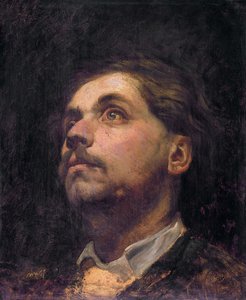
Jacob Henricus Maris
1837 - 1899 , Netherlands
Quick Facts
- Artistic Movement Or Style: Hague School
- Artists Or Movements Influenced By This Artist: Subsequent generations of artists
- Artists Who Influenced This Artist:
- Jan van Goyen
- Jacob van Ruisdael
- Johannes Vermeer
- Date Of Birth: August 25, 1837
- Date Of Death: August 7, 1899
- Full Name: Jacob Henricus Maris
- Nationality: Dutch
- Notable Artworks:
- Schip on the Scheveningen Beach
- Young Girl picking Flowers
- Strand bij avond
- Stadsgezicht
- Place Of Birth: The Hague, Netherlands
Related Articles
The Hague School: Realism, Atmosphere & the Dawn of Dutch Impressionism
Explore the Hague School's pivotal role in Dutch art history. Discover realism, atmospheric landscapes & its influence on Impressionism. Learn about key artists like Mauve & Maris with ArtsDot.
Jacob Henricus Maris: A Master of Dutch Atmospheric Realism & the Intimate Landscape
Explore the captivating world of Jacob Henricus Maris, a leading figure of the Dutch Hague School. Discover his atmospheric landscapes, signature brushstrokes & lasting influence on 19th-century art. Learn more at ArtsDot.
Boats on Canvas: 10 Masterpieces of Maritime Art for Your Home Decor
Sail away with 10 iconic boat paintings! Explore masterpieces by Monet, Van Gogh & Turner. Discover the stories behind these timeless seascapes and find museum-quality art reproductions for your home decor at ArtsDot.com.
Hendrik Willem Mesdag: Pioneering Impressionism & the Dutch Maritime Tradition
Explore the life & work of Hendrik Willem Mesdag, a pioneer of Dutch Impressionism and leading figure of the Hague School. Discover his captivating seascapes and the immersive Panorama Mesdag – a true masterpiece.
Jan Hendrik Weissenbruch: A Master of Dutch Realism & Atmospheric Light
Explore the captivating world of Jan Hendrik Weissenbruch, a master of Dutch Realism. Discover his atmospheric landscapes, influences, and legacy within the Hague School. Learn about this 19th-century artist's unique style & enduring impact.