 Preview
 Send
Send Share
Share
 Details

 Download
 Similars
 X-Ray
X-Ray Diaporama
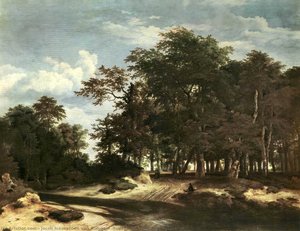
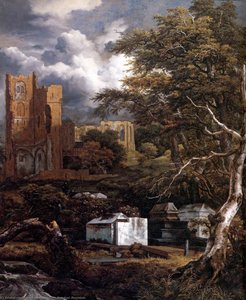
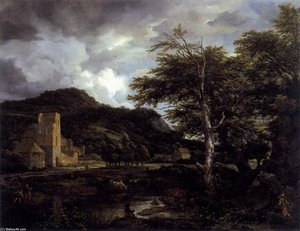
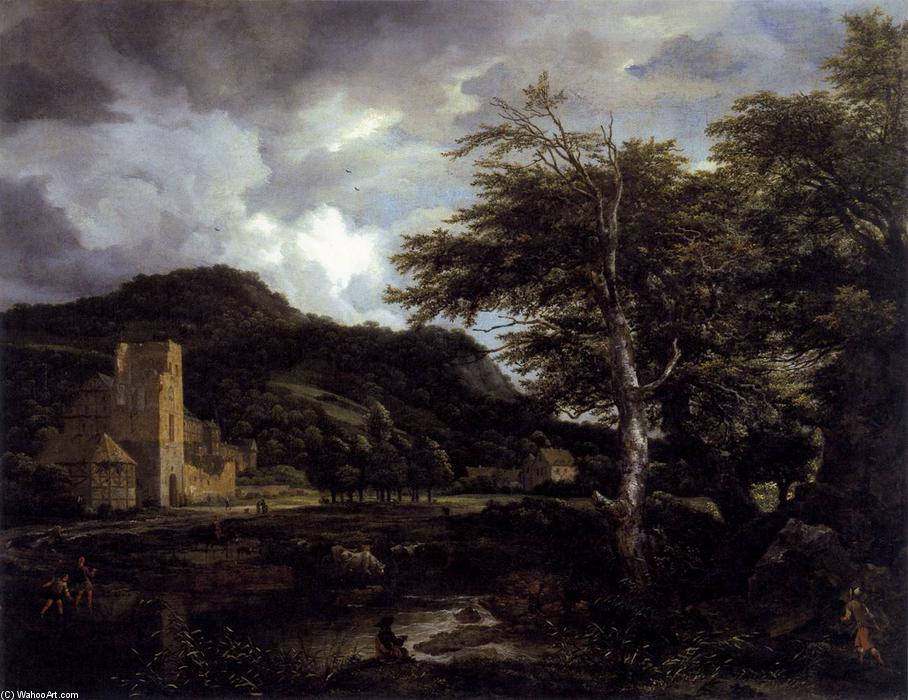
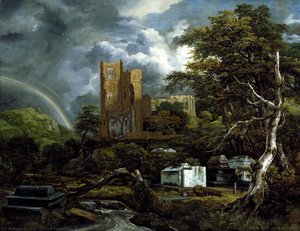
The Cloister
 Oil On Canvas
- WallArt
- Dutch Landscape Painting
 1650
1650- Early Modern
 75.0 x 96.0 cm
 Gemäldegalerie
 Read More
Hand Made Oil Reproduction
Hand-painted oil on canvas in your size and frame, made to order by our artists. ( Buy Print Buy Image)




P118B $10

P118H $10

P118W $10

P438Z $10

P508JH $12

P508YH $12

P805H $10

P805Z $10

P919BZ $10

P919G $10

P919XJ $10

P959ZH $10

P968JZ $12

W106C $8

W218G $10

W218JH $8

W218Y $10

W307PJ $10

W316G $10

W316PJ $8

W316Y $10

W398PJ $8

W4111J $10

W500HY $15

W500JH $15

W692G $12

W849H $8

W940BG $15

W953PJ $8




Pick from our preset sizes that match the artwork's original proportions.

You may enter your own dimensions to fit a specific frame or space. If your selected size does not match the original image's proportions, we will either crop the artwork or extend the painting with additional hand-painted elements. A digital mockup will be sent for your approval before production begins.
Please note that the on-screen preview does not reflect the actual cropping or extension. Only the mockup will accurately show the final composition.
While custom sizes are available, we recommend selecting a dimension from the predefined list to preserve the original proportions.
After order, ArtsDot.com team will email client for instructions and provide a mockup preview
Worldwide Delivery () in 3/4 weeks instead of standard 5 weeks. (16 August). No compromise on quality.

Free Worldwide Express Shipping

High-Quality Linen Canvas

Full Shipping Insurance

Customs Tax Refund Guarantee

True Color Matching Guarantee

60-Day Return Policy (Defects Only)

100% Money-Back Guarantee

Bulk Discount Offer
 Glass option is only available in size under 110 CM

The Cloister
Reproduction Medium
Reproduction Size
-


Total Price
$ 263
Artwork Description
The Cloister by Jacob Isaackszoon van Ruisdael: A Window Into Dutch Landscape Soul
Jacob Isaackszoon van Ruisdael’s “The Cloister,” painted around 1650-55, stands as a cornerstone of Dutch landscape painting during the Golden Age—a period brimming with artistic innovation and national pride. More than just a depiction of scenery, it's an embodiment of humanist ideals and a masterful exploration of light, atmosphere, and compositional balance that continues to resonate with audiences today.
Subject Matter & Composition: The painting captures a serene rural vista featuring a cloister complex nestled amongst rolling hills. Dominating the scene is a weathered stone tower rising from the hillside, its crumbling façade bathed in the warm glow of late afternoon sunlight. Scattered figures—likely monks tending to livestock—add a human element to the landscape, grounding the grandeur of nature.
Style & Technique: Ruisdael’s signature style is characterized by its meticulous realism and profound sensitivity to light. He employs a technique known as “luminism,” prioritizing the portrayal of atmospheric effects – particularly diffused sunlight—to create an illusion of depth and immediacy. The artist skillfully utilizes subtle gradations of color and tonal variation, capturing the textures of stone, foliage, and sky with remarkable precision.
Historical Context: Painted shortly after Ruisdael’s journey to Germany in 1650, “The Cloister” reflects the burgeoning interest in scientific observation and humanist philosophy prevalent during the era. The inclusion of architectural elements like the tower speaks to a fascination with classical ideals and a desire to elevate landscape painting beyond mere representation.
Symbolism & Emotional Impact: Beyond its visual beauty, “The Cloister” carries symbolic weight. The cloister itself represents solitude, contemplation, and spiritual devotion—values central to Dutch Calvinist culture. The decaying tower symbolizes the passage of time and the inevitable decline of earthly grandeur, yet it’s juxtaposed with the vibrant vitality of the surrounding landscape, suggesting a harmonious coexistence between human endeavor and natural order. Viewing this painting evokes feelings of tranquility, awe, and reflection – capturing the essence of the Dutch humanist spirit.
Additional Research: Explore Jacob van Ruisdael's legacy through resources like Wikipedia (Wikipedia) where you can delve into his biography and artistic influences. Discover more about the Cloister’s significance in art history at 1st Art Gallery, where you can find high-quality reproductions and learn about its artistic merits.
Related Artworks
Artist Biography
early life and career
jacob isaackszoon van ruisdael, a prominent dutch painter, draughtsman, and etcher, was born in 1628 in the netherlands. he is widely regarded as the pre-eminent landscape painter of the dutch golden age, a period marked by great wealth and cultural achievement.
artistic style and contributions
van ruisdael's work is characterized by its versatility and prolific nature, depicting a wide variety of landscape subjects. from 1646, he painted remarkable dutch countryside scenes, which later took on a more heroic character after his trip to germany in 1650. his late work, produced while living and working in amsterdam, featured city panoramas and seascapes, often with the sky occupying two-thirds of the canvas.
- waterfall in a rocky and mountainous landscape, showcasing his mastery of light and composition.
- view of haarlem with bleaching grounds, exemplifying his ability to capture the essence of the dutch landscape.
- view of the dam and the damrak in amsterdam, highlighting his skill in cityscape painting.
museums and collections
van ruisdael's work is spread across private and institutional collections worldwide, with notable holdings at:
- the national gallery in london
- the rijksmuseum in amsterdam
- the hermitage museum in st. petersburg
influence and legacy
van ruisdael's influence on landscape painting traditions is profound, shaping the english romantics, the barbizon school in france, and the hudson river school in the us. he also inspired generations of dutch landscape artists. notable works:
- view of haarlem with bleaching grounds
- waterfall in a rocky and mountainous landscape
- view of the dam and the damrak in amsterdam
artist's profile on ArtsDot: jacob isaackszoon van ruisdael
jacob isaackszoon van ruisdael
1628 - 1682 , Netherlands
Quick Facts
- Artistic Movement Or Style: Dutch Golden Age, Baroque
- Artists Or Movements Influenced By This Artist:
- English Romantics
- Barbizon School
- Artists Who Influenced This Artist: ['Hendrick Vroom']
- Date Of Birth: 1628/1629, Haarlem
- Date Of Death: 1682, Amsterdam
- Full Name: Jacob Isaackszoon van Ruisdael
- Nationality: Dutch
- Notable Artworks:
- View of Haarlem
- Waterfall landscape
- Amsterdam cityscape
- Place Of Birth: Haarlem, Netherlands
Related Articles

Dutch Masters: 10 Golden Age Paintings That Still Inspire |
Journey into the Dutch Golden Age! Explore 10 iconic paintings by Rembrandt, Vermeer & Hals. Discover the stories behind these Baroque masterpieces and find museum-quality art reproductions to elevate your home decor on .
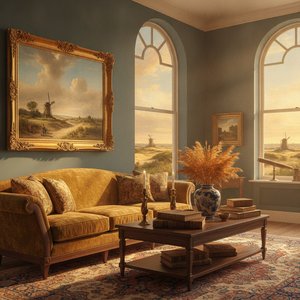
Golden Light & Dutch Skies: Bringing the Magic of Dutch Golden Age Landscapes into Your Home
Transform your home with the breathtaking light of Dutch Golden Age landscapes. Discover how hand-painted oil reproductions of masterworks like Ruisdael and Vermeer bring timeless elegance, atmosphere, and soulful texture to modern interiors. Elevate your space with museum-quality art.
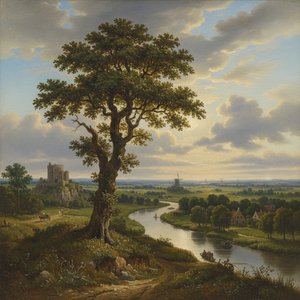
Jacob van Ruisdael: Master of Dutch Landscape & the Evocation of National Identity
Explore the life & work of Jacob van Ruisdael, the preeminent Dutch landscape painter. Discover his technical brilliance, symbolic depth, and lasting influence on art history. Learn about collecting Ruisdael's masterpieces.
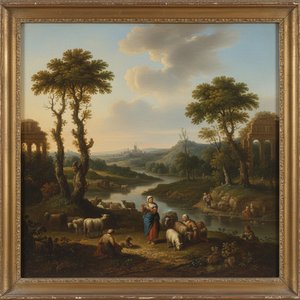
Nicolaes Berchem: Dutch Golden Age Pastoralism & the Evolution of Landscape Painting
Explore the captivating world of Nicolaes Berchem, a leading Dutch Golden Age painter. Discover his idyllic landscapes, masterful technique & lasting influence on art history. Learn more at ArtsDot.
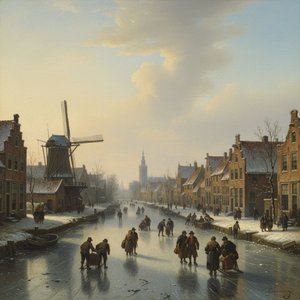
Charles Leickert: Capturing the Dutch Golden Age Light – A Comprehensive Study of Technique, Context, and Legacy
Explore the captivating winter landscapes of Charles Leickert, a master of Dutch Golden Age light & atmosphere. Discover his techniques, symbolism, and lasting legacy – a comprehensive study for art enthusiasts and collectors.