 Preview
 Send
Send Share
Share
 Details

 Download
 Similars
 X-Ray
X-Ray Diaporama
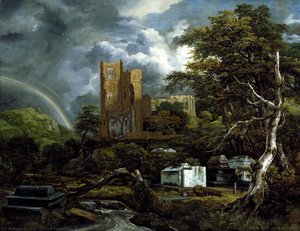
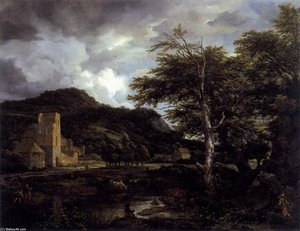
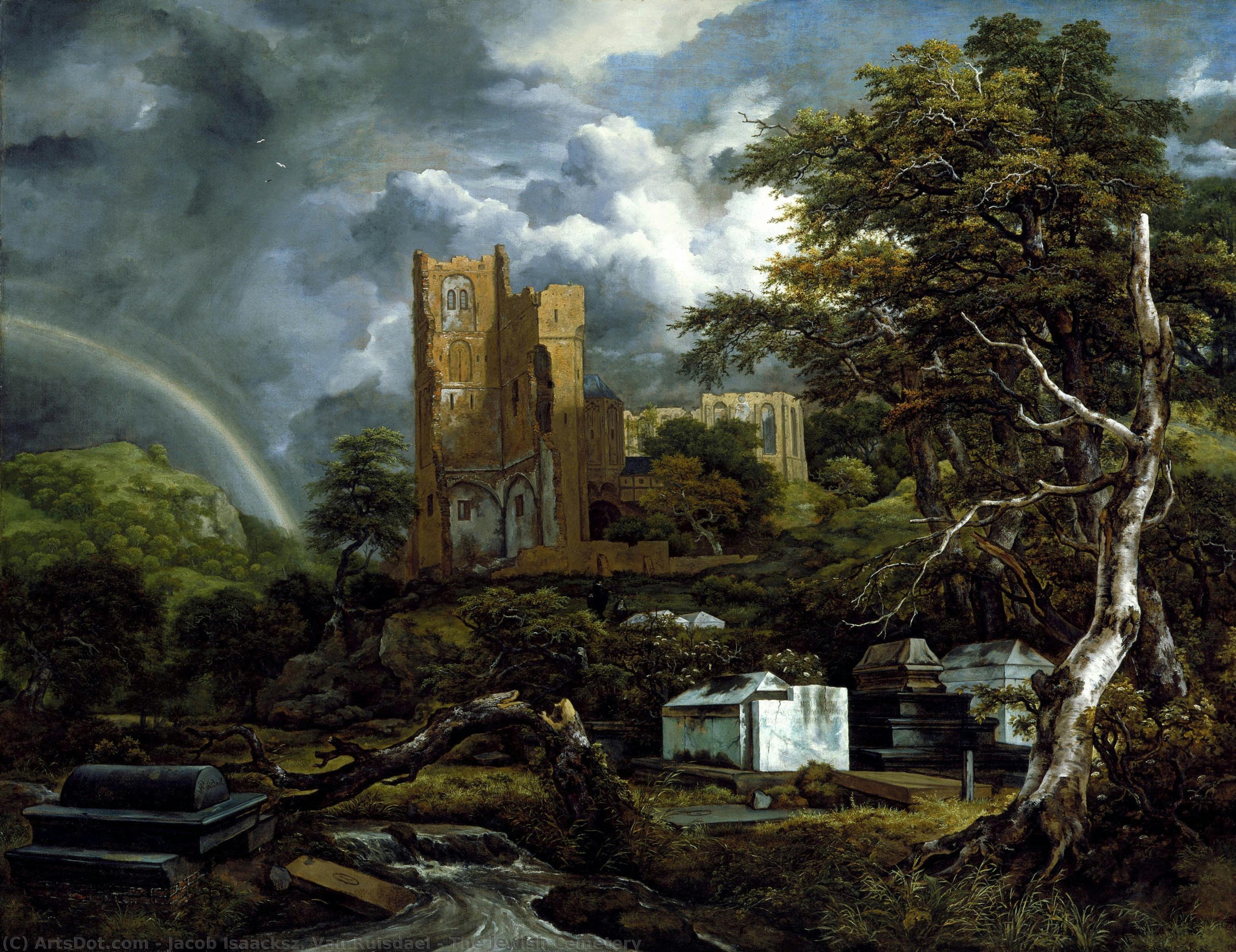
The Jewish Cemetery


 Read More
Hand Made Oil Reproduction
Hand-painted oil on canvas in your size and frame, made to order by our artists. ( Buy Print Buy Image)




P118B $10

P118H $10

P118W $10

P438Z $10

P508JH $12

P508YH $12

P805H $10

P805Z $10

P919BZ $10

P919G $10

P919XJ $10

P959ZH $10

P968JZ $12

W106C $8

W218G $10

W218JH $8

W218Y $10

W307PJ $10

W316G $10

W316PJ $8

W316Y $10

W398PJ $8

W4111J $10

W500HY $15

W500JH $15

W692G $12

W849H $8

W940BG $15

W953PJ $8




Pick from our preset sizes that match the artwork's original proportions.

You may enter your own dimensions to fit a specific frame or space. If your selected size does not match the original image's proportions, we will either crop the artwork or extend the painting with additional hand-painted elements. A digital mockup will be sent for your approval before production begins.
Please note that the on-screen preview does not reflect the actual cropping or extension. Only the mockup will accurately show the final composition.
While custom sizes are available, we recommend selecting a dimension from the predefined list to preserve the original proportions.
After order, ArtsDot.com team will email client for instructions and provide a mockup preview
Worldwide Delivery () in 3/4 weeks instead of standard 5 weeks. (16 August). No compromise on quality.

Free Worldwide Express Shipping

High-Quality Linen Canvas

Full Shipping Insurance

Customs Tax Refund Guarantee

True Color Matching Guarantee

60-Day Return Policy (Defects Only)

100% Money-Back Guarantee

Bulk Discount Offer
 Glass option is only available in size under 110 CM

The Jewish Cemetery
Reproduction Medium
Reproduction Size
-


Total Price
$ 263
Artwork Description
A Vision of Dutch Landscape: Jacob van Ruisdael’s “The Jewish Cemetery”
Jacob van Ruisdael's "The Jewish Cemetery," completed around 1657, stands as a cornerstone of Dutch landscape painting and embodies the spirit of its golden age. Currently residing at the Detroit Institute of Arts, this monumental oil-on-canvas artwork transcends mere depiction; it’s an immersive experience into a meticulously crafted panorama that speaks volumes about artistic innovation and humanist contemplation.The Landscape's Dramatic Composition
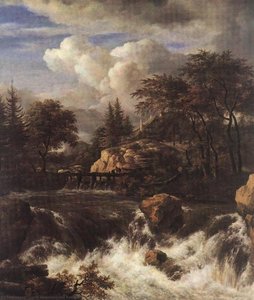
Ruisdael’s genius lies in his masterful manipulation of light and perspective—techniques honed during his formative years studying under Rembrandt and Peter Paul Rubens—to create a scene brimming with palpable emotion. The canvas dominates with an expansive sky, occupying roughly two-thirds of the frame, rendered in swirling blues and whites that convey both grandeur and impending storm. Beneath this turbulent expanse unfolds a rugged mountainous landscape punctuated by a dramatic waterfall cascading down sheer rock faces. Scattered amongst the boulders are fallen trees—a recurring motif in Ruisdael’s oeuvre—adding to the sense of decay and reminding viewers of the transient nature of beauty.Technique and Artistic Innovation
Ruisdael employed a distinctive layering technique known as “alla prima,” meaning "at first sight." Rather than sketching extensively beforehand, he applied paint directly onto the canvas in successive glazes—thin layers of translucent color—allowing for unparalleled control over tonal variations and atmospheric effects. This method, favored by many Northern Renaissance painters, resulted in an astonishingly luminous surface that captures the immediacy of observation. The artist’s meticulous attention to detail is evident in every brushstroke, from the glistening spray of the waterfall to the textured bark of the trees—a testament to his unwavering commitment to realism.Symbolism and Historical Context
“The Jewish Cemetery,” like many Dutch landscapes of its era, carries subtle symbolic weight reflecting broader cultural anxieties surrounding mortality and faith. The decaying trees represent the inevitability of decline, mirroring the biblical parable of Adam and Eve’s expulsion from Paradise—a theme prevalent in Northern European art during the Reformation. However, Ruisdael avoids didactic pronouncements; instead, he invites viewers to contemplate the sublime beauty of nature alongside its inherent melancholy. Painted amidst a period of religious upheaval and intellectual ferment, “The Jewish Cemetery” reflects the humanist impulse to reconcile faith with reason—a characteristic aspiration of the Dutch Golden Age.Emotional Resonance: A Timeless Masterpiece
Ultimately, "The Jewish Cemetery" succeeds in transporting viewers to another realm—one imbued with awe and contemplation. The painting’s luminous palette and dynamic composition evoke a profound sense of serenity despite its depiction of decay. It compels us to confront our own mortality while simultaneously celebrating the enduring power of artistic vision. This monumental landscape continues to inspire artists and collectors alike, cementing Ruisdael's legacy as one of the most influential figures in Dutch art history—a true masterpiece that transcends time and speaks directly to the human spirit.Related Artworks
Artist Biography
early life and career
jacob isaackszoon van ruisdael, a prominent dutch painter, draughtsman, and etcher, was born in 1628 in the netherlands. he is widely regarded as the pre-eminent landscape painter of the dutch golden age, a period marked by great wealth and cultural achievement.
artistic style and contributions
van ruisdael's work is characterized by its versatility and prolific nature, depicting a wide variety of landscape subjects. from 1646, he painted remarkable dutch countryside scenes, which later took on a more heroic character after his trip to germany in 1650. his late work, produced while living and working in amsterdam, featured city panoramas and seascapes, often with the sky occupying two-thirds of the canvas.
- waterfall in a rocky and mountainous landscape, showcasing his mastery of light and composition.
- view of haarlem with bleaching grounds, exemplifying his ability to capture the essence of the dutch landscape.
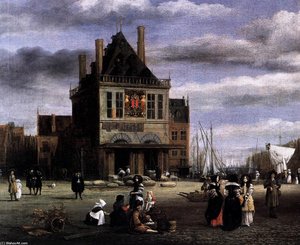
- view of the dam and the damrak in amsterdam, highlighting his skill in cityscape painting.
museums and collections
van ruisdael's work is spread across private and institutional collections worldwide, with notable holdings at:
- the national gallery in london
- the rijksmuseum in amsterdam
- the hermitage museum in st. petersburg
influence and legacy
van ruisdael's influence on landscape painting traditions is profound, shaping the english romantics, the barbizon school in france, and the hudson river school in the us. he also inspired generations of dutch landscape artists. notable works:
- view of haarlem with bleaching grounds
- waterfall in a rocky and mountainous landscape
- view of the dam and the damrak in amsterdam
artist's profile on ArtsDot: jacob isaackszoon van ruisdael
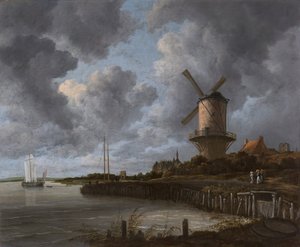
jacob isaackszoon van ruisdael
1628 - 1682 , Netherlands
Quick Facts
- Artistic Movement Or Style: Dutch Golden Age, Baroque
- Artists Or Movements Influenced By This Artist:
- English Romantics
- Barbizon School
- Artists Who Influenced This Artist: ['Hendrick Vroom']
- Date Of Birth: 1628/1629, Haarlem
- Date Of Death: 1682, Amsterdam
- Full Name: Jacob Isaackszoon van Ruisdael
- Nationality: Dutch
- Notable Artworks:
- View of Haarlem
- Waterfall landscape
- Amsterdam cityscape
- Place Of Birth: Haarlem, Netherlands
Related Articles
Jacob van Ruisdael: Master of Dutch Landscape & the Evocation of National Identity
Explore the life & work of Jacob van Ruisdael, the preeminent Dutch landscape painter. Discover his technical brilliance, symbolic depth, and lasting influence on art history. Learn about collecting Ruisdael's masterpieces.
Van Gogh's Masterpieces: Explore 25 Iconic Paintings & Art for Your Home
Journey through Vincent van Gogh's 25 most iconic paintings! Explore 'Starry Night', 'Sunflowers,' and more—discover the stories, techniques & emotions behind these Post-Impressionist masterpieces. Find museum-quality art reproductions for your home at ArtsDot.com.
Jan van Goyen: Master of Dutch Landscape & Atmospheric Perspective
Discover Jan van Goyen, the master of Dutch landscape painting. Explore his subtle technique, atmospheric realism & lasting influence on art history. Learn about this 17th-century pioneer at ArtsDot.

Rembrandt's Masterpieces: Explore 25 Iconic Paintings & Prints | ArtsDot
Journey through Rembrandt van Rijn's 25 most iconic paintings & etchings. Explore Dutch Golden Age masterpieces, dramatic chiaroscuro, and timeless portraits. Find museum-quality art reproductions to elevate your home decor on ArtsDot.com.
Cornelis van Poelenburch: Bridging Mannerism & the Dutch Baroque Landscape
Discover Cornelis van Poelenburch, a pivotal Dutch Baroque landscape painter bridging Mannerism & Italianate styles. Explore his life, key works, and lasting influence on 17th-century art with ArtsDot.