 Preview
 Send
Send Share
Share
 Details

 Download
 Similars
 X-Ray
X-Ray Diaporama
The Annunciation to the Shepherds )


 Read More
Hand Made Oil Reproduction
Hand-painted oil on canvas in your size and frame, made to order by our artists. ( Buy Print Buy Image)




P118B $10

P118H $10

P118W $10

P438Z $10

P508JH $12

P508YH $12

P805H $10

P805Z $10

P919BZ $10

P919G $10

P919XJ $10

P959ZH $10

P968JZ $12

W106C $8

W218G $10

W218JH $8

W218Y $10

W307PJ $10

W316G $10

W316PJ $8

W316Y $10

W398PJ $8

W4111J $10

W500HY $15

W500JH $15

W692G $12

W849H $8

W940BG $15

W953PJ $8




Pick from our preset sizes that match the artwork's original proportions.

You may enter your own dimensions to fit a specific frame or space. If your selected size does not match the original image's proportions, we will either crop the artwork or extend the painting with additional hand-painted elements. A digital mockup will be sent for your approval before production begins.
Please note that the on-screen preview does not reflect the actual cropping or extension. Only the mockup will accurately show the final composition.
While custom sizes are available, we recommend selecting a dimension from the predefined list to preserve the original proportions.
After order, ArtsDot.com team will email client for instructions and provide a mockup preview
Worldwide Delivery () in 3/4 weeks instead of standard 5 weeks. (25 August). No compromise on quality.

Free Worldwide Express Shipping

High-Quality Linen Canvas

Full Shipping Insurance

Customs Tax Refund Guarantee

True Color Matching Guarantee

60-Day Return Policy (Defects Only)

100% Money-Back Guarantee

Bulk Discount Offer
 Glass option is only available in size under 110 CM

The Annunciation to the Shepherds )
Reproduction Medium
Reproduction Size
-


Total Price
$ 263
Artwork Description
A Divine Revelation: The Annunciation to the Shepherds by Jacopo Bassano
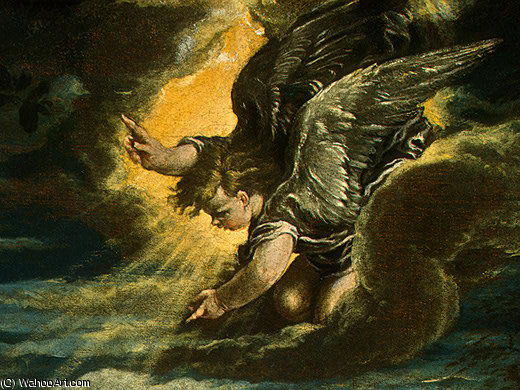
Jacopo Bassano’s *The Annunciation to the Shepherds*, painted in 1551, is a captivating example of Venetian Renaissance artistry. This dynamic scene depicts the pivotal moment when angels announce the birth of Christ to humble shepherds – a cornerstone narrative within Christian theology. The painting isn't merely an illustration of scripture; it’s a vibrant and emotionally resonant interpretation that reflects Bassano’s unique style and the artistic currents of his time.Style & Technique: Venetian Colorism and Rustic Realism
Bassano, deeply influenced by masters like Titian and Pordenone, embodies the hallmarks of Venetian painting. Colorism reigns supreme – rich, luminous hues are applied with a fluidity that creates a sense of atmospheric depth and emotional intensity. Notice how Bassano utilizes warm tones to illuminate the angelic figure and the faces of the shepherds, contrasting them against the dramatic, cloudy sky. His technique moves beyond idealized forms; instead, he imbues his figures with a rustic realism. The shepherds aren’t presented as noble figures but as working men, their expressions conveying awe and wonder rather than regal composure. This grounding in everyday life was characteristic of Bassano's work, making religious narratives more accessible and relatable to the common viewer.Symbolism & Historical Context
The painting is rich with symbolic meaning. The angel, often depicted holding a lamb (as seen here), represents Christ – the “Lamb of God.” The shepherds themselves symbolize humanity, chosen by God despite their humble status. Bassano’s choice to depict the scene at night, illuminated by divine light, emphasizes the miraculous nature of the event and its significance as a turning point in history. Painted during the Counter-Reformation, *The Annunciation to the Shepherds* served not only as devotional art but also as a powerful reaffirmation of Catholic doctrine. Bassano’s work, with its emphasis on emotional piety and accessible imagery, played a role in bolstering faith during a period of religious upheaval. The Bassano family workshop was incredibly prolific; Jacopo's sons continued his style for generations, making works like this representative of a significant artistic lineage within Venice.Emotional Impact & Contemporary Appeal
*The Annunciation to the Shepherds* evokes a profound sense of wonder and spiritual awakening. The dynamic composition – with the angel descending from the heavens and the shepherds gazing upwards in astonishment – draws the viewer into the scene, creating an immersive experience. The painting’s emotional power transcends its religious subject matter; it speaks to universal themes of hope, faith, and divine intervention. Today, a high-quality reproduction of this artwork can bring a touch of Renaissance grandeur and spiritual depth to any interior space. Its warm color palette and compelling narrative make it a versatile piece suitable for both traditional and contemporary settings – a timeless masterpiece that continues to inspire awe centuries after its creation.Related Artworks
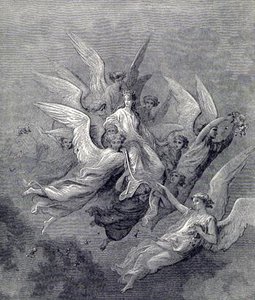
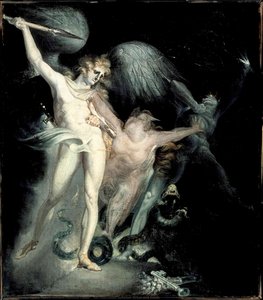
Artist Biography
Jacopo Bassano (1510-1592): A Master of Venetian Light and Life
Born in the humble town of Bassano del Grappa, nestled near the bustling heart of Venice, Jacopo da Ponte – later known as Jacopo Bassano – emerged from a family steeped in artistic tradition. His father, Francesco il Vecchio, was already an established painter when he welcomed young Jacopo into his workshop around 1510, initiating him into the demanding world of art. This early training, combined with exposure to the vibrant and innovative atmosphere of Venice, would profoundly shape Bassano’s distinctive style – a captivating blend of religious solemnity, intimate genre scenes, and breathtakingly realistic landscapes.
Bassano's formative years were marked by a unique apprenticeship. Unlike many artists who sought formal training in distant cities like Florence or Rome, he honed his skills within the familiar surroundings of his hometown. His father’s workshop provided him with invaluable experience not only in painting techniques but also in practical trades such as surveying and mapmaking – skills that would later inform his masterful depictions of the Venetian countryside. Crucially, Bassano was exposed to the works of leading Venetian masters like Titian and Giorgione, absorbing their innovative approaches to color, composition, and light. This influence is particularly evident in his early paintings, where he skillfully emulates Titian’s luminous palette and dramatic use of chiaroscuro – the interplay of light and shadow.
The Development of a Unique Style
Bassano's artistic journey can be broadly divided into distinct periods, each characterized by subtle shifts in his style and subject matter. His early works, primarily religious scenes executed in the 1530s and 40s, demonstrate a clear debt to Titian’s influence. Paintings like “The Purification of the Temple” showcase a rich, vibrant color palette and a dynamic composition—a departure from the more static conventions of contemporary artists. However, even in these early pieces, Bassano introduces elements that would become hallmarks of his style: a focus on everyday details, an interest in capturing fleeting moments of human interaction, and a remarkable ability to imbue his scenes with a sense of atmosphere.
As he matured, Bassano’s artistic vision expanded. He increasingly turned his attention to genre paintings – intimate depictions of rural life, featuring peasants, animals, and the rhythms of agricultural labor. These works, often set against the backdrop of the picturesque Venetian landscape, are imbued with a remarkable sense of realism and immediacy. Paintings like “Sheep and Lamb” or “The Return of the Prodigal Son” exemplify this shift, demonstrating Bassano’s ability to capture the essence of human experience within a naturalistic setting. He skillfully blended religious themes with secular subjects, creating works that were both spiritually resonant and visually captivating.
Key Works and Influences
Bassano's oeuvre is remarkably diverse, encompassing a wide range of subjects and styles. Among his most celebrated paintings are “The Supper at Emmaus,” a masterpiece of Venetian painting characterized by its luminous colors, dynamic composition, and evocative portrayal of the biblical scene; “The Fire” – a dramatic depiction of a barn fire that showcases Bassano’s mastery of light and shadow; and “Jacob’s Return to Canaan,” a poignant narrative scene filled with emotional depth and psychological insight. His work also includes numerous portraits, landscapes, and religious compositions, each reflecting his evolving artistic sensibilities.
Beyond Titian, Bassano was influenced by a variety of artists, including the early Renaissance masters like Dürer and Raphael, as well as contemporary Venetian painters such as Tintoretto and Veronese. He skillfully absorbed elements from these diverse sources, synthesizing them into a uniquely personal style that is both innovative and deeply rooted in Venetian tradition.
Legacy and Historical Significance
Jacopo Bassano’s impact on the development of Venetian painting is undeniable. His masterful depictions of light, color, and human emotion helped to shape the course of Venetian art for generations to come. He was a pioneer in the genre of landscape painting, elevating it from a mere decorative element to an integral part of his compositions. Furthermore, Bassano’s ability to seamlessly blend religious and secular subjects—sacred themes with everyday life—established a precedent that would be followed by many subsequent Venetian artists.
Bassano's legacy extends beyond the individual works he created. His four sons – Francesco Bassano the Younger, Giovanni Battista da Ponte, Leandro Bassano, and Girolamo da Ponte – continued his artistic lineage, carrying on his style and contributing to the vibrant artistic community of Bassano del Grappa. Today, Jacopo Bassano is remembered as one of Venice’s most important Renaissance painters—a master of light, color, and human experience whose work continues to captivate audiences around the world.
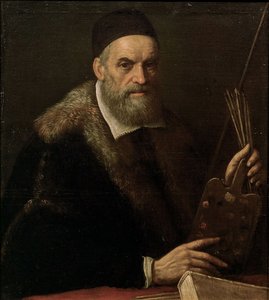
jacopo bassano (jacopo da ponte)
1510 - 1592 , Italy
Quick Facts
- Artistic Movement Or Style: Venetian Renaissance
- Artists Or Movements Influenced By This Artist:
- Leandro Bassano
- Francesco Bassano
- Artists Who Influenced This Artist:
- Titian
- Bonifazio Veronese
- Date Of Birth: 1510
- Date Of Death: 1592
- Full Name: Jacopo Bassano (Jacopo da Ponte)
- Nationality: Venetian
- Notable Artworks:
- Supper at Emmaus
- The Fire
- Return of the Prodigal Son
- Place Of Birth: Bassano del Grappa, Italy
Related Articles

Jacopo Tintoretto's Masterpieces: 25 Paintings That Define Venetian Drama | ArtsDot
Explore 25 breathtaking masterpieces by Jacopo Tintoretto, the Venetian master of drama and light. Discover the stories behind iconic Renaissance paintings & find museum-quality art reproductions to elevate your home decor on ArtsDot.com.
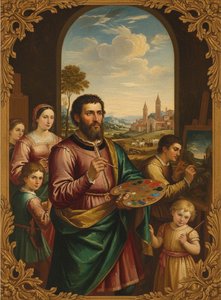
Jacopo Bassano: A Venetian Master of Color, Family & the Renaissance Landscape
Explore the life & art of Jacopo Bassano, a Venetian master renowned for his vibrant colorism and innovative religious scenes. Discover his family legacy & enduring influence on Renaissance painting with ArtsDot.
Jacopo Palma il Giovane: A Venetian Master's Poetic Evolution
Explore the captivating world of Jacopo Palma il Giovane, a pivotal Venetian Renaissance master. Discover his unique style, influenced by Titian & Tintoretto, and learn about key works perfect for discerning collectors.
Sacred Narratives Embodied: A Comprehensive Exploration of Religious Iconography in Art History
Explore the rich history of religious iconography in art! Discover symbolism, movements & masterpieces from Byzantine to Renaissance periods. Expert insights for collectors and enthusiasts at ArtsDot.
Mario Sironi: A Poetic of Modern Italian Identity Through Symbolism & Social Commentary
Explore the profound works of Mario Sironi, a key figure in Italian Modernism. Discover his evolution from Futurism to Metaphysical painting and his powerful social commentary. Learn about his legacy at ArtsDot.