 Preview
 Send
Send Share
Share
 Details

 Download
 Similars
 X-Ray
X-Ray Diaporama
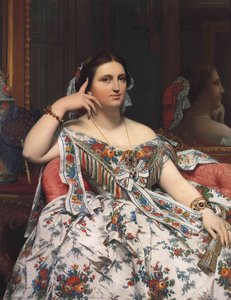
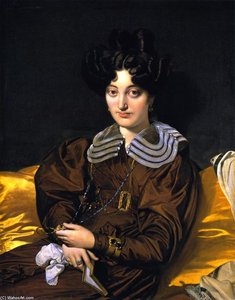
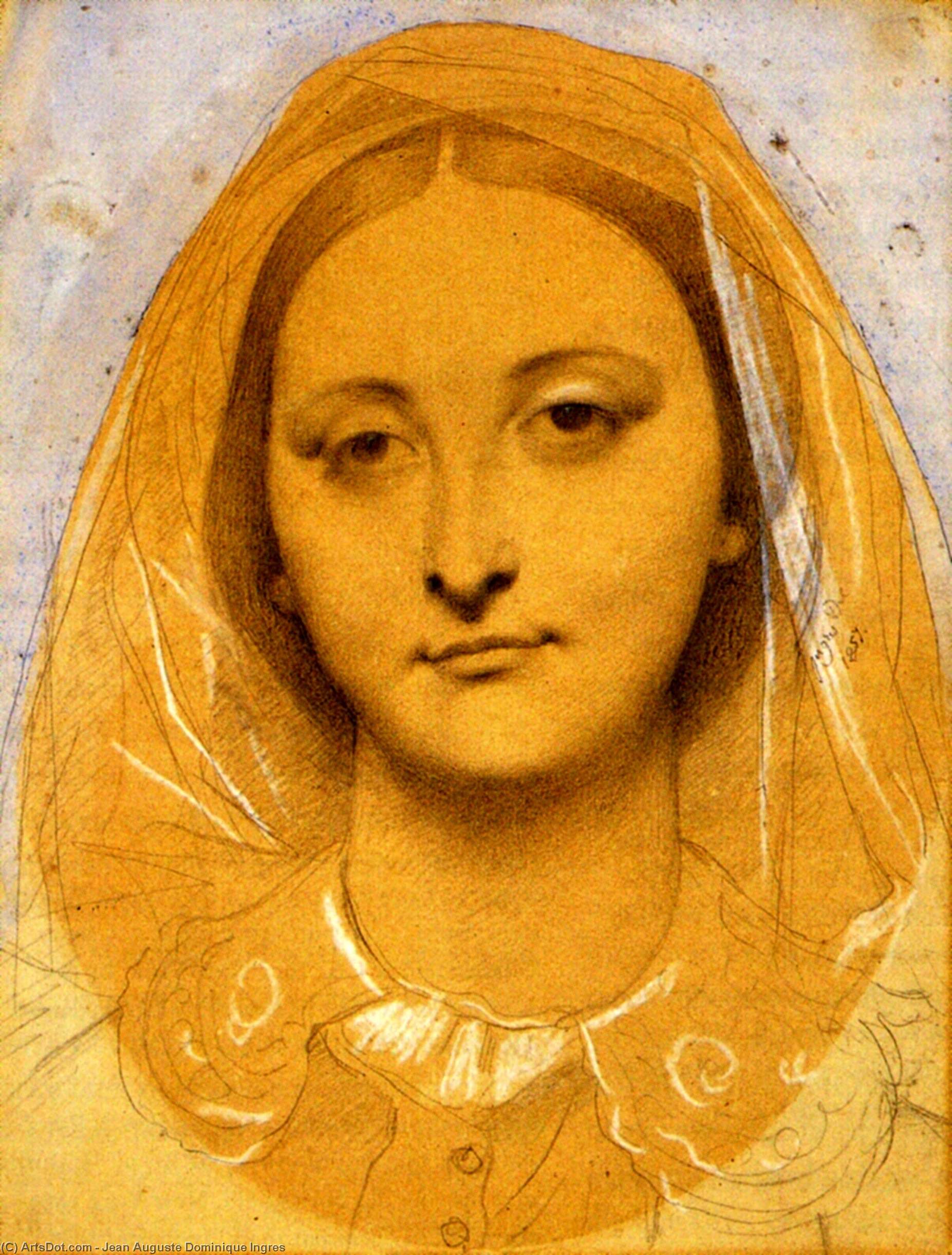
Mademoiselle Mary de Borderieux


 Read More
Hand Made Oil Reproduction
Hand-painted oil on canvas in your size and frame, made to order by our artists. ( Buy Print Buy Image)




P118B $10

P118H $10

P118W $10

P438Z $10

P508JH $12

P508YH $12

P805H $10

P805Z $10

P919BZ $10

P919G $10

P919XJ $10

P959ZH $10

P968JZ $12

W106C $8

W218G $10

W218JH $8

W218Y $10

W307PJ $10

W316G $10

W316PJ $8

W316Y $10

W398PJ $8

W4111J $10

W500HY $15

W500JH $15

W692G $12

W849H $8

W940BG $15

W953PJ $8




Pick from our preset sizes that match the artwork's original proportions.

You may enter your own dimensions to fit a specific frame or space. If your selected size does not match the original image's proportions, we will either crop the artwork or extend the painting with additional hand-painted elements. A digital mockup will be sent for your approval before production begins.
Please note that the on-screen preview does not reflect the actual cropping or extension. Only the mockup will accurately show the final composition.
While custom sizes are available, we recommend selecting a dimension from the predefined list to preserve the original proportions.
After order, ArtsDot.com team will email client for instructions and provide a mockup preview
Worldwide Delivery () in 3/4 weeks instead of standard 5 weeks. (16 August). No compromise on quality.

Free Worldwide Express Shipping

High-Quality Linen Canvas

Full Shipping Insurance

Customs Tax Refund Guarantee

True Color Matching Guarantee

60-Day Return Policy (Defects Only)

100% Money-Back Guarantee

Bulk Discount Offer
 Glass option is only available in size under 110 CM

Mademoiselle Mary de Borderieux
Reproduction Medium
Reproduction Size
-


Total Price
$ 263
Artwork Description
A Vision of Neoclassical Grace
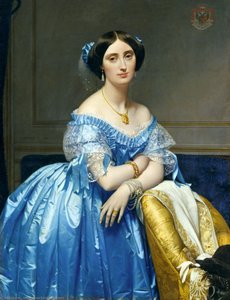
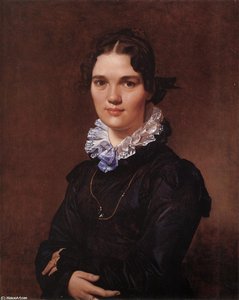
In the quiet, commanding presence of Mademoiselle Mary de Borderieux, we encounter the pinnacle of Jean-Auguste-Dominique Ingres’s mastery over line and form. This exquisite portrait serves as a profound window into the Neoclassical era, capturing not just a likeness, but an entire atmosphere of refined elegance. The subject, draped in a delicate veil that softens the contours of her features, gazes toward the viewer with a serious, almost enigmatic expression. Her eyes hold a depth of character that transcends the canvas, inviting a silent dialogue between the sitter and the observer. Through Ingres’s meticulous hand, the painting achieves a sculptural quality, where every fold of fabric and every strand of hair feels imbued with a life of its and permanence.
The composition is a masterclass in balanced storytelling. While the focus remains intensely on the luminous face of Mademoiselle de Borderieux, the artist subtly weaves secondary elements into the periphery to create a sense of lived reality. The presence of figures in the background—softly rendered and receding into the shadows—adds a layer of narrative complexity, suggesting a moment captured within a larger, bustling social sphere. A single book, positioned near the upper corner, hints at the intellectual pursuits and the cultured life of the subject, grounding her ethereal beauty in the tangible world of 19th-century French high society.
The Alchemy of Technique and Light
To behold this work is to witness the technical brilliance that defined Ingres as a titan of his age. The painting possesses a warm, golden patina, an aged tint that lends the piece a timeless, heirloom quality. This amber glow does more than suggest antiquity; it harmonizes the skin tones with the surrounding environment, creating a unified, atmospheric warmth. The artist’s technique is characterized by an almost invisible brushwork, where transitions between light and shadow are so seamless they appear as if sculpted from marble rather than painted with oil.
For the discerning collector or interior designer, this piece offers an unparalleled opportunity to introduce a sense of historical weight and sophisticated tranquility into a space. The interplay of textures—the sheer lightness of the veil against the solid, commanding presence of the subject—provides a visual richness that complements both classical and contemporary settings. Whether placed in a sunlit gallery or a moody, library-inspired study, the portrait acts as an anchor of prestige, evoking the grandeur of the Musée Ingres Bourdelle and the enduring legacy of French Neoclassicism.
An Emotional Resonance for Modern Spaces
Beyond its historical significance, Mademoiselle Mary de Borderieux resonates on a deeply emotional level. There is a certain stillness within the frame, a meditative quality that offers a respite from the frenetic pace of modern life. The serious expression of the subject does not convey sadness, but rather a profound dignity and self-possession. This emotional gravity makes the artwork an ideal centerpiece for those seeking to curate environments that inspire reflection, poise, and a sense of enduring beauty.
Investing in a high-quality reproduction of this masterpiece allows one to bring the soul of 19th-century France into the home. It is more than mere decoration; it is an invitation to inhabit a world of grace, where every line is intentional and every shadow tells a story. For those who appreciate the intersection of fine art history and exquisite interior aesthetics, this portrait stands as a testament to the power of the human spirit captured through the lens of perfection.
Related Artworks
![The Madonna Between St. John The Baptist And St. Sebastian [detail] — Vannucci Pietro (le Perugin), Renaissance](/media/artworks/images/thumbnails/ad/ad/adadce3c43174b99bc91b80d8fcb158f.jpg)


Artist Biography
A Legacy of Line and Form: The World of Jean-Auguste-Dominique Ingres
Jean-Auguste-Dominique Ingres, a name synonymous with Neoclassical precision and an almost sculptural approach to painting, occupies a unique position in the history of art. Born in Montauban, France, in 1780, his artistic journey was one of unwavering dedication to classical ideals, tempered by a burgeoning sensuality and a willingness to challenge convention. Ingres wasn’t merely replicating the past; he was engaging in a profound dialogue with it, forging a style that would both define an era and anticipate the revolutions to come.
His early life provided a solid foundation for his future artistic pursuits. His father, Jean-Marie-Joseph Ingres, was himself a painter and sculptor, instilling in young Dominique a love for form and technique from a tender age. This initial training was followed by studies at the Académie Royale de Peinture, Sculpture et Architecture in Toulouse, where he honed his skills under Guillaume-Joseph Roques. However, it was his move to Paris in 1797 and subsequent apprenticeship with Jacques-Louis David that truly set him on his path. David, the leading figure of Neoclassicism, imparted a rigorous discipline and an emphasis on line, form, and historical subject matter – principles that would remain central to Ingres’s work throughout his career.
The Pursuit of Ideal Beauty
Ingres' artistic philosophy was deeply rooted in admiration for the Italian Renaissance masters—Raphael, in particular, served as a constant source of inspiration. He believed in the power of line to define form and convey emotion, striving for an idealized beauty that transcended mere representation. This pursuit is evident in his early works, such as The Ambassadors of Agamemnon in the Tent of Achilles (1801), which earned him the prestigious Prix de Rome. The painting showcases his meticulous attention to detail, precise draftsmanship, and a clear narrative focus—hallmarks of Neoclassical style.
However, Ingres wasn’t simply a copyist. He gradually developed a distinctive voice, infusing classical principles with a unique blend of sensuality and psychological insight. His portraits, in particular, demonstrate this evolution. While maintaining the formal elegance characteristic of Neoclassicism, he began to subtly distort forms and spaces, creating an unsettling yet captivating effect that foreshadowed the expressive distortions of later movements like Cubism. Portrait of Monsieur Bertin (1833-1834), with its elongated hands and intense gaze, is a prime example of this innovative approach.
Beyond History: Orientalism and Late Masterpieces
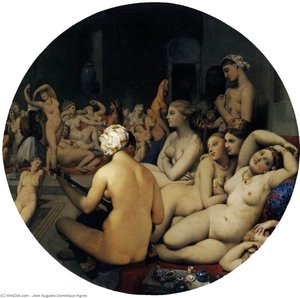
While celebrated for his historical and mythological paintings—like The Vow of Louis XIII (1827)—Ingres also explored other genres, most notably Orientalism. His depictions of exotic scenes and female nudes, such as The Turkish Bath (1862), completed when he was an astonishing 83 years old, reveal a fascination with the sensual and the mysterious. These works, though sometimes criticized for their idealized representations, demonstrate his continued willingness to experiment and push boundaries.
Ingres’s later career saw him navigate a changing artistic landscape. The rise of Romanticism challenged the dominance of Neoclassicism, but Ingres remained steadfast in his commitment to classical ideals while simultaneously incorporating elements of Romantic sensibility into his work. He became a highly influential teacher, shaping the next generation of artists and solidifying his position as a bridge between tradition and modernity.
A Lasting Influence
Jean-Auguste-Dominique Ingres died in Paris in 1867, leaving behind a legacy that continues to resonate today. His emphasis on line, form, and idealized beauty profoundly influenced artists across generations. Remarkably, his work captivated even those who championed radically different styles—artists like Henri Matisse and Pablo Picasso admired his innovative approach to composition and his ability to imbue classical forms with a sense of vitality and emotion.
Ingres’s paintings are now housed in major museums around the world, serving as testaments to his enduring artistic vision. He remains a pivotal figure in art history—a master who not only preserved the traditions of the past but also paved the way for the future. His work invites us to contemplate the nature of beauty, the power of line, and the timeless allure of classical ideals.
Notable Works
- The Ambassadors of Agamemnon in the Tent of Achilles (1801)
- The Vow of Louis XIII (1827)
- Portrait of Monsieur Bertin (1833-1834)
- The Turkish Bath (1862)
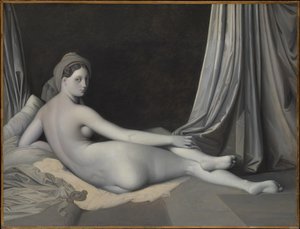
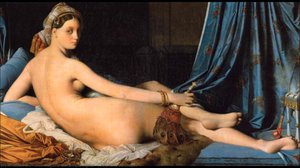
- Grande Odalisque (1814)
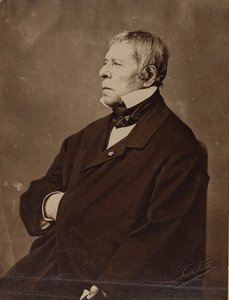
Jean-Auguste-Dominique Ingres
1780 - 1867 , France
Quick Facts
- Artistic Movement Or Style: Neoclassicism
- Artists Or Movements Influenced By This Artist:
- Henri Matisse
- Pablo Picasso
- Artists Who Influenced This Artist:
- Raphael
- Nicolas Poussin
- Jacques-Louis David
- Date Of Birth: August 29, 1780
- Date Of Death: January 14, 1867
- Full Name: Jean-Auguste-Dominique Ingres
- Nationality: French
- Notable Artworks:
- The Ambassadors of Agamemnon
- The Vow of Louis XIII
- Portrait of Monsieur Bertin
- The Turkish Bath
- Place Of Birth: Montauban, France
Related Articles

Renoir's Masterpieces: Explore 25 Iconic Paintings & Bring Art Home | ArtsDot
Explore 25 iconic Pierre-Auguste Renoir paintings! Discover the stories behind Impressionist masterpieces like 'Dance at Le Moulin de la Galette' & 'Luncheon of the Boating Party'. Find museum-quality art reproductions and elevate your home decor with ArtsDot.com.
Neoclassical Art: 10 Masterpieces That Shaped History |
Explore 10 defining Neoclassical masterpieces by David, Ingres & Canova. Discover the history, symbolism & artistry behind these iconic paintings and sculptures. Find museum-quality art reproductions at – elevate your home with timeless beauty.
Neo-Classicism's Greatest Hits: 10 Masterpieces for Your Home |
Journey through Neo-Classicism's finest! Explore 10 iconic masterpieces by David, Ingres & Canova. Discover art history, techniques & timeless beauty – perfect for inspiring your home decor. Find museum-quality reproductions at

Jean Dominique Antony Metzinger: Pioneering Cubism & the Evolution of Abstract Form
Explore the life & work of Jean Metzinger, a pivotal Cubist painter and theorist. Discover his innovations in proto-Cubism, 'Du Cubisme,' and Crystal Cubism – a journey through modern art's evolution.

Jean-Baptiste Carpeaux: Sculpting Passion & Controversy in 19th-Century France
Explore the passionate life & controversial works of Jean-Baptiste Carpeaux, a leading French sculptor of the Second Empire. Discover his realism, iconic sculptures like 'Ugolino,' and lasting legacy as a precursor to Rodin.