 Preview
 Send
Send Share
Share
 Details

 Download
 Similars
 X-Ray
X-Ray Diaporama
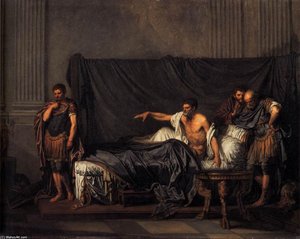
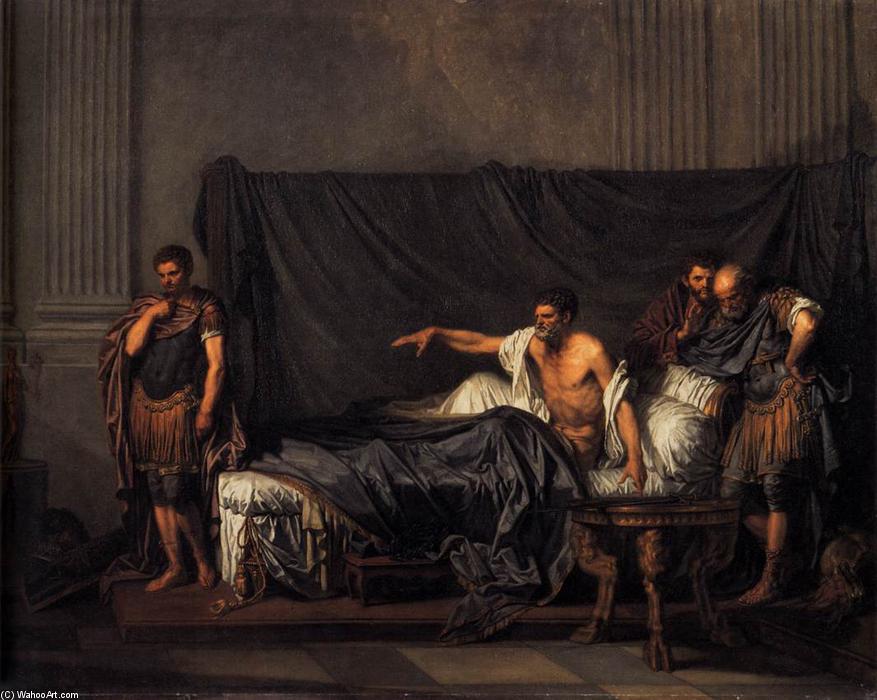
Septimius Severus and Caracalla
 Acrylic On Canvas
- WallArt
- Romantic Sentiment
 1769
1769 124.0 x 160.0 cm
 The Louvre
 Read More
Giclée / Art Print
Museum-quality giclée or canvas print with fast production and flexible finish options. ( Buy Hand Made Painting Buy Image)




P118B $10

P118H $10

P118W $10

P438Z $10

P508JH $12

P508YH $12

P805H $10

P805Z $10

P919BZ $10

P919G $10

P919XJ $10

P959ZH $10

P968JZ $12

W106C $8

W218G $10

W218JH $8

W218Y $10

W307PJ $10

W316G $10

W316PJ $8

W316Y $10

W398PJ $8

W4111J $10

W500HY $15

W500JH $15

W692G $12

W849H $8

W940BG $15

W953PJ $8




Pick from our preset sizes that match the artwork's original proportions.

You may enter your own dimensions to fit a specific frame or space. If your selected size does not match the original image's proportions, we will either crop the artwork or extend the image with a mirrored or solid-fill edge. A digital mockup will be sent for your approval before production begins.
Please note that the on-screen preview does not reflect the actual cropping or extension. Only the mockup will accurately show the final composition.
While custom sizes are available, we recommend selecting a dimension from the predefined list to preserve the original proportions.
Worldwide Delivery () in 2 weeks instead of standard 4/5 weeks. (17 August)

Free Worldwide Express Shipping

High-Quality Linen Canvas

Full Shipping Insurance

Customs Tax Refund Guarantee

True Color Matching Guarantee

60-Day Return Policy (Defects Only)

100% Money-Back Guarantee

Bulk Discount Offer
 Glass option is only available in size under 110 CM

Septimius Severus and Caracalla
Giclée / Art Print
Reproduction Size
-


Total Price
$ 63
Collectible Description
A Portrait Steeped in Sorrow: Jean-Baptiste Greuze’s Septimius Severus and Caracalla
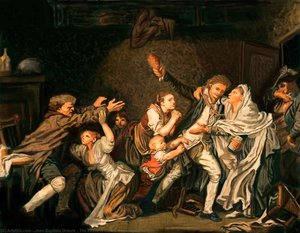
The painting “Septimius Severus and Caracalla,” executed by Jean-Baptiste Greuze in 1769, stands as a testament to the artist's mastery of sentimental portraiture—a genre that sought to evoke profound emotional responses from its audience. More than just a depiction of two Roman emperors, it’s an exploration of vulnerability, familial duty, and the weighty burdens of leadership, rendered with meticulous detail and imbued with a palpable atmosphere of melancholy.Subject Matter and Composition
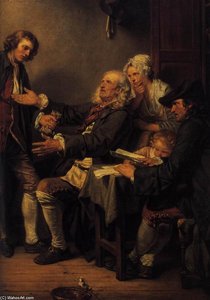
Greuze's subject matter is deliberately understated yet powerfully suggestive. The painting portrays Emperor Septimius Severus and his son Caracalla seated beside a bed upon which lies a young man—likely Caracalla’s son—suffering from illness. This arrangement isn’t merely formal; it’s laden with symbolism reflecting the anxieties of the time regarding succession and familial responsibility. The positioning of Severus, gesturing towards Caracalla, underscores the paternal concern for his heir's well-being – a preoccupation central to Greuze’s artistic vision. The curtained window behind them serves as a visual anchor, framing the scene with diffused light that contributes to the overall sense of solemnity and introspection.Style and Technique: Sentimentality Defined
Greuze’s distinctive style is characterized by its unwavering commitment to capturing psychological realism—a radical departure from the idealized depictions favored by academic painters. He eschewed grand narratives and mythological grandeur, opting instead for intimate scenes focused on human emotion. His technique involved painstaking layering of glazes – a method perfected during his time at the Royal Academy – allowing him to achieve remarkable tonal subtlety and conveying nuanced expressions of grief and compassion. The artist’s meticulous attention to detail extends beyond mere representation; he strives to evoke feeling through carefully crafted gestures, postures, and facial expressions. Notice particularly the sorrowful gaze of Caracalla as he observes his son's plight—a gesture that speaks volumes about the pressures faced by rulers striving to protect their lineage.Historical Context: The Age of Sentiment
“Septimius Severus and Caracalla” emerged during the “Age of Sentiment,” a period in French art history marked by an obsession with emotional sincerity and moral contemplation. Philosophers like Jean Rousseau championed ideas of natural goodness and compassion, influencing artists to prioritize psychological depth over historical accuracy. Greuze’s work aligns perfectly with this intellectual climate, reflecting anxieties about social responsibility and familial piety—themes prevalent throughout the eighteenth century. The painting's success stemmed from its ability to resonate deeply with audiences who sought solace in depictions of human suffering and moral virtue.Symbolism: Light, Shadow, and Gesture
The use of light and shadow plays a crucial role in conveying the emotional tenor of the piece. The muted palette—dominated by browns, creams, and pale blues—creates an atmosphere of subdued sadness. Greuze skillfully employs chiaroscuro – dramatic contrasts between light and dark – to sculpt the figures’ forms and accentuate their expressions of anguish. Furthermore, Severus's gesture is laden with symbolic significance; it represents paternal care and concern for his son’s welfare, embodying the moral obligations inherent in leadership. The young man lying on the bed symbolizes vulnerability and fragility—a poignant reminder of mortality and the inescapable realities of human experience.Emotional Impact: A Window into Human Suffering
Ultimately, “Septimius Severus and Caracalla” transcends mere visual representation; it aspires to elicit empathy and contemplation from its viewers. Greuze’s masterful portrayal of grief captures the profound sorrow experienced by fathers protecting their children—a universal theme that continues to resonate across cultures and eras. The painting's enduring appeal lies in its ability to confront viewers with uncomfortable truths about human vulnerability and moral responsibility, prompting reflection on the importance of compassion and familial devotion. It remains a powerful example of sentimental portraiture’s capacity to communicate complex emotions with breathtaking precision and sensitivity.Related Artworks
Artist Biography
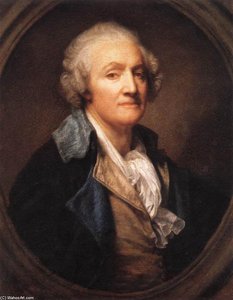
A Life Etched in Sentiment: The World of Jean-Baptiste Greuze
Born in the quiet Burgundian town of Tournus in 1725, Jean-Baptiste Greuze emerged as a pivotal figure in eighteenth-century French art. His story is one of remarkable ascent, fueled by an innate talent for capturing human emotion and a keen understanding of the burgeoning sentimental tastes of his era. Initially discouraged from pursuing artistic endeavors by his roofer father, young Greuze found early encouragement in the Lyonnaise artist Grandon, who recognized a spark that demanded cultivation. This mentorship proved crucial, leading to studies first in Lyon and then, crucially, at the prestigious Royal Academy in Paris under Charles-Joseph Natoire. It was within these hallowed halls that Greuze began to hone his skills, though he often charted his own course, diverging from the prevailing academic emphasis on historical and mythological subjects.The Rise of a Genre Painter
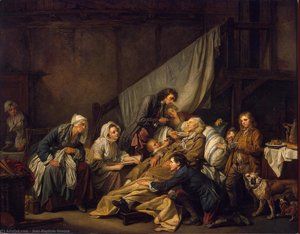
Greuze’s breakthrough arrived in 1755 with Le Père de famille expliquant la Bible à ses enfants (The Father Explaining the Bible to His Children). This work wasn't merely a depiction of domestic life; it was an embodiment of Enlightenment ideals, portraying familial piety and moral instruction. The painting resonated deeply with contemporary audiences, capturing a spirit of bourgeois virtue that was gaining prominence. Acquired by the discerning collector Ange-Laurent de La Live de Jully, it catapulted Greuze to fame. He followed this success with further genre scenes – intimate glimpses into everyday life imbued with emotional depth and moral undertones. A journey to Italy in 1755, undertaken with Abbé Gougenot, broadened his artistic horizons, though he ultimately found greater inspiration in the realities of French society than in classical antiquity. His ability to evoke genuine feeling—joy, sorrow, remorse—set him apart from many of his contemporaries and established him as a leading figure in the emerging Rococo style, albeit one with a distinctly moralizing bent.Mastering Emotion and Moral Narrative
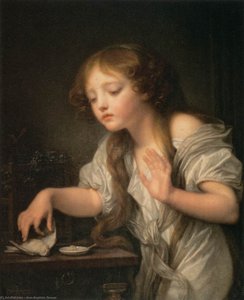
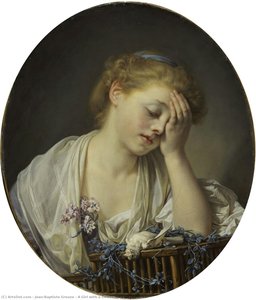
Greuze’s artistic strength lay in his ability to tell stories through paint. Works like La Jeune Fille qui pleure son oiseau mort (The Young Girl Weeping for Her Dead Bird) and Savoyard with a Dancing Doll are not simply portraits of children; they are explorations of grief, innocence, and the complexities of human experience. He possessed an extraordinary talent for capturing subtle nuances of expression, conveying inner turmoil with remarkable sensitivity. His compositions were often carefully staged, utilizing dramatic lighting and expressive gestures to heighten emotional impact. Denis Diderot, a leading intellectual of the Enlightenment, became a fervent champion of Greuze’s work, praising his ability to depict “morality in paint.” However, this very success created a dilemma for the artist. He aspired to be recognized as a history painter – the most prestigious category within the Academy – and attempted a transition with Septimius Severus Reproaching Caracalla. This ambitious work was met with harsh criticism, and Greuze was ultimately accepted into the Academy only as a genre painter, a decision that deeply wounded his pride.Later Years and Lasting Legacy
The rejection by the Academy marked a turning point in Greuze’s career. He withdrew from exhibiting at the Salon for many years, becoming increasingly reclusive and embittered. His later works often explored themes of seduction and moral transgression, sometimes bordering on the overtly sensual. These paintings, while technically proficient, lacked the emotional resonance and moral clarity of his earlier masterpieces. Financial difficulties plagued his final years, a stark contrast to the acclaim he had once enjoyed. He died in poverty within the Louvre itself in 1805. Despite this decline, Jean-Baptiste Greuze’s influence on French art remains significant. He pioneered a new form of genre painting that focused on contemporary life and explored universal human emotions. His work paved the way for later artists who sought to depict the realities of everyday existence with honesty and sensitivity. He left behind a body of work that continues to captivate viewers with its emotional power, technical brilliance, and enduring relevance.Key Works & Their Significance
- Le Père de famille expliquant la Bible à ses enfants (1755): A cornerstone of his early success, embodying Enlightenment ideals of familial piety.
- La Jeune Fille qui pleure son oiseau mort (c. 1765): Demonstrates Greuze’s mastery of emotional expression and poignant storytelling.
- Savoyard with a Dancing Doll (c. 1763): Captures the spirit and vulnerability of childhood, showcasing his skill in portraiture.
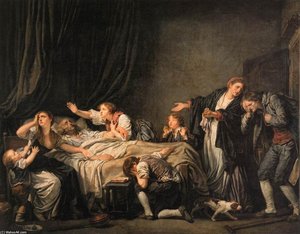
- Septimius Severus Reproaching Caracalla (1769): A failed attempt at historical painting that highlighted his strengths lay elsewhere.
- The Broken Pitcher (c. 1770s): Represents a shift towards more sensual and morally ambiguous themes in his later work.
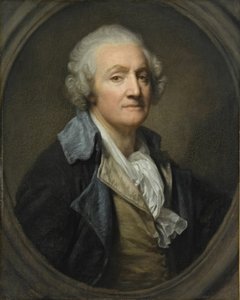
Jean-Baptiste Greuze
1725 - 1805 , France
Quick Facts
- Artistic Movement Or Style: Rococo, Genre painting
- Artists Who Influenced This Artist: ['Dutch genre masters']
- Date Of Birth: 1725
- Date Of Death: 1805
- Full Name: Jean-Baptiste Greuze
- Nationality: French
- Notable Artworks:
- Le Père de famille...
- A Girl with a Dead Canary
- Savoyard with a doll
- Boy with a Broken Egg
- Place Of Birth: Tournus, France
Related Articles
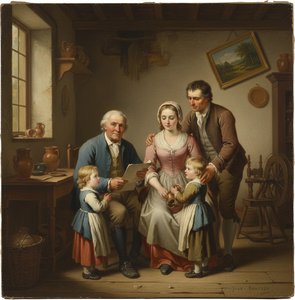
Jean-Baptiste Greuze: Morality, Sentiment & the Rise of Genre Painting
Explore the life & art of Jean-Baptiste Greuze, a pivotal French Rococo painter renowned for his emotionally resonant genre scenes and moral lessons. Discover his legacy & impact on 18th-century art history.
Illuminating Eternity: A Comprehensive Exploration of Byzantine Art's Legacy
Explore the rich history & stunning artistry of the Byzantine Empire! Discover iconic mosaics, profound symbolism, and lasting influence on Western art. A comprehensive guide for history lovers.
Bartolomeo Pinelli: Neoclassical Linearity & Roman Topography of Memory
Explore the captivating world of Bartolomeo Pinelli, a master Italian engraver renowned for his evocative Roman scenes & historical narratives. Discover his art and legacy with ArtsDot.
Sebastiano del Piombo: Bridging Venetian Colorism & Roman Grand Manner Portraiture
Explore the captivating art of Sebastiano del Piombo, a Renaissance master bridging Venetian colorism & Roman grandeur. Discover his iconic portraits and lasting influence on art history. Learn more at ArtsDot.
Pietro da Cortona: Baroque Grandeur & the Synthesis of Roman Painting
Explore the life & masterpieces of Pietro da Cortona, a defining figure of the Italian Baroque. Discover his stunning frescoes at Palazzo Barberini and lasting influence on Roman art history. Learn more with ArtsDot.