 Preview
 Send
Send Share
Share
 Details

 Download
 Similars
 X-Ray
X-Ray Diaporama
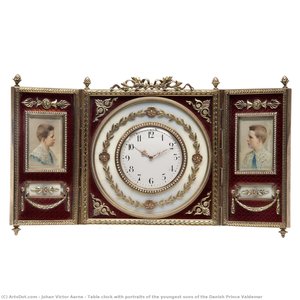
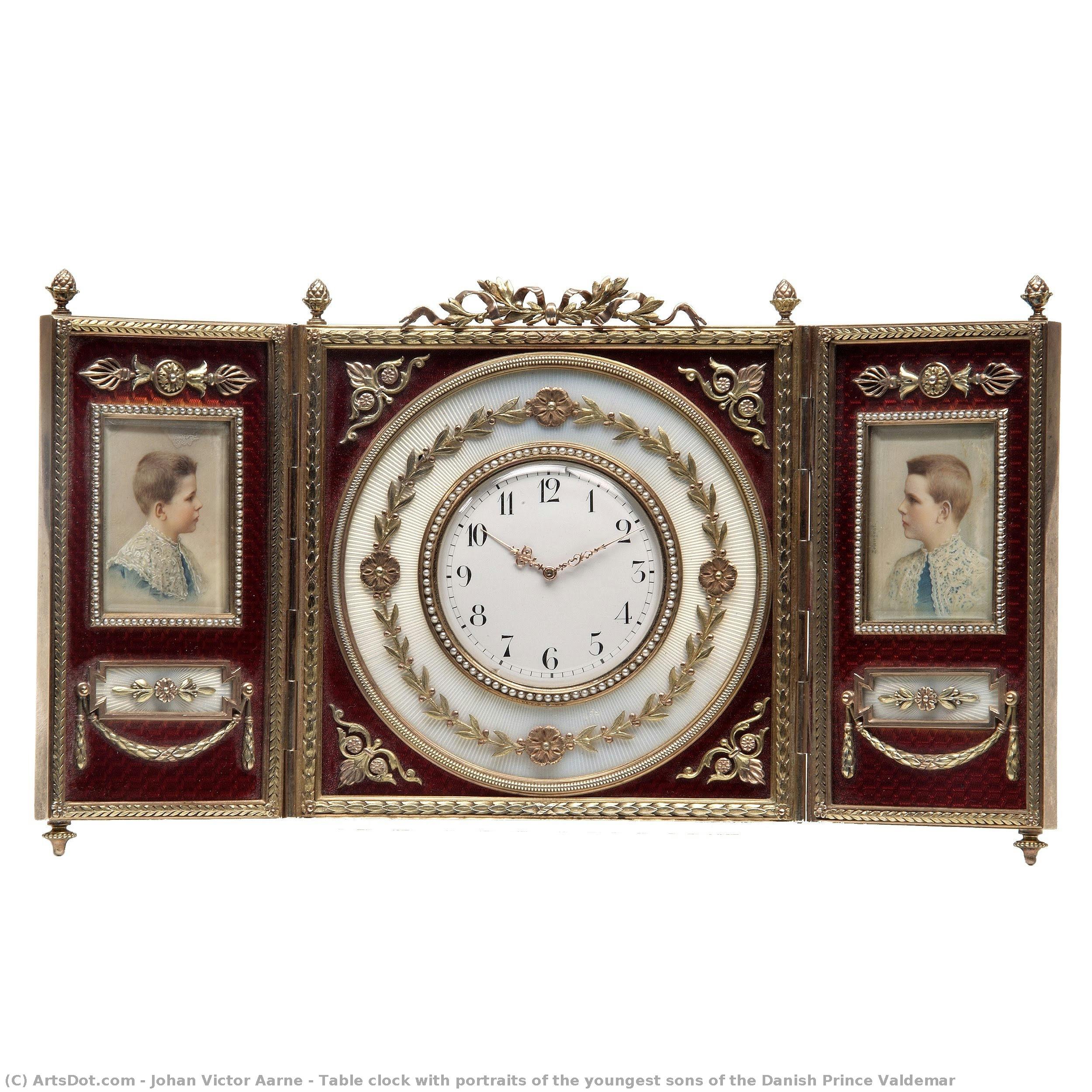
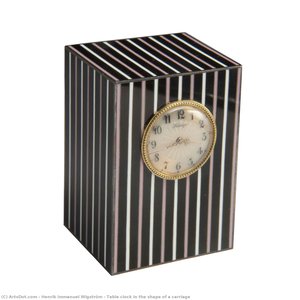
Table clock with portraits of the youngest sons of the Danish Prince Valdemar


 Read More
Hand Made Oil Reproduction
Hand-painted oil on canvas in your size and frame, made to order by our artists. ( Buy Print Buy Image)




P118B $10

P118H $10

P118W $10

P438Z $10

P508JH $12

P508YH $12

P805H $10

P805Z $10

P919BZ $10

P919G $10

P919XJ $10

P959ZH $10

P968JZ $12

W106C $8

W218G $10

W218JH $8

W218Y $10

W307PJ $10

W316G $10

W316PJ $8

W316Y $10

W398PJ $8

W4111J $10

W500HY $15

W500JH $15

W692G $12

W849H $8

W940BG $15

W953PJ $8




Pick from our preset sizes that match the artwork's original proportions.

You may enter your own dimensions to fit a specific frame or space. If your selected size does not match the original image's proportions, we will either crop the artwork or extend the painting with additional hand-painted elements. A digital mockup will be sent for your approval before production begins.
Please note that the on-screen preview does not reflect the actual cropping or extension. Only the mockup will accurately show the final composition.
While custom sizes are available, we recommend selecting a dimension from the predefined list to preserve the original proportions.
After order, ArtsDot.com team will email client for instructions and provide a mockup preview
Worldwide Delivery () in 3/4 weeks instead of standard 5 weeks. (5 September). No compromise on quality.

Free Worldwide Express Shipping

High-Quality Linen Canvas

Full Shipping Insurance

Customs Tax Refund Guarantee

True Color Matching Guarantee

60-Day Return Policy (Defects Only)

100% Money-Back Guarantee

Bulk Discount Offer
 Glass option is only available in size under 110 CM

Table clock with portraits of the youngest sons of the Danish Prince Valdemar
Reproduction Medium
Reproduction Size
-


Total Price
$ 263
A Glimpse into Royal Sentiment: Johan Victor Aarne’s Masterpiece
Johan Victor Aarne's “Table Clock with Portraits of the Youngest Sons of the Danish Prince Valdemar” is more than a mere timepiece; it’s a meticulously crafted miniature world, brimming with historical significance and profound emotional resonance. Created around 1899-1904 in Saint Petersburg, Russia, during Aarne's tenure as a key artisan within Fabergé’s workshop, this exquisite piece offers a rare window into the lives of European royalty and the delicate artistry that defined the era.
The clock itself is a testament to the jeweler’s skill – a flawlessly executed example of neo-classical design. Its twin-color guilloché enamel panels, shimmering in translucent apple-green and oyster-white, evoke the colors of the Danish royal family, subtly reinforcing the portrait's connection to Prince Valdemar. The intricate engine-turned background, a hallmark of Fabergé’s technique, adds layers of visual complexity and tactile interest. At its heart lies an 8-day clock movement by Hry Möser & Cie, meticulously crafted with white enamel dials and delicate gold hands – a testament to the precision engineering that underpinned the entire creation.
The Faces of Legacy: Portraits and Princely Lineage
However, it is the portraits themselves that truly captivate. They depict the two youngest sons of Prince Valdemar – Erik (born 1890) and Viggo (born 1893) – rendered in miniature ivory panels by Johannes Zehngraf, a renowned miniaturist within Fabergé’s workshop. These weren't simply portraits; they were carefully considered representations of the young princes, capturing their youthful features with remarkable detail and sensitivity. The inclusion of these familial likenesses speaks volumes about Prince Valdemar’s desire to honor his lineage and preserve the memory of his children, a poignant sentiment reflected in the clock’s overall design.
The choice of ivory as the medium for the portraits is significant. Ivory was highly prized during this period, associated with nobility and luxury. Its cool, creamy tone provides a beautiful contrast to the vibrant enamel work, further enhancing the piece's visual appeal. The subtle details – the careful rendering of their eyes, the delicate folds in their clothing – reveal the artist’s dedication to capturing not just physical likeness but also a sense of personality and character.
A Royal Gift: Context and Symbolism
This clock was likely commissioned as a gift from Empress Maria Feodorovna, Prince Valdemar's wife, who held a deep affection for Fabergé’s creations. Her personal connection to the piece is further underscored by the inclusion of the workmaster’s initials “BA” in Cyrillic on the clock’s base – a subtle mark of authenticity and craftsmanship. The heart-shaped laurel wreath adorning the frame symbolizes love, adding another layer of meaning to this intimate gift.
The clock's design also reflects broader artistic trends of the late 19th century, drawing inspiration from ancient Greek aesthetics—a deliberate choice by Fabergé to evoke a sense of timeless elegance and classical beauty. It’s a harmonious blend of historical reference, royal patronage, and exquisite craftsmanship – a miniature masterpiece that embodies the spirit of an era.
Collecting a Legacy: Reproduction and Appreciation
Today, reproductions of “Table Clock with Portraits of the Youngest Sons of the Danish Prince Valdemar” offer art enthusiasts a chance to own a piece of this remarkable history. ArtsDot.com provides high-quality giclée prints that faithfully capture the original’s intricate details and vibrant colors, allowing you to bring this exquisite artwork into your home or office. Consider it not just a decorative object, but a tangible connection to a bygone era of European royalty and unparalleled artistry.
Related Artworks
Artist Biography
Edvard Munch: A Soul Exposed
Edvard Munch (December 12, 1863 – January 23, 1944) stands as one of the most profoundly influential and emotionally resonant figures in modern art. Born in Løten, Norway, his life was marked by a relentless struggle with illness, loss, and an acute awareness of human suffering—experiences that became the very bedrock of his artistic vision. More than simply depicting scenes, Munch sought to externalize inner turmoil, capturing the anxieties and spiritual anguish of the modern individual through a uniquely expressive style that would profoundly impact both Symbolism and Expressionism. His legacy endures not just in the iconic imagery of *The Scream*, but in the raw honesty and vulnerability he brought to portraying the darkest corners of the human psyche.Early Life and Influences: A Shadowed Childhood
Munch’s childhood was far from idyllic. He endured a series of devastating losses, including the deaths of his mother and two siblings from tuberculosis when he was just five years old. His father, a devout Christian minister, instilled in him a deep sense of guilt and mortality, while his brother Andreas succumbed to mental illness, further fueling Munch’s preoccupation with death and disease. These formative experiences profoundly shaped his artistic sensibility, leading him to explore themes of sickness, grief, and the fragility of life. Initially studying at the Kristiania Art School, he quickly rejected the prevailing naturalistic trends, seeking instead a means of expressing his own subjective emotional reality. Influenced by figures like Paul Gauguin and Vincent van Gogh—artists who prioritized personal expression over objective representation—Munch began to experiment with bold colors, distorted forms, and unsettling imagery. The bohemian circles of Kristiania provided an environment where unconventional ideas were embraced, fostering Munch’s exploration of psychological themes and his rejection of bourgeois norms.The Development of a Distinctive Style: Symbolism and Beyond
Munch's artistic style evolved dramatically over the course of his career, moving through various phases influenced by contemporary movements. Initially drawn to Symbolist aesthetics—characterized by evocative imagery and an emphasis on subjective experience—he developed a highly personal visual language rooted in emotional intensity. His early works, such as *Madonna* (1893-94) and *The Vampire* (1893-95), demonstrate this shift towards exploring psychological states through symbolic representation. However, Munch’s style quickly transcended the limitations of Symbolism, anticipating the tenets of Expressionism with its focus on conveying raw emotion and distorted reality. The pivotal work, *The Scream* (originally titled *Der Schrei der Natur*, or “The Cry of Nature”), created in 1893, perfectly encapsulates this evolution. Born from a personal experience—Munch described hearing an "enormous, infinite scream" while walking at sunset—the painting depicts a figure overwhelmed by existential dread, rendered through swirling lines, jarring colors, and a profoundly unsettling composition. Later works like *Death* (1894) and *The Celibacy* (1895) continued to explore themes of mortality, isolation, and psychological torment, solidifying Munch’s reputation as a master of emotional expression.Major Works and Lasting Legacy
Beyond *The Scream*, Munch produced an extensive body of work encompassing paintings, prints, drawings, and sculptures. His series *Frieze of Life* (1893-1900), depicting stages of love, anxiety, jealousy, and death, remains a powerful testament to his exploration of the human condition. His lithographs, particularly those based on *The Blood Sacrifice*, are renowned for their haunting beauty and psychological depth. Munch’s influence extends far beyond the realm of painting; his work has resonated deeply with audiences across generations, becoming a symbol of modern anxiety and existential angst. His unflinching portrayal of inner turmoil paved the way for subsequent Expressionist artists, including Ernst Ludwig Kirchner and Emil Nolde, while his exploration of color and form continues to inspire contemporary artists today. The Munch Museum in Oslo houses an extensive collection of his works, offering visitors a profound opportunity to engage with the artist’s intensely personal and profoundly moving vision.A Complex Figure: Death and Recognition
Edvard Munch died on January 23, 1944, at the age of 80, in Ekely, near Oslo. Despite his growing fame during his lifetime, particularly after *The Scream* achieved international recognition, Munch struggled with personal insecurities and a persistent sense of isolation. His later years were marked by periods of mental instability, culminating in a brief hospitalization in 1908. Remarkably, despite the restrictions placed on his work during Nazi occupation, many of his paintings survived World War II, ensuring that his legacy would endure. Today, Edvard Munch is universally recognized as one of the most important and influential artists of the modern era—a visionary who dared to expose the darkest recesses of the human soul with unparalleled honesty and emotional power.
johan victor aarne
1863 - 1934 , Finland
Quick Facts
- Artistic Movement Or Style: Expressionism, Symbolism
- Artists Or Movements Influenced By This Artist: ['German Expressionism']
- Artists Who Influenced This Artist:
- Paul Gauguin
- Vincent van Gogh
- Date Of Birth: December 12, 1863
- Date Of Death: January 23, 1944
- Full Name: Edvard Munch
- Nationality: Norwegian
- Notable Artworks:
- The Scream
- Madonna
- Place Of Birth: Løten, Norway
Related Articles
Golden Glow: How to Use Metallic Gold Artworks to Elevate Your Home Decor with Timeless Luxury
Discover how to elevate your home with the timeless elegance of metallic gold artworks. From sculptural metal pieces to gilded oil paintings, learn expert interior design tips for integrating luxurious gold accents into your space with sophistication and grace.
The Allure of Gold in Art History: Symbolism, Technique & Cultural Significance
Explore the rich history of gold in art! Discover symbolism, techniques & cultural significance from ancient civilizations to Klimt's masterpieces. Expert insights for collectors at ArtsDot.
Golden Masterpieces: 10 Paintings That Define Art History | ArtsDot
Explore 10 breathtaking paintings where gold leaf shines! From Klimt to Byzantine icons, discover art history’s most gilded masterpieces. Find museum-quality reproductions & elevate your home decor with ArtsDot. Explore the full collection online.
25 Klimt Masterpieces: A Journey Through Iconic Art & Decor
Delve into the world of Gustav Klimt with our top 25 masterpieces! Explore his iconic paintings – 'The Kiss,' 'Portrait of Adele,' and more. Discover museum-quality reproductions & curated decor ideas. Explore the full collection online at ArtsDot.com.
Peder Mørk Mønsted: Capturing the Danish Golden Age Landscape – A Study in Atmospheric Realism
Explore the captivating landscapes of Peder Mørk Mønsted, a master of Danish Golden Age realism. Discover his atmospheric techniques, influences, and enduring legacy in our expert analysis.