 Preview
 Send
Send Share
Share
 Details

 Download
 Similars
 X-Ray
X-Ray Diaporama
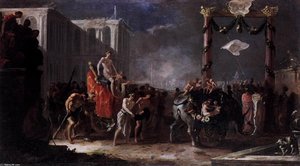
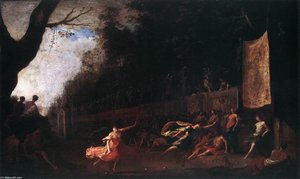
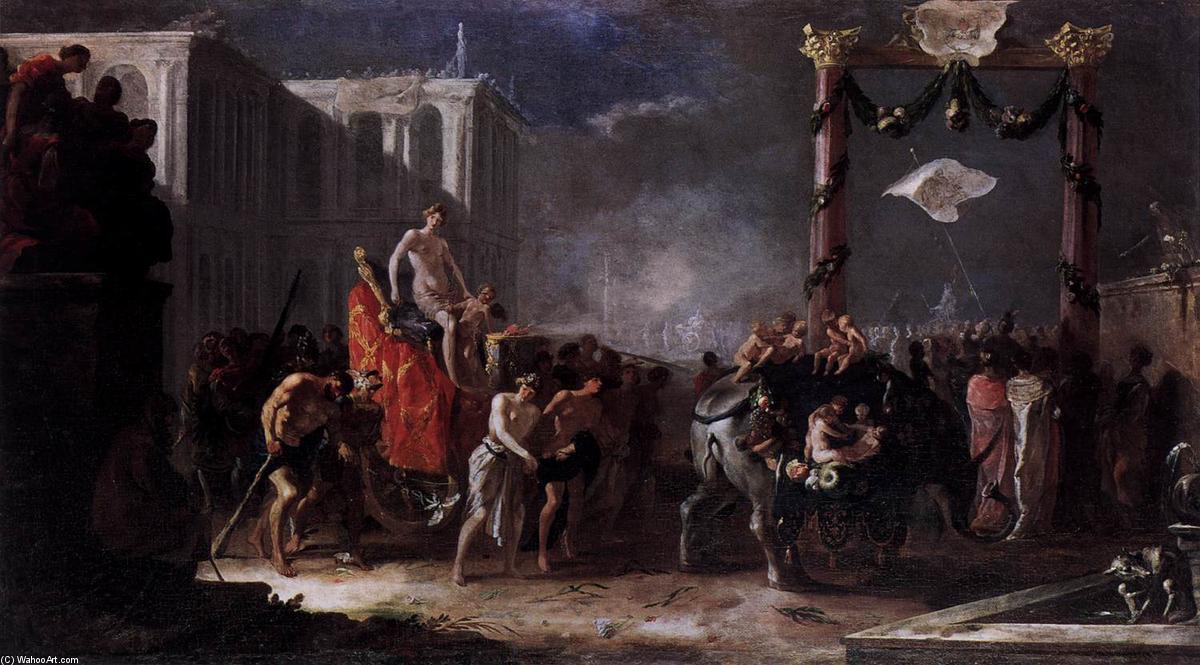
Triumph of Venus
 Oil On Canvas
- WallArt
- Baroque
 1640
1640 70.0 x 123.0 cm
 Staatliche Museen
 Read More
Giclée / Art Print
Museum-quality giclée or canvas print with fast production and flexible finish options. ( Buy Hand Made Painting Buy Image)




P118B $10

P118H $10

P118W $10

P438Z $10

P508JH $12

P508YH $12

P805H $10

P805Z $10

P919BZ $10

P919G $10

P919XJ $10

P959ZH $10

P968JZ $12

W106C $8

W218G $10

W218JH $8

W218Y $10

W307PJ $10

W316G $10

W316PJ $8

W316Y $10

W398PJ $8

W4111J $10

W500HY $15

W500JH $15

W692G $12

W849H $8

W940BG $15

W953PJ $8




Pick from our preset sizes that match the artwork's original proportions.

You may enter your own dimensions to fit a specific frame or space. If your selected size does not match the original image's proportions, we will either crop the artwork or extend the image with a mirrored or solid-fill edge. A digital mockup will be sent for your approval before production begins.
Please note that the on-screen preview does not reflect the actual cropping or extension. Only the mockup will accurately show the final composition.
While custom sizes are available, we recommend selecting a dimension from the predefined list to preserve the original proportions.
Worldwide Delivery () in 2 weeks instead of standard 4/5 weeks. (24 August)

Free Worldwide Express Shipping

High-Quality Linen Canvas

Full Shipping Insurance

Customs Tax Refund Guarantee

True Color Matching Guarantee

60-Day Return Policy (Defects Only)

100% Money-Back Guarantee

Bulk Discount Offer
 Glass option is only available in size under 110 CM

Triumph of Venus
Giclée / Art Print
Reproduction Size
-


Total Price
$ 63
Collectible Description
A Triumph of Venus: Johann Heinrich Schönfeld’s Baroque Masterpiece
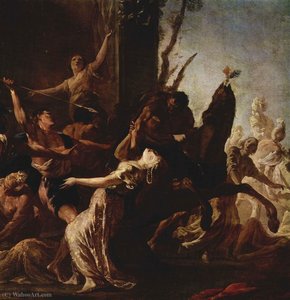
The Staatliche Museen zu Berlin houses a painting that transcends mere representation – it is an immersive experience, a vibrant tableau vivant capturing the essence of classical mythology and the burgeoning spirit of the Baroque era. Johann Heinrich Schönfeld's “Triumph of Venus,” completed around 1640, isn’t simply a depiction of the goddess; it’s a carefully constructed narrative brimming with symbolism, light, and an undeniable sense of celebratory grandeur.
Schönfeld, born in Biberach in 1609, was a master of capturing the dynamism and emotional intensity characteristic of Baroque art. His early training under Caspar Sichelbein laid the foundation for his distinctive style – one that blended classical influences with a dramatic flair. The painting itself is an oil on canvas measuring 70 x 123 cm, a scale that allows for intricate detail while maintaining a sense of expansive drama. It’s remarkable to consider this work was created nearly four centuries ago, yet it retains a freshness and vitality that speaks volumes about Schönfeld's skill.
The Scene Unfolds: Venus Ascendant
At the heart of the composition stands Venus, not as a serene deity, but as a figure radiating power and triumph. She occupies the central space, poised atop a magnificent chariot drawn by two spirited horses – their harnesses adorned with vibrant red silks that immediately draw the eye. The chariot itself is a testament to Baroque design, its curves and ornamentation echoing the grandeur of Roman architecture. Around her, a carefully orchestrated group of figures participates in the celebration, suggesting a public procession or festival honoring the goddess of love.
Note the deliberate use of light and shadow – a hallmark of Baroque painting. Schönfeld masterfully employs chiaroscuro to sculpt the forms, creating depth and volume within the scene. The light seems to emanate from an unseen source, bathing Venus in a golden glow while simultaneously casting dramatic shadows that heighten the sense of drama and movement. This technique isn’t merely aesthetic; it serves to draw the viewer's attention directly to the central figure – the embodiment of beauty and victory.
Symbolism Woven into the Canvas
The “Triumph of Venus” is rich in symbolic meaning, reflecting the prevailing intellectual currents of the 17th century. The chariot itself represents power and dominion, while the horses symbolize speed and dynamism – qualities associated with Venus’s role as a goddess of love and desire. The figures surrounding her are not merely onlookers; they represent various aspects of Venus's influence: fertility, beauty, and even victory in battle. The architectural elements—columns and statues—are reminiscent of classical temples, reinforcing the painting’s connection to ancient mythology.
Furthermore, the inclusion of a group celebrating suggests that love and beauty are not merely personal experiences but also contribute to the well-being and prosperity of society. It's a potent message within the context of a time marked by religious upheaval and political uncertainty. The painting’s overall effect is one of optimistic celebration – a testament to the enduring power of classical ideals.
A Baroque Legacy
“Triumph of Venus” stands as a quintessential example of Baroque art, mirroring works like Peter Paul Rubens' "Music Making Angels." Schönfeld expertly blends classical motifs with dramatic composition and masterful use of light. The painting’s influence can be seen in subsequent generations of artists who sought to capture the emotional intensity and grandeur of the era. It is a powerful reminder of the enduring appeal of mythology, beauty, and the celebration of human potential – themes that continue to resonate with audiences today.
Consider commissioning a hand-painted reproduction to bring this magnificent artwork into your home or office. It’s more than just decoration; it's an investment in art history and a captivating addition to any space.
Related Artworks
Artist Biography
The Flourishing Brushstrokes of Johann Heinrich Schönfeld
To gaze upon the works of Johann Heinrich Schönfeld is to step directly into the vibrant, dramatic heart of the German Baroque period. Born in Biberach (Riss), Germany, in 1609, this painter emerged during an era when art was deeply intertwined with religious fervor and burgeoning classical revivalism. His career spanned a time of immense cultural transformation, allowing him to absorb influences from across the continent while forging a distinctly German voice within the grand tradition of European painting.
Schönfeld’s artistic journey suggests a profound dedication to mastering both narrative grandeur and delicate execution. While his life saw him active through the mid-17th century, it is his surviving body of work that continues to whisper tales of mythological encounters and solemn religious devotion. He was not merely a chronicler of scenes; he seemed intent on capturing the very moment of divine or human epiphany.
Mastering Baroque Drama and Classical Form
The hallmark of Schönfeld’s style lies in its masterful blend of dramatic tension characteristic of the High Baroque, tempered by an adherence to classical compositional structures. His compositions rarely feel static; instead, they pulse with implied movement. Whether depicting a celestial event or a pastoral gathering, one senses the energy coiled just beneath the surface.
His affinity for Italianate landscapes is particularly noteworthy. These backgrounds are never mere backdrops; they are active participants in the drama unfolding before them. Lush, dramatic skies often mirror the emotional turmoil or sublime peace of the figures below. This integration of setting and subject matter elevates his pieces beyond simple portraiture or narrative illustration.
Furthermore, his handling of light is breathtaking. He employed a technique that seems to illuminate key moments—a divine ray piercing through storm clouds, or a single shaft of sunlight catching the folds of drapery—drawing the viewer's eye inexorably toward the central theological or mythological point of focus.
Themes of Piety and Mythology
The thematic scope of Schönfeld’s oeuvre reveals a painter deeply engaged with the grand narratives that shaped European thought. Religious paintings form a significant pillar of his output, reflecting the enduring power of faith during his time. These works invite contemplation on sacrifice, martyrdom, and divine grace.
Equally compelling are his mythological scenes. Here, the classical gods and heroes engage in dramas that echo human passions—love, betrayal, triumph, and fate. He possessed a remarkable ability to imbue these pagan subjects with a sense of profound spiritual weight, making them resonate with contemporary Christian sensibilities.
Allegory painting was a favored vehicle for his deeper commentary. Through the careful arrangement of figures and symbols—a wilting flower representing transience, or an outstretched hand symbolizing divine intervention—he wove complex philosophical arguments into visually accessible narratives for his patrons.
Historical Resonance and Legacy
Johann Heinrich Schönfeld stands as a vital figure in understanding the transition between Mannerist echoes and the full bloom of Baroque naturalism in German art. His commitment to narrative clarity, combined with an undeniable flair for the dramatic, secured his place among painters who helped define the visual language of the 17th century.
While the sheer volume of his work speaks to a prolific career, it is the consistent quality—the ability to balance technical virtuosity with emotional depth—that endures. His legacy invites us not just to admire skill, but to participate in the contemplation of belief, beauty, and the sublime power inherent in both nature and the divine.
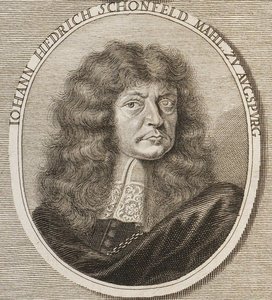
johann heinrich schönfeld
1609 - 1684 , Germany
Quick Facts
- Artistic Movement Or Style: Baroque
- Artists Or Movements Influenced By This Artist:
- Carracci
- Baroque art
- Artists Who Influenced This Artist:
- Rubens
- Van Dyck
- Strozzi
- Date Of Birth: 1609
- Date Of Death: 1664
- Full Name: Giovanni Benedetto Castiglione
- Nationality: Italian
- Notable Artworks:
- Noah’s Ark
- Old Testament scenes
- Place Of Birth: Genoa, Italy
Related Articles

Baroque Classicism: Reconciling Drama & Order in 17th-Century Art
Explore the captivating world of Baroque Classicism! Discover its history, key artists like Caravaggio & Rubens, and defining characteristics. Expert insights & high-quality reproductions at ArtsDot.
Echoes of Olympus: Mythological Narratives in Western Art Through the Ages
Explore the captivating history of mythological narratives in Western art! From ancient Greece to modern masterpieces, discover iconic artworks & symbolism. Expert analysis and high-quality reproductions at ArtsDot.

Theatricality & Triumph: Baroque Drama in Painting & Sculpture
Explore the dramatic world of Baroque art! Discover its history, defining characteristics, & lasting influence on painting & sculpture. Expert insights into Caravaggio, Zurbarán, and Bernini – plus high-quality reproductions at ArtsDot.

Baroque Drama: Bringing Opulence & Emotion into Contemporary Interiors
Explore the opulent world of Baroque interior design! Discover key elements, modern applications & how to bring dramatic elegance into your home with 's authentic reproductions.
Decoding Baroque Grandeur: A Guide to the Drama and Emotion of 17th-Century Art
Explore the breathtaking drama of 17th-century Baroque art. Our expert guide decodes the use of chiaroscuro, emotional intensity, and historical grandeur to help you appreciate and curate timeless masterpieces for your collection.