 Preview
 Send
Send Share
Share
 Details

 Download
 Similars
 X-Ray
X-Ray Diaporama
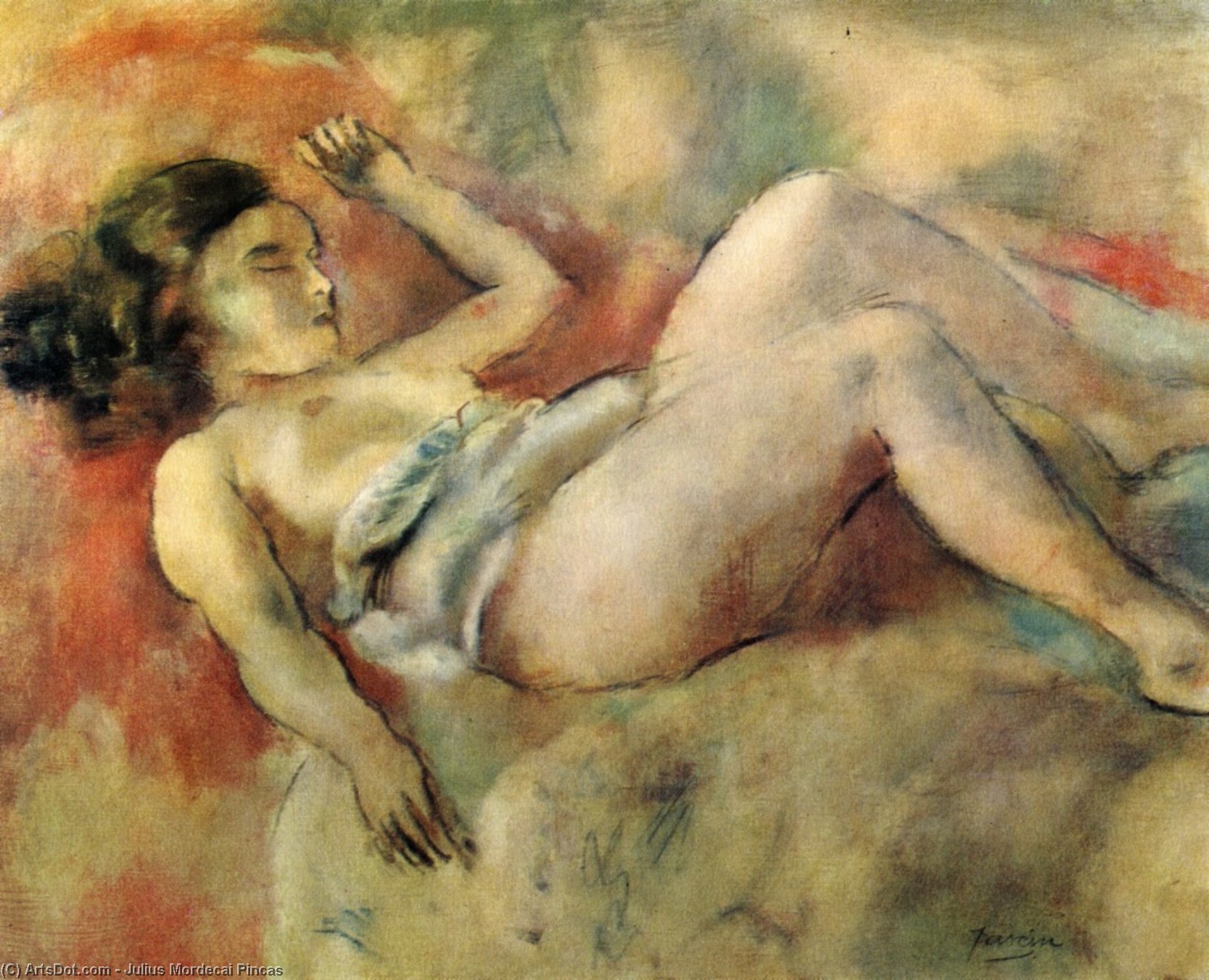
Nude Sleeping


 Read More
Hand Made Oil Reproduction
Hand-painted oil on canvas in your size and frame, made to order by our artists. ( Buy Print Buy Image)




P118B $10

P118H $10

P118W $10

P438Z $10

P508JH $12

P508YH $12

P805H $10

P805Z $10

P919BZ $10

P919G $10

P919XJ $10

P959ZH $10

P968JZ $12

W106C $8

W218G $10

W218JH $8

W218Y $10

W307PJ $10

W316G $10

W316PJ $8

W316Y $10

W398PJ $8

W4111J $10

W500HY $15

W500JH $15

W692G $12

W849H $8

W940BG $15

W953PJ $8




Pick from our preset sizes that match the artwork's original proportions.

You may enter your own dimensions to fit a specific frame or space. If your selected size does not match the original image's proportions, we will either crop the artwork or extend the painting with additional hand-painted elements. A digital mockup will be sent for your approval before production begins.
Please note that the on-screen preview does not reflect the actual cropping or extension. Only the mockup will accurately show the final composition.
While custom sizes are available, we recommend selecting a dimension from the predefined list to preserve the original proportions.
After order, ArtsDot.com team will email client for instructions and provide a mockup preview
Worldwide Delivery () in 3/4 weeks instead of standard 5 weeks. (17 August). No compromise on quality.

Free Worldwide Express Shipping

High-Quality Linen Canvas

Full Shipping Insurance

Customs Tax Refund Guarantee

True Color Matching Guarantee

60-Day Return Policy (Defects Only)

100% Money-Back Guarantee

Bulk Discount Offer
 Glass option is only available in size under 110 CM

Nude Sleeping
Reproduction Medium
Reproduction Size
-


Total Price
$ 263
Artwork Description
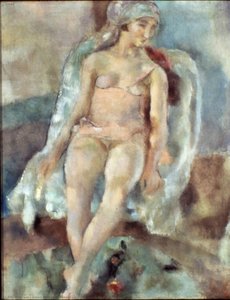
A Dream of Rest: Julius Pascin’s ‘Nude Sleeping’ (1928)
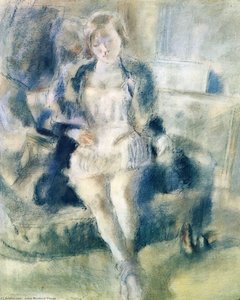
- Subject and Composition: This captivating pastel painting presents a reclining nude female figure, bathed in soft light. The composition is deliberately intimate; the woman lies diagonally across the canvas, her form partially veiled by draped fabric, creating a sense of secluded reverie. Pascin masterfully uses this arrangement to draw the viewer into a private moment, focusing on the quiet beauty and vulnerability of the subject.
- Impressionistic Sensibility & Technique: Executed in 1928, ‘Nude Sleeping’ exemplifies Pascin's embrace of Impressionism – though filtered through his own unique lens. The artwork is characterized by loose, broken brushstrokes and a prioritization of capturing the *feeling* of light and color over precise representation. Oil paints are applied in layered textures, creating a hazy atmosphere that softens edges and suggests form rather than rigidly defining it. This technique lends itself to an ethereal quality, evoking a dreamlike state.
Pascin & The School of Paris
- A Bulgarian Voice in Parisian Modernism: Julius Mordecai Pincas (1885-1930), known as Jules Pascin, was a significant figure within the *School of Paris* – a collective of expatriate artists who shaped early 20th-century modern art. Born in Bulgaria to a wealthy Sephardic Jewish family, he navigated a complex artistic journey, adopting the pseudonym “Pascin” to distance his satirical work from familial expectations.
- Early Influences & Artistic Development: His studies in Vienna and Munich exposed him to emerging avant-garde ideas and artists like Klee and Kandinsky. However, it was Paris that truly ignited his artistic spirit. Pascin’s style evolved to encompass elements of Expressionism alongside Impressionistic techniques, resulting in a distinctive aesthetic marked by bold color palettes and intimate portrayals of modern life – particularly scenes of Parisian nightlife and the female form.
Symbolism & Emotional Resonance
- Rest, Vulnerability, and Melancholy: The reclining nude has a long history in Western art, traditionally symbolizing rest, sensuality, and vulnerability. In Pascin’s hands, however, the figure evokes a more nuanced emotional landscape. While there is beauty and serenity present, a subtle undercurrent of melancholy pervades the scene. The closed eyes and relaxed posture suggest not just physical repose but also an inward turning – a moment of quiet contemplation.
- A Fleeting Moment Captured: The diffused lighting and soft color palette contribute to this emotional depth, creating a sense of transience and fragility. Pascin doesn’t present the nude as an object of desire, but rather as a human being caught in a fleeting moment of peace – a poignant reminder of life's ephemeral nature.
For Collectors & Interior Design
- A Versatile Addition: ‘Nude Sleeping’ offers a sophisticated and emotionally resonant focal point for any collection. Its warm color palette – dominated by reds, oranges, and pinks balanced with cooler blues and greens – lends itself well to various interior design schemes.
- Consideration for Placement: This artwork would be particularly striking in a bedroom or boudoir setting, enhancing the sense of intimacy and tranquility. However, its subtle complexity also makes it suitable for living rooms or studies, adding a touch of artistic depth and sophistication to any space.
Related Artworks
Artist Biography
Julius Mordecai Pincas (Jules Pascin): A Biography
Early Life and Origins
- Birth and Family: Julius Mordecai Pincas, known as Jules Pascin, was born on March 31, 1885, in Vidin, Bulgaria. He came from a wealthy Sephardic Jewish family involved in grain trading.
- Early Influences: The family moved to Bucharest in 1892, where young Julius first showed an interest in art, even sketching at a local brothel. His early artistic inclinations were initially met with disapproval from his father.
- Education and Pseudonym: He studied art in Vienna (1902) and Munich (1903), where he connected with artists like Paul Klee and Wassily Kandinsky. To avoid family embarrassment regarding his satirical drawings, he adopted the pseudonym “Pascin” – an anagram of his surname.
Parisian Years and Artistic Development
- Arrival in Paris: In 1905, Pascin moved to Paris, becoming part of the vibrant artistic community. He quickly integrated into circles like “Les Dômiers” at Café le Dome.
- Early Style and Influences: His early Parisian works were influenced by Fauvism and Cézanne, focusing on portraits and nudes. He also studied at the Académie Matisse and drew inspiration from 18th-century masters like Greuze and Watteau.
- Developing a Unique Voice: Pascin’s style evolved to become distinctly his own – characterized by bold colors, expressive brushwork, and often depicting intimate scenes of modern life. He excelled in watercolors, drawings, and paintings.
Themes and Artistic Style
- Recurring Subjects: Women were a central theme in Pascin’s work, portrayed in casual, often nude or partially dressed poses. He captured their vulnerability and sensuality with remarkable sensitivity.
- Bold Colors & Composition: His paintings are known for their vibrant color palettes and carefully balanced compositions. He skillfully used light and shadow to create depth and atmosphere.
- Psychological Depth: Beyond mere representation, Pascin’s work often hinted at underlying psychological complexities and emotional states of his subjects.
Major Works and Achievements
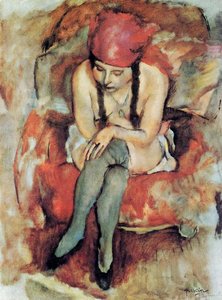
- Nude with a Green Hat (1925): A striking example of his nude studies, showcasing his mastery of color and form. Currently housed at the Cincinnati Art Museum.
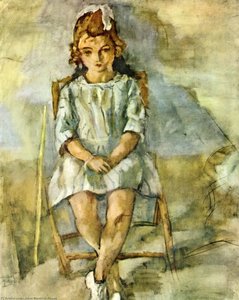
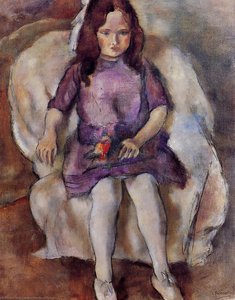
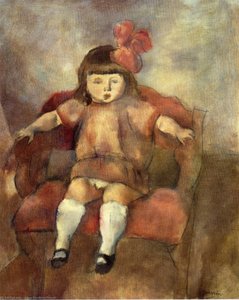
- Little Girl on an Armchair (1925): Demonstrates his ability to capture innocence and beauty in a domestic setting.
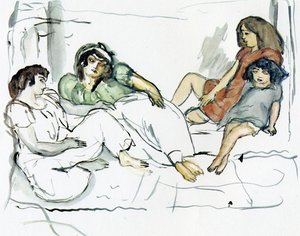
- Loose Women (1911): A provocative work that reflects the changing social norms of the early 20th century.
- Portrait of Hermine David (1918): A notable portrait held at the Musée National d'Art Moderne, Centre Pompidou in Paris.
Historical Significance and Legacy
- School of Paris: Pascin was a prominent figure within the School of Paris – a collective of expatriate artists who shaped modern art in the early 20th century.
- Influence on Later Artists: His work influenced subsequent generations of artists with its expressive style and focus on human emotion.
- Tragic End: Despite his artistic success, Pascin struggled with depression and alcoholism throughout his life. He tragically took his own life in 1930 at the age of 45.
- Continued Appreciation: Today, Jules Pascin’s paintings are celebrated for their beauty, sensitivity, and historical significance. His works can be found in major museums worldwide and continue to inspire art lovers through reproductions offered by platforms like ArtsDot.com.
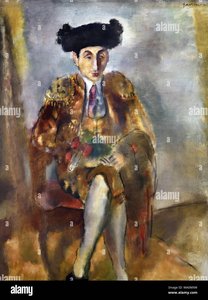
julius mordecai pincas
1885 - 1930 , Bulgaria
Quick Facts
- Birth Date: 1885-03-31
- Birth Place: Vidin, Bulgaria
- Death Date: 1930-06-02
- Influenced By:
- Impressionism
- Cézanne
- Fauvism
- Movement: School of Paris, Expressionism
- Name: Julius Mordecai Pincas (Jules Pascin)
- Nationality: Bulgarian, American
- Notable Works:
- Nude with a Green Hat
- Little Girl on an Armchair
- Loose Women
- Portrait of Hermine David
Related Articles
The Subtleties of Pastel: A Comprehensive Exploration of Technique, History & Emotional Resonance
Explore the captivating world of pastel art! Discover its rich history, Impressionistic masters like Degas, emotional power & unique techniques. Find museum-quality reproductions at ArtsDot.
The Subdued Radiance of Pastel: Exploring Nuance & Emotion in Art
Explore the nuanced world of pastel art! Discover its history, techniques & emotional power with expert insights from ArtsDot.com. Find museum-quality reproductions and learn about collecting this delicate medium.
Julius Mordecai Pincas: A Study in Early American Impressionism & Atmospheric Light
Explore the captivating world of Julius Mordecai Pincas, a key figure in early American Impressionism. Discover his unique use of light, color & atmosphere – and learn about collecting his timeless works.
The Enduring Allure of the Nude: A Historical & Artistic Exploration of the Human Form
Explore the captivating history of nude art! Discover iconic paintings & artists from classical to modern eras. Uncover symbolism, techniques & find museum-quality reproductions at ArtsDot.

Impressionistic Landscapes: 10 Masterpieces That Changed Art & Decor
Journey into the heart of Impressionism! Explore 10 masterpieces by Monet, Renoir & Degas that revolutionized landscape art. Discover their stories, techniques & find museum-quality reproductions to elevate your home decor on ArtsDot.com.